





Related: What’s Behind the Grille of the New Nikola Hydrogen-Electric Truck
Nikola Teases Breakthrough in Electric Truck Battery Technology
Nikola has developed a new type of battery it claims could allow ranges of up to 800 miles between charges for battery electric trucks with a 40% weight reduction and 50% lower cost.
November 19, 2019
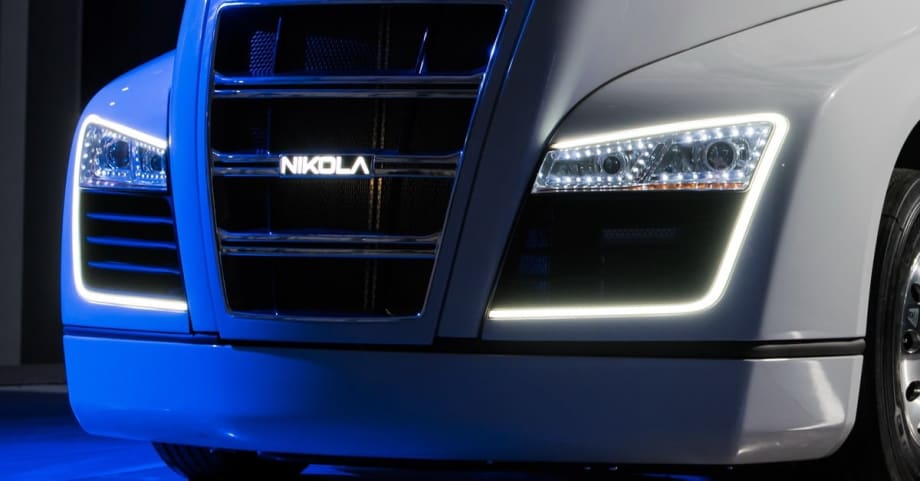
Nikola has developed a new type of battery it claims could allow ranges of up to 800 miles between charges for battery electric trucks with a 40% weight reduction and 50% lower cost.
Photo: Nikola Motors
3 min to read
Nikola Corporation is reporting a breakthrough in battery technology that could remove the range barriers of lithium-ion batteries. This battery technology could increase the range of current EV passenger cars from 300 miles up to 600 miles with little or no increase to battery size and weight, Nikola says.
This as yet unnamed technology, still in the prototype stage, has a reported energy density of 1,100 watt-hours per kilogram on the material level and 500 Wh/kg on the production cell level. Nikola says this prototype cell is the first battery to remove binder material and current collectors, enabling more energy storage within the cell. It is also expected to pass nail penetration standards, thus reducing potential vehicle fires, Nikola claims.
The technology is also designed to operate in existing vehicle conditions, and tests cycling the cells over 2,000 times has shown acceptable end-of-life performance, says Nikola. The company describes this this new battery technology as "free-standing/self-supported electrode with a cathode that has 4x the energy density of lithium-ion."
"This is the biggest advancement we have seen in the battery world," said Trevor Milton, CEO, Nikola Motor Company. "We are not talking about small improvements; we are talking about doubling your cell phone battery capacity. We are talking about doubling the range of BEVs and hydrogen-electric vehicles around the world."
Putting the energy density claims into perspective, brand T's current 2170 cells have a reported energy density of estimated 250 Wh/kg.
According to Nikola, this new cell technology is environmentally friendly and easy to recycle. While conventional lithium-ion cells contain elements that are toxic and expensive, the new technology will have a positive impact on the earth’s resources, landfills and recycling plants. On top of that, it's expected to cost 50% less to produce than lithium-ion.
Benefits of this new battery, as described by Nikola in its press release include:
Range of up to 800 miles between charges for battery electric trucks
Range of up to 1,000 miles for hydrogen-electric fuel cell trucks
Up to 5,000 pounds or 40% lighter than similarly sized lithium-ion battery packs
A 50% reduction in material cost per kWh compared to lithium-ion batteries
This month, Nikola entered into a letter of intent to acquire a world-class battery engineering team to help bring the new battery to pre-production. Through this acquisition, Nikola will add 15 PhDs and five master’s degree team members. Due to confidentiality and security reasons, additional details of the acquisition will not be disclosed until Nikola World 2020, slated for some time next fall.
Due to the impact this technology will have on society and emissions, Nikola has taken an unprecedented position to share the intellectual property (IP) with other OEMs, even competitors, that contribute to the Nikola IP license and new consortium.
“Nikola is in discussions with customers for truck orders that could fill production slots for more than ten years and propel Nikola to become the top truck manufacturer in the world in terms of revenue. Now the question is why not share it with the world?” said Milton.
Nikola will show the batteries charging and discharging in front of the crowd at Nikola World 2020.
OEMs or other partners can email batteries@nikolamotor.com for more information.
More Fuel Smarts

EPA Proposal Could Ease 2027 Truck Costs and Buying Uncertainty
The proposal doesn't change the tougher NOx standard, but it would revise key implementation requirements that manufacturers say have driven up costs and complicated fleet purchasing decisions.
Read More →
Cummins, Paccar Ease DEF Derates After EPA Guidance
Updated diesel engine software gives truck operators more time to address emissions-system issues while staying compliant with EPA emissions standards.
Read More →
Maintenance in the Messy Middle Part 3: Biodiesel
Biodiesel can reduce emissions, improve fuel-system lubricity and use existing diesel infrastructure. But NACFE’s Messy Middle maintenance report says fleets must actively manage storage, cold-weather operation, filters and oil drain intervals to avoid problems.
Read More →
Sponsored•July 1, 2026
Enhance Fleet Performance with High-Efficiency Auxiliary Power Units
Drive sustainable cost savings while increasing driver comfort during short- and long-haul logistics operations.
Read More →
Maintenance in the ‘Messy Middle’ Part 2: Renewable Diesel Fuel
NACFE's latest Messy Middle Powertrain Service & Maintenance report says renewable diesel gives fleets an opportunity to reduce carbon emissions without changing trucks, fueling infrastructure or maintenance practices. But technicians still need to understand several important operational differences.
Read More →
The Diesel Engine Enters NACFE’s ‘Messy Middle’
NACFE’s new Messy Middle Powertrain Service & Maintenance report says keeping modern diesel engines running now depends as much on software, diagnostics and data as traditional mechanical service.
Read More →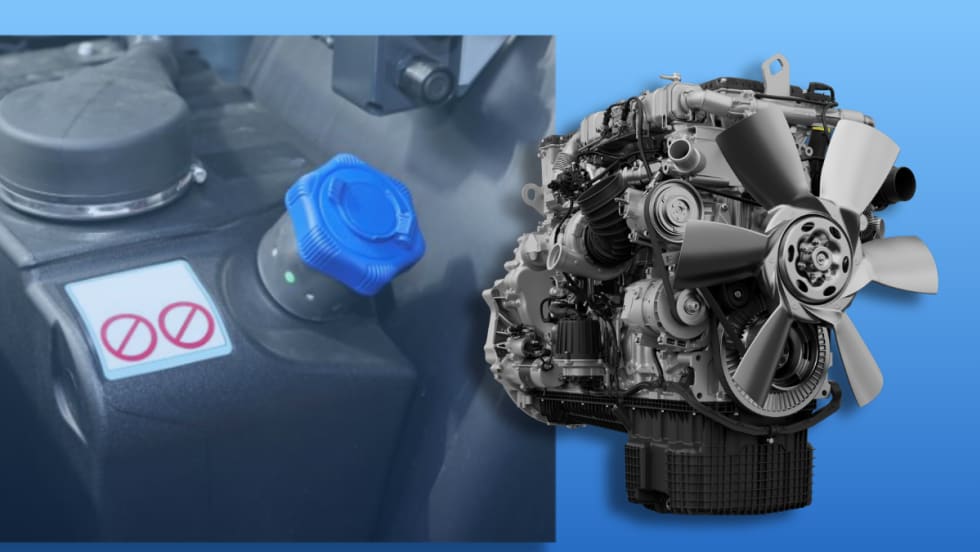
DTNA Software Update Gives Truckers More Time Before DEF Derates Take Effect
The changes reflect EPA guidance aimed at reducing downtime caused by emissions-system faults while maintaining compliance requirements.
Read More →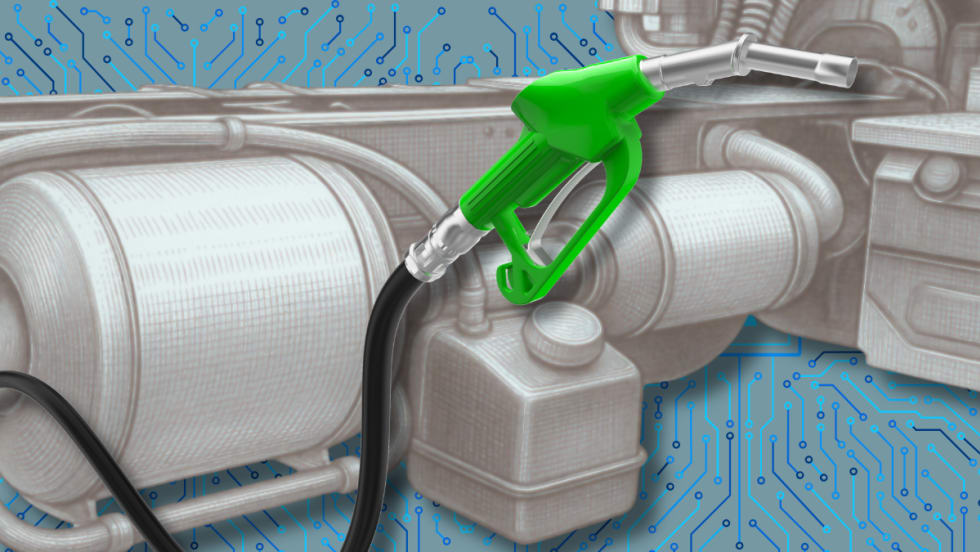
New Agentic Predictive Maintenance Report Demonstrates How Degraded Aftertreatment Systems Waste Fuel
Questar analyzed a large mixed-class fleet and discovered it was wasting as much as $30 in fuel per vehicle, per day, because of mechanically degraded aftertreatment systems.
Read More →
New York City's Microhub Project is Delivering Results
Trucking, last-mile delivery companies, and environmental advocates like what they are seeing so far with New York's microhub program.
Read More →
Lessons Learned About Alternative Fuels: Start Small, Stay Flexible
Practical advice on adopting alternative fuels and ZEVs from HDT's 2026 Top Green Fleets, from renewable diesel and natural gas to electric trucks.
Read More →