





Related: The Year Trucking Technology Begins
Short-Sighted Thinking at the FCC
As the possibilities of connected and autonomous vehicles become clearer, the head of the Federal Communications Commission wants to pull the plug on a dedicated Wi-Fi spectrum for vehicle-to-vehicle communications.
September 6, 2019
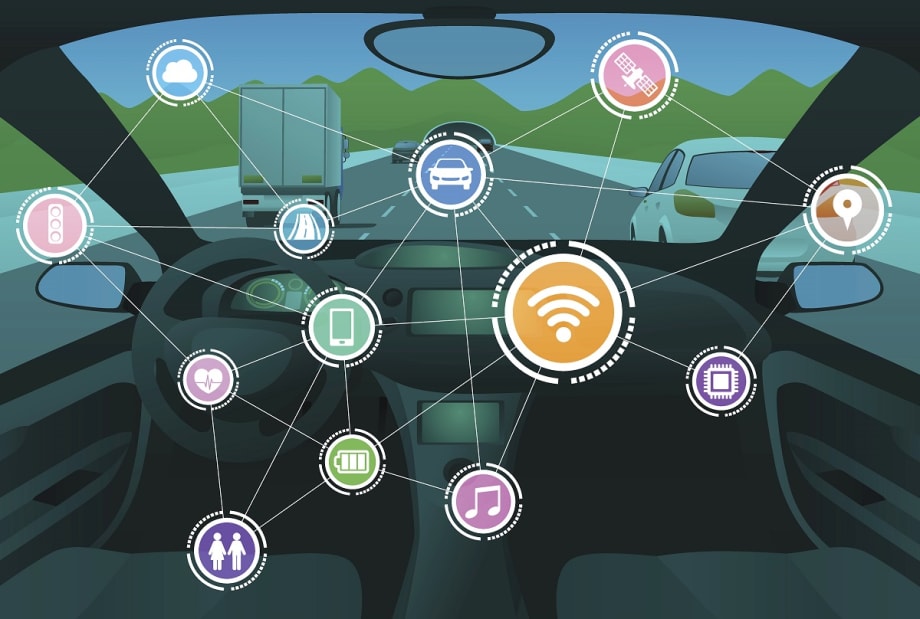
Why does the head of the FCC want to do away with a dedicated Wi-Fi frequency for V2V communications?
Credit:
Getty Images
4 min to read
Sometime in the next few years, automobiles – both cars and trucks – will begin “talking” to one another as they cruise down the road. I’m talking about electronic language, of course, in what is called vehicle-to-vehicle, or V2V, communication. During this electronic dialog, vehicles will share pertinent information with each other regarding their intentions to change lanes, turn at the next light, speed up, brake or pass one another.
All of this communication will be a major step forward for the eventual deployment of autonomous vehicles. There is hope that having vehicles that can transmit course, direction and speed data to one another in real time will be a game-changer in finally giving all of us some relief from the traffic congestion that plagues so many Americans.
But in order to bring this technology to consumers, V2V systems will need a dedicated wireless spectrum that is reserved exclusively for the purpose of allowing cars and trucks to talk to each other in real time on the road.
And up until recently, it looked like that V2V-specific wireless spectrum was a given.
The government has been sitting on the 5.9 GHz spectrum band since 1999. But the technology has been slow to mature. Which is why back in May, at a speech to the Wi-Fi World Congress on May 14, 2019, U.S. Federal Communications Commission Chairman Ajit Pai called for “reevaluating” the status of the 5.9 GHz spectrum for V2V, and suggested it may be time to open up the spectrum for other uses and industries.
“Given the swirl of the debate and the vast technological changes that have occurred since the commission allocated the 5.9 GHz band 20 years ago, I believe that the time has come for the FCC to take a fresh look at this band,” Pai said during his speech. “We should open up a rulemaking proceeding, seek comment on various proposals for the band’s future, and use the record that we compile to make a final decision on how the band should be allocated.”
A “personal appeal” for caution from Department of Transportation Administrator Elaine Chao stayed Pai’s hand for the time being. But, obviously, for the first time in 20 years, the idea of a dedicated broadband spectrum for dedicated short-range communications (DSRC) is in question.
One factor that seems to be influencing Pai is the slow buy-in from automotive manufacturers to bring V2V technology to market. The Obama administration considered mandating DSRC on all new cars as a way of jump-starting use of the new technology – but that didn’t come to pass.
So what does Pai want? For starters in his speech to the Wi-Fi World Congress, he suggested allocating the 5.9 GHz band for cellular vehicle-to-everything or automotive technologies in general. He also floated “sharing” the spectrum with unlicensed devices and automotive communications technologies in the lower 45 MHz of the band, while reserving the upper 30 MHz exclusively for vehicle-to-vehicle technologies. “We could split the band, with the lower 45 MHz allocated exclusively for unlicensed and the upper 30 MHz allocated exclusively for vehicle-to-vehicle technologies,” he said in his speech. “Or we could allocate the entire 75 MHz band exclusively for unlicensed use.”
So far, the reception for Pai’s suggested revamping of the 5.9 GHz spectrum has been cool.
The Institute of Transportation Engineers also issued a statement stressing the importance of preserving the 5.9 GHz spectrum as a key enabler of both future technologies and enhanced highway safety. “At a time when connected and automated vehicle technologies are just emerging into the marketplace, removing or compromising the 5.9 GHz spectrum set‐aside for transportation safety purposes could hinder the development of safety applications and hamper our ability to save lives,” Jeff Paniati, ITE’s executive director and CEO said in a statement. “Reducing the annual death toll on our nation’s highways should be of paramount importance.”
This is the right call, in my opinion. Technology never moves forward in a straight, uninterrupted path. In 1999, only a handful of engineer and scientists understood the importance connected vehicles would have in the future. And it’s been less than a decade since the public at large and the trucking industry became aware of the connected, autonomous future heading our way.
There may be a time when Pai is proven right and the need to rethink and even redeploy the 5.9 GHz spectrum becomes obvious. But we’re not there yet. Connected vehicles have tremendous potential to help fleets move freight more efficiently while helping save fuel and reducing congestion. Let’s give the technology a chance to prove itself.
Subscribe to Our Newsletter
More Blog Posts

That Time Mack Trucks Threw Me a Birthday Party
Sometimes the best birthdays are the ones you never planned. Mine happened courtesy of one of America's oldest truck manufacturers, and it reminded me why I still love this industry after more than three decades.
Read More →
Trucking Should Prepare for Long Siege of High Fuel Prices
Many in trucking are treating today's fuel-price surge as a temporary disruption. History suggests they may be making a costly mistake.
Read More →
30 Days on the Road: April 2026
There was a glut of good news for the North American trucking industry. HDT's Jack Roberts takes a look back at our major stories from the month.
Read More →
30 Days on the Road: HDT's Monthly News Roundup for March 2026
HDT's Monthly News Roundup takes a look at the major North American trucking industry news stories from March, 2026.
Read More →
The Major Autonomous News No One is Talking About
Both Aurora Innovation and PlusAI have made under-the-radar announcements that signal a massive game-changer for trucking is coming soon.
Read More →
HDT's Monthly News Roundup: February 2026
February was dreary and dull -- as usual. But the North American trucking industry finally showed some signs of life. But how long that will last is anybody's guess.
Read More →
Like it or Not, The New Year is Here!
HDT's Monthly Trucking Newsletter looks back on the top stories from January, 2026.
Read More →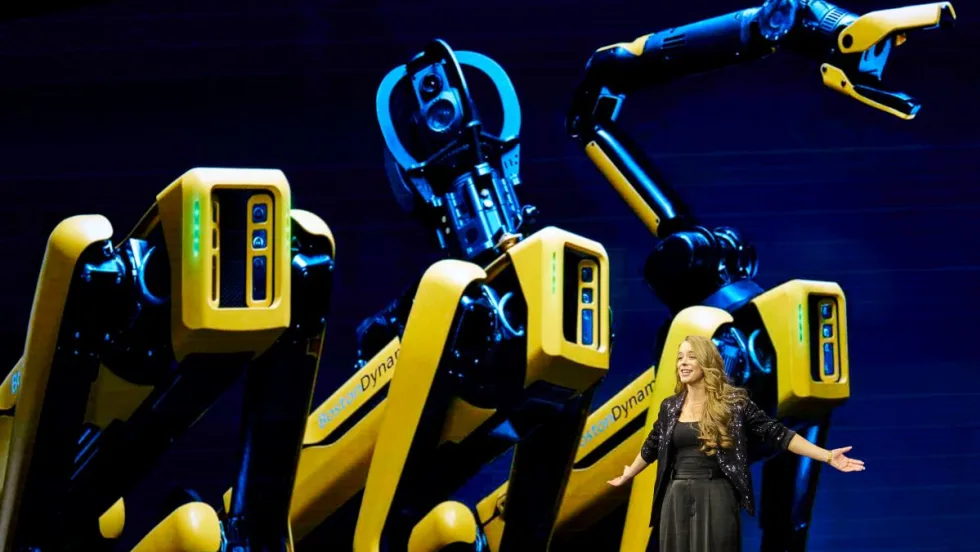
The Robots are Here
After a bruising year for trucking, CES 2026 felt subdued. Until it suddenly offered a glimpse of trucking's next disruption and reminded everyone that technology never waits for the next freight cycle.
Read More →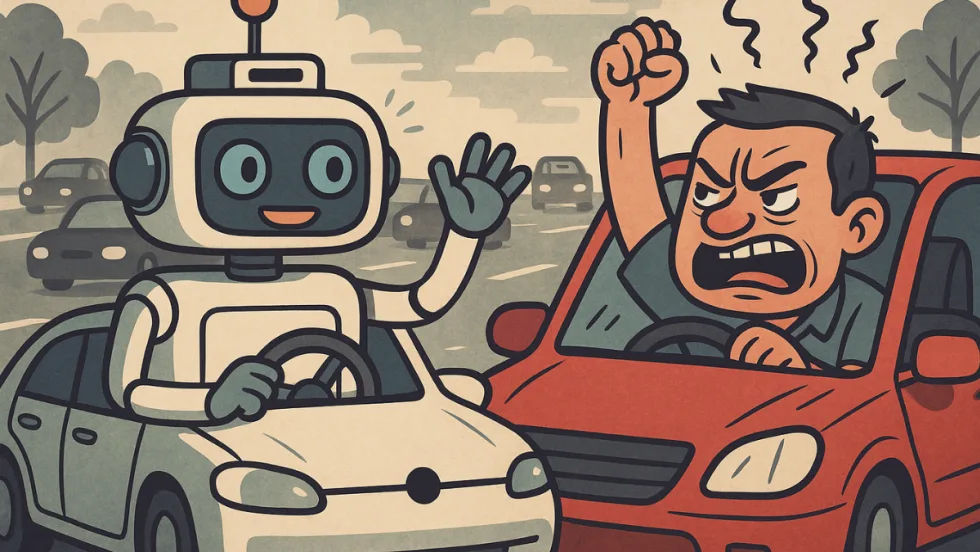
Robots and Road Rage
Computers never get angry. And that's a good thing on crowded stretch of interstate.
Read More →
For the Love of Old Trucks
Old trucks generally get ignored in classic car circles. Maybe that's changing.
Read More →