





Related:CVSA Wants Congress to Fund New Truck Crash Causation Study
Strong Safety Culture, Technology Help High-Risk Fleets Improve Safety
A recent study has found a strong link between fleets that invest in advanced safety technologies and emphasize company-wide safety culture and greatly improved safety performance outcomes.
August 19, 2019
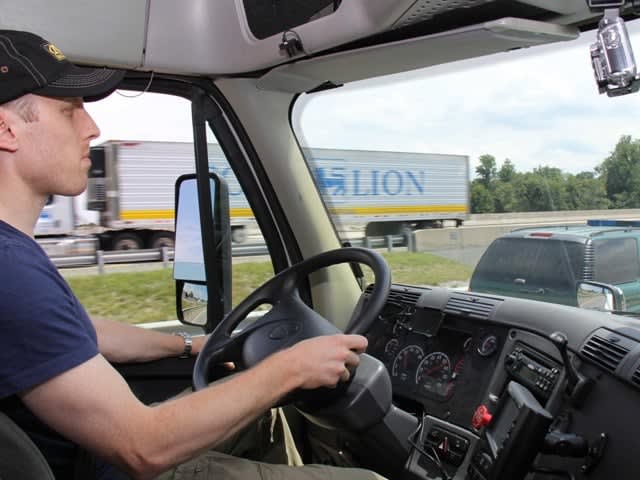
A recent study has found a strong link between fleets that invest in advanced safety technologies and emphasize company-wide safety culture with greatly improved safety performance outcomes.
Photo via Virginia Tech
3 min to read
A recent study has found a link between fleets that invest in advanced safety technologies and emphasize safety culture and greatly improved safety performance outcomes.
The study, conducted by Virginia Tech Transportation Institute’s National Surface Transportation Safety Center for Excellence, working with property casualty insurance provider Travelers, found that six out of nine carriers reported that building a strong safety culture and adopting at least one new advanced safety technology had contributed to improved safety outcomes.
The report focused on several trucking companies who were classified as high risk by the Federal Motor Carrier Safety Administration and had managed to change course and experience significantly improved safety outcomes. These fleets had reduced both the number and severity of crashes and improved safety scores. Interviewers asked these carriers about their safety improvement strategies in order to identify best practices that other high-risk fleets can implement.
By developing a well-rounded safety culture, a majority of the fleets had seen a substantial reduction in FMCSA reportable crashes. One of the interviewed fleets that listed safety culture as its top strategy reported a 75.6% reduction in preventable crashes, according to the study.
The fleet had noticed a trend of increases crash rates back in 2011 and was falling below its own internal safety goals. To reverse the trend, the carrier hired a new directory of safety to overhaul its safety programs. The fleet made other important changes, including implementing better driver training, changing hiring policies and building a strong safety culture.
Other examples from interviewed fleets included maintaining an open door policy for drivers to discuss safety-related issues with management, sharing carrier-wide indicators with managers and drivers and informing drivers of the carrier’s safety culture during orientation.
Another key change the interviewed fleets made was adopting at least one advanced safety technology. One of the fleets in the study reported a 56% decrease in preventable, rear-end collision after equipping its trucks with automatic emergency braking systems. Some fleet s adopted video-based safety monitoring systems, lane departure warnings, blind spot detection and stability control systems.
Of all the strategies that carriers discussed, the majority could be characterized as pre-crash countermeasures. Examples included proactive actions taken by carriers that focused on the management culture and leadership buy-in on safety, showing the value of a top-down approach to safety.
As many as 69 strategies were discussed in the study, reinforcing the fact that there was no single fix safety improvement. Every carrier reported making multiple, comprehensive adjustments that required each to change management practices, implement new technologies, improve training, and affect hiring, scheduling and maintenance procedures.
“Our findings were largely consistent in terms of the countermeasures the nine carriers viewed as influential factors in their improved safety records,” said Matthew Camden, the project’s principal investigator and senior research associate for VTTI’s Center for Truck and Bus Safety. “Overall, the carriers attributed their success not to one ‘single fix’ solution but rather the fact that they adopted a comprehensive approach to safety culture and practices within their companies, specifically the adoption of advanced safety technologies.”
The extensive full report is available online.
More Safety & Compliance
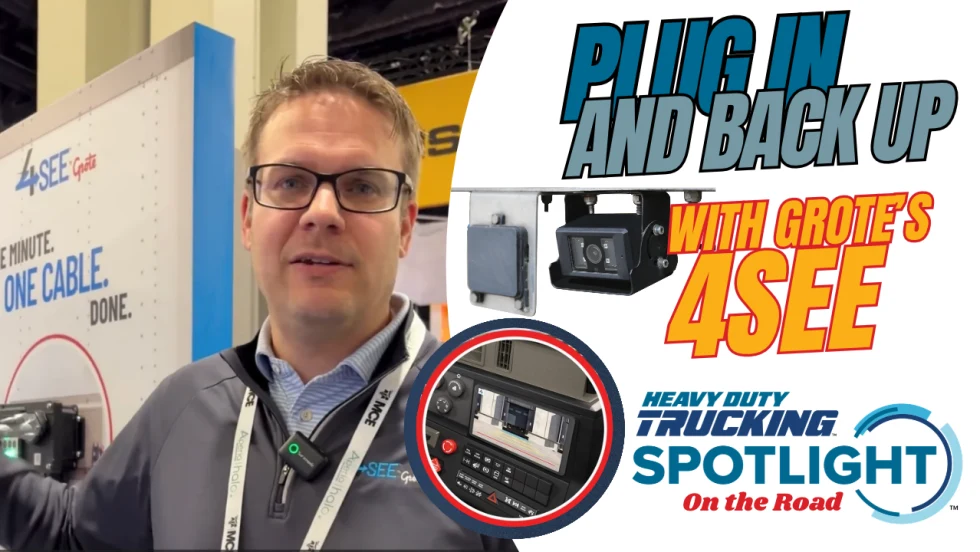
More Trailer Data Through the Same Seven-Way [Video]
Can trucking’s standard seven-way connector handle more cameras and trailer data? Grote’s Adam Slade shows HDT how the company is using new technology with its 4See trailer system, not only to add a new backup camera but also to expand other capabilities — without adding another connection.
Read More →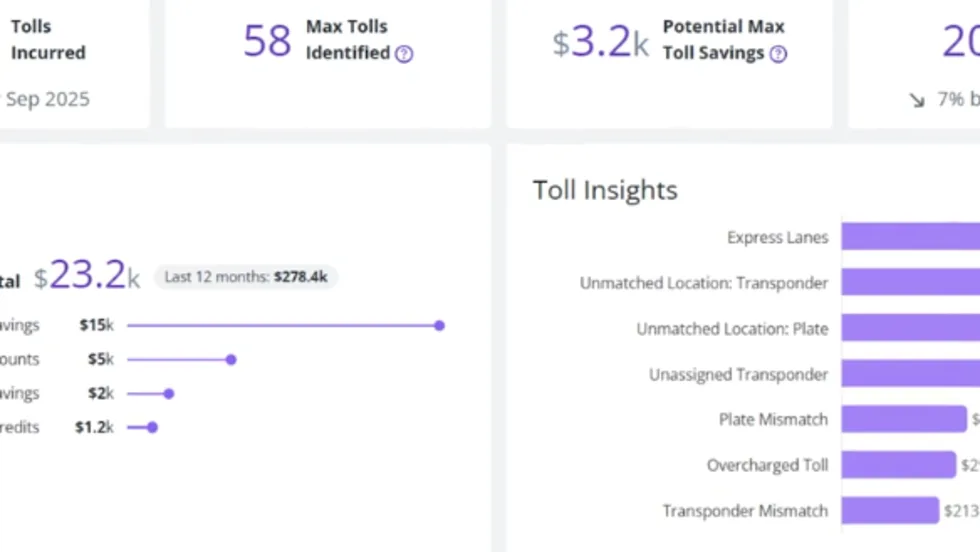
PrePass Intelligence Mines Fleet Bypass, Toll and Safety Data
PrePass Intelligence helps fleets measure bypass savings, flag potential toll overcharges, and spot suspicious transactions by combining data from separate systems.
Read More →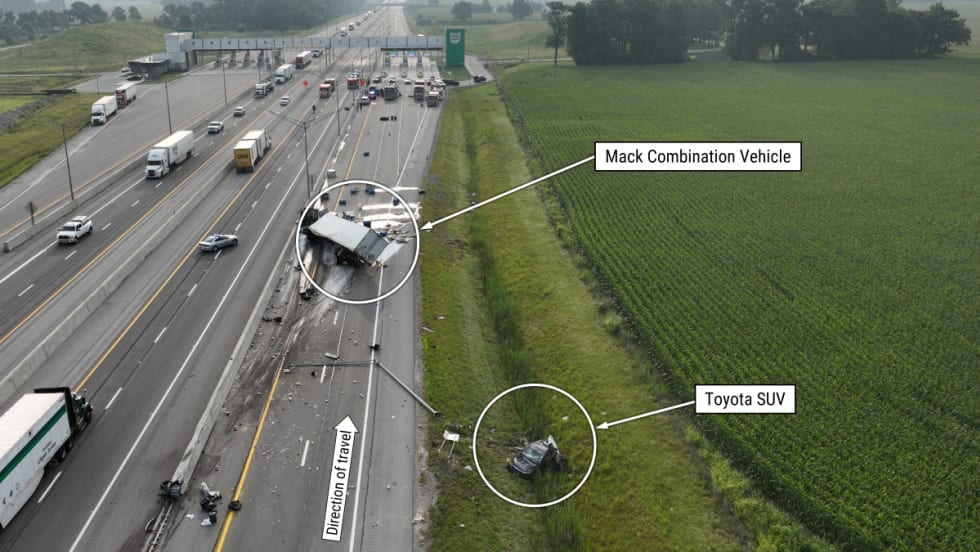
Fatal Crash Exposes Toll Plaza Risks
An NTSB investigation found that last-minute lane changes and large speed differences at an Ohio toll plaza created a hazard the truck driver couldn't avoid in time.
Read More →

When Language Stops the Truck: The Return of ELP Out-of-Service Orders
English language proficiency rules for commercial drivers aren’t new, but renewed out-of-service enforcement has raised the stakes. Here’s what carriers need to know before a driver reaches a roadside inspection.
Read More →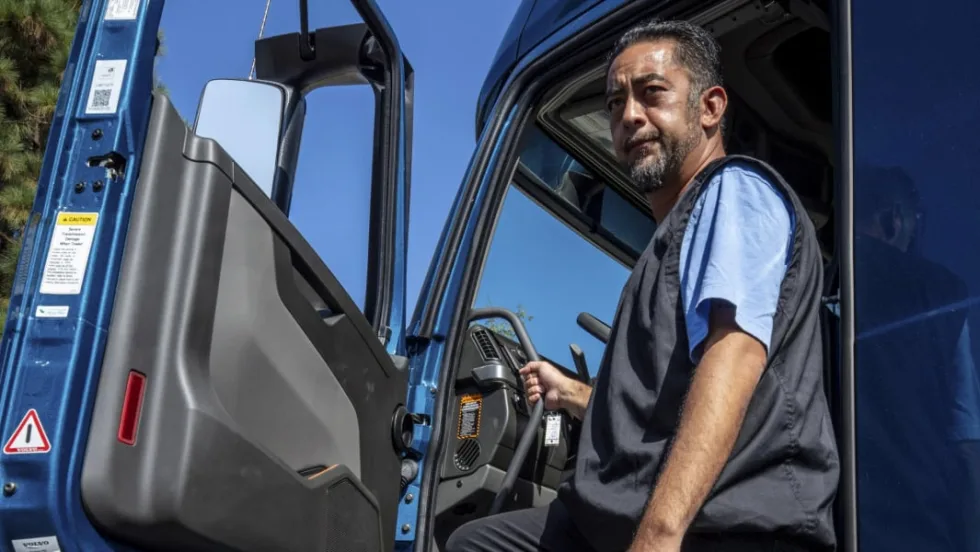
Sponsored•October 6, 2026
A Camera Isn't a Safety Program. Here's What Brokers Are Screening for Now
Footage alone may not be enough to pass broker vetting processes. Here's what counts as a defensible safety program now.
Read More →
Marijuana and Trucking’s Drug-Testing Dilemma
Marijuana is getting stronger, laws are changing, and drug tests still can’t reliably establish impairment. What does that mean for truck drivers and the fleets that employ them?
Read More →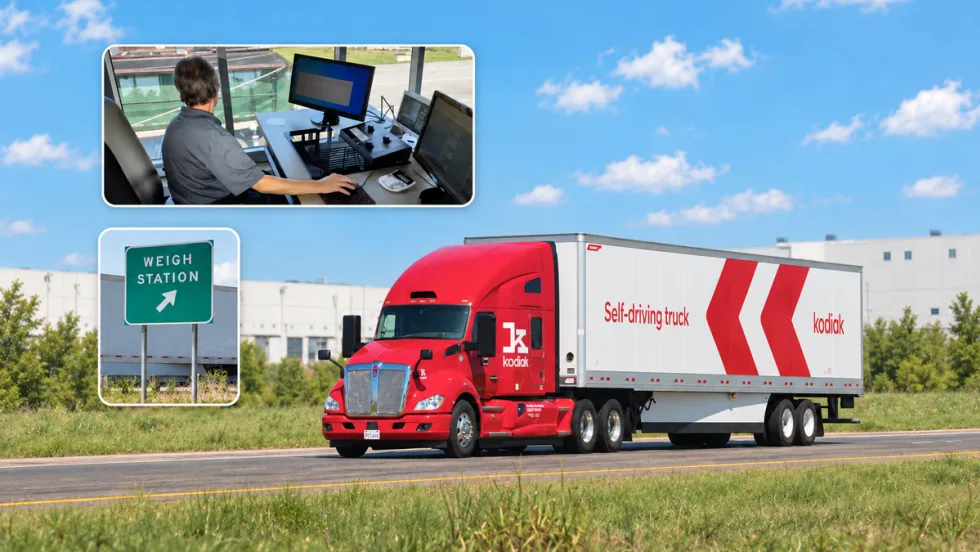
PrePass, Kodiak Connect Driverless Trucks to Roadside Enforcement
The system will allow enforcement agencies to verify Enhanced Inspection information and decide whether Kodiak’s autonomous trucks can bypass roadside screening sites.
Read More →
From One Generation to the Next: How Mentorship Builds Safer Truck Drivers
After three decades in trucking, Harold Perry shares what he's learned about driver safety, mentorship, and helping the next generation build confidence behind the wheel.
Read More →
FMCSA Pauses Biennial-Update Enforcement Amid Motus Transition
Carriers whose updates were due on or after June 1 have more time, while FMCSA works to stabilize its new registration system and warns of phishing sites impersonating its new carrier registration system, Motus.
Read More →
ZF Expands Commercial Vehicle Push in North America
ZF is expanding its North American commercial-vehicle presence with new transmission applications, electrification, trailer technology and autonomous-driving systems.
Read More →