




What’s Behind Recent High-Profile Trucking Closures?
Recent closures have prompted headlines touting trucking’s “bloodbath” and “apocalypse.” But anyone who has been in this business for very long at all knows trucking is extremely cyclical.


Recent closures have prompted headlines touting trucking’s “bloodbath” and “apocalypse.” But anyone who has been in this business for very long at all knows trucking is extremely cyclical.
Image by dasithagun from Pixabay
There have been several high-profile, sudden closures of trucking companies this year. New England Motor Freight, a large regional less-than-truckload carrier, filed for bankruptcy in February. In April, Ohio-based Falcon Transport suddenly shuttered operations and left drivers, equipment, and freight stranded. Last month, Minnesota-based regional LTL carrier LME Inc. closed all of its 30 facilities without warning or notice to employees, leaving some without paychecks. About the same time, California-based ag hauler Timmerman Starlite Trucking closed its doors.
The closures have prompted headlines in the media touting trucking’s “bloodbath” and “apocalypse.”
But anyone who has been in this business for very long at all knows trucking is extremely cyclical. Last year was one of the best years for the industry in recent memory. Fleets couldn’t keep up with the flood of business, causing a capacity crunch, which meant rates went up, along with driver pay and truck orders, as carriers worked to expand to take advantage of the good times. In fact, by January there was still an eight-month backlog of Class 8 truck orders.
As the booming economy has slowed this year, freight has softened. Consumer spending and manufacturing dropped, meaning less freight to haul. Winter storms and flooding didn’t help matters. A more equal capacity-to-demand ratio has meant shippers are pushing back on some higher rates. Driver wages are higher, as are insurance costs.
Some carriers may have gotten overextended buying new equipment, opening new facilities, and hiring more drivers. The slowdown in freight, softer rates, and higher costs for everything from fuel to insurance, has no doubt hit some of them hard this year.
“Many costs are headed up; substantial rate increases for insurance have been noted in some of the closures,” said Richard Bren, vice president of insurance at PFA Transportation Insurance & Surety Services in Phoenix, Arizona, and a self-described “risk, safety, and insurance geek.” “Finding an insurance company to accept the risk can be a challenge, and then having the ability to cover those costs is the next hurdle. All aspects of insurance (vehicle, work comp, health care) can be increasing significantly. Compliance costs with federal and state agencies is not easy or inexpensive. Can the increased costs be anticipated soon enough and then passed along adequately to prevent the profit erosion from becoming a financial implosion?”
Two industry analysts we spoke to, however, while acknowledging the environment is more challenging, believe this year’s high-profile closures have more to do with company-specific issues than overall market weakness.
“While we have seen an increase in trucking bankruptcies and liquidations over the past year related to high insurance and fuel costs, as well as slower freight flows and lower spot rates, overall, truck industry P&L remains on high ground, and overall, contract rates are positive,” said Jeff Kauffman, a transportation analyst with transportation consulting firm Tahoe Ventures.
New England Motor Freight was seen to have too much low-yielding Amazon business with an inflexible cost structure, Kauffman said. Company officials told Business Insider that high labor costs, excessive regulation, significant toll increases, and the high cost of insurance were to blame for its bankruptcy.
Falcon was owned by private equity who pulled the plug, Kauffman said. In addition, published reports indicate that Falcon’s largest customer closed several operations – widely believed to be General Motors.
At LME, the closure appears to be the result of legal costs relating to charges that it shut down as a financially trouble union company and reopened under another name as a non-union carrier.
Starlite’s problems were largely related to California-specific issues, Kauffman said. Published reports indicated costs for labor and equipment and stagnant hauling rates, on top of increased costs from state and federal regulations, were to blame.
Similarly, Avery Vise, vice president of trucking research at FTR Associates, said, “We would caution against generalizing what’s happened at individual operations into a market-wide trend.”
FTR is researching whether the market has seen an usually large numbers of carriers recently losing their authority. “However, even if this is happening, other indicators do not suggest it is affecting overall capacity,” Vise told HDT. “After a pause in February and March, payroll employment in truck transportation is still rising, albeit at a slower rate except for preliminary June figures.”
That’s not to say that many carriers aren’t finding 2019 to be a challenging year. Current estimates project that second-quarter gross domestic product growth, a key indicator of the economy, will be around 2%, down from 3.1% in the first quarter. It’s taken hits from factors such as tariffs and lower manufacturing levels, but recent strong retail sales numbers are encouraging.
And in trucking, we may finally see the productivity hit of the electronic logging device mandate take hold, Vise said.
“Now that we are past last year's hot market, we could see some delayed consequences of the electronic logging device mandate,” Vise noted. “Operations that had not adopted electronic logs before the mandate and had not strictly complied with the regulations could be under some stress now. This wasn’t as big of an issue when carriers were seeing record spot rates in 2018, but in today’s environment, things could be tougher.”
More Fleet Management

Nomination Deadline Extended for HDT Emerging Leaders
Just a few more days to nominate accomplished trucking fleet professionals under 40 who are making an impact and helping lead the industry forward for the HDT Emerging Leaders award. Deadline extended to October 20!
Read More →
What Will ATA’s New Leader Bring to Trucking's Table?
Incoming President and CEO Mark Colson’s record in Alabama offers clues about his priorities and approach following Chris Spear’s abrupt departure as the head of the American Trucking Associations.
Read More →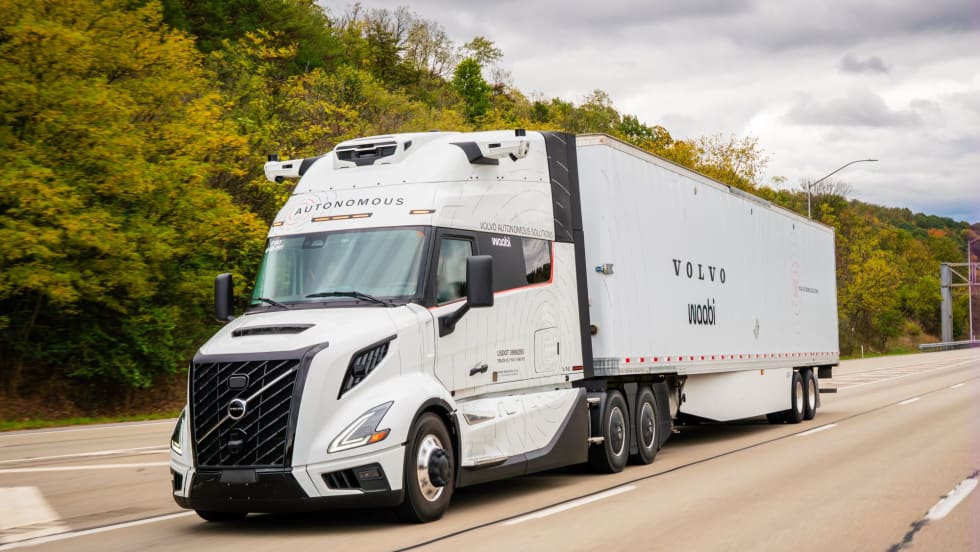
Volvo, Waabi Start Commercial Autonomous Operations in Texas
Volvo VNL Autonomous trucks, powered by the Waabi Driver, are hauling freight directly to third-party facilities for a customer in Texas.
Read More →
Samsara Launches Custom AI Agent Builder
Agent Studio lets fleets create AI tools for hours-of-service monitoring, reporting and driver support, including agents that communicate by phone.
Read More →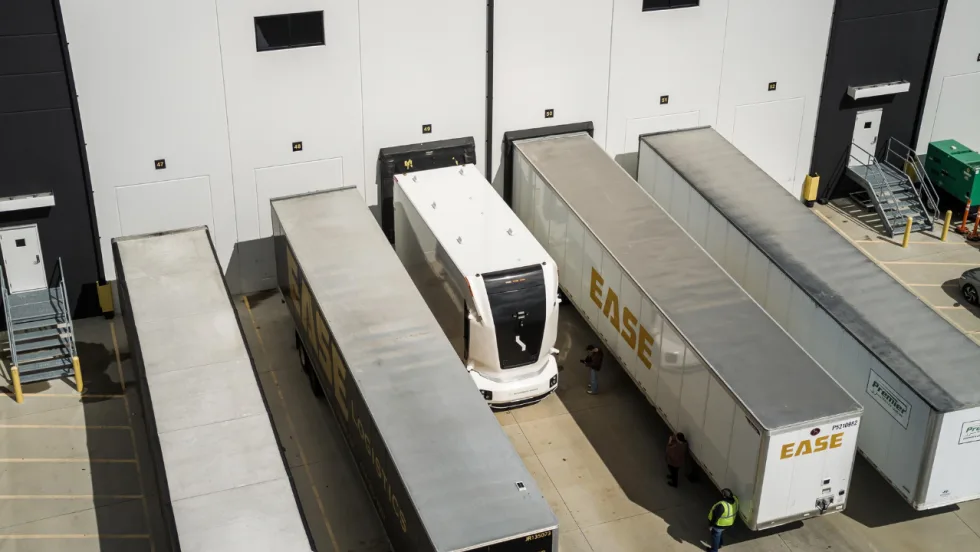
Einride Driverless Electric Trucks Begin Daily Freight Operations in Ohio
Two cabless electric trucks are hauling freight between EASE Logistics facilities in Marysville, Ohio, as part of a multi-state truck automation project.
Read More →
Geotab Links Fleet Card to Vehicle Data
The new card combines fuel discounts with telematics-based purchase controls. Geotab’s analysis also points to potential savings from choosing lower-priced fuel stops.
Read More →
How MFA Helps Protect Trucking Fleets
Multi-factor authentication adds protection when passwords are stolen. Here’s how it works and where fleets should start.
Read More →
How Better Freight Data Helps Trucking Teams Get Ahead of Disruption
Trucking and logistics teams have plenty of data. The problem is getting the right information in front of the right people soon enough to act. Better-connected data can help teams spot trouble earlier and make smarter decisions before small problems become big ones.
Read More →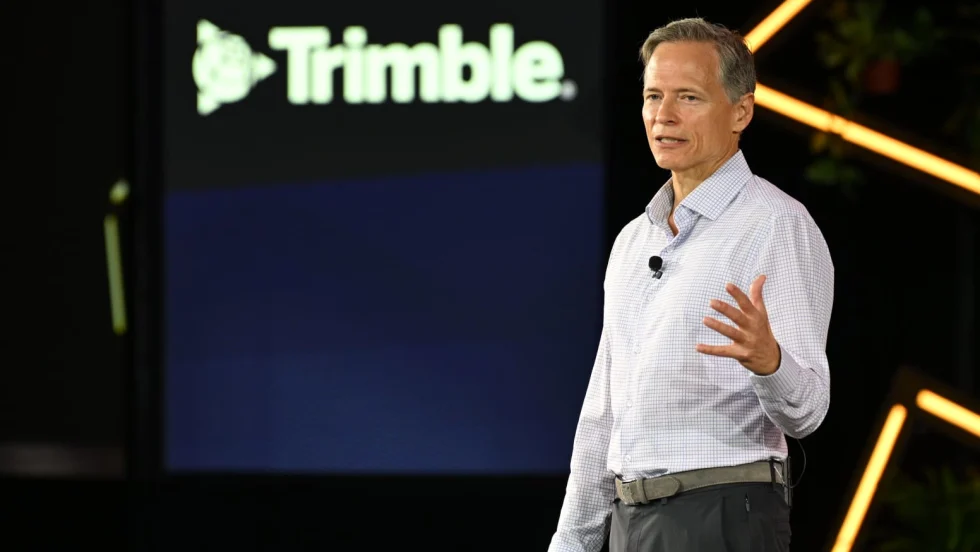
Trimble: Taking Artificial Intelligence in Trucking Beyond Faster Tasks
At Insight 2026, Trimble executives argued that fleets may need to redesign workflows to get more from AI as it introduced new products and enhancements. AI’s value will depend on how fleets combine automation with their people's knowledge.
Read More →
Build a bulletproof fleet: Uniting ELDs and dash cams for total compliance
An ELD can prove compliance, but it cannot always prove what happened on the road. Discover how uniting accurate ELD data with AI-powered dash cam video can help your fleet strengthen compliance, defend against liability, protect drivers and reduce operational costs.
Read More →