





Related: Augmented Reality Could Help Technicians Learn, Diagnose, Repair
Augmented Reality Technician Training Available for Mobile Devices
You now can get augmented-reality training for your technicians to use on mobile devices instead of springing for a pricey AR headset.
March 19, 2019

Matt Johnson, division head of commercial solutions, demonstrates the company’s augmented reality smartphone technology for technician training.
Photo by Jack Roberts
2 min to read
You now can get augmented-reality training for your technicians to use on mobile devices instead of springing for a pricey AR headset.
Design Interactive, which offers augmented and virtual reality (AR/VR) training solutions for fleet maintenance personnel, vendors and OEMs, announced that its Augmentor AR training solution is now available on Android and iOS mobile devices.
“This industry is struggling with attracting technicians, and we feel augmented reality can help,” said Matt Johnston, division head of commercial solutions for Design Interactive, in a press conference at the Technology & Maintenance Council annual meeting in Atlanta March 18. “Now, we are migrating augmented reality to devices every technician already has – their smartphones.”
The move to mobile means fleets can deploy Augmentor’s training solutions more quickly and effectively to technicians, the company said.
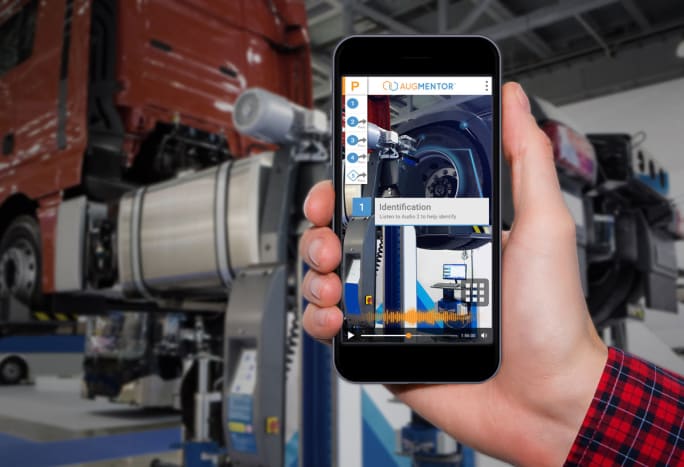
Augmentor AR technician training is now available via smartphone.
Photo: Design Interactive
“Now, content like procedures and troubleshooting methods can be accessed from mobile phones across individual shops and multiple maintenance locations,” Johnston added. “With this mobile application, fleets can use our augmented reality and video- and computer-based technologies to train technicians for a lower cost.”
The new mobile applications for Augmentor include an augmented reality mode that lets technicians visualize procedure steps where they are conducted. For example, if a vehicle requires an inspection of its tires or brakes, the step is placed near or on that component or system. Users can also see 3D virtual representations of parts for reference during inspection or repairs. The mobile app also includes videos, audio messages and text instruction.
More Maintenance
Shell Prepares Rotella Oils for 2027
New CL-4 and FB-4 formulations will begin arriving in early 2027, with improved protection against oil breakdown, wear and deposits, according to Shell.
Read More →
Mack Expands Extended Coverage With Four Chassis System Plans
Mack Trucks' new system-specific coverage options allow heavy-duty fleets to select protection for driveline, cab, HVAC, electronics, and advanced safety components.
Read More →
What an Out-of-Service Order Really Costs, and How to Plan for One
The repair invoice is the first number you see — and often one of the smallest. Here’s what else an out-of-service order can cost a fleet, and how planning can reduce the damage.
Read More →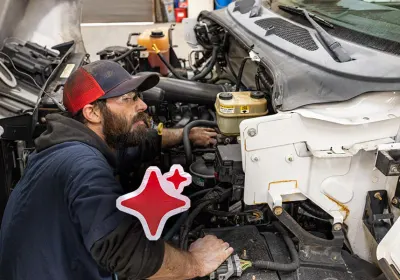

International Launches Online Truck Parts Store
Fleetrite.com lets fleets and repair shops find OEM and all-makes parts, check prices and availability, and order without calling a parts counter.
Read More →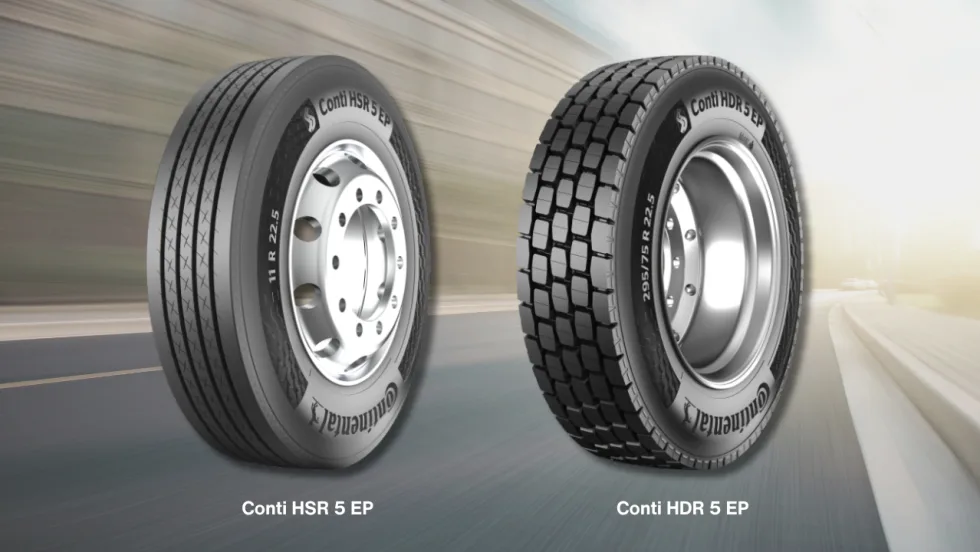
Continental Introduces New Regional Truck Tires
Continental says its new Generation 5 steer and drive tires for regional operations offer longer tread life, with estimated mileage gains of 22% and 19%, respectively.
Read More →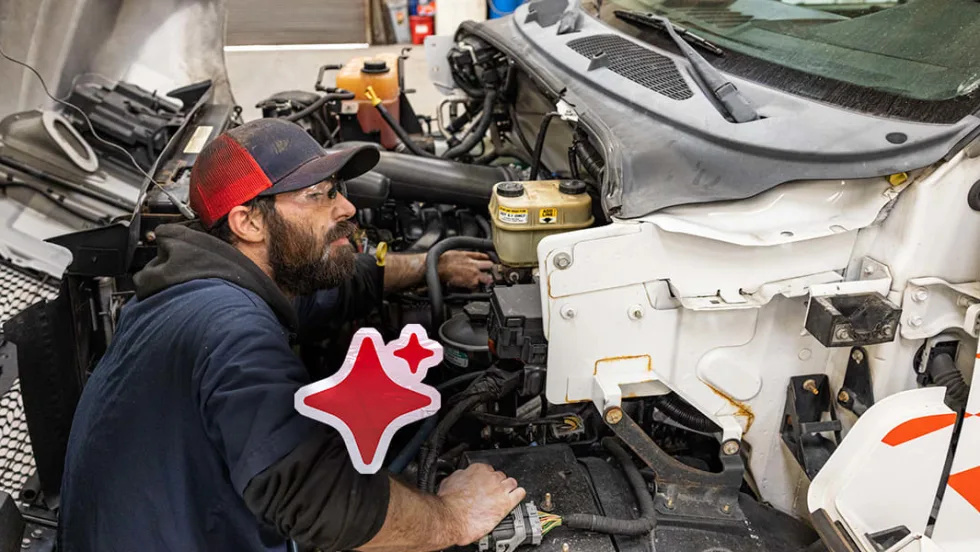
Sponsored•October 1, 2026
How AI Can Help Your Techs’ Efficiency
The technician shortage isn't going away, and no single fix can close the gap on its own. Trent Broberg makes the case that AI's real job in the shop is protecting the billable hours and job satisfaction of the techs you already have, not asking them to work faster.
Read More →
Wrong Repair Prompts Recall of Freightliner, Western Star 4x2 Trucks
DTNA is recalling more than 2,400 trucks that received an incompatible software fix instead of the hardware repair required to address brake valve corrosion.
Read More →
Truck Drivers Need More Than Another Alert
Fleets have more visibility into truck health, safety events, and driver activity than ever. The next challenge is turning all that information into useful guidance for the person who has to decide what to do next.
Read More →
The Maintenance Checks Trucking Fleets Should Prioritize Before Fall Freight Picks Up
Making it through August isn’t the same as being ready for the next several months of operation. Find out what systems may have suffered from summer heat and need to be checked out before fall.
Read More →
What Three Fleets Are Doing Differently When Buying Truck Parts in 2026
With freight improving but costs still climbing, fleet maintenance executives explain how they're balancing price, quality, and supplier relationships.
Read More →