




Industry Group Defines First Blockchain Standards
The Blockchain in Transport Alliance (BiTA) Standards Council Board has approved its first official standard as it seeks to establish industry-wide framework for the emerging, Internet-based, logistics tracking technology.


The Blockchain in Transport Alliance (BiTA) Standards Council Board has approved its first official standard as it seeks to establish industry-wide framework for the emerging, Internet-based, logistics tracking technology.
Photo: IStock
Blockchain logistics technology has taken a major step toward widespread deployment. The Blockchain in Transport Alliance (BiTA) Standards Council Board announced it has approved its first official standard and first official framework as part of the organization’s mission to provide a single answer to the question, “Where is my shipment?”
BiTA Working Groups were established in August 2018. Over the past six months, through the collaborative efforts of members spanning logistics, supply chain and technology companies from around the globe and across all transportation modes, BiTA says it has accomplished a major feat in its quest to create a data standard for the movement of goods. Following a submission at the end of January, a 30-day review period by the Data Formats Technical Committee commenced; the documents were scrutinized and then submitted to the Standards Council for their ratification and publication.
The result is BiTA Standard 120-2019 Location Component Specification — the organization’s first data format specification. The Tracking Data Framework Profile is the first foundation document of the council, providing a roadmap for future data component development.
Up until now, BiTA says, there has been no consensus on the framework over which associated Blockchain applications could be built. The absence of data standards creates confusion, the group says, and contributes to the rise of proprietary blockchain networks.
Instead, BiTA says it is working to create a common framework for the global supply chain and transportation industries. It is delicate work, the organization admits, since different companies have different perspectives on what tracking and visibility entail using Blockchain.
Ben Kothari, Chief Solutions Architect at Ampliflex and Chair of the BiTA Tracking Document Data Component Working Group, commenting on the challenges associated with standards development, said, "Defining terms within the standards was a problem we had to solve - some things were quite obvious like defining location tracking, but some others, for example, defining the concept of a shipment, would be a bit more difficult. All these divergent views on definitions also posed a challenge while building standards. Since we are just starting out, and there are not many legacy standards to work with, the scope of these tasks also became an issue."
“The BiTA Standards Council is focused on creating open source and royalty-free standards with a focus and emphasis on data formats and interoperability,” said Patrick Duffy, the director of engagement at BiTA. “While we are working with sometimes competitive organizations that run parallel with each other, together BiTA will create a common language or vernacular for global supply chain businesses – driving efficiencies by eliminating red-tape and increasing machine-to-machine processes.”
Pratik Soni added, "This achievement is largely due to the hard work, motivation, and commitment of the BiTA team members. We have individuals from both small and large enterprises collaborating and working together to achieve something phenomenal. The Working Groups agreed to weekly hour-long meetings and hit key deliverables in addition to managing the deliverables for their day jobs. This dedication helped us reduce the typical timeline for standards publication."
The past few weeks have seen an acceleration in production from BiTA and its Standards Council, the organization noted in a press release. At the February 27th meeting of its Board of Directors, BiTA also elected its first Standards Council Chair, Dale Chrystie of FedEx, who in conjunction with BiTA members, will seek to drive faster and more comprehensive publication of data standards throughout 2019.
More Fuel Smarts

How GP Transco Builds Fuel Savings a Fraction at a Time
Aerodynamic specs, solar panels, and driver incentives help GP Transco turn small efficiency gains into savings it can reinvest in its people.
Read More →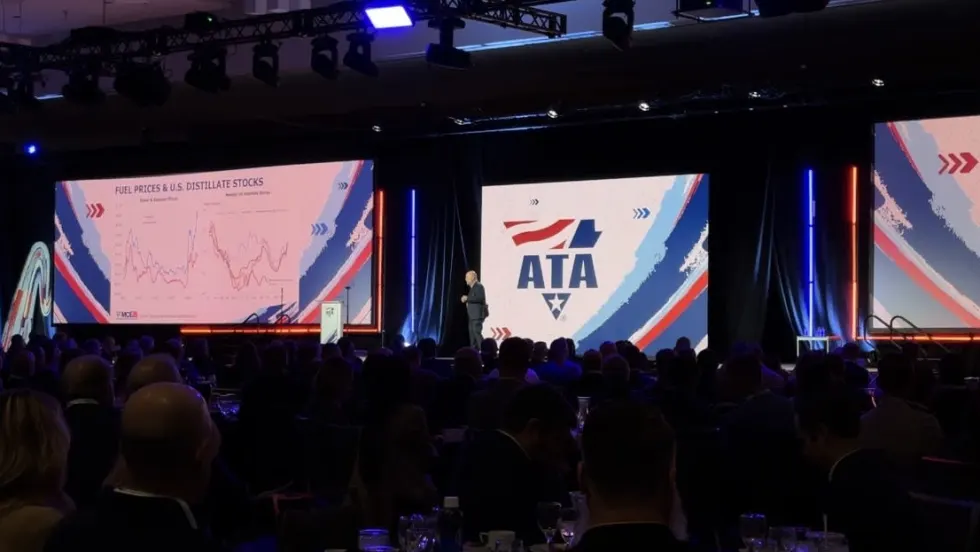
Trucking’s Diesel Squeeze Isn’t Letting Up
With diesel topping $6 a gallon nationally, ATA's Bob Costello explains why fleets should prepare for continued pressure at the pump.
Read More →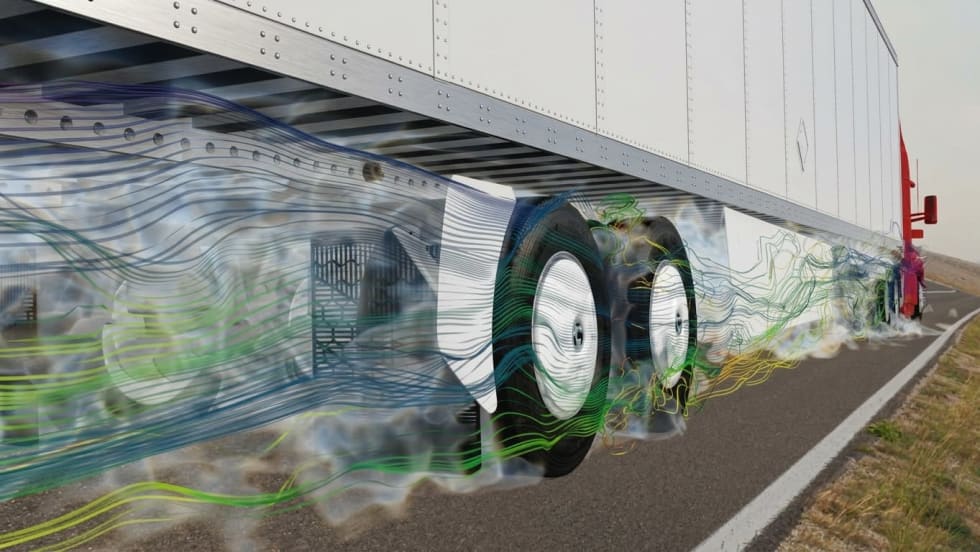
FlowBelow Redesigns Trailer AeroSlider to Cut Fuel Use
The lighter trailer aerodynamic system installs in less than 45 minutes, according to the company, with potential payback in under a year depending on fuel prices and trailer mileage.
Read More →
Why Diesel Price Relief Efforts May Fall Short
Diesel prices have eased from September’s record high, but doubts about additional Russian supply and limits on dyed-diesel tax relief mean trucking fleets still face expensive fuel. And prices could go higher.
Read More →
Why Small Fuel Savings Matter in Trucking
Can better fuel economy help pay for driver raises? In this podcast, GP Transco explains how small efficiency gains create room to reinvest in its people.
Read More →
How GP Transco Cuts Trucking Fuel Costs, a Tenth of a Gallon at a Time
What’s another tenth of a mile per gallon worth? GP Transco shares how equipment upgrades and driver coaching turn small gains into meaningful fuel savings.
Read More →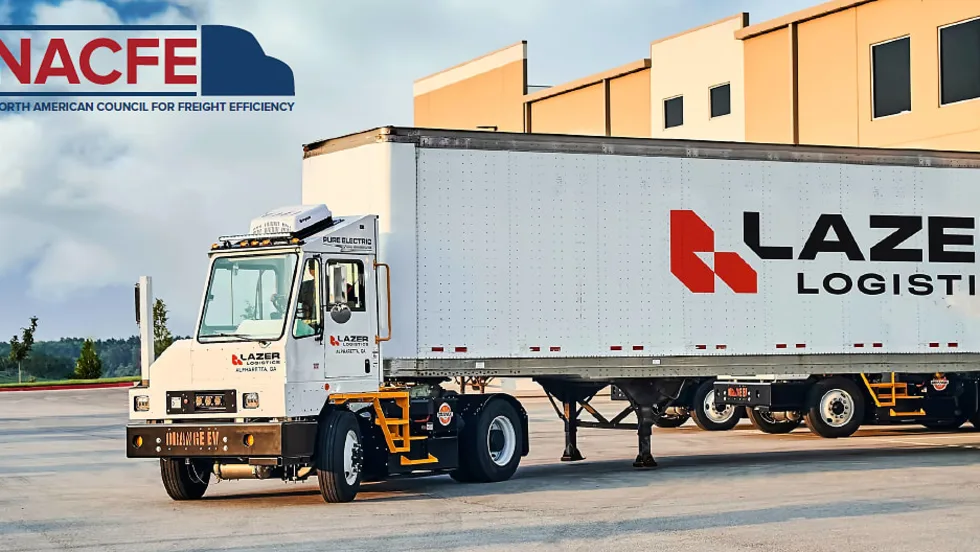
Electric Yard Tractors Move Beyond Pilots
Operating-cost savings have overtaken sustainability goals as the leading reason surveyed fleets are adopting battery-electric terminal tractors, according to new NACFE research.
Read More →
Geotab Links Fleet Card to Vehicle Data
The new card combines fuel discounts with telematics-based purchase controls. Geotab’s analysis also points to potential savings from choosing lower-priced fuel stops.
Read More →
Fleet Economics Shape Electric Truck Outlook
ACT Research expects costs, charging infrastructure, and technology improvements to drive zero-emission commercial vehicle adoption as federal regulations and incentives retreat.
Read More →
Wex Adds Cardless Fuel Payments for Over-the-Road Customers
A new fuel card feature for Wex customers offers convenience and security.
Read More →