




FedEx Expanding Electric Delivery Fleet with 1,000 Chanje Electric Vans
FedEx Corp. is expanding its fleet to add 1,000 Chanje V8100 electric delivery vehicles, buying 100 from Chanje Energy and leasing 900 from Ryder System.
November 26, 2018

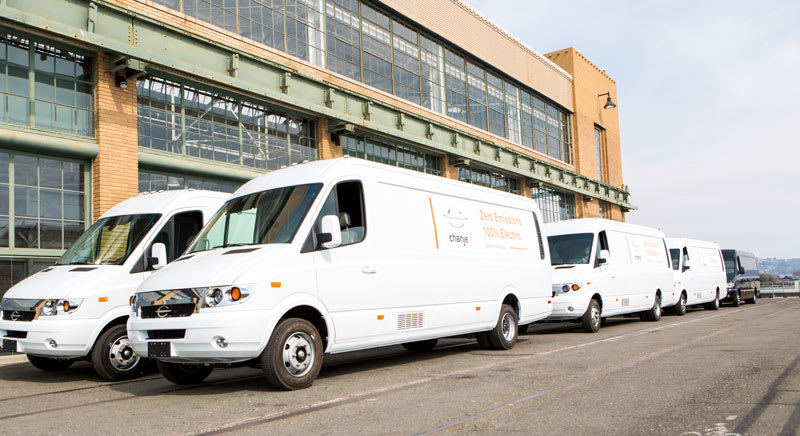
FedEx will deploy 1,000 Chanje electric delivery vans in California over the next two years.
Photo courtesy FedEx
2 min to read
FedEx Corp. is expanding its fleet to add 1,000 Chanje V8100 electric delivery vehicles, buying 100 from Chanje Energy and leasing 900 from Ryder System.
The purpose-built electric vehicles will be operated by FedEx Express for commercial and residential pick-up and delivery services in California.
The vehicles are manufactured by FDG in Hangzhou, China, and purchased through Chanje Energy Inc., the company’s subsidiary for global business. Ryder System, which will provide support services for all of the vehicles, called it the largest commercial electric vehicle purchase in the United States.
The EVs can travel more than 150 miles when fully charged and have the potential to help FedEx save 2,000 gallons of fuel and cut 20 tons of emissions per vehicle each year. The maximum cargo capacity is around 6,000 pounds.
FedEx has been using all-electric vehicles as part of its pickup-and-delivery fleet since 2009. “We believe that wider adoption of alternative-fuel, electric and hybrid electric vehicles will play a key role in reducing global emissions, while diversifying and expanding renewable energy solutions,” the company said in its announcement.
The fleet is expected to be deployed throughout California over the next two years.
“We continue to see broadening interest in EVs from businesses of various sizes and industries looking to outsource – especially in the final mile delivery space where a smaller, more environmentally-friendly vehicle is required,” said Dennis Cooke, president - Global Fleet Management Solutions for Ryder.
FedEx will have access to Ryder’s network of 800 facilities across North America to support its Chanje electric vehicle fleet. Ryder is the exclusive sales channel, service, and warranty partner for Chanje and its medium-duty EVs.
More Fuel Smarts
Why Small Fuel Savings Matter in Trucking
Can better fuel economy help pay for driver raises? In this podcast, GP Transco explains how small efficiency gains create room to reinvest in its people.
Read More →
How GP Transco Cuts Trucking Fuel Costs, a Tenth of a Gallon at a Time
What’s another tenth of a mile per gallon worth? GP Transco shares how equipment upgrades and driver coaching turn small gains into meaningful fuel savings.
Read More →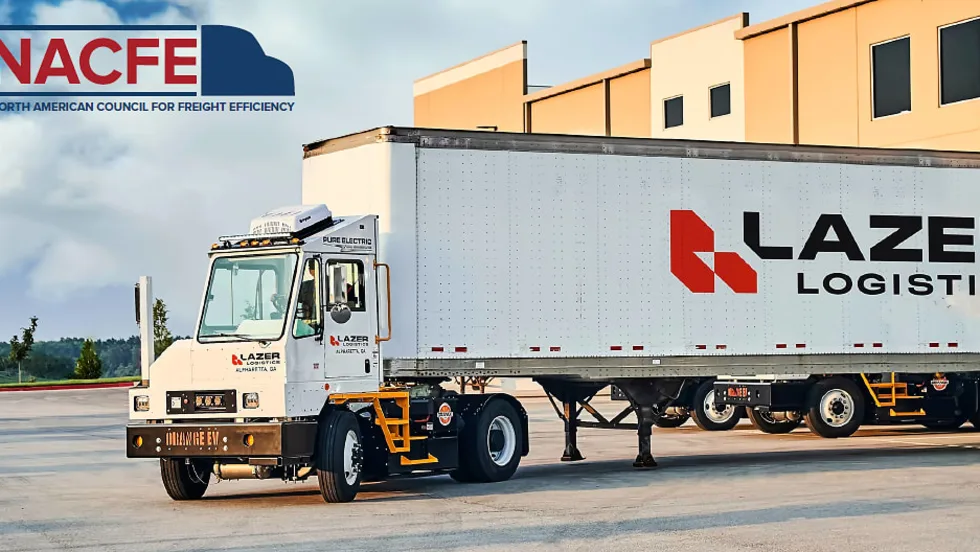
Electric Yard Tractors Move Beyond Pilots
Operating-cost savings have overtaken sustainability goals as the leading reason surveyed fleets are adopting battery-electric terminal tractors, according to new NACFE research.
Read More →
Geotab Links Fleet Card to Vehicle Data
The new card combines fuel discounts with telematics-based purchase controls. Geotab’s analysis also points to potential savings from choosing lower-priced fuel stops.
Read More →
Fleet Economics Shape Electric Truck Outlook
ACT Research expects costs, charging infrastructure, and technology improvements to drive zero-emission commercial vehicle adoption as federal regulations and incentives retreat.
Read More →
Wex Adds Cardless Fuel Payments for Over-the-Road Customers
A new fuel card feature for Wex customers offers convenience and security.
Read More →
New California Law Could Shed Light on Electric Truck Prices
Why do battery-electric Class 8 trucks remain so expensive? A California bill signed by Gov. Gavin Newsom would give fleets and state agencies more visibility into what manufacturers charge.
Read More →
How Volvo Updated Its D13 for EPA 2027 [Watch]
Volvo’s updated D13 promises lower emissions without sacrificing performance or fuel economy. Take a closer look at what changed inside the engine in this HDT Spotlight video.
Read More →
Diesel Price Spike Shortens Payback for Natural Gas Trucks, Report Says
Energy Vision estimates fleets could recover the higher purchase price of an RNG-fueled Class 8 tractor in 1.3 to 2.8 years under current fuel-price scenarios.
Read More →
Calstart Becomes Catalyst Mobility, Reflecting Broader Focus
Calstart is now Catalyst Mobility, reflecting the nonprofit’s growing national role in clean transportation, including zero-emission trucks, infrastructure and incentive programs.
Read More →