




Related: Cameras in the Cab
Knight Keeps Drivers Covered With SmartDrive’s Video-Safety Program
After a successful pilot program, Knight Transportation has decided to install the SmartDrive event recorder system in its entire fleet to protect its drivers and coach them on improved driving habits.

Steven Martinez・Web Editor
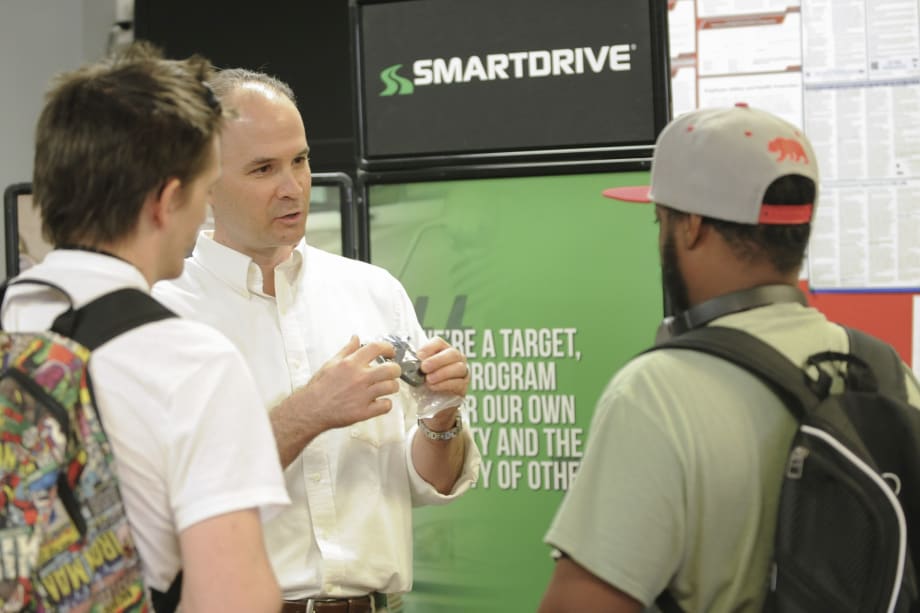
SmartDrive representatives at Knight's service center answered any questions that drivers had about the video monitoring system.
5 min to read
Photos: Knight Transportation
After a successful pilot program at its Kansas City facility, Knight Transportation has decided to install the SmartDrive event-recorder system in all of its trucks to protect its drivers and help instruct them on how to drive more safely.
SmartDrive’s video-based safety program is designed to keep an eye on the road, allowing fleets and their drivers to see objectively what is happening on the highway.
Truck drivers are often put in situations that require them to avoid other motorists with bad habits. In that way, SmartDrive’s video camera can serve as an objective witness. To fully reap the benefits, Knight first had to ensure its drivers were supportive and understood the reasons for implementing the system.
Knight had researched video-based systems like SmartDrive for a while, but was concerned about how drivers would react to having a camera on their truck. Then the carrier discovered something. Many drivers had already purchased their own cameras. Drivers who were blamed for collisions that were not their fault felt wanted a video witness to back them up.
“We started looking at it years ago but didn’t think drivers were ready,” said Brett Sant, senior vice president of safety and risk management at Knight Transportation. “We decided to take another look because collision litigation is on the rise— for us and the industry as a whole. We also saw that our drivers were buying their own cameras. After surveying our drivers, it was clear that thinking about cameras in the cab had gradually changed.”
Knight has opted for the forward-facing-only version of SmartDrive. The device faces outward to the road, keeping an eye forward at all times. While SmartDrive is capable of connecting multiple cameras with angles in and around the truck, Knight decided not to include a camera that faces into the cab. “While our drivers generally supported the idea of installing forward-facing cameras, an in-cab facing camera is perceived as an invasion of privacy by many drivers,” said Sant. To include one would be unfair to the legitimate concerns of those drivers, he added.
HDT visited Knight’s Phoenix, Ariz. service center in early May to learn more about the program during a Driver Appreciation Week event. Drivers strolled in and out of the facility entering a room with a few rows of couches and a flat screen television. The weather was only beginning to warm up and a steady stream of drivers came in to take a break from the road and relax or grab a bite to eat. Many of the drivers stopped by a tabletop display to sign Knight’s SMART Choice safe-driving pledge.
The TV kept most of the drivers occupied but a few ambled over to a small green booth, where two SmartDrive employees were on hand to answer any questions about the new technology. They had the camera and other components of the SmartDrive system laid out and talked to drivers about how it would be used.
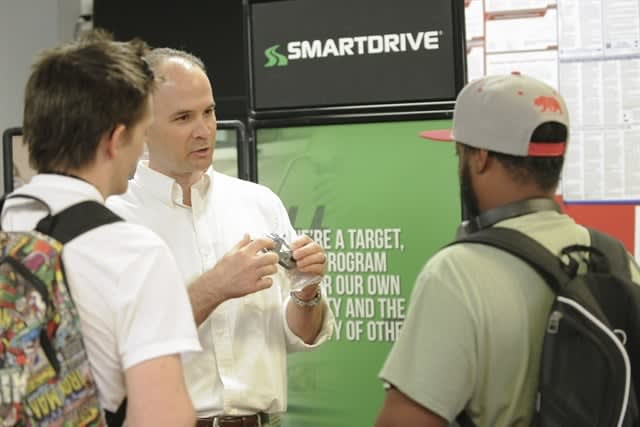
SmartDrive representatives at Knight's service center answered any questions that drivers had about the video monitoring system.
The main SmartDrive unit is a small black cylinder with a camera on one side and a button on the other. It is tied to vehicle telematics and is aware of metrics such as engine speed, acceleration, and braking forces. Coupled with video, the system can present a more complete picture of a driving situation than either video or metrics could alone. The camera doesn’t save everything it sees, but certain situations trigger it to record and capture an event. The driver can also manually trigger the camera by clicking the button on the camera if they see something they want to record.
Knight’s Kansas City pilot program put SmartDrive and a competitor in 85 vehicles to test the effects on driving safety. Knight vehicles are equipped with collision-mitigation systems, which were integrated with the SmartDrive system during the pilot . Drivers were given the device, but were not told specifically what would trigger an event recording.
Driver-performance coaching was already a part of the company’s culture. However, having video clips of drivers making risky maneuvers or following too closely on the highway added a new, unbiased perspective to the coaching sessions. With video, drivers can be coached individually to improve driving habits and avoid certain Behaviors. Some drivers didn’t realize they were in the habit of bad driving until they were shown evidence first-hand, according to Knight.
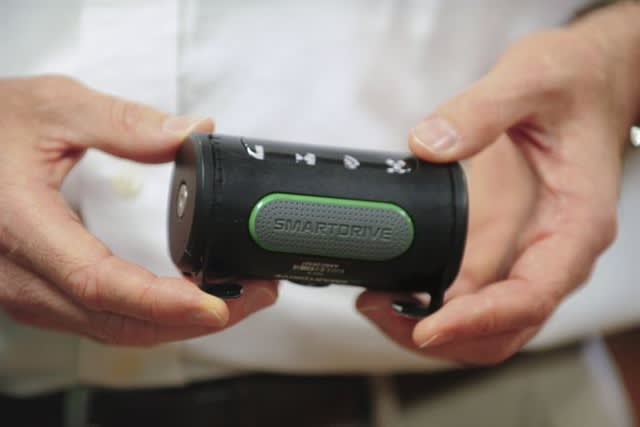
The SmartDrive camera is a small black cylinder with a camera on one side and a button on the other.
They were appreciative of the outside perspective and it helped many drivers recognize and change bad habits. “It helped the drivers become more self-aware,” said Sant. “An unexpected win during the pilot was the time our team saved coaching because SmartDrive focused us on what was actually important versus coaching on everything from our telematics reports.”
After the testing period, the impact of SmartDrive on Knight’s safety performance was clearly evident. According to Knight, it saw an 84% reduction in unsafe driving and claims as a percentage of revenue dropped nearly 50%. In its coaching, Knight was focused on promoting good driving habits with an emphasis on increasing following distance. As a result, the Kansas City fleet saw the lowest claim costs in Knight’s fleet and had no recordable DOT collisions during the six-month pilot.
This convinced Knight to move forward with SmartDrive. It will be installing the device throughout its entire fleet of around 4,700 power units and 5,000 drivers as part of its SMART Choice Driver Safety Program. At the time of our visit, some drivers at the Phoenix facility were in the process of having SmartDrive installed during regularly scheduled maintenance. A few drivers had already been driving with it.

Drivers were asked to sign a safe driving pledge as part of Knight's SMART Choice campaign.
One driver, Tim Hall, had the system in his truck for a few weeks. Hall is veteran driver with 17 years and over 2-million miles of experience driving commercial vehicles of all types and has been a Knight driver for 3 ½ years.
He had seen similar systems prior to his time with Knight and felt that they were a good way to keep drivers aware of their habits, but also a way to exonerate them in any “he said/she said” collisions with other vehicles.
“I think they’re good, it covers anything you want,” said Hall. “It might show a driver’s bad habits or keep us aware and that’s a good thing.”
Then laughing, he added, “And I don’t have money for lawsuits.”
Subscribe to Our Newsletter
More Fleet Management
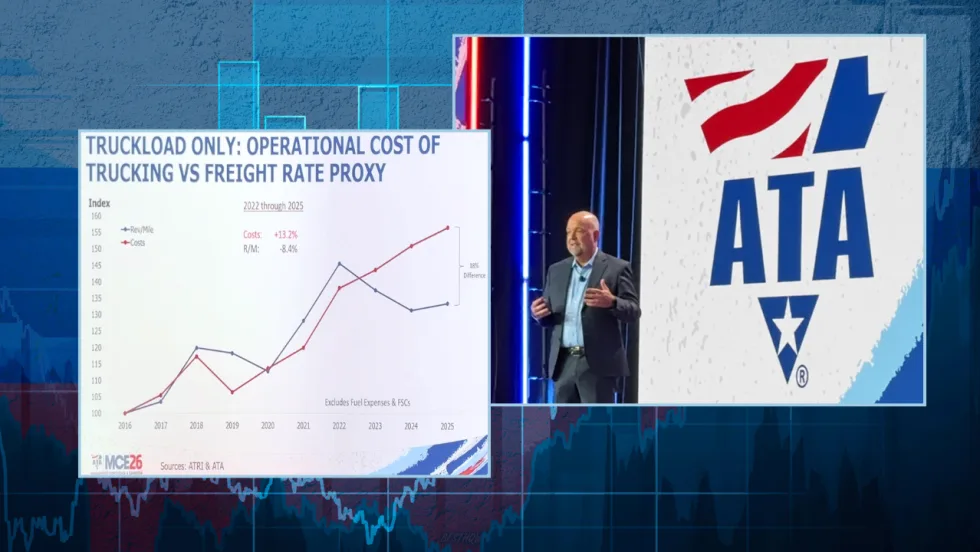
Why This Trucking Recovery Is Different
Freight demand remains sluggish, but rising costs and tougher enforcement have taken enough capacity out of the market to change the outlook for motor carriers.
Read More →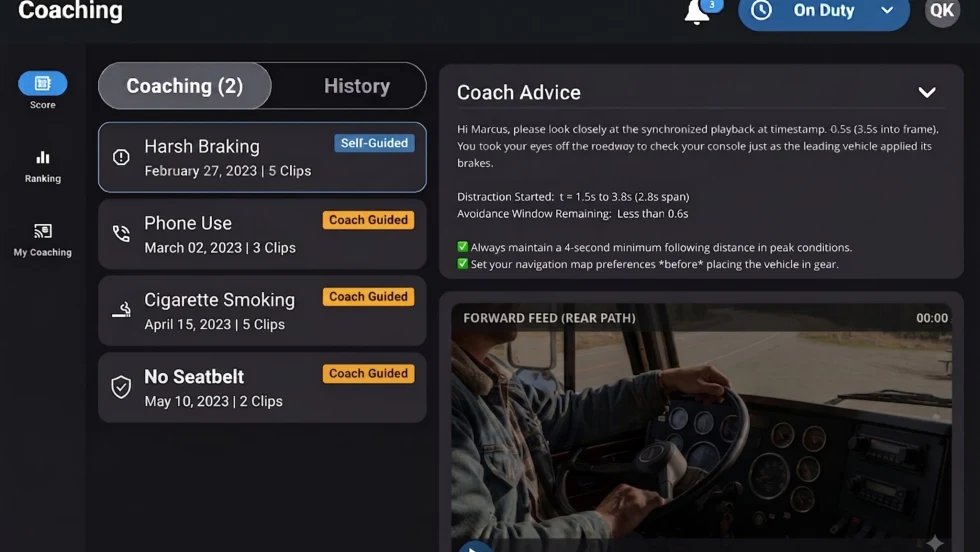
Platform Science Adds Dispatch and Safety Tools
Four additions to PS Fleet help fleets monitor loads, manage driver coaching, share truck locations and adjust video system settings.
Read More →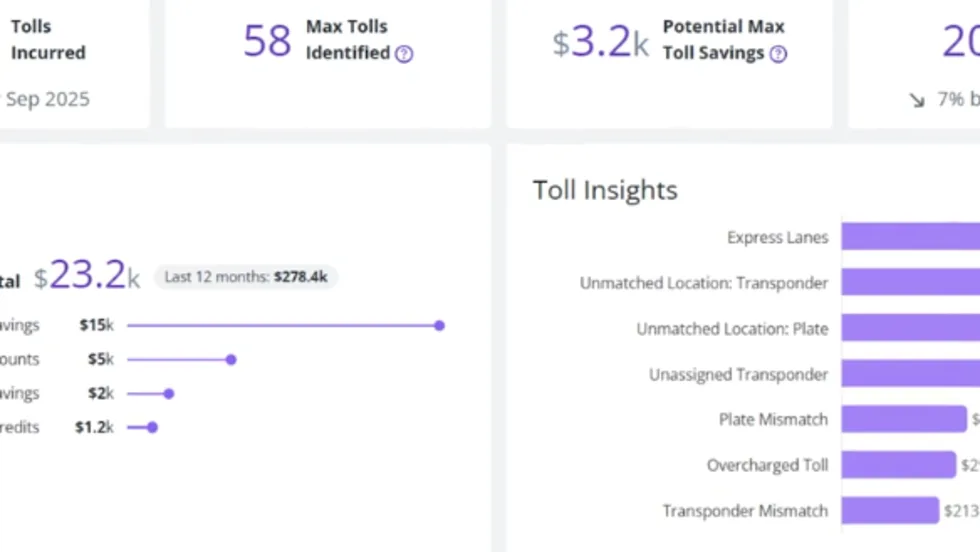
PrePass Intelligence Mines Fleet Bypass, Toll and Safety Data
PrePass Intelligence helps fleets measure bypass savings, flag potential toll overcharges, and spot suspicious transactions by combining data from separate systems.
Read More →
Motive Adds AI Agents for Fleet Operations
New tools automate follow-up on fleet data, from maintenance work orders to driver alerts, with two-way voice conversations planned for later this year.
Read More →
Can You Beat Our Trucking Trivia Challenge?
Test your truck knowledge with 19 trivia questions from Heavy Duty Trucking Exchange. Can you keep up with the fleet pros?
Read More →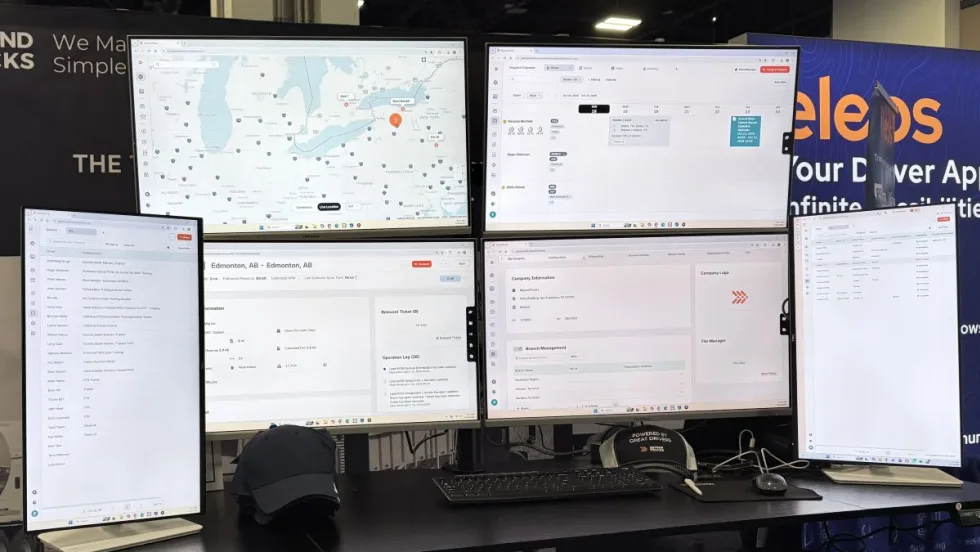
BeyondTrucks Adds Rules Checks to Dispatch
New Compatibility Engine checks driver qualifications, equipment requirements and fleet policies before loads are dispatched.
Read More →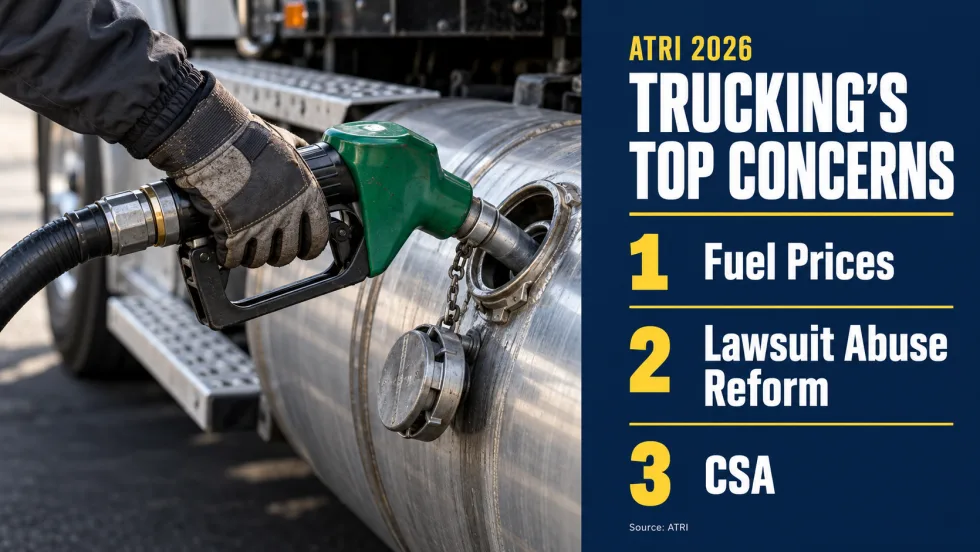
Diesel Prices Hijack Trucking’s Worry List
ATRI’s annual survey finds cautious optimism about freight, but diesel costs, litigation, and insurance continue to squeeze fleets. Drivers have different priorities on several issues.
Read More →
Nomination Deadline Extended for HDT Emerging Leaders
Just a few more days to nominate accomplished trucking fleet professionals under 40 who are making an impact and helping lead the industry forward for the HDT Emerging Leaders award. Deadline extended to October 20!
Read More →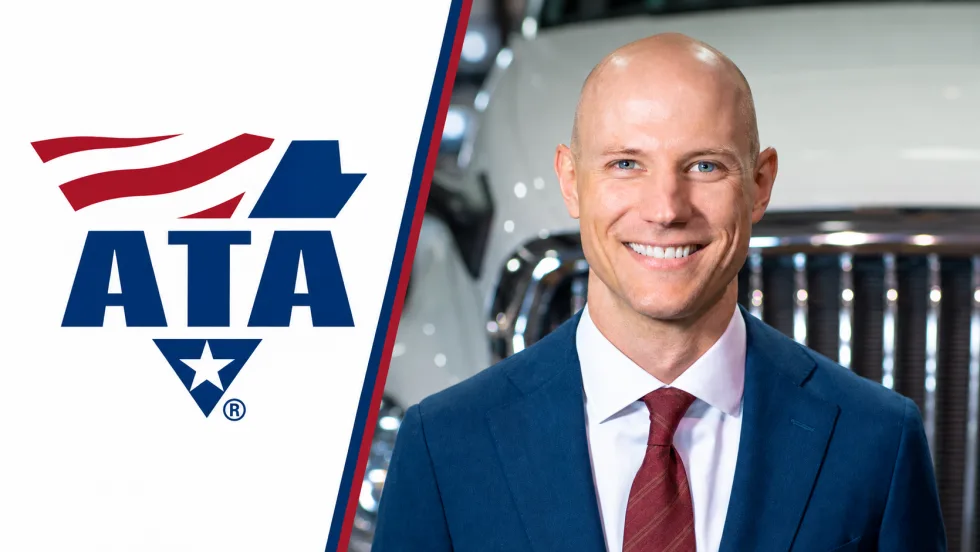
What Will ATA’s New Leader Bring to Trucking's Table?
Incoming President and CEO Mark Colson’s record in Alabama offers clues about his priorities and approach following Chris Spear’s abrupt departure as the head of the American Trucking Associations.
Read More →
Volvo, Waabi Start Commercial Autonomous Operations in Texas
Volvo VNL Autonomous trucks, powered by the Waabi Driver, are hauling freight directly to third-party facilities for a customer in Texas.
Read More →