





A WebXclusive component of our year-long "Driver Dilemma" series. Read more at www.truckinginfo.com/drivers2015
Do Sign-On Bonuses Work?
"In the second half of 2010, we had zero companies offering sign-on bonuses. We've gone from zero to nearly 50 percent of the companies offering some sort of sign-on bonus or transition pay."
May 2, 2015

3 min to read

Half of truckload carriers are now offering sign-on bonuses as a way to attract new drivers, according to the American Trucking Associations' recently released 2014 Driver Compensation Study. The average sign-on bonus was $2,300.
Gordon Klemp with the National Transportation Institute says their pay package data tracking has shown bonuses as high as $15,000 for teams and $4,000 or more for solo drivers.
"In the second half of 2010, we had zero companies offering sign-on bonuses," he says. "We've gone from zero to nearly 50 percent of the companies offering some sort of sign-on bonus or transition pay." (Transition pay involves paying drivers a higher per-mile rate in their first few months when the number of miles run is typically lower as they get accustomed to the company's operations.)
With so many in the industry offering such bonuses, Illinois-based truckload carrier Nussbaum transportation decided to try a sign-on bonus for the first time.
"We've always believed if a driver is going to come here it needs to be because we are what he or she wants, but the environment was tough enough so we decided to try it," explains Jeremy Stickling, director of human resources. "If you have a qualified candidate looking at online ads, and 15 companies look about the same and 12 have sign on bonuses," if you're the one without the bonus, you may be off the list.
However, he says, "we took a no-gimmicks approach. Some [bonus programs] you have to walk on water for a year. We're doing half of it the next week after orientation, and the second paid after 90 days if you are still employed. And it seems to have worked; we've got some good initial burst."
John Elliott, CEO of Load One, a primarily expedited carrier based in the Detroit area, says his company decided to stay out of the sign-on bonus race.
"It got into a sign-on bonus competition," he explains, saying many such sign-on bonuses come with "a million asterisks" and that few drivers actually end up qualifying for the bonus.
"We looked at it and said one, we can't compete, two, we don’t want to compete with this stuff. I think it's insulting to a big part of drivers and goes against our culture. We said, we're going to go against the grain and focus our money and effort on retention. The results have been great for us. I'm fairly confident we have the best retention rate of any major expedite company out there."
However, Gordon Klemp says the view of sign-on bonuses as merely a gimmick may be outdated.
"They almost uniformly pay out in a year or less, and most of them have a significant payout within 90 days." Today's sign-on bonus programs, he says, "are less complicated than the [sign-on] bonuses we had prior to 2006 where there were a lot of qualifiers. All the ones I've looked at in detail have been pretty straightforward."
Subscribe to Our Newsletter
More Drivers
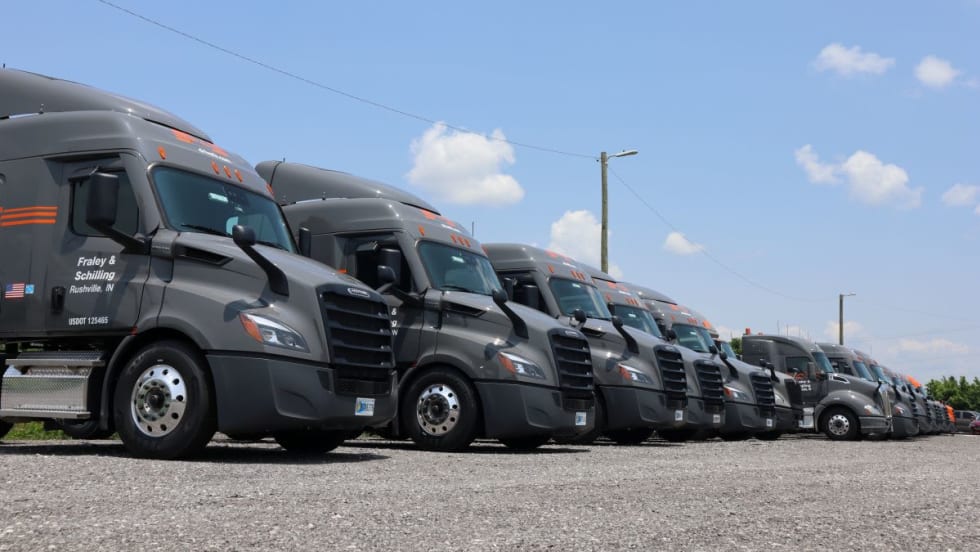
How Fraley & Schilling Improved Logbook Compliance by Over 50%
Fraley & Schilling needed a way to close a compliance workflow gap in its ELD system without adding more work from driver training, reminders, and back-office follow-ups. It found the answer in a custom driver app.
Read More →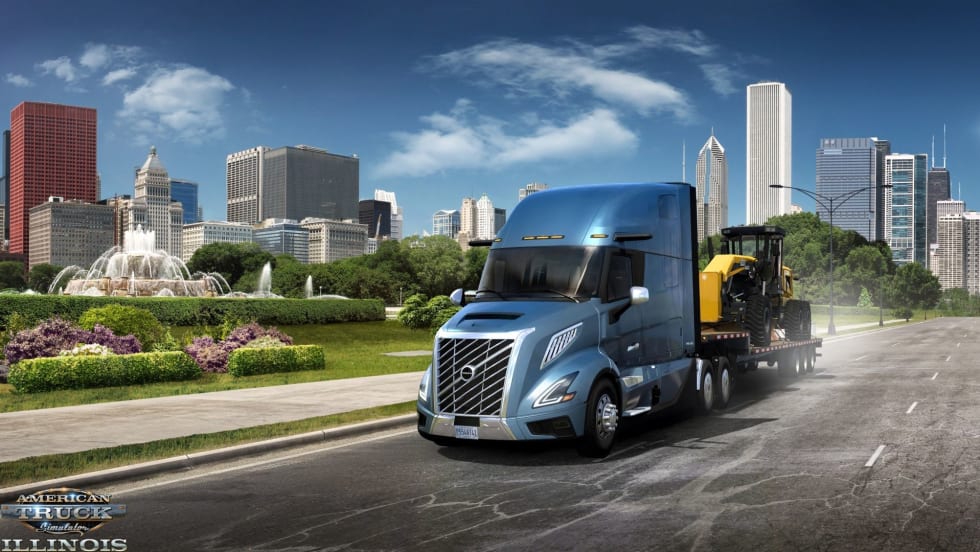
Volvo Goes Gaming
Volvo has roared into American Truck Simulator with two new flagship trucks.
Read More →
What the Best Fleets to Drive For Teach About Driver Retention
Survey fatigue, AI-powered routing, owner-operator expectations, and the decline of social media all emerged as themes from this year's Best Fleets to Drive For program.
Read More →
Driver Retention Lessons From the Best Fleets to Drive For
What separates trucking's best workplaces from the rest? Jane Jazrawy shares the biggest lessons from this year's Best Fleets to Drive For program on driver retention, communication, AI, and workforce trends on the HDT Talks Trucking podcast.
Read More →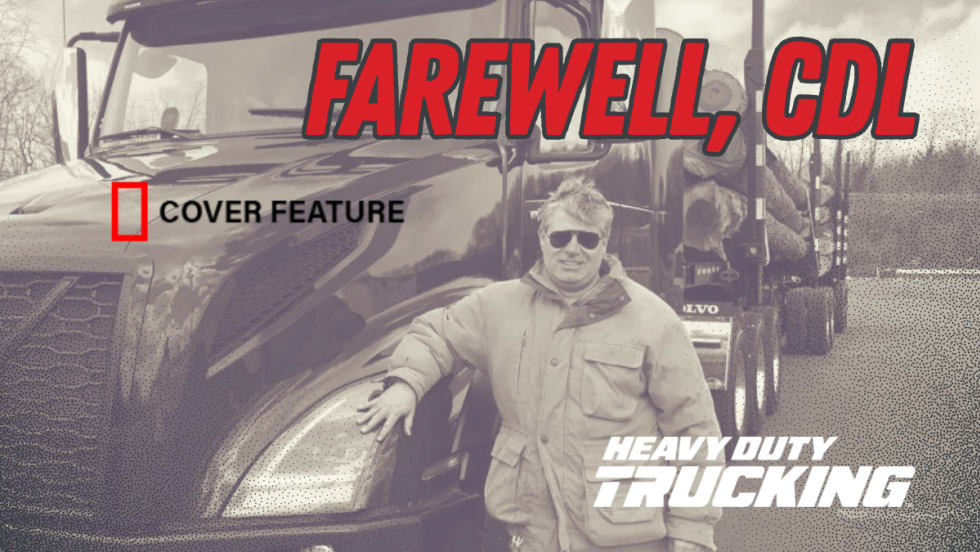
Farewell, CDL: Why I'm Giving Up My Commercial Driver's License
After more than 20 years as a CDL holder, HDT Executive Editor Jack Roberts is letting his commercial license expire. Not because he wants to — but because trucking's nuclear verdict crisis has made the risks of public-road test drives too great for editors, manufacturers, and everyone involved.
Read More →
How Top Trucking Fleets Improve Driver Retention [Video]
What do healthy snacks, optimized routing, and just picking up the phone have in common? They're all strategies the Best Fleets to Drive For are using to retain truck drivers.
Read More →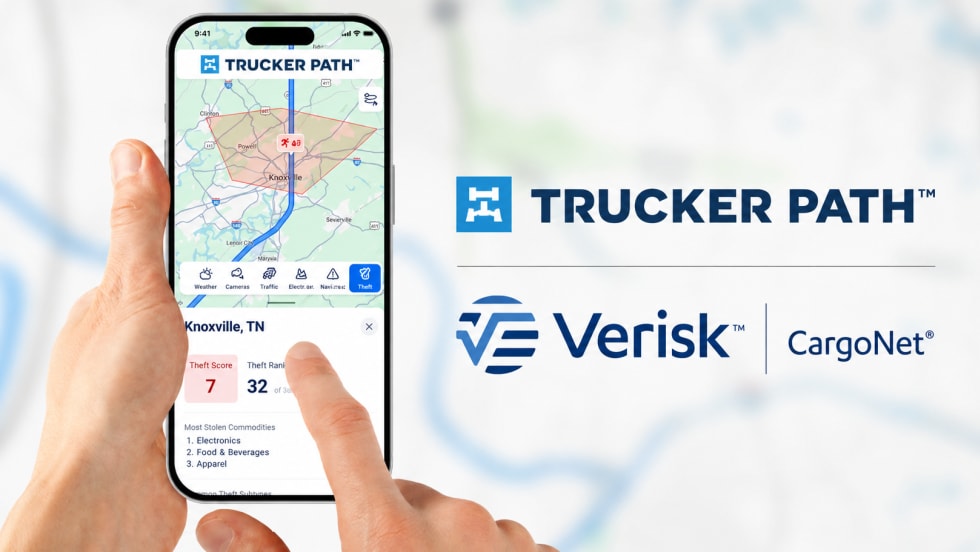
Trucker Path Adds Verisk CargoNet Theft Data to Navigation Platform
Trucker Path’s new cargo theft risk overlays give drivers and fleets visibility into high-risk areas, stolen commodity trends, and theft hotspots.
Read More →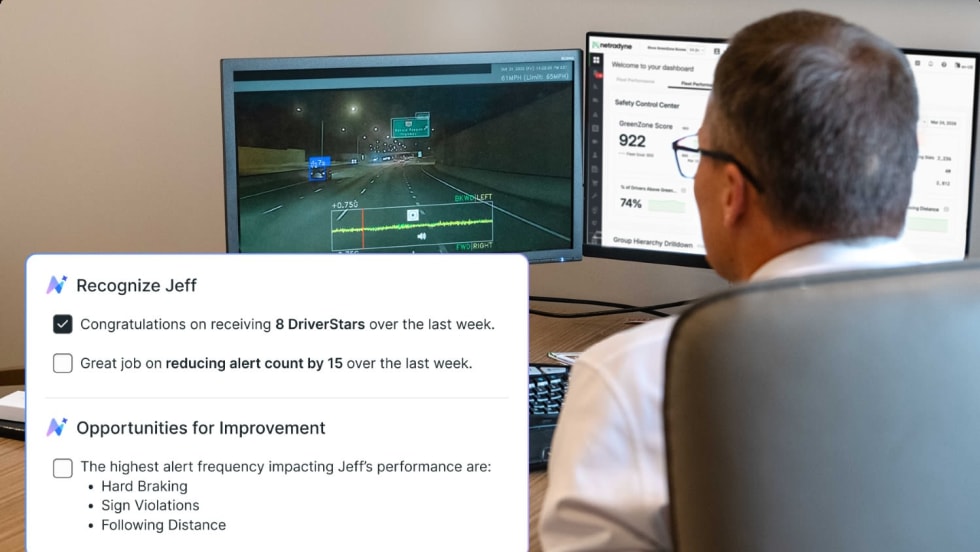
Netradyne Intelligence Uses New AI Agents to Automate Response to In-Cab Camera Data
The company called the next-generation in-cab camera safety platform "a fundamental shift from systems that report on what happened to systems that actively drive what should happen next."
Read More →
Why Truck Detention Keeps Costing Fleets Time and Money
A 2024 ATRI study found detention affects nearly 40% of truckload stops and costs the industry more than $15 billion annually. Despite the toll on drivers, fleets, and supply chains, the problem remains stubbornly persistent.
Read More →
Prime Inc. to Open $7.9M Flagship Used-Truck Dealership
A new driver-focused facility to sell Prime Inc's used trucks and trailers will be the first purpose-built location in the company's history.
Read More →