




Seems like an easy decision. Choose a trailer and go. But before adding just one or several hundred trailers, a fleet manager needs to determine what's right for the application. Considerations include space and weight capacities, laws and regulations, trailer age and regional-specific specifications.
Selecting the Right Trailers for your Fleet
Seems like an easy decision. Choose a trailer and go. But before adding just one or several hundred trailers, a fleet manager needs to determine what's right for the application. Considerations include space and weight capacities, laws and regulations, trailer age and regional-specific specifications
by Jeff Weber, Vice President Sales & Marketing, Ervin Equipment
January 21, 20135 min to read
Working with an industry professional and doing an appropriate amount of research will ensure the correct fit. So what's out there, what are the tricks of the trades and what is right for an operation?
Dry vans
Dry vans are the most common trailers on the road today, mainly due to their versatility in several applications. In fact, the 53-foot van trailer has the versatility to legally travel across the country. Despite the popularity of these fully enclosed trailers, many people are unable to differentiate between the two types on the market today: sheet and post trailers and composite (or plate) trailers. Given their key specifications pertaining to separate markets, the differences between a sheet and post van trailer and composite van trailer should be made clear to any fleet manager.
First, sheet and post trailers are built with plywood or a similar material. Approximately one-inch-deep posts separate each section, and logistic slots can be installed to hold the cargo in place during transport, which is especially convenient with LTL shipping. Measuring 98.5 inches wide inside the trailer, the sheet and post trailer is usually lighter but requires more consistent repair in comparison to composite trailers.
As their name suggests, composite trailers are composed of composite material, with smooth interior walls. This design reduces the chances of snagging or damaging the freight on the insides of the trailer during loading and unloading. The insides of the trailers can measure 101 inches wide, 2.5 inches wider than sheet and post trailers.
For example, a wider composite trailer would be ideal for industries transporting goods on palettes. Palettes typically measure 40 x 48 inches, or 96 inches when stacked width-wise. Considering product overhang, sheet and post trailer, measuring 98.5 inches wide, often doesn't allow enough space to load the palettes this way.
Rather, the wide sides of each palette need to be placed together, which takes up more of the trailer's available length. The extra 2.5 inches of width provided by a composite trailer often make it possible for carriers to load palettes wide and short versus narrow and long, allowing room for two additional palettes in each load. Since 90% of cargo shipped in the United States is placed on a pallet during transportation, the composite trailer is a much more efficient choice for many carriers.
A dry van's suspension is another major factor. The choice between air ride and spring ride often comes down to the freight a trailer is carrying. While carriers often opt for spring ride, as the potential long-term maintenance costs are lower, many clients specify that their merchandise be hauled on air ride suspension as they feel it provides safer transport.
Specialty Applications
Although the van trailer is the most common trailer on the road today, not all industries revolve around these units. There are other more specialized industries, such as oil and gas or aggregate processing, that require more unique trailers. [PAGEBREAK]
For example, the oil and gas industry is booming in several regions and is requiring a substantial amount of support from the transportation industry. Due to the rapid growth, many transportation professionals are expanding their inventories and services to take advantage of the opportunity. For these specialty ventures, there are some industry-specific pointers to keep in mind.
Tankers
A substantial amount of welding goes into manufacturing tankers. Welds can be weak points in a tanker's overall integrity, so fleet managers should carefully evaluate the quality variances between tankers from different manufacturers. In addition, tanker interiors are generally lined with a temperature sensitive material that is appropriate for holding the specific material to be hauled. Sometimes the material is applied to prevent corrosion, or to allow commodities such as crude oil, natural gas, petroleum or slurry to flow out of the trailers easier. For those purchasing a used tanker trailer, it's important to investigate which type of coating, if any, has been applied and verify whether it can protect against the materials that will be hauled or stored in the unit.
Other important tanker details to consider with certain jobs are top-mounted walkways and handrails. They are used in some industries where products are loaded from the top and are specific to the application. In these instances, walkways add convenience for operators who want to get a birds-eye view of the job.
Dump Trailers
Dump trailers commonly are used to haul sand and aggregate to fracking sites and for carrying dirt and other unneeded materials away. These trailers feature varying body styles and different dumping systems that cater to separate regions of the country.
A belly dump, or bottom dump, opens from the bottom and makes it possible to dump material in a linear heap. These units are most commonly used in the north central, south central and western states because of space or jobsite requirements such as overhead obstacles.
End dump trailers are used for rapid dumping of any material, from wet, sticky clay to large rocks or asphalt. Users should be aware of the possible downfalls of an end dump trailer, mainly their lack of stability during the dumping process. For this reason, end dump trailers are safest and most useable in regions with flat, even terrain.
Vacuum Trailers
Vacuum trailers also are commonly used in fracking for sucking mud or slurry out of pits. Many of the standard 130-barrel vacuum tanks come equipped with a gauge for determining how much capacity remains. Users should note these gauges are not practical in the northern states, as they will freeze during the winter months.
Jeff Weber has been with Ervin Equipment for 10 years. Drawing from owner Greg Ervin's knowledge, and learning from his own personal experiences in the company, Weber is familiar with all aspects of the trailer industry, including buying, selling, leasing, renting, or owning.
Subscribe to Our Newsletter
More Equipment
Top Green Fleets of 2026: Nomination Deadline Extended
Is your company a leader in sustainability efforts among trucking fleets? If so, Heavy Duty Trucking's editors want to hear from you.
Read More →
Kenworth Announces Reinforced Front Frame Option for T880 and T880S Models
Kenworth has released a factory-installed reinforced front frame option for T880 models, designed to simplify upfits, cut costs, and speed time to service.
Read More →
Stoughton Rolls Out PureBlue Reefer Trailer, Raises Safety Bar With 40-mph Rear Impact Guard
Stoughton’s new refrigerated trailer platform delivers double-digit efficiency gains while a next-generation rear impact guard exceeds current crash standards.
Read More →
New Lightweight Wheel Cover Targets Simpler Aero Gains [Watch]
Watch to learn how Deflecktor's new wheel cover design is taking a simpler approach to aerodynamics, with an eye toward making it more practical for both trucks and trailers.
Read More →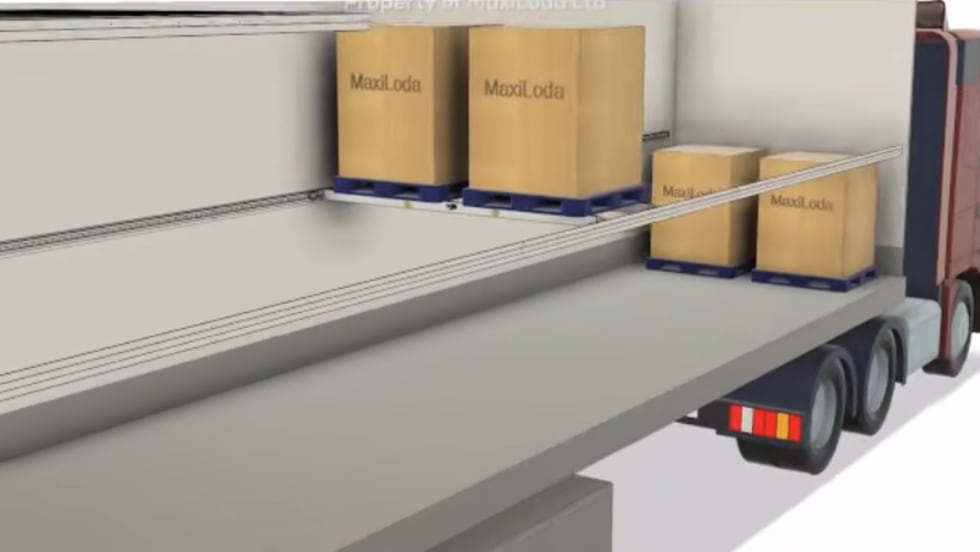
How Maxiloda’s Glide System Unlocks Hidden Trailer Capacity
By turning unused vertical space into usable capacity, Maxiloda’s Glide system helps fleets move more freight per trip while reducing loading risks and equipment damage.
Read More →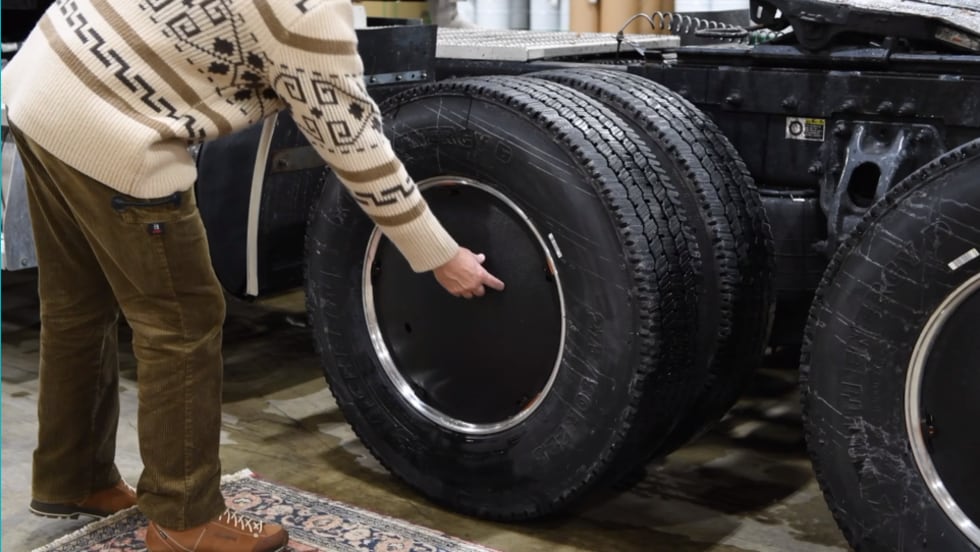
Deflecktor: Hubbub Aerodynamic Wheel Cover Cost-Effective Even for Trailers
Aerodynamic wheel covers can deliver small but meaningful fuel-economy gains for fleets, and Deflecktor says its latest design aims to make the technology easier and more affordable to deploy.
Read More →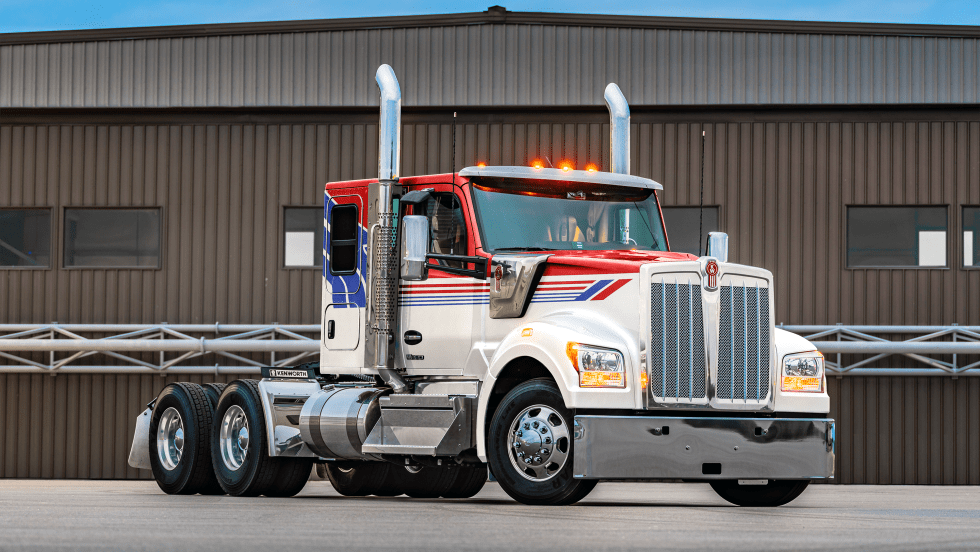
Kenworth Revives Iconic 'TourAmerica' Paint Scheme
Kenworth’s new, limited-edition scheme celebrates trucking heritage while supporting a nationwide mobile museum tour.
Read More →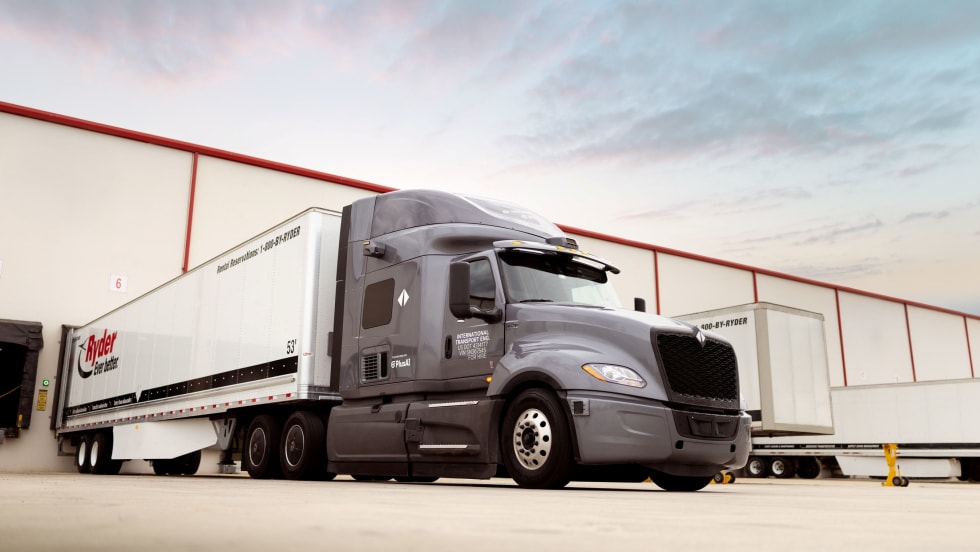
Ryder Joins International’s Autonomous Truck Pilot on Texas Freight Lane
Ryder and International take autonomous trucking out of the lab and onto a live, 600-mile Texas freight lane.
Read More →
FTR: Class 8 Orders Stay Hot in March Despite Monthly Dip
Fuel prices aside, Class 8 demand remains elevated as freight fundamentals improve and fleets regain confidence in long-term investments.
Read More →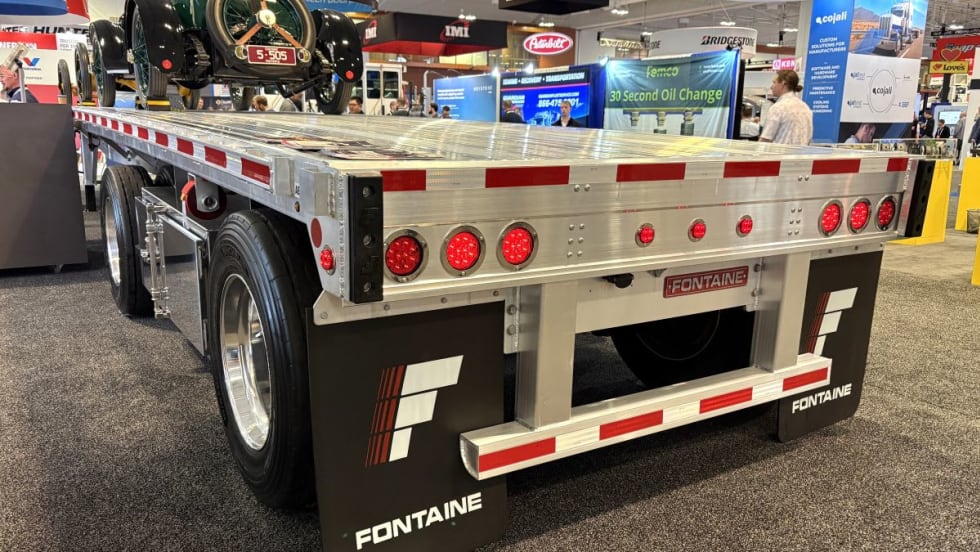
Fontaine Expands Flatbed Lineup with New Fleet-Focused Models, Eyes 2027 Launch
Fontaine is broadening its flatbed lineup with new models aimed at fleets, including a lightweight aluminum trailer expected in 2027 that emphasizes durability, repairability, and lower cost.
Read More →