




FMCSA Implements CSA Improvements
The Federal Motor Carrier Safety Administration implemented a number of improvements to its CSA safety enforcement program, including dropping the Cargo-Related BASIC and adding a new Hazardous Materials BASIC that is expected to put more scrutiny on carriers hauling hazmat


One of the major changes is a new Hazmat BASIC.
The Federal Motor Carrier Safety Administration implemented a number of improvements to its CSA safety enforcement program, including dropping the Cargo-Related BASIC and adding a new Hazardous Materials BASIC that is expected to put more scrutiny on carriers hauling hazmat.
The improvements, which were initially announced last August, include changes to a number of the Behavior Analysis and Safety Improvement Categories that the agency uses to keep track of carrier performance.
Details of the changes are available on the CSA website.
Announcing the changes, agency administrator Anne Ferro said CSA is an effective program that has had a positive effect on safety. She cited an 8% decline in violations at roadside inspections, and a 10% drop in driver violations per inspection in the last calendar year.
"These represent the most dramatic decrease in violation rates in a decade," she said. She added that traffic on the CSA website has increased substantially: 48 million visits last year, up 18 million from the year before.
Ferro also said that the agency is on track to publish the next phase of the CSA program, its safety fitness proposed rule, in the first half of next year.
In a related CSA development, an agency advisory panel is scheduled to hear testimony tomorrow from researchers who have found flaws in the program.
One of the speakers at a meeting of the CSA Subcommittee of the Motor Carrier Safety Advisory Committee will be Anthony Gallo of Wells Fargo Securities, whose research indicates that CSA scores may not reflect either the carrier's risk or the likelihood of a crash.
Also scheduled are James Gimpel of the University of Maryland, whose research shows that CSA scores are not valid predictors of crash frequency, and the American Transportation Research Institute, which has found a disconnect between CSA scores and crash risk.
The list of speakers also includes David Madsen, an analyst with Department of Transportation's Volpe Center, and Daniel Blower, a researcher with the University of Michigan Transportation Research Institute.
The Subcommittee is engaged in an extensive review of CSA as part of an effort by MCSAC to prepare recommendations for improving the program.
Related Stories:
11/30/2012 Carriers Need to get 'Ducks in a Row' on Hazmat for CSA 3.0
11/16/2012 Using the Safety Management Cycle
More Fleet Management

Volvo Trucks Adds Unattended Over-the-Air Software Update Capabilities
The latest evolution of Volvo’s over-the-air update technology allows software updates to run while trucks are parked, helping fleets keep vehicles current without disrupting operations.
Read More →
How Waste Connections is Using Data, Telematics, and AI
How do you manage and maintain more than 18,000 connected trucks? Data. Lots of it.
Read More →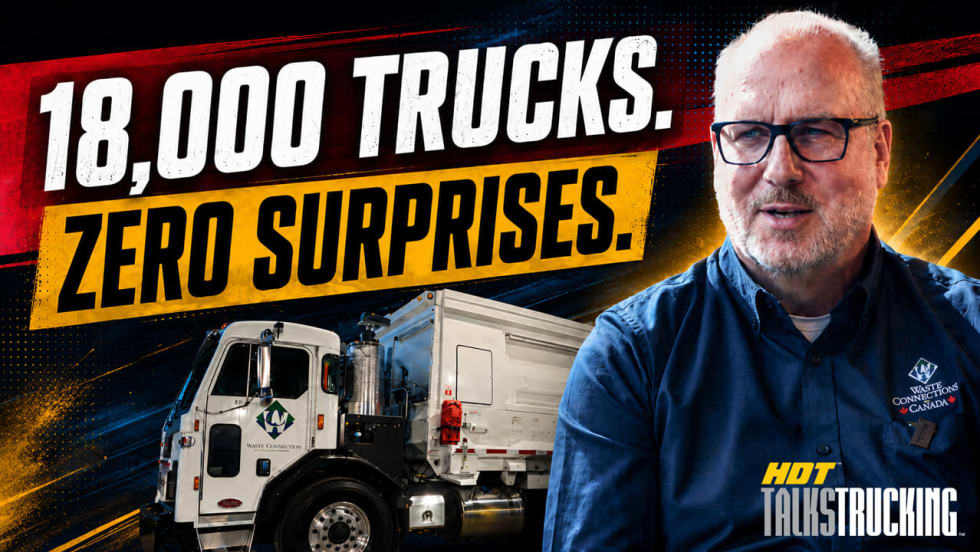
Why Fleet Data Matters More Than Ever at Waste Connections [Watch]
Waste Connections' Chuck Palmer explains how telematics, predictive maintenance, safety analytics, and AI help keep vehicles on the road and drivers safe in this episode of HDT Talks Trucking.
Read More →
NMFTA Launches Free, Anonymous Cybersecurity Threat Report Portal
Organizations are encouraged to anonymously report freight fraud, cargo crime, and cyber threats while gaining visibility into incidents reported across the transportation sector.
Read More →
AI Can Optimize a Fleet. Can It Replace Human Judgment?
Fleets fear falling behind if they don’t adopt AI quickly enough. They also fear what happens if the technology makes the wrong decision.
Read More →
Jamie Hagen Gets Real About Running a Small Fleet in an Uncertain Economy
Small fleet owner Jamie Hagen says new legal risks, volatile fuel prices, and a changing freight market are forcing small carriers to rethink how they operate — and what they can afford.
Read More →
Jamie Hagen Gets Real About Freight, Fuel Prices, Safety, and Small-Fleet Survival
Running a small trucking fleet right now isn’t easy, especially right now. And Jamie Hagen doesn’t sugarcoat it.
Read More →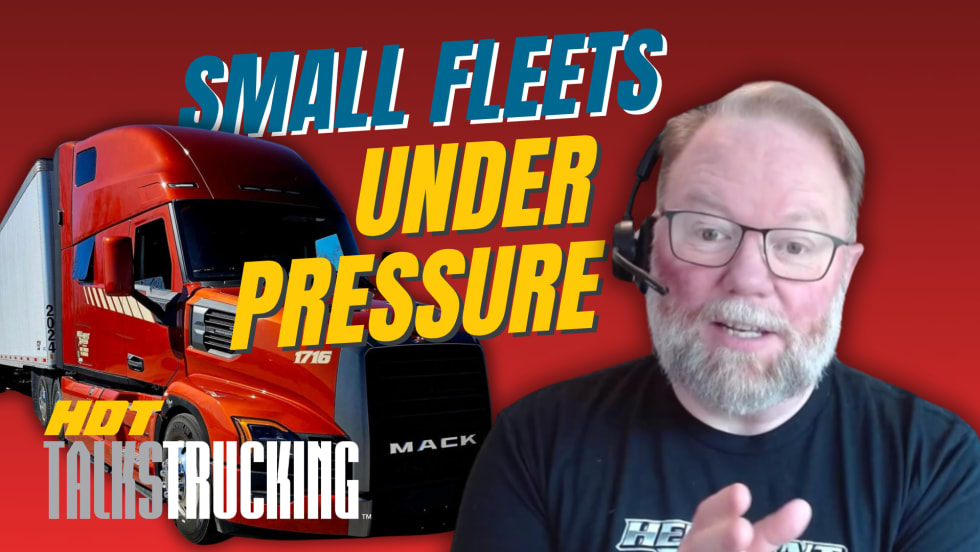
Jamie Hagen Gets Real About Freight, Fuel Prices, Safety, and Small-Fleet Survival
Running a small trucking fleet right now isn’t easy, especially right now. And Jamie Hagen doesn’t sugarcoat it.
Read More →
Data Lock‑In or Integration Lock‑Out?
Data fragmentation is costing dealerships, OEMs, fleets, and upfitters millions. Here’s why interoperability may be the fix the trucking industry needs.
Read More →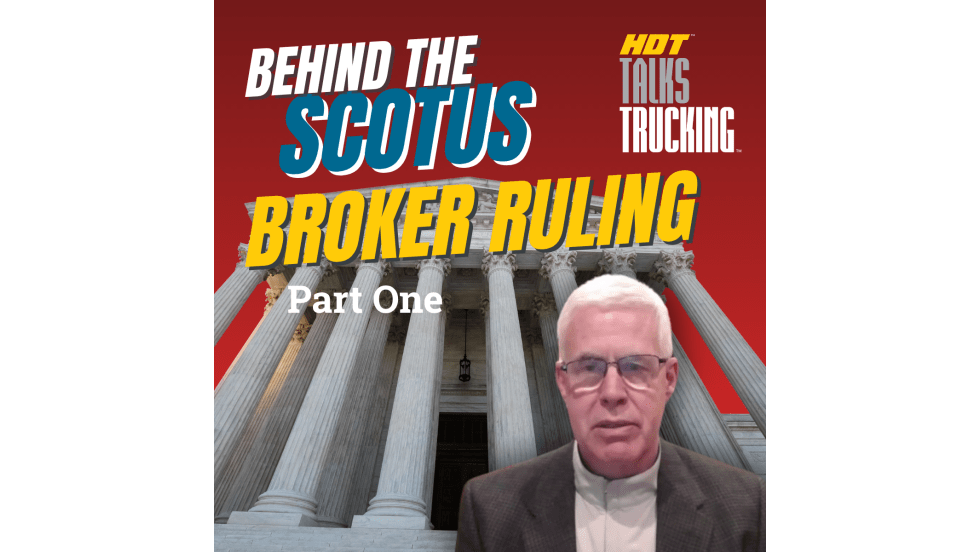
What Trucking Fleets and Brokers Need to Know About This Supreme Court Case
In May, the U.S. Supreme Court ruled that freight brokers can be held liable for damages if a truck they have contracted with is involved in an accident. Listen as this transportation attorney breaks down the ruling and its implications for the trucking industry.
Read More →