




An all-Volvo fleet of nine trucks with I-Shift transmissions hauls logs 24 hours a day, seven days a week in southern Sweden.
For a couple of hours, a group of North American truck editors in Sweden got a chance to follow first-hand the transport of timber from where the trees were harvested to a nearby sawmill.
All-Volvo Company Does Log Transport Around The Clock in Sweden
An all-Volvo fleet of nine trucks with I-Shift transmissions hauls logs 24 hours a day, seven days a week in southern Sweden. For a couple of hours, a group of North American truck editors in Sweden got a chance to follow first-hand the transport of timber from where the trees were harvested to a nearby sawmill
by Text and photos Sven-Erik Lindstrand, European Editor
October 31, 2011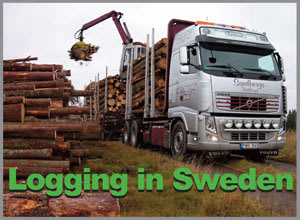
5 min to read

Miserable dirt roads led to the collecting site, where true off-road vehicles had placed the logs along the muddy track to be picked up. The loading process took about an hour, including securing the cargo tightly. With such a high center of gravity, no one wants a loose gun on the deck. The truck engines are running during the process, revving up when the PTO gets engaged by the hydraulic crane. Unloading at the sawmill was done in less than 10 minutes -- not bad, considering the payload was 40 to 42 metric tons (88,184-92,594 pounds).
Sundberg's Akeri AB -- which means Sundberg's Transport Co. -- was founded in 1938 by three brothers in Kalleryd outside Herrljunga in southwestern Sweden. Originally they ran everything from goods, timber and coal/coke to livestock and grain. Today it is mainly timber transportation and is owned and operated by Jan-Olof Sundberg and his son, 36-year-old Johan Sundberg, who has been president for three years.
During the past seven years, the company has expanded from one timber truck to six timber trucks. It also has one dump truck and two trucks with cranes, one of which is probably among the very largest crane trucks in Sweden with a reach of 40 meters (131 feet).
The crane unit is operated from inside a heated cab, a must during freezing winters. The truck driver also operates the crane. It rises almost 2 meters (6-1/2 feet) from transport to operational mode, which is 4 meters (13 feet) above the ground. Each grab is about 1,500 kg (about 3,300 pounds). A computer accumulates the weight of the loaded timber on a display. The crane reach is 8 meters (about 26 feet). The truck can load 12 tons in one stack of timber; the trailer can take 30 to 32 tons of cargo divided on two stacks.
The transport company employs 22 people, most of them are drivers. The vehicles run in shifts 24 hours a day, with drivers each taking 12-hour shifts.
"I start at four in the morning and work sometimes long into the evenings," said Johan Sundberg. "In the winter it's dark most of the time, but mid summertime we have almost 24 hours daylight."
Despite the recent recession, sales have increased from 21 million Swedish kronor (crowns) in 2008 ($3.3 million) to 25 million SEK ($3.9 million) in 2010, and the profit margin is 5.4%.
Drivers Key
The company uses planning and follow-up tools Volvo Dynafleet as well as Lean Haulage from GreaterThan, a system for monitoring fuel consumption, emissions, speed and driving habits, as well as map positioning.
All drivers receive continuous training and refreshment classes in traffic safety. Turnover, illness and absenteeism are very low as a result of an open and positive working atmosphere. The company has developed its business by encouraging innovations, acquiring new customers and making every employee involved in business development and cost savings.
"Our business concept is to run reliable equipment and to deliver reliable transports," Sundberg said. "We have great suppliers and good and dedicated drivers. Drivers are really my most valuable resource. The LeanHaulage concept makes them participate and contribute to our overall business objectives. Like most people, drivers want to be part of something bigger. Acknowledging their contribution to the company increases job satisfaction.
"Finally, LeanHaulage is not about control. it is about involving people and using all resources optimally. Neither it is about measuring fuel consumption. It focuses on how to efficiently reduce your company's fuel waste."
Johan Sundberg encourages a work environment where his employees get involved in innovation and ingenuity to find new ways to work and utilize available resources.
One example is the idea from one of the drivers to develop a rotating snow brush as a safe and effective way to shovel roofs clear of heavy snow. The scraper is mounted on the biggest truck crane and is operated by remote control. This invention replaces several men's work without the risk of falling from a roof, said Johan Sundberg.
The focus on constant improvement has led to optimization of the trucks so the tare weight has been reduced by several tons per vehicle. Sundberg's timber trucks are more than 5 tons lighter than the average log truck in Sweden, which gives an equivalent higher payload.
All the Sundberg trucks are Volvos, and they all have the I-Shift automated mechanical transmission. "I-Shift can keep fuel consumption at the same level as my best driver on his best day if he was to drive a manual transmission," said Johan Sundberg. The electronics make sure that the correct gear is always selected to enable the engine to work as economically as possible. "The advantage when it comes to I-Shift is that it doesn't have bad or good days. It provides the same fuel-efficient progress, regardless of who is driving or how the driver feels. What's more, the driver does not need to apply any force to shift gears," Sundberg said.

Truck specs:
Trucks: Volvo FH with 13-liter 520-530 horsepower Euro 5 engines.
I-Shift AMT transmission with direct drive, single-reduction tandem drive (no hub reduction).
Trailer: Karlavagnen.
Crane: Loglift 96-S, 10 ton meter capacity.
Overall vehicle length is 22 meters (72 ft), legal GCW is 60 metric tons.
The trucks carry an average of 250 000 tons of timber each per year and are replaced after four years.
All trucks have Internet access.
Subscribe to Our Newsletter
More Fleet Management
Cargo Theft’s New Playbook: Strategic Fraud, Double Brokering, and Cybercrime Hit Trucking
Cargo theft is evolving from regional smash-and-grab operations to sophisticated fraud schemes. Strategic theft now accounts for roughly a third of cargo crime, with incidents rising sharply in recent years. Here’s how the schemes work — and what fleets can do to protect themselves.
Read More →
HDT Honors the Best New Products of 2025 at TMC [Photos]
Heavy Duty Trucking's Top 20 Products awards recognize the best new products and technologies. Check out the award presentations at the 2026 Technology & Maintenance Council annual meeting.
Read More →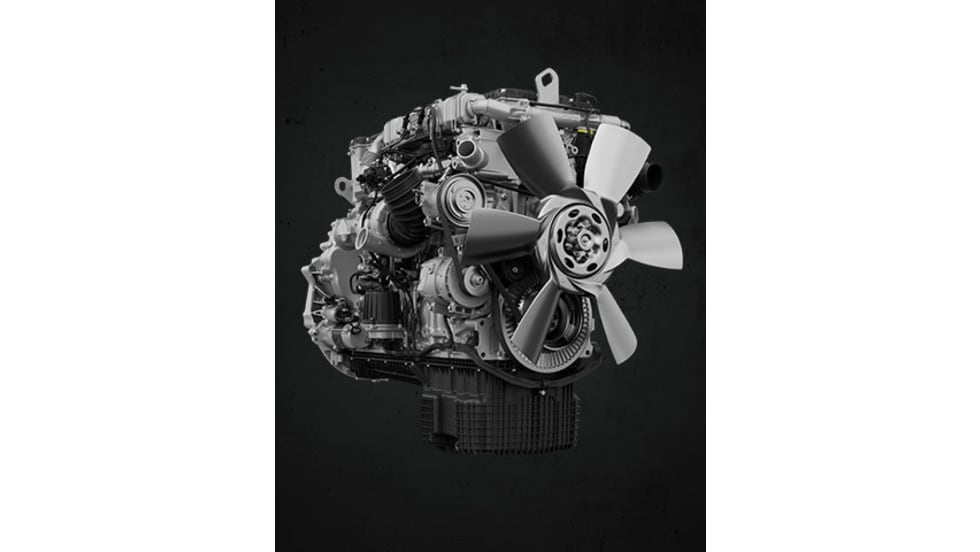
Sponsored•March 31, 2026
Detroit Engines: Trusted Performance, Built for What's Next
The Detroit® Gen 6 engine platform proves that real progress doesn’t require a complete redesign. Built on 20 years of trusted technology, these engines are designed for efficiency, stronger performance, and greater reliability than before. And they do it all while complying with 2027 EPA standards on every mile.
Read More →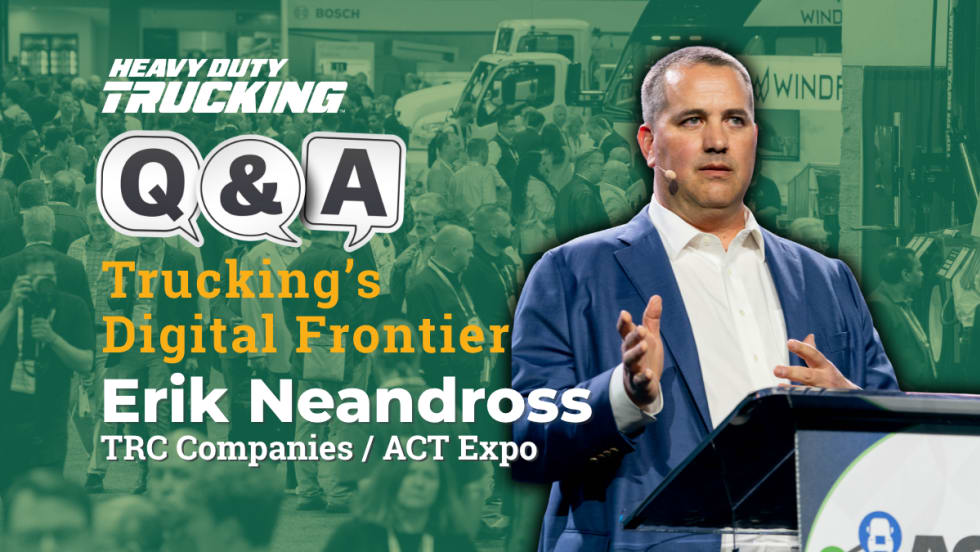
Q&A: What's Real in Advanced Truck Tech? ACT Expo's Erik Neandross Weighs In
The 2026 ACT Expo is focusing heavily on what organizer Erik Neandross calls trucking's digital frontier. This interview excerpt dives into artificial intelligence, zero-emission vehicles, and tips to make sense of it all.
Read More →
Trucking's Digital Frontier: AI, Connected Vehicles, Alternative Fuels and More
There's an amazing amount of new technology for trucking out there. For fleets, the challenge is figuring out what’s real, what’s hype, and what’s worth investing in.
Read More →
What's Real in Advanced Truck Technology? ACT Expo's Erik Neandross Weighs In
Artificial intelligence, the software-defined vehicle, telematics, autonomous trucks, electric trucks and alternative fuels, and more in this HDT Talks Trucking interview
Read More →
ACT: Trucking Volumes Rise, Capacity Tightens as Fuel Prices Cloud Outlook
ACT Research data shows volumes hitting a four-year high and supply-demand balance strengthening, but higher oil prices are undercutting tariff relief and tempering optimism.
Read More →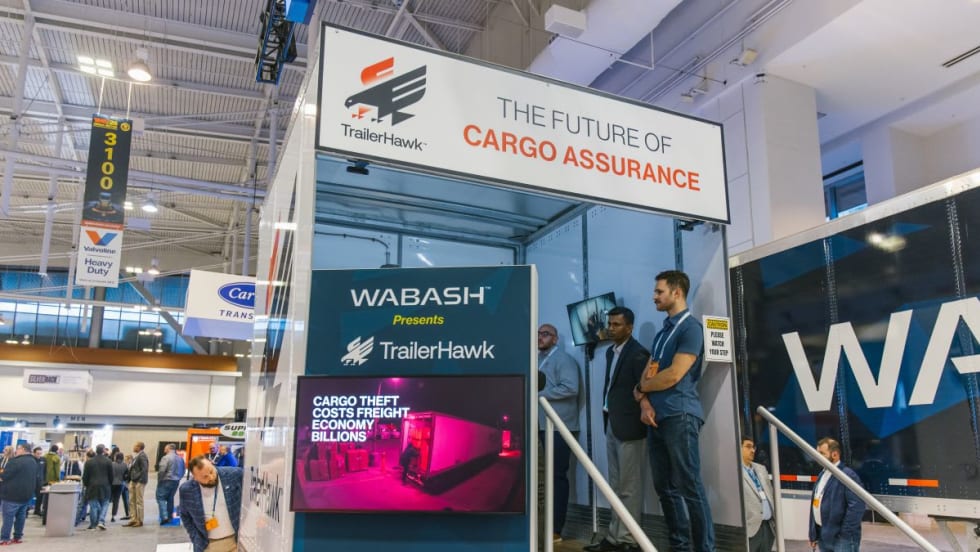
Wabash Teams Physical Security With Digital Tech For Better Cargo Visibility
The patent-pending cargo solution integrates a digitally connected cargo door and an intelligent locking system with the TrailerHawk.AI technology platform.
Read More →
From Diesel Prices to Cyberattacks: How the Iran War Is Affecting Trucking
The impact of the Iran conflict extends beyond fuel costs, bringing more fraud and cybersecurity risks to the trucking industry.
Read More →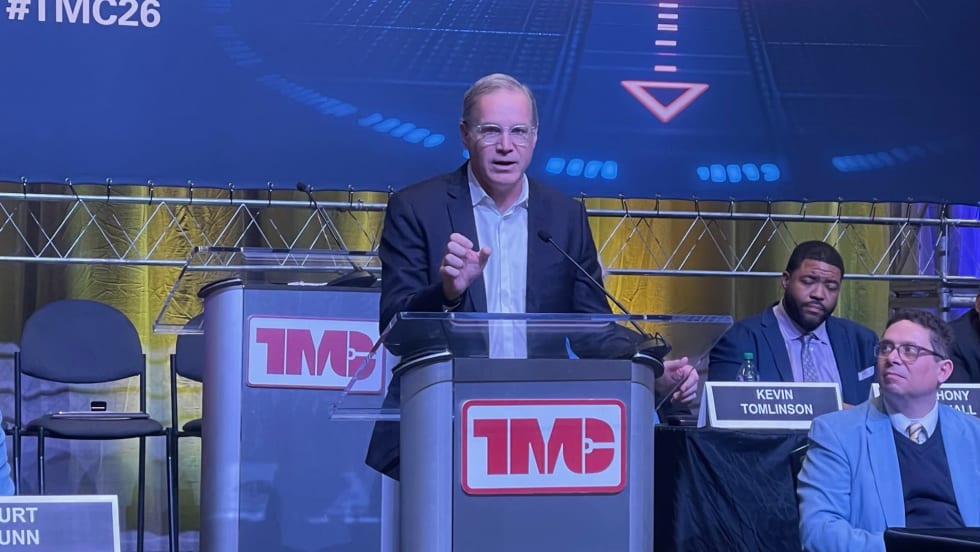
ATA’s Spear Warns Fuel Prices, Trade Policy, and Global Conflict Could Stall Trucking Recovery
Speaking at the TMC Annual Meeting in Nashville, ATA President Chris Spear said trucking faces mounting pressure from rising fuel prices, geopolitical instability, and uncertainty around trade policy.
Read More →