




What You Need to Know About Tire Valves
Most fleets consider tire valve stems and valve hardware as an afterthought, but there are many issues associated with valve stem hardware that fleets need to be aware of
Most fleets consider tire valve stems and valve hardware as an afterthought, but there are many issues associated with valve stem hardware that fleets need to be aware of.
The selection of valve hardware is based on wheel type, wheel size, and tire air pressure specification. Most of today's valves are made out of brass because it is corrosion resistant and can easily be bent to facilitate servicing. Valves for aluminum wheels are brass with chrome plating.
Companies that produce tire valves should have a TR number stamped on the valve stem. A TR number is the official Tire & Rim Association designation. Tire & Rim Association publishes industry recommended dimensions (specifications) for producing tires, wheels, and valves.
Truck valve stems are high-pressure valves that can handle the maximum tire pressure molded into the tire sidewall of commercial truck tires. Truck tire valves are typically rated at 200 psi. There are valve stems designed for steel wheels and other valve stems designed for aluminum wheels.
For the most common tubeless radial truck tires with a 5 degree drop center steel wheel and 0.625" diameter valve hole, valve stems TR500 and TR501 are typically spec'ed. The TR500 valve is 2.00" long compared to the TR501 which has a length of 1.50". The other common valve stem for steel wheels is the TR570C. These clamp-in style valves are not straight like the TR500/501 series. They have a bend angle. There are various bends available depending on your specific application. The valves with various bend angles are the TR571C, TR572C, and the TR573C. Recommended torque is 35 - 55 inch-pounds for the TR500, 501, 570-573 series.
Truck valves come furnished with standard rubber grommets that are normally rated to about 300 degrees. If your application sees excessive heat, there are special rubber grommets that are rated at 400 degrees and higher. For aluminum wheels, there are several different types of truck valves depending on wheel type. O-ring seal type TR540 series is used on 15 degree drop center wheels with a 0.380" valve hole. If the valve hole is 0.625" then you must use either the TR509, 510, or 511 valves. These are all bent valves with various lengths. TR509 is 4.75" long, TR510 is 5.50", and TR511 is 4.25" in length. Recommended torque is 100 - 125 inch-pounds.
Valve cores are the secondary seal of the valve assembly and are exposed to heat. If there is no valve cap, then it is also exposed to ice and dirt. The valve core must be in good working order with no debris within it since debris will not allow the core to seal properly. Truck valve cores typically have a red seal with a temperature range up to 250 degrees. Valve caps are the primary seal to the valve stem assembly and prevent contamination of the valve core. A metal sealing, high temperature valve cap or inflate-thru cap must be used on every valve stem.
Gaining in popularity are double seal or inflate-thru valve caps that provide two seals. These allow tires to be pressure checked, inflated, and deflated without removing the valve cap.
Always buy good quality valve stems that adhere to SAE standards and have a TR number. The major tire supply companies sell a valve stem torque wrench which is highly recommended.
Reprinted with permission from PSI Commercial Fleet Tire Digest, a newsletter from Pressure Systems International, the manufacturer of the Meritor Tire Inflation System by PSI. Archive issues are available at www.psitiredigest.com.
More Maintenance

Mack Expands Extended Coverage With Four Chassis System Plans
Mack Trucks' new system-specific coverage options allow heavy-duty fleets to select protection for driveline, cab, HVAC, electronics, and advanced safety components.
Read More →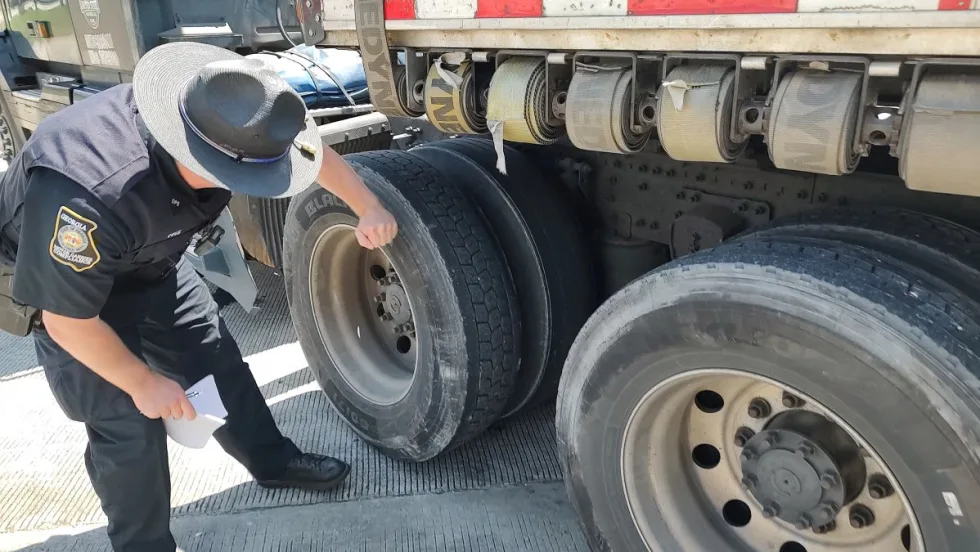
What an Out-of-Service Order Really Costs, and How to Plan for One
The repair invoice is the first number you see — and often one of the smallest. Here’s what else an out-of-service order can cost a fleet, and how planning can reduce the damage.
Read More →
International Launches Online Truck Parts Store
Fleetrite.com lets fleets and repair shops find OEM and all-makes parts, check prices and availability, and order without calling a parts counter.
Read More →

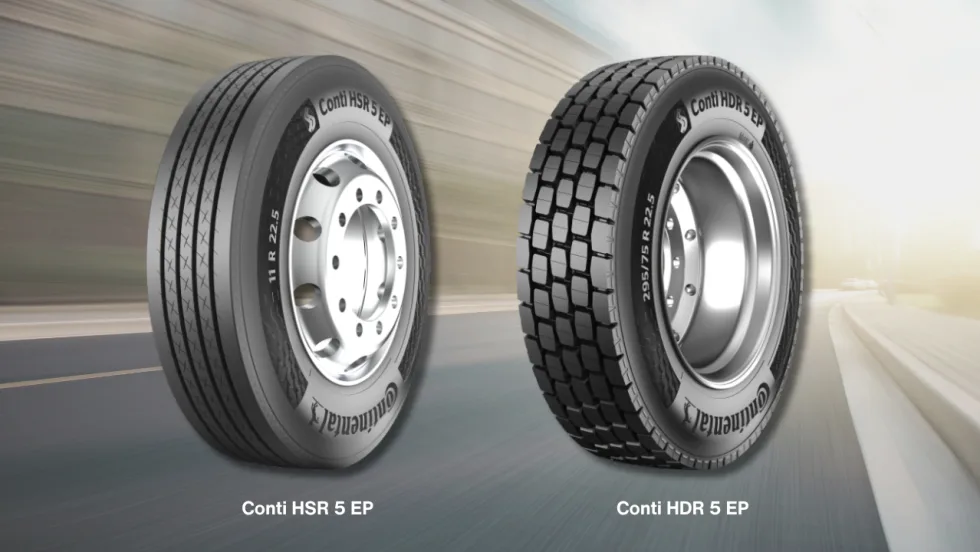
Continental Introduces New Regional Truck Tires
Continental says its new Generation 5 steer and drive tires for regional operations offer longer tread life, with estimated mileage gains of 22% and 19%, respectively.
Read More →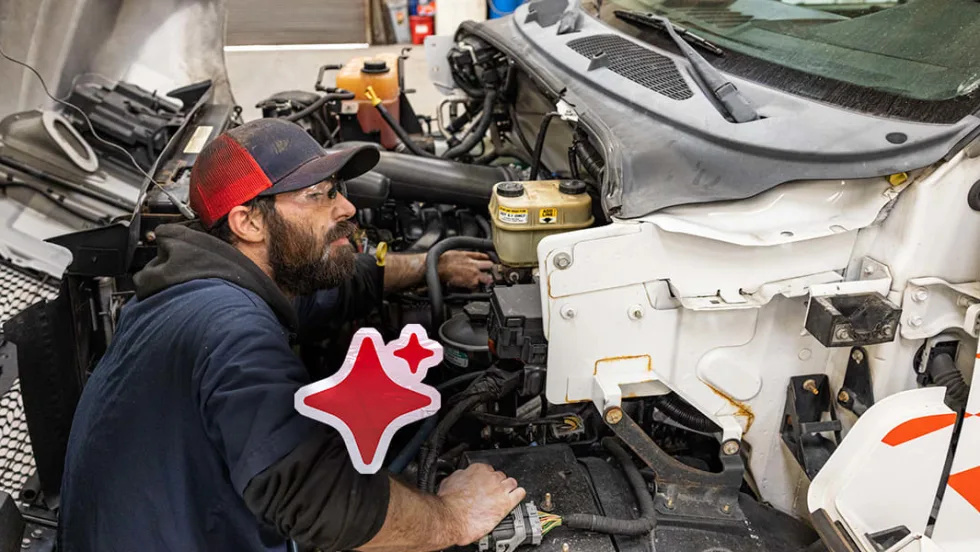
How AI Can Help Your Techs’ Efficiency
The technician shortage isn't going away, and no single fix can close the gap on its own. Trent Broberg makes the case that AI's real job in the shop is protecting the billable hours and job satisfaction of the techs you already have, not asking them to work faster.
Read More →
Color Match Smarter: Tools That Restore & Perform
For fleet managers and collision repair professionals keeping heavy-duty trucks on the road, getting the color right the first time isn't just about appearance — it's about efficiency, turnaround time, and bottom-line results. Discover how today's digital color tools are transforming the repair process from guesswork to precision.
Read More →
Wrong Repair Prompts Recall of Freightliner, Western Star 4x2 Trucks
DTNA is recalling more than 2,400 trucks that received an incompatible software fix instead of the hardware repair required to address brake valve corrosion.
Read More →
Truck Drivers Need More Than Another Alert
Fleets have more visibility into truck health, safety events, and driver activity than ever. The next challenge is turning all that information into useful guidance for the person who has to decide what to do next.
Read More →
The Maintenance Checks Trucking Fleets Should Prioritize Before Fall Freight Picks Up
Making it through August isn’t the same as being ready for the next several months of operation. Find out what systems may have suffered from summer heat and need to be checked out before fall.
Read More →
What Three Fleets Are Doing Differently When Buying Truck Parts in 2026
With freight improving but costs still climbing, fleet maintenance executives explain how they're balancing price, quality, and supplier relationships.
Read More →