




When the International ProStar was first introduced, my colleague Jim Park and I drove one, with a loaded trailer, from Los Angeles to Tacoma, Wash., to evaluate the truck over a good run and to deliver it to Cascadia International.
Heavier Front Axles: What do They Mean for Spec'ing Engines and Other Components?
When the International ProStar was first introduced, my colleague Jim Park and I drove one, with a loaded trailer, from Los Angeles to Tacoma, Wash., to evaluate the truck over a good run and to deliver it to Cascadia International.
by Staff
June 23, 2010
3 min to read
After stopping to take photos fairly early on during the trip, we decided we'd slide the trailer up tighter to the tractor, just to see what sort of fuel numbers we might get.
Well, that was a big mistake. First scale we crossed, we got the opportunity to slide it back out again to get some of the excess weight off the front axle!
In the debriefing in Tacoma, we mentioned that the truck was heavy on the front end, especially for a front axle rated at 12,000 pounds. That's simple, was the response, we'll up the rating to 13,200 pounds.
More recently, doing a story that included Hendrickson and its work on steer axles -- especially 13,200 pound rated axles -- it became apparent that all truck OEMs are battling with increasing weight, especially on the front axle.
That situation has been made worse by the additional weight associated with the selective catalytic reduction technology chosen by all but International. It's going to get worse again as solutions are sought for the upcoming shorter braking standard, due next year. The 15x4 brake that is more or less standard on a highway tractor steer axle does not have the mass to deal with the added heat that will be generated in a panic stop within the 250-foot requirement. If, as many fleets desire, a bigger drum brake is used, likely a 16.5x5, there's added weight of 50 to 60 pounds. And Webb Wheel has talked about stepping up drive axle brakes from 7 inches to 8- or 8 5/8-inch widths, which also add a few pounds.
In fact, it's got to such a point that the truckload carriers, who have in most cases cubed out before weighing out, are now looking at truck purchases where they can no longer scale the freight quantities that shippers like because the equipment is getting so darned heavy.
Creative Specs
So I think you're going to see some more creative spec'ing, where weight is of consequence to a whole lot more customers than the bulk and the refrigerated carriers. There will be a lot more aluminum in things like hubs, clutch housings and crossmembers. Fleets will look to the added advantages of the ultra-low-profile single tire, mounted, of course, on aluminum wheels.
And just maybe, the pursuit of weight savings will push the acceptance of 13 liters in over-the-highway applications, relegating the 15- and 16-liter engines to those applications that demand the higher horsepower and maybe, because of permit loads, are not sensitive to weight.
There are plenty of engines to choose from. Detroit Diesel has the DD13, Paccar has the 12.9 MX, Volvo the D13 and Mack the MP8 (13 liters is 800 cubic inches), International has its 12.4-liter MaxxForce 13 and in August, Cummins will launch the ISX11.9 (admittedly not quite a 13 but still a pretty big horse going up to 425 or 500 horsepower for fire and emergency applications.)
The big question that perpetually hangs over this decision, though, is what a downsizing of the engine will mean to residual value in the truck. Historically, a small engine means the truck sits, even with a far lower sticker on the windshield. And truck prices have escalated as the weights have risen, so that a truck today is tens of thousands of dollars more than it was in 2002. And that lightweight spec is also more expensive.
That delta has to be made up in freight rates and a business model that sees higher depreciation. And if a fleet doesn't get its arms around that, the next batch of trucks it buys may be the last.
Subscribe to Our Newsletter
More Equipment

From Long Haul to Short Loops: The New Math Behind Day Cabs
As warehouse networks expand, predictable regional routes are replacing long-haul runs—reshaping how fleets spec, operate, and resell day cabs.
Read More →
Hyundai Translead Bringing Trailer Production to U.S.
The new Hyundai Translead production sites will improve trailer and body delivery to customers by reducing lead times and leveraging a growing dealer network.
Read More →
HDT Honors the Best New Products of 2025 at TMC [Photos]
Heavy Duty Trucking's Top 20 Products awards recognize the best new products and technologies. Check out the award presentations at the 2026 Technology & Maintenance Council annual meeting.
Read More →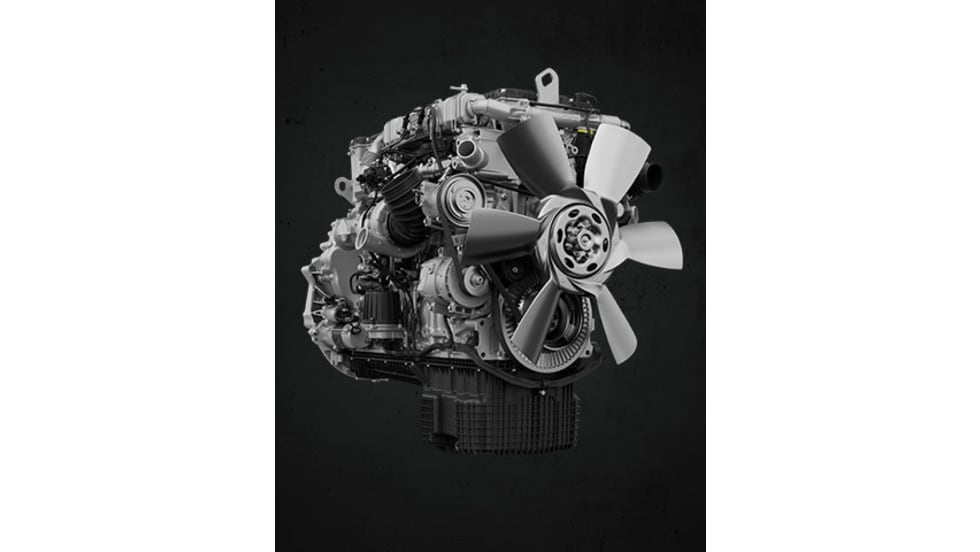
Sponsored•March 31, 2026
Detroit Engines: Trusted Performance, Built for What's Next
The Detroit® Gen 6 engine platform proves that real progress doesn’t require a complete redesign. Built on 20 years of trusted technology, these engines are designed for efficiency, stronger performance, and greater reliability than before. And they do it all while complying with 2027 EPA standards on every mile.
Read More →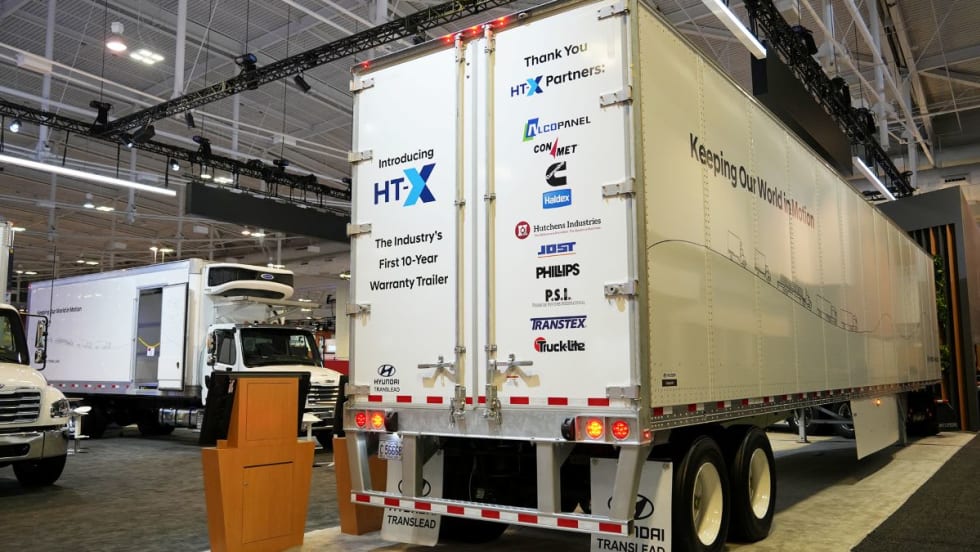
Hyundai Translead Expands Trailer Tech, Introduces Long-Life Dry Van, New Refrigerated Body
Smart safety systems, AI-powered visibility, a 10-year-warranty dry van, and a modular refrigerated body debuted at TMC.
Read More →
EPA Targets DEF Sensor Failures Behind Truck Derates
New guidance allows engine makers to replace problematic DEF sensors with NOx-based systems, aiming to reduce unnecessary derates and downtime caused by failures in the sensors designed to monitor diesel exhaust fluid on trucks.
Read More →
Heavy Duty Trucking is Searching for the Top Green Fleets of 2026
Is your company a leader in sustainability efforts among trucking fleets? If so, Heavy Duty Trucking's editors want to hear from you.
Read More →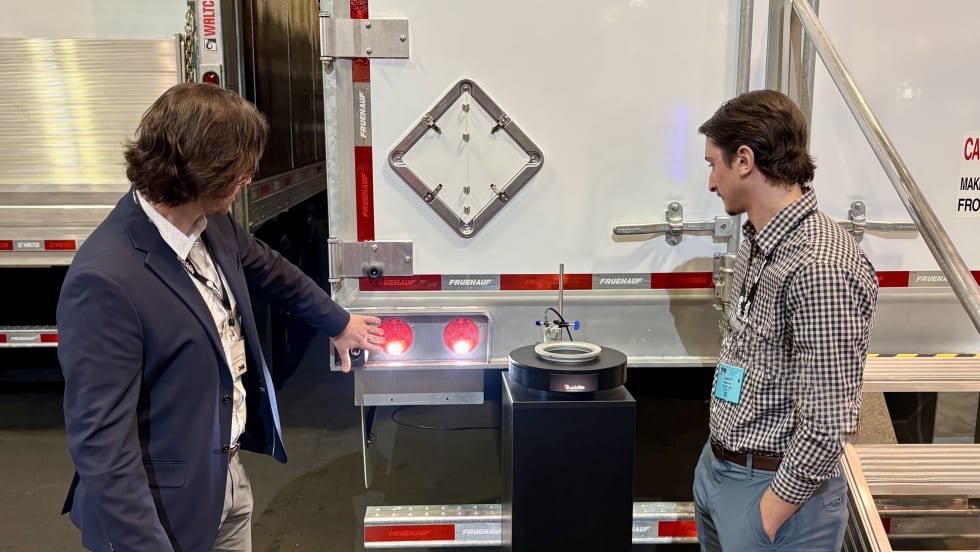
Clarience Technologies Expands Safety and Visibility Portfolio at TMC
From advanced connectivity to AI-powered cameras and next-gen fuel filtration, Clarience companies outlined a roadmap for safer, more connected trailers at TMC’s Annual Meeting.
Read More →
What's Real in Advanced Truck Technology? ACT Expo's Erik Neandross Weighs In
Artificial intelligence, the software-defined vehicle, telematics, autonomous trucks, electric trucks and alternative fuels, and more in this HDT Talks Trucking interview
Read More →
Freightliner Donates Fifth Generation Cascadias to Be Pro, Be Proud
Freightliner has donated three Cascadia trucks to support Be Pro, Be Proud, expanding mobile training efforts aimed at building interest in skilled trades careers.
Read More →