





Times are tough. Fleets are scrambling for freight to fill trucks, shippers are beating up carriers on rates, and truckers are keeping their equipment longer because they can't afford to buy new.
The Path to Parts Savings: Five Ways to Get the Most Out of Your Budget
Times are tough. Fleets are scrambling for freight to fill trucks, shippers are beating up carriers on rates, and truckers are keeping their equipment longer because they can't afford to buy new
January 5, 2010
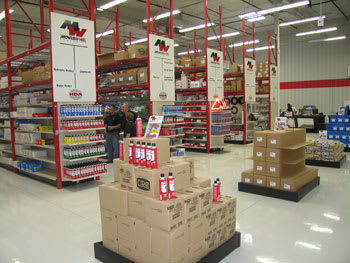
6 min to read
Maintenance managers are cannibalizing parked trucks for parts when they can, and looking harder than ever to find the best deal on the parts they do buy.
"A lot of fleets are facing parts-buying decisions they've never had in the past," says Jeff Sass, general marketing manager at Paccar Parts. That's because many fleets that previously traded in their trucks every three years are now keeping them longer, which takes a lot of those trucks out of warranty. "Now they're on their own," Sass says.
The simplest option has always been to buy original equipment parts - the exact same brands that were on the truck when you bought it.
"Vehicle manufacturers have rigorous requirements they demand of their suppliers that take into consideration durability, cost, reputation of the supplier, and a battery of testing before it goes onto their vehicles," explains Bob Phillips, president and CEO of Phillips Industries, which makes electrical and air system products. "They cannot afford to have a fleet reject a $120,000 vehicle for inferior components, so they assure themselves the product is right."
Paccar's Sass says while that's true, "On the flip side, those OE parts can be a little more expensive, and there are a lot of substitute parts that will fit and work with the truck as well."
Those may include:
* recognized brand-name aftermarket parts
* private-label all-makes parts from OE dealerships like Freightliner's Alliance brand, Paccar Parts' several private-label brands, or Navistar's new PartSmart line
* private-label parts from aftermarket distributor organizations such as Vipar, Heavy Duty America, FleetPride or NAPA's Traction
* remanufactured components.
You will also find generic-type "white box" aftermarket parts, but experts caution that the quality of these may not be up to snuff.
"It is more than possible in this market to find a good price and high-quality part that can be trusted to ensure maximum uptime," says Paul Tuomi, director of dealer and fleet parts sales for Daimler Trucks North America.
Fleets prefer buying the OE brand, according to a 2009 fleet study by CK Commercial Vehicle Research, with respondents saying 76 percent of the time they buy OE replacement parts for tractors, 66 percent of the time for trailers.
There are specific situations, however, where fleets use non-OE aftermarket parts, especially for regular maintenance items such as brake shoes, filters, lighting and the like. Price and availability also factor in to that decision. If the aftermarket part is available faster and/or cheaper, and the fleet feels confident of the quality, that's likely to tip the decision away from the OE part.
Some fleets refuse to buy anything but OE parts; one even told the CK researchers that since an OE part was no longer available for one of his trucks, that truck "had to go." At the other end of the scale are fleets who would buy only aftermarket parts if it were possible.
But many of the people we talked to say that especially in the current economy, more fleets are considering lower-price alternatives.
"In the last two years, we're seeing good quality value-line product become more prevalent at some of the bigger fleets," says Jim Pennig, Vipar Heavy Duty's senior business development director. Fleets who in the past insisted only on OE or brand equity products, he says, are now submitting requests for quotes with another column asking for another option.
That's a trend Navistar International had in mind when it introduced its PartSmart line of private label truck parts last year, offering parts that cost up to 20 percent less than genuine, original equipment parts.
"I think there's a definite opportunity to reduce the cost per mile," says Rommel Miranda, vice president of worldwide parts sales and marketing for Navistar, but it varies by the truck owner. "When a customer really does a cost-benefit analysis of OE vs. private label vs. value line, they take into consideration the [trucking] segment and the time they're going to keep the truck in service."
1. Understand the difference between price and cost
Lew Flowers, a former fleet maintenance manager and longtime active member of the ATA's Technology and Maintenance Council, now handles national fleet sales for HD America. He knows from experience that "the fleet guy's under a lot of pressure to get the best part for the least cost. But sometimes, cost is not the whole thing. My thing is quality."
The up-front purchase price of a part may be the most obvious and easily quantifiable number, but the costs of buying parts go far beyond the price tag. How about the labor involved by the office folks who have to issue purchase orders and pay invoices? The cost of maintaining that part in inventory? The amount of time someone spent on the phone calling around trying to find the best deal? If you buy centrally to get bulk deals, what's it really costing you to put it on a truck and send it out to other terminals instead of that truck hauling freight?
What if you buy a cheaper part and it doesn't last as long as its more expensive cousin? If you save 20 percent on a part but have to buy two to reach the same life as the more expensive part, that costs you money - not even counting downtime and shop labor to replace it. What happens if a cheap fuse causes a truck fire?
"Any perceived savings achieved with the purchase of the part alone is likely to be lost many times over with only one incidence of unexpected failure," says Daimler's Tuomi. "Downtime, service labor, lost loads, driver dissatisfaction, all must be considered as a fleet determines what really constitutes a 'good price.'"
And if you end up with a substandard-quality or counterfeit part because you were so anxious to save money you weren't vigilant about quality, and that part causes a crash? The costs could be extremely high when you consider liability issues and possible lawsuits.
2. Focus on relationships
We're not talking about the kind of relationship where the sales guy from the local WD takes you to the baseball game or your truck dealer treats you to dinner. We're talking about developing true business partnerships with a limited number of trusted vendors.
Pete Painter, vice president and general manager for FleetPride's Southeast region, says customer surveys show fleets value a good salesman who can do more than give them the cheapest price. "They want someone they can trust, and they want someone 'that's got their back,' who takes care of them if they need something 5 minutes after the store closed. Get somebody you trust and that has an organization behind them to be able to deliver on their commitments, whether it's a certain delivery time, a certain price, or whatever."
Don Christopherson, director of national fleet sales for the Heavy Duty America Parts Network, says the number one trend his company is seeing is fleets consolidating their parts supplier base. He points out that it can cost from $85 to $120 every time you have to process a purchase order. Use 10 suppliers instead of two dozen, and you'll start seeing some real savings. Plus, if you use fewer suppliers, you can give each more of your business, which gives you more leverage to negotiate discounts.
Vipar's Pennig has seen the same trend. "They want to build a relationship with a supply base that allows them not only to acquire the parts at the best possible pricing, but there's also got to be other built-in advantages. Likewise for the supply chain there has to be a commitment from the fleet, so the supplier knows he's going to have a large piece of that business to justify the investment in technology or buying large quantities of product."
Pic
Subscribe to Our Newsletter
More Maintenance
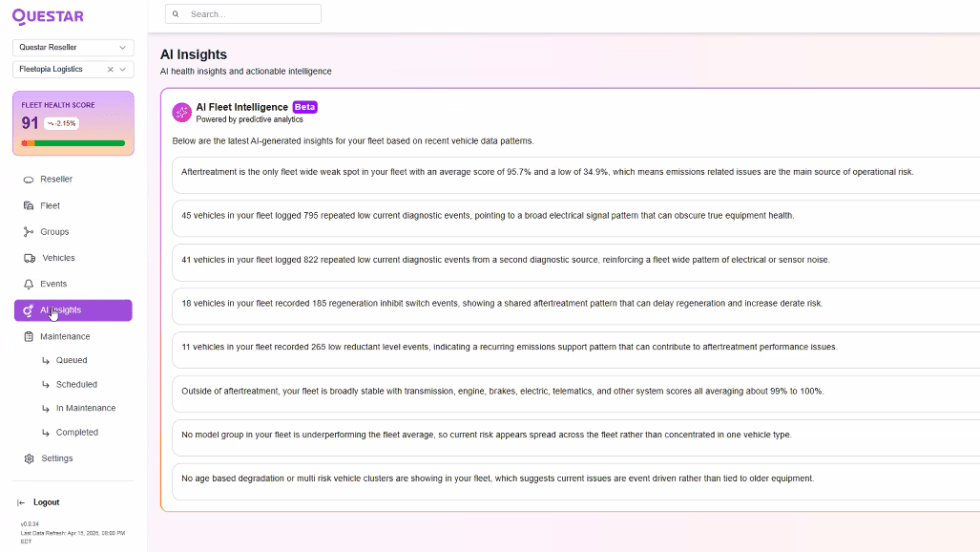
Questar Adds AI-Driven Repair Recommendations to Fleet Maintenance
Questar’s latest maintenance platform uses AI to flag potential failures, recommend repairs, and estimate the cost of waiting, helping fleets prioritize maintenance and save money and downtime.
Read More →
API Formally Approves Next-Gen Engine Oil Category for 2027 Engines
Heavy-duty engine oil marketers can begin finalizing formulations and preparing product packaging to meet the new oil specifications ahead of the January 1 licensing date.
Read More →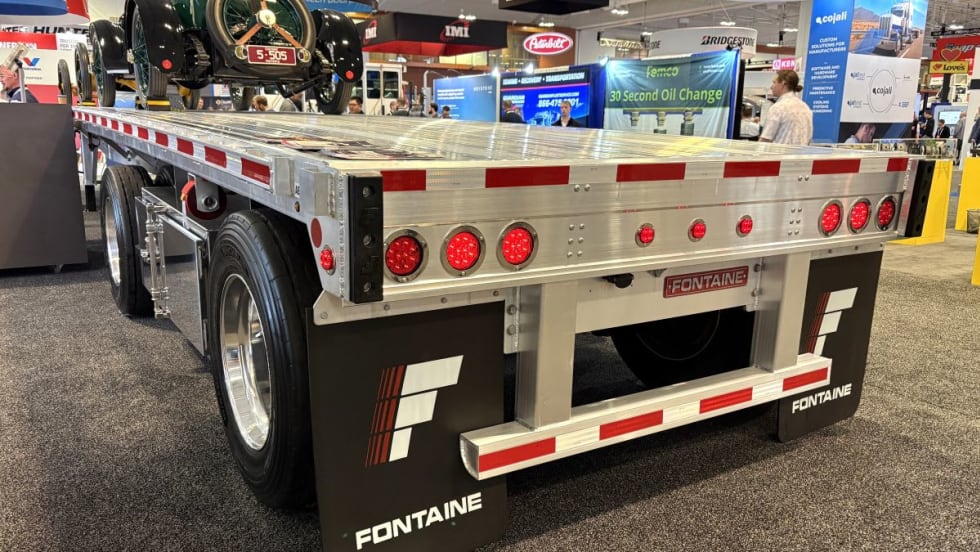
Fontaine Expands Flatbed Lineup with New Fleet-Focused Models, Eyes 2027 Launch
Fontaine is broadening its flatbed lineup with new models aimed at fleets, including a lightweight aluminum trailer expected in 2027 that emphasizes durability, repairability, and lower cost.
Read More →
Fullbay Acquires Pitstop to Strengthen AI-Powered Predictive Maintenance
Pitstop AI will use Fullbay's extensive shop data to drive predictive maintenance for trucking fleets and repair shops.
Read More →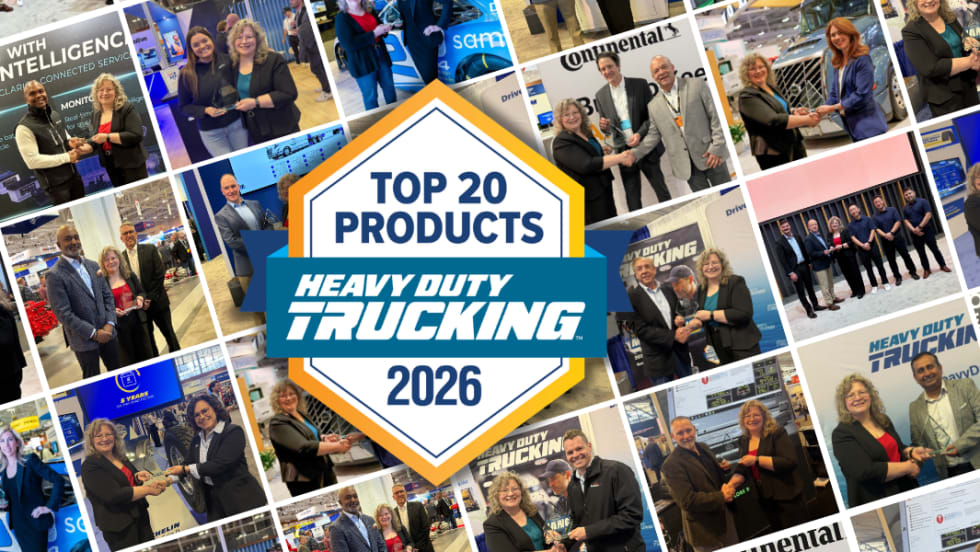
HDT Honors the Best New Products of 2025 at TMC [Photos]
Heavy Duty Trucking's Top 20 Products awards recognize the best new products and technologies. Check out the award presentations at the 2026 Technology & Maintenance Council annual meeting.
Read More →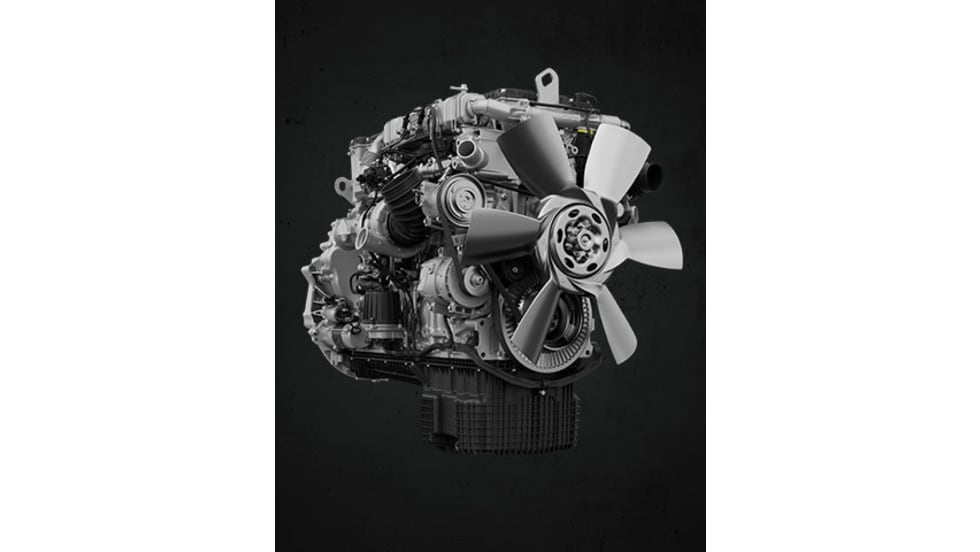
Sponsored•March 31, 2026
Detroit Engines: Trusted Performance, Built for What's Next
The Detroit® Gen 6 engine platform proves that real progress doesn’t require a complete redesign. Built on 20 years of trusted technology, these engines are designed for efficiency, stronger performance, and greater reliability than before. And they do it all while complying with 2027 EPA standards on every mile.
Read More →
EPA Targets DEF Sensor Failures Behind Truck Derates
New guidance allows engine makers to replace problematic DEF sensors with NOx-based systems, aiming to reduce unnecessary derates and downtime caused by failures in the sensors designed to monitor diesel exhaust fluid on trucks.
Read More →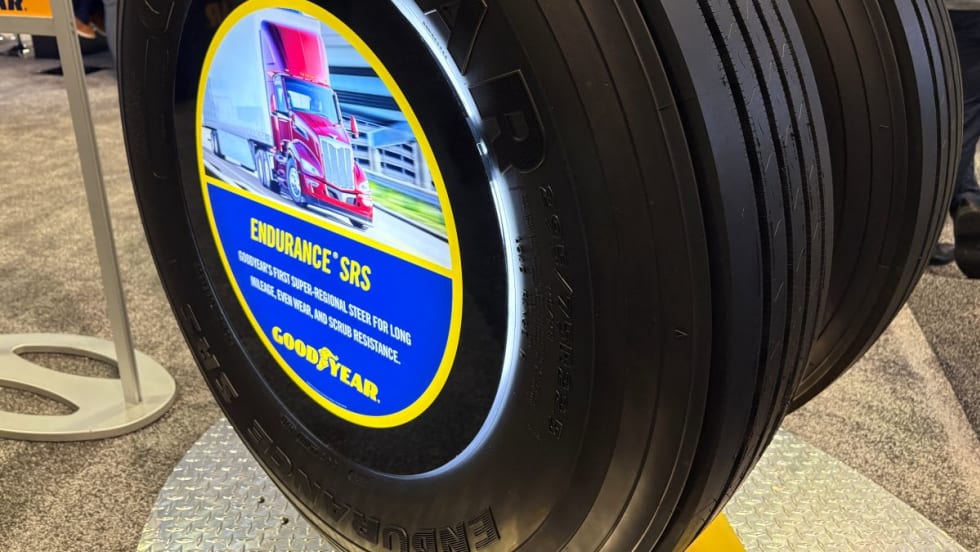
Goodyear Targets ‘Super-Regional’ Sweet Spot with New Steer Tire
Goodyear is preparing to roll out a new steer tire designed to bridge the gap between regional and linehaul for trucking fleets.
Read More →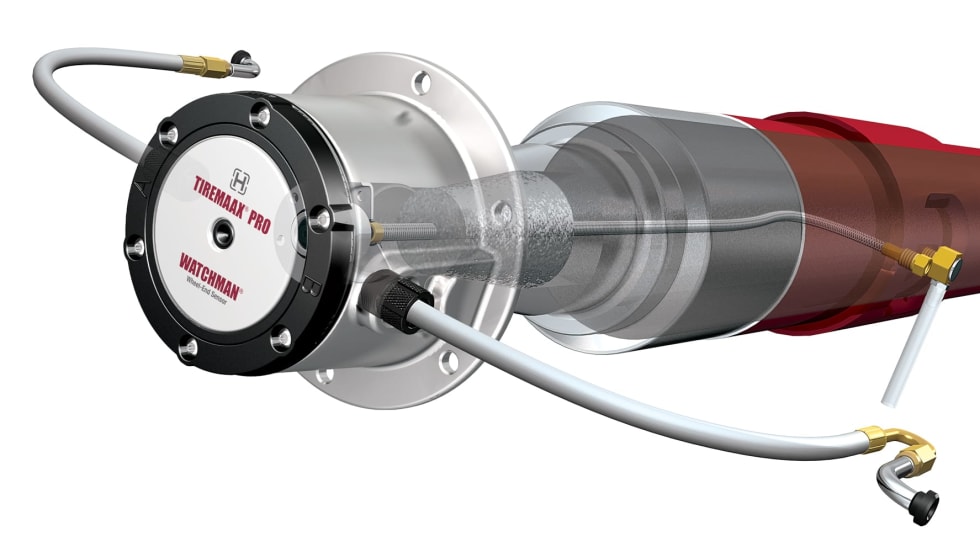
Hendrickson Unveils Watchman Smart Wheel-End System at TMC
Hendrickson’s new sensor platform integrates with its TireMaax system to deliver real-time tire and wheel-end insights, targeting uptime and cost savings.
Read More →
Over-the-Air Updates and the Modern Powertrain Explained
Over-the-air updates are moving beyond recalls, and expanding how fleets manage performance, compliance, and uptime.
Read More →