




Column: Keep Your Cool
I like cool old cars. I happen to have a couple of extra-cool, extra-old cars in a Jensen Interceptor II and a Porsche 928. But while they are cool, they don't cool very well. However, I have discovered Evans Cooling'
I like cool old cars. I happen to have a couple of extra-cool, extra-old cars in a Jensen Interceptor II and a Porsche 928. But while they are cool, they don't cool very well. However, I have discovered Evans Cooling's
NPG+ coolant.
Its big plus is that it is a non-aqueous coolant - water doesn't come into the picture. What this means is that I don't have to worry about coolant temperatures heading for the red sector of the gauge, because instead of boiling at around 220-230 degrees like a conventional coolant, Evans' stuff doesn't boil below 370 degrees. So not only does it not boil and envelope the cars in steam, it also doesn't get overheated in the hotter passages in the heads and boil locally, a bad situation that leads to head gasket failures, cylinder head cracking and so on - altogether a sad thing, especially in the case of the Porsche V8 with its overhead camshafts.
And while it's no big thing here in Southern California, it doesn't freeze, though the flow reduces so that its lowest operating point is around 40 below.
The Evans coolant gives the whole system a much better ride, as it doesn't have to be pressurized. The reason the conventional coolant is pressurized is that it would otherwise boil at 212 degrees, so under pressure, there is a little extra margin in the conventional cooling system. Since NPG+ doesn't boil and doesn't need pressure, hoses are less at risk, water pump leaks are minimized - and if you've ever changed a water pump on a 928 you'll know that this is a very good thing indeed!
Heat transfer in the difficult-to-cool areas is what it is all about. That's why just about every factory racingmotorcycle is filled with Evans product. Ferrari has used it to great advantage in Formula One racing. And stationary power applications running in the hottest climates or at high altitudes are big users, too.
The coolant is especially appropriate to big diesels because it doesn't cavitate at the liners. In fact, in tests of the NPG+ by respected laboratories, the erosion of the liner is several orders of magnitude less than the best aqueous coolants. And aqueous coolants have to be fortified with supplemental coolant additives in order to perform at all. The Evans coolant has the same advantage over the organic, long-life coolants, too. Nothing comes close for cavitation protection.
Did I say life? I will never change the coolant in my cars. For a heavy truck, you may be tempted to change at a half-million miles. And barring a problem with a hose, for instance, you will never have to add the 10 to 13 gallons a year of conventional make-up coolant, because NPG+ doesn't evaporate, either.
There has to be a downside, of course: It costs a lot compared to a standard coolant system fill. Over the counter at a consumer/racer store it runs better than $40 a gallon. In fleet quantities it would probably be half that. But it does have a payback
One of the intriguing things you can do is to raise the coolant temperature for a more efficient engine. In rigorous university testing with a 215-degree instead of 190 degree thermostat, Evans has proven a 3 percent fuel economy improvement, with a payback in as little as three months for a heavy-duty truck. If you reset the fan-on temperature in the engine ECM to 230 degrees, there are even more fuel savings to be found.
Cooling system maintenance savings are there as well. The UCLA campus, for instance, has standby power generation with 60 generator sets. By eliminating five hours of maintenance on each per year, the school is saving $100,000 annually.
All this aside, I really like the fact that the engine gets a much better ride. Here, in Los Angeles' summer traffic snarls, it's easy for the cooling system of these older cars to be compromised and those little pockets of steam up in the heads to just worry me to the point that my hands feel hotter and sweatier than the cooling system.
But no more.
From the June 2009 issue of Heavy Duty Trucking.
More Maintenance
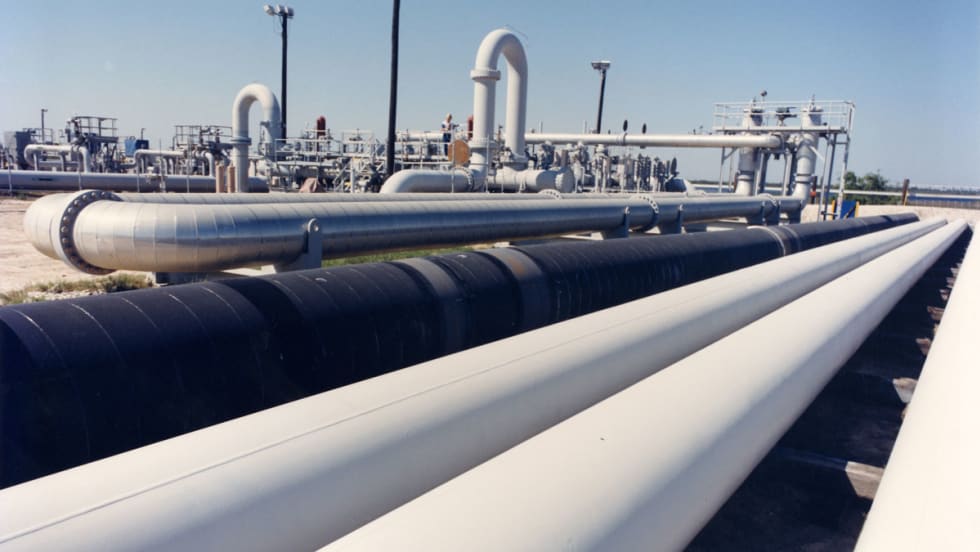
Oil Crisis Squeezes Trucking Lubricant Supplies
Fleets report higher lubricant costs as Middle East disruptions tighten supplies of ingredients used in synthetic engine oils and some driveline lubricants.
Read More →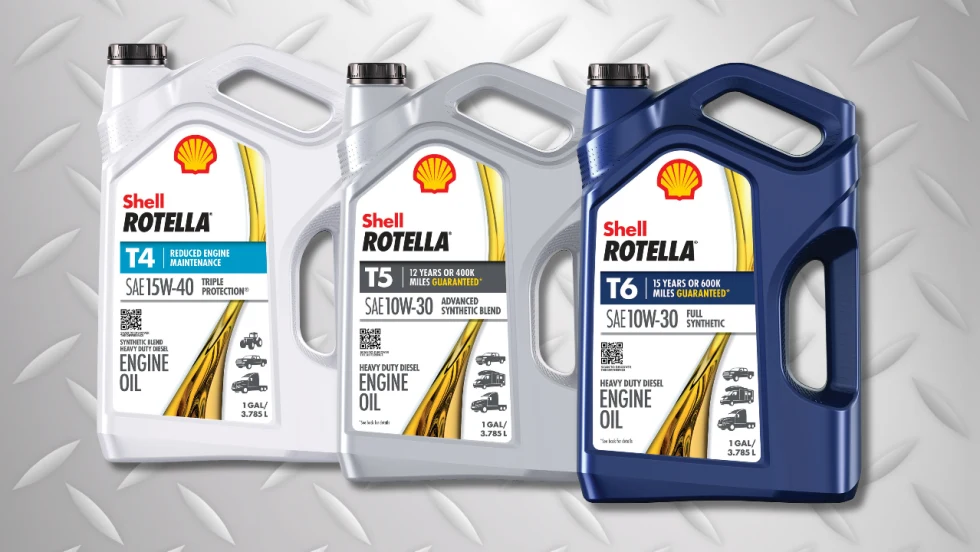
Shell Prepares Rotella Oils for 2027
New CL-4 and FB-4 formulations will begin arriving in early 2027, with improved protection against oil breakdown, wear and deposits, according to Shell.
Read More →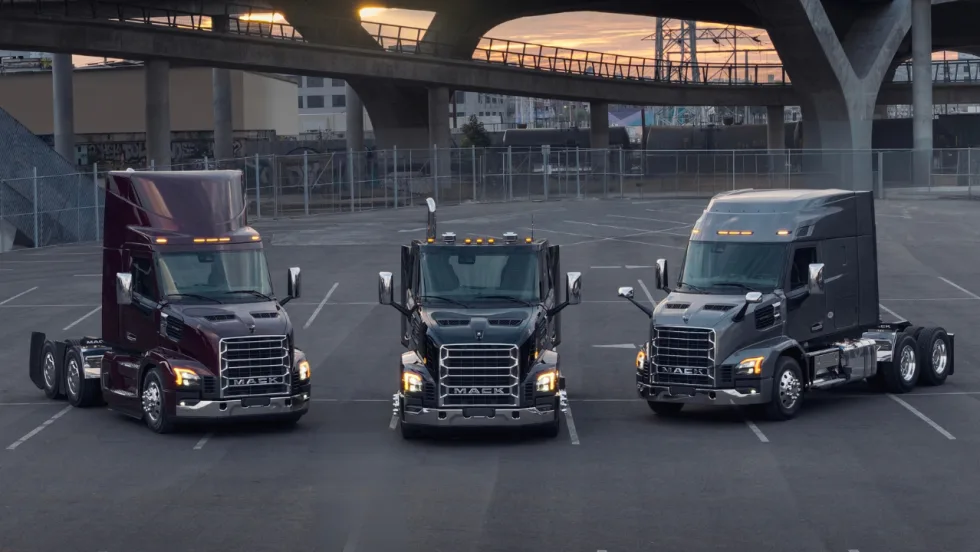
Mack Expands Extended Coverage With Four Chassis System Plans
Mack Trucks' new system-specific coverage options allow heavy-duty fleets to select protection for driveline, cab, HVAC, electronics, and advanced safety components.
Read More →
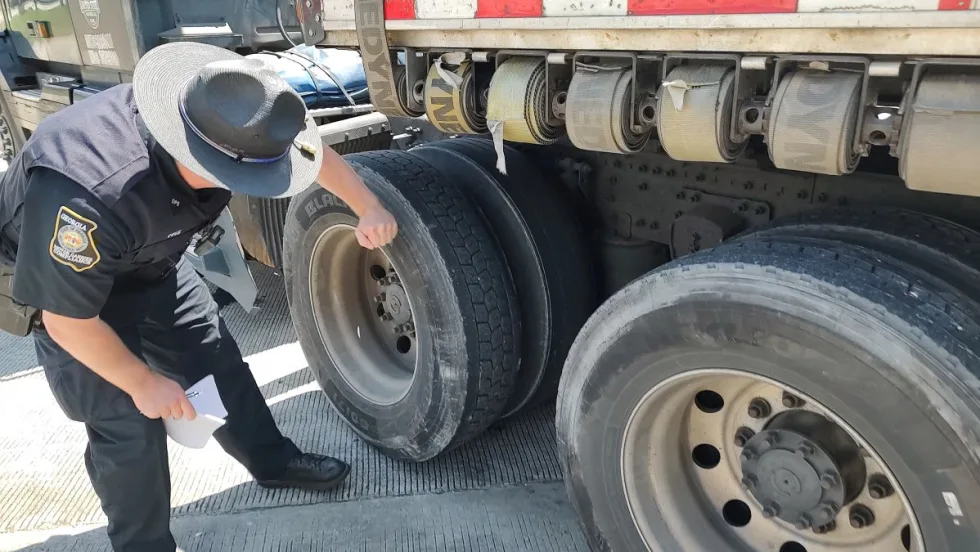
What an Out-of-Service Order Really Costs, and How to Plan for One
The repair invoice is the first number you see — and often one of the smallest. Here’s what else an out-of-service order can cost a fleet, and how planning can reduce the damage.
Read More →
International Launches Online Truck Parts Store
Fleetrite.com lets fleets and repair shops find OEM and all-makes parts, check prices and availability, and order without calling a parts counter.
Read More →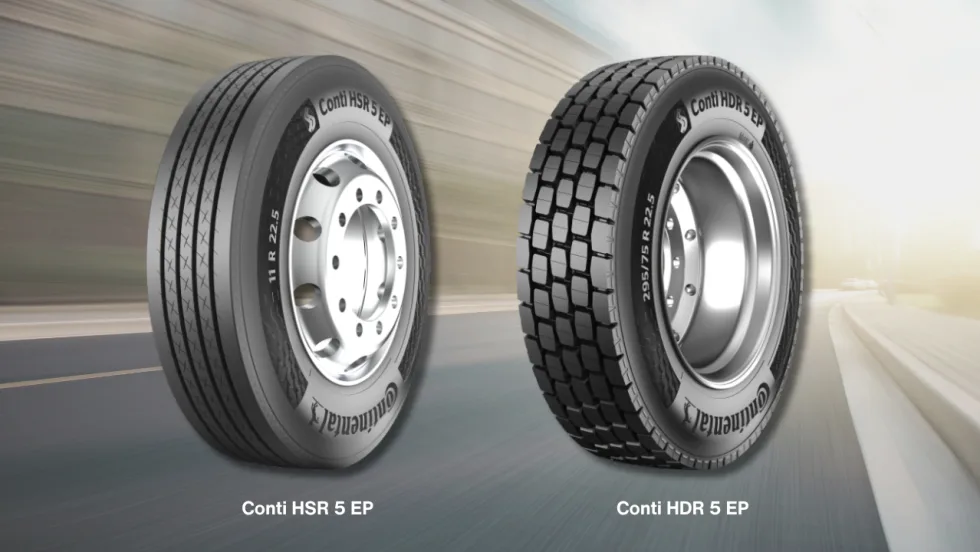
Continental Introduces New Regional Truck Tires
Continental says its new Generation 5 steer and drive tires for regional operations offer longer tread life, with estimated mileage gains of 22% and 19%, respectively.
Read More →
How AI Can Help Your Techs’ Efficiency
The technician shortage isn't going away, and no single fix can close the gap on its own. Trent Broberg makes the case that AI's real job in the shop is protecting the billable hours and job satisfaction of the techs you already have, not asking them to work faster.
Read More →
Color Match Smarter: Tools That Restore & Perform
For fleet managers and collision repair professionals keeping heavy-duty trucks on the road, getting the color right the first time isn't just about appearance — it's about efficiency, turnaround time, and bottom-line results. Discover how today's digital color tools are transforming the repair process from guesswork to precision.
Read More →
Wrong Repair Prompts Recall of Freightliner, Western Star 4x2 Trucks
DTNA is recalling more than 2,400 trucks that received an incompatible software fix instead of the hardware repair required to address brake valve corrosion.
Read More →
Truck Drivers Need More Than Another Alert
Fleets have more visibility into truck health, safety events, and driver activity than ever. The next challenge is turning all that information into useful guidance for the person who has to decide what to do next.
Read More →