The Food and Drug Administration is offering a free, one-hour training module to assist motor carriers in meeting the requirements of FDA’s Sanitary Transportation of Human and Animal Food Rule, also known as the Sanitary Transportation Rule.
by Staff
October 10, 2017
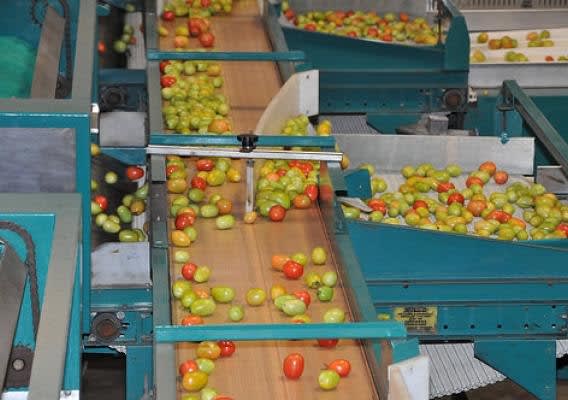
Photo: USDA
2 min to read
Photo: USDA
The Food and Drug Administration is offering a free, one-hour training module to assist motor carriers in meeting the requirements of FDA’s Sanitary Transportation of Human and Animal Food Rule, also known as the Sanitary Transportation Rule.
The Sanitary Transportation Rule requires carriers covered by the rule to provide food safety training to employees engaged in transportation operations. This applies when the carrier and shipper have agreed in a written contract that the carrier is responsible, in whole or in part, for the sanitary conditions during transportation.
Ad Loading...
Fleets are required to establish and maintain records documenting the training of operations personnel. The module can be used to:
Satisfy the minimum requirements
Complement or enhance training they currently offer
Train personnel using their own training programs
Provide training obtained from a third-party vendor or other provider
This course is designed to provide basic food safety training to transportation operations personnel, but it does not include specific operating procedures and practices. It is intended to complement industry best practices already in place.
The new module will help carriers recognize their responsibilities as specified in the Sanitary Transportation Rule, identify potential food safety problems during transport, and highlight common ways to prevent food safety problems.
The FDA offers two ways transportation operations personnel can complete the module, either through an online course or by downloading the course files and importing them into their own learning management system.
Cargo theft has shifted from parking-lot break-ins to organized international schemes using double brokering, phishing, and even spoofing tracking signals. In this HDT Talks Trucking video podcast episode, cargo-theft investigator Scott Cornell explains what’s changed and what fleets need to do now.
Daimler Truck’s David Carson sees early signs of tightening capacity — yet buyers remain wary, extending trade cycles and resisting a pre-2027 emissions surge.
The American Transportation Research Institute's annual analysis of truck speeds through congested interchanges yielded a new worst bottleneck this year.
From pricing intelligence and compliance tools to charging infrastructure, diagnostics, tires, and AI, HDT’s 2026 Top 20 Products recognize the new tools, technologies, and ideas heavy-duty trucking fleets are using to run their businesses.
Artificial intelligence is evolving faster than fleets can keep up, and telematics must evolve with it, Cawse said during Geotab Connect. The future? A single AI coordinating every system — and leaders who know how to guide it.
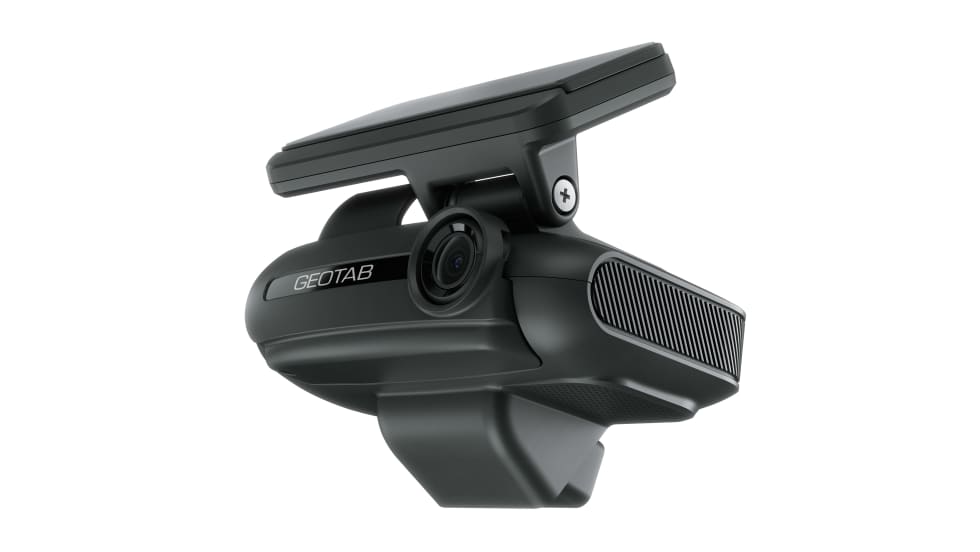
Geotab launches GO Focus Pro, an AI-powered 360-degree dash cam designed to reduce collisions, prevent fraud, and protect fleets from nuclear verdict risk.