





The rule establishes requirements for vehicles and transportation equipment, transportation operations, records and training.
FDA Reveals Final Rule for Hauling Food Safely
The Food and Drug Administration announced on Feb. 5 that it has finalized a rule that will require certain shippers, loaders, carriers by motor or rail vehicle, and receivers involved in transporting human and animal food to use sanitary practices to ensure the safety of that food.
April 5, 2016
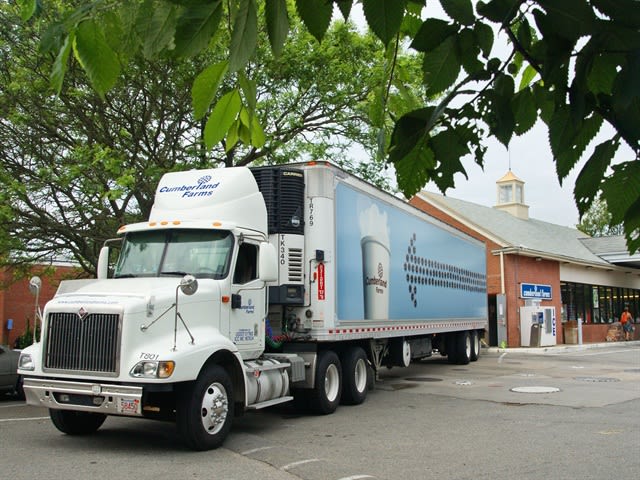
Final FDA Sanitary Transportation of Human and Animal Food rule differs in numerous ways from the agency's original proposal.
5 min to read
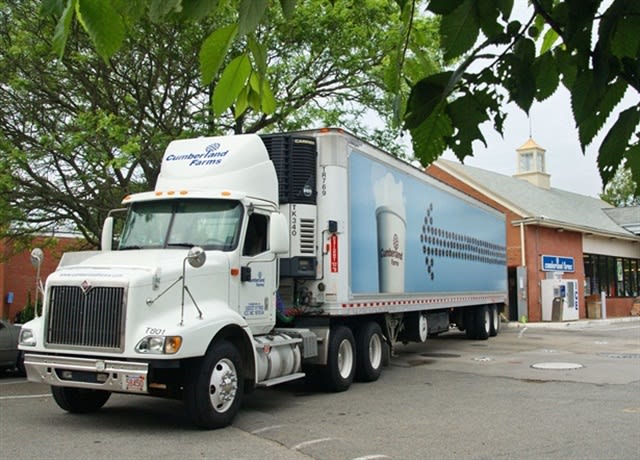
Final FDA Sanitary Transportation of Human and Animal Food rule differs in numerous ways from the agency's original proposal.
The Food and Drug Administration announced on Feb. 5 that it has finalized a rule that will require certain shippers, loaders, carriers by motor or rail vehicle, and receivers involved in transporting human and animal food to use sanitary practices to ensure the safety of that food.
The final rule differs from the agency's proposal in several key ways. The rule is slated to be published in the Federal Register for April 6.
The FDA Food Safety Modernization Act (FSMA) rule on Sanitary Transportation of Human and Animal Food is the last of seven final “foundational rules” rolled out since January 2013 “to create a modern, risk-based framework for food safety,” the agency stated. The rule also complies with the Sanitary Food Transportation Act (SFTA) of 2005.
FDA said the food-transport rule aims “to prevent practices during transportation that create food safety risks, such as failure to properly refrigerate food, inadequate cleaning of vehicles between loads, and failure to properly protect food.”
Some operations in the food chain will be exempt from the rule, including shippers, receivers, and carriers that have less than $500,000 in average annual revenue.
The rule establishes requirements for vehicles and transportation equipment, transportation operations, records, and training:
Vehicles and transportation equipment. “The design and maintenance of vehicles and transportation equipment to ensure that it does not cause the food that it transports to become unsafe. For example, they must be suitable and adequately cleanable for their intended use and capable of maintaining temperatures necessary for the safe transport of food.”
Transportation operations. “The measures taken during transportation to ensure food safety, such as adequate temperature controls, preventing contamination of ready to eat food from touching raw food, protection of food from contamination by non-food items in the same load or previous load, and protection of food from cross-contact, i.e., the unintentional incorporation of a food allergen.”
Training. “Training of carrier personnel in sanitary transportation practices and documentation of the training. This training is required when the carrier and shipper agree that the carrier is responsible for sanitary conditions during transport.”
Records: “Maintenance of records of written procedures, agreements and training (required of carriers). The required retention time for these records depends upon the type of record and when the covered activity occurred, but does not exceed 12 months.”
For motor carriers, the final rule differs from FDA's original proposal in these significant ways:
The definition of “transportation operations” has been changed to exclude the transport of foods completely enclosed by a container -- except food that requires temperature control for safety. The agency noted that the proposal rule had specified that the enclosed foods must be “shelf-stable,” that is safely stored at room temperature in a sealed container.
Also now excluded from the rule is the transport of “food contact substances,” which include coatings, plastics, paper, and adhesives as well as colorants, antimicrobials, and antioxidants found in packaging, and human food byproducts for use as animal food without further processing, such as those sold directly to farmers to be fed to livestock.
The final rule clarifies that the intended use of the vehicle or equipment (transporting animal feed vs. human food) and the “production stage” of the food being transported (raw materials vs. finished products) are relevant in determining sanitary transportation requirements.
Specific requirements for a temperature indicating or recording device during transport have been replaced with “a more flexible approach.” Instead, the shipper and carrier can agree to a temperature monitoring mechanism for foods that require temperature control for safety.
Carriers will need to demonstrate requested temperature conditions were maintained only upon request -- rather than as a requirement for every shipment, as originally proposed.
If a covered person or company becomes aware of a possible failure of temperature control or any other condition that may render a food unsafe, that food must not be sold or distributed until a determination of safety is made.
“Loaders” have been added as a covered party. These are defined as persons who physically load food onto a vehicle. Before loading a food not completely enclosed by a container, the loader must determine that the transportation equipment is in appropriate sanitary condition. And before loading a food requiring temperature control, the loader must determine that each mechanically refrigerated cold storage compartment is adequately prepared for refrigerated transportation, including precooling, if necessary.
Primary responsibility for determining appropriate transportation operations now rests with the shipper, which “may rely on contractual agreements to assign some of these responsibilities to other parties.”
FDA noted that it announced back when it issued its proposed rule in 2014 that it would publish waivers for at least these two groups:
Shippers, carriers and receivers that hold valid permits and are inspected under the National Conference on Interstate Milk Shipments (NCIMS) Grade “A” Milk Safety program. This waiver only applies when Grade A milk and milk products— those produced under certain sanitary conditions—are being transported.
Food establishments holding valid permits issued by a relevant regulatory authority, such as a state or tribal agency, when engaged as receivers, shippers and carriers in operations in which food is relinquished to customers after being transported from the establishment. Examples include restaurants, supermarkets, and home grocery delivery operations.
The agency said it intends to publish these waivers in the Federal Register prior to the date businesses are required to comply with the new rule.
Businesses that are not “small” or not otherwise excluded from coverage will have to comply with the new food-safety transport rule one year after publication of the final rule.
Small businesses will have two years to comply. FDA defines these as businesses other than motor carriers that are not also shippers and/or receivers employing fewer than 500 persons and motor carriers having less than $27.5 million in annual receipts.
More Fleet Management

What the U.S.-Canada Trade War Means for Trucking
Escalating U.S.-Canada tariffs could disrupt cross-border freight, reduce truck volumes, raise costs, and create new uncertainty for carriers on both sides of the border.
Read More →
What Are Trucking’s Top Concerns for 2026?
The American Transportation Research Institute wants to know what's worrying trucking fleet managers, drivers, and other stakeholders in its annual Industry Issues survey.
Read More →
American Trucking Associations Looks for a New Leader
ATA President and CEO Chris Spear abruptly left his job at the association on August 21, at a pivotal time for the trucking industry.
Read More →
Public Wi-Fi Cybersecurity Risks: How Truck Drivers and Fleets Can Protect Their Data
Public Wi-Fi can expose truck drivers and fleets to credential theft, malware, and other cyber threats. Here’s how to reduce the risk on the road.
Read More →
For Nicky Cupp, Fleet Innovation Starts With Frustration
HDT Truck Fleet Innovator Nicky Cupp turns everyday pain points at Fraley & Schilling into opportunities for better technology and smarter processes.
Read More →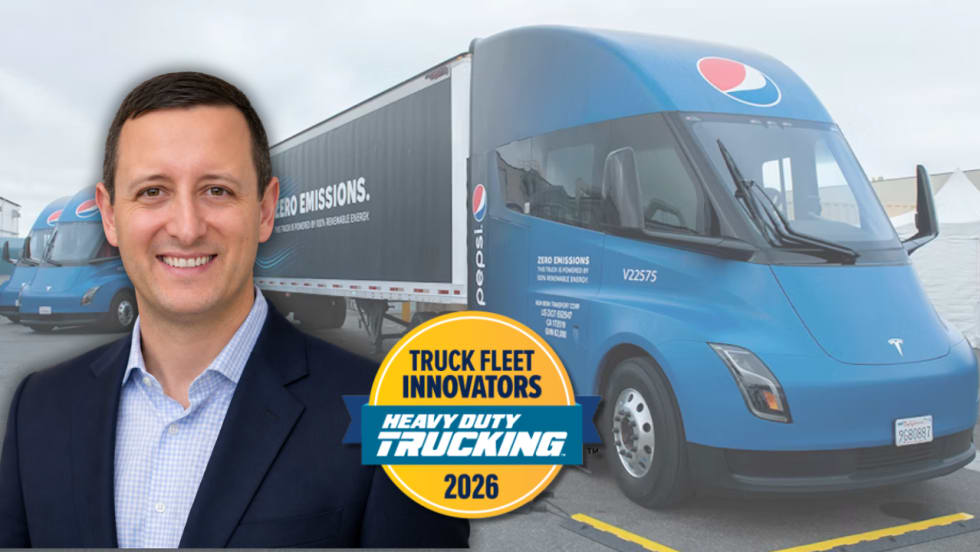
Adam Buttgenbach’s Approach to Electric Trucks: Start With Where They Fit
HDT Truck Fleet Innovator Adam Buttgenbach helped PepsiCo build one of North America’s largest EV fleets by focusing on where electric trucks make operational sense.
Read More →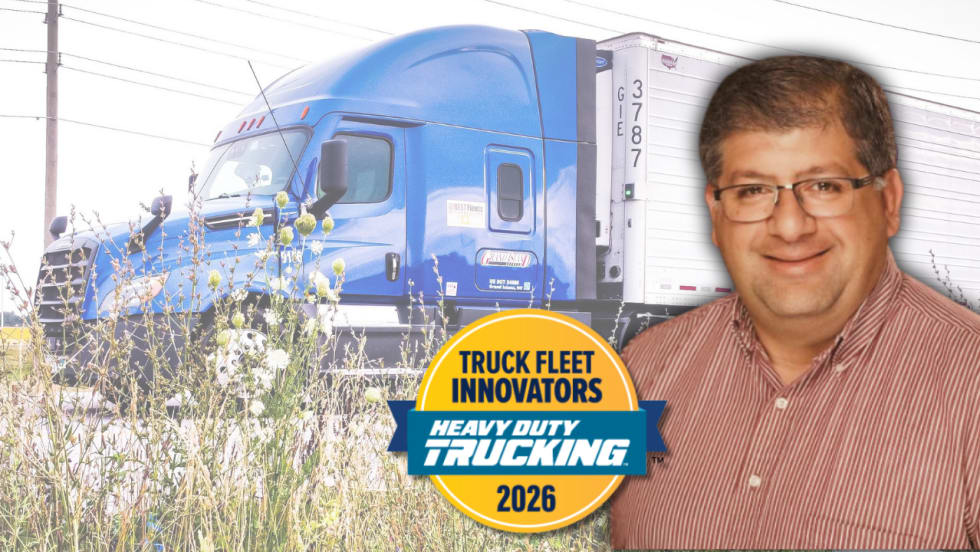
Deen Albert: Let Automation Do the Math, People Make the Decisions
HDT Truck Fleet Innovator Deen Albert makes sure people are still at the heart of operations at Grand Island Express, even while adopting artificial intelligence tools. AI-assisted dispatch helped boost revenue 25% with the same number of trucks.
Read More →
Trimble’s New AI Agent Takes Aim at Fleet Back-Office Busywork
Arc Agent works across Trimble TMS products to automate repetitive tasks such as freight orders, maintenance, invoices, fuel costs and more.
Read More →
How HDT’s 2026 Truck Fleet Innovators Are Rethinking Fleet Operations
Meet five trucking leaders who are challenging assumptions, solving operational problems, and putting innovative ideas to work.
Read More →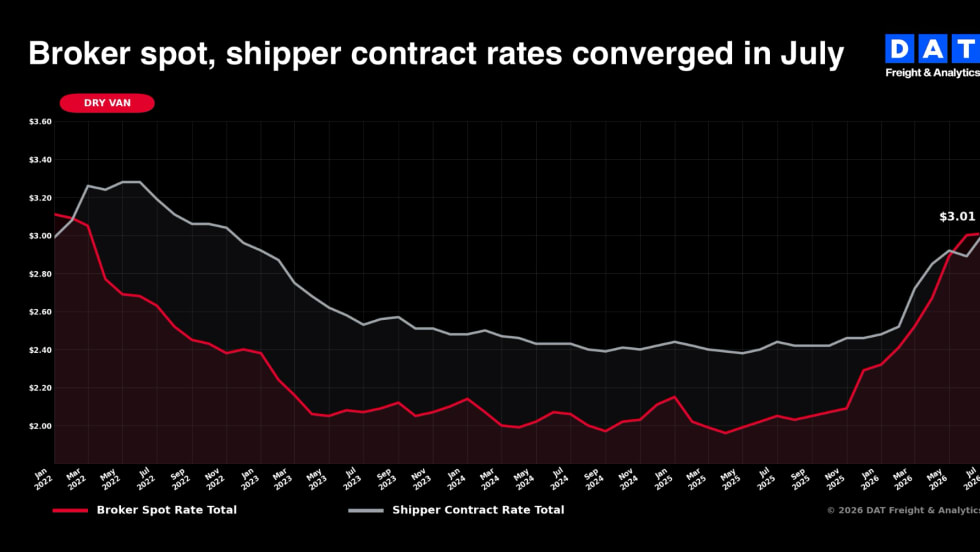
Tight Trucking Capacity Pushes Rates Higher Even as Freight Volumes Fall
“Spot rates moving ahead of contract rates have historically signaled a tightening market, but we haven’t seen a capacity-driven market quite like this one,” said DAT's Dean Croke.
Read More →