




Just months before new greenhouse gas and fuel efficiency rules affecting trailers and glider kits are scheduled to start taking effect, the U.S. Environmental Protection Agency says it plans to revisit those rules.
 MENU
MENU SEARCH
Just months before new greenhouse gas and fuel efficiency rules affecting trailers and glider kits are scheduled to start taking effect, the U.S. Environmental Protection Agency says it plans to revisit those rules.
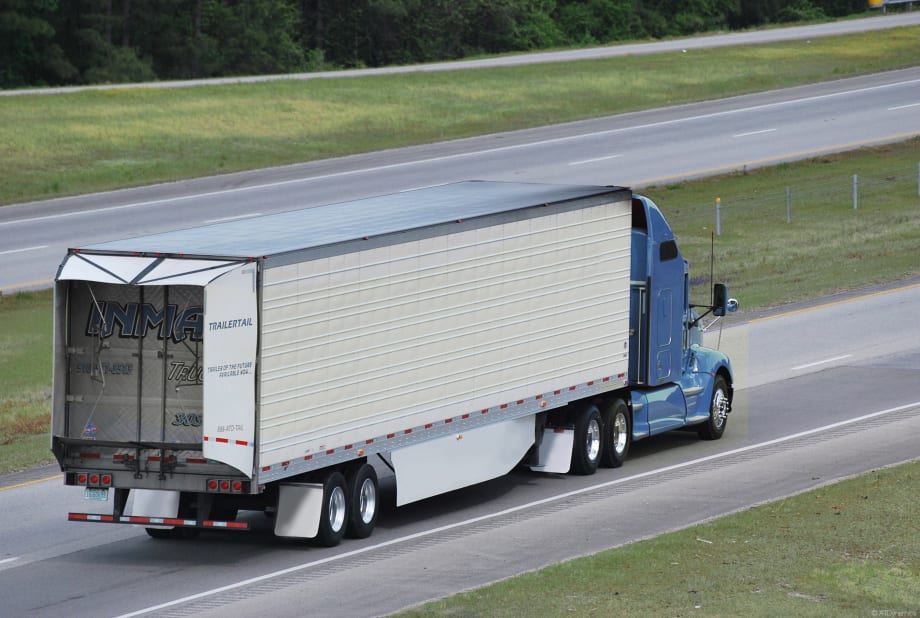
Many fuel economy experts say trailers need to be part of the equation. Photo: TrailerTails
Just months before new greenhouse gas and fuel efficiency rules affecting trailers and glider kits are scheduled to start taking effect, the U.S. Environmental Protection Agency says it plans to revisit those rules.
The EPA announced Thursday that it will revisit provisions of the Phase 2 Greenhouse Gas Emissions and Fuel Efficiency Standards, following concerns raised by stakeholders in the trailer and glider industry.
“We intend to initiate a rulemaking process that incorporates the latest technical data and is wholly consistent with our authority under the Clean Air Act,” said EPA Administrator Scott Pruitt in an announcement.
In September 2011, EPA and the National Highway Traffic Safety Administration issued greenhouse gas emissions and fuel efficiency standards for medium- and heavy-duty vehicles for model year 2014-2018 (“Phase 1”). These standards applied to newly manufactured engines, tractors, vocational vehicles, large pickups, and vans. In October 2016, EPA and NHTSA updated the standards for medium- and heavy-duty vehicles MY 2021-2027 (“Phase 2”), and in addition to more stringent standards for tractors, also for the first time regulated trailers and gliders, with compliance deadlines beginning in 2018.
However, the trailer and glider kit sectors have argued that EPA lacks authority to regulate them under the Clean Air Act because their products are not self-propelled “motor vehicles.”
In addition, trailer makers contend that the agency overestimated the potential benefit, greatly overestimating average highway speeds for trailers and not taking into account how local and regional fleets would be affected.
According to InsideEPA.com, it is unclear how the Thursday announcement relates to a lawsuit filed against the EPA by trailer makers and the glider kit industry, Truck Trailer Manufacturers Association (TTMA) v. EPA, et al. InsideEPA.com reports that one source familiar with the trailer litigation said EPA sought to get TTMA to agree to settle the case by offering to revisit the requirements, but the association declined because it wants to go to court.
Meanwhile, there is a bill moving through the House Energy & Commerce Committee, H.R. 3570, that would explicitly exempt trailers from Clean Air Act regulation.
The Environmental Defense Fund criticized the EPA's move, saying in a press release, “EPA and DOT’s plans to weaken the trailer standards are in capitulation to industry requests, ignoring the robust technical record confirming the cost effectiveness of pollution control technologies and efficiency standards for trailers, and the firm legal basis for these standards.”
“Rolling back clean air and fuel efficiency standards for our nation’s freight haulers would cost consumers and truckers money and mean more harmful pollution for our communities and families. These common-sense standards reduce our country’s reliance on imported oil, save money, and help keep Americans safe from the clear and present danger of climate change,” said EDF Attorney Alice Henderson.

Listen as Mike Roeth of the North American Council for Freight Efficiency shares insights into battery-electric trucks, natural gas, biofuels, and clean diesel on this episode of HDT Talks Trucking.
Read More →
NACFE's Run on Less - Messy Middle project demonstrates the power of data in helping to guide the future of alternative fuels and powertrains for heavy-duty trucks.
Read More →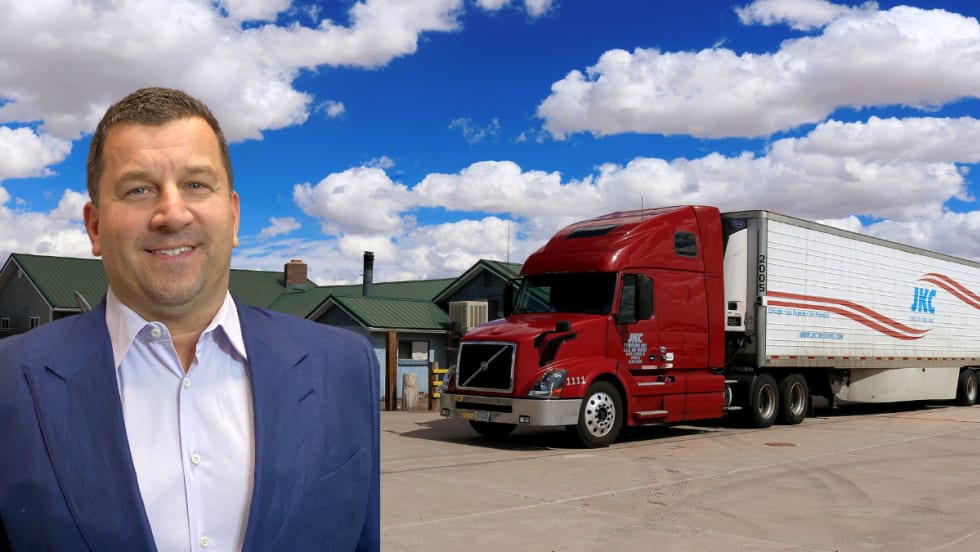
Mike Kucharski, vice president of refrigerated carrier JKC Trucking, says diesel price jumps tied to global instability are squeezing carriers already struggling with weak freight rates.
Read More →
In today’s cost-conscious market, fleets are finding new ways to get more value from every truck on the road. See how smarter maintenance strategies can boost uptime, control costs and drive stronger long-term returns.
Read More →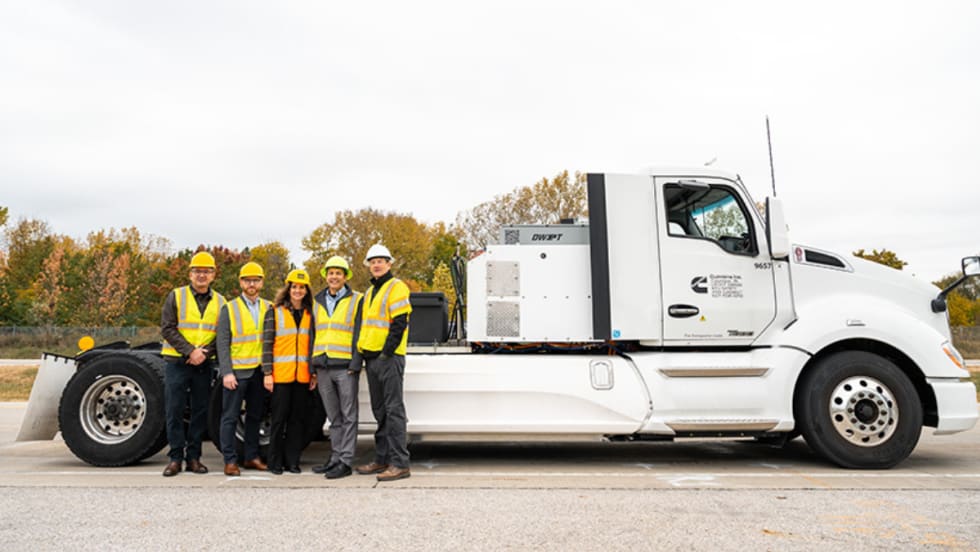
Purdue researchers demonstrated a high-power wireless charging system capable of delivering energy to electric heavy-duty trucks at highway speeds, advancing the concept of electrified roadways for freight transportation.
Read More →
The Environmental Protection Agency is asking diesel engine makers to provide information about diesel exhaust fluid system failures as it considers changes to emissions regulations.
Read More →
6 intelligent dashcam tactics to improve safety and boost ROI
Read More →
The Environmental Protection Agency said California can’t enforce its Heavy-Duty Inspection and Maintenance Regulation, known as Clean Truck Check, on vehicles registered outside the state. But California said it will keep enforcing the rule.
Read More →
The Trump administration has announced it will no longer criminally prosecute “diesel delete” cases of truck owners altering emissions systems in violation of EPA regulations. What does that mean for heavy-duty fleets?
Read More →
Natural gas is quietly building a reputation as a clean, affordable, and reliable alternative fuel for long-haul trucks. And Ian MacDonald with Hexagon Agility says the Cummins X15N is a big reason why.
Read More →