Another Hail Mary Pass has been flung to try and slow the advance of the electronic logging device rule. Rep. Brian Babin has introduced the ELD Extension Act of 2017, which seeks to extend the current initial implementation date for the ELD mandate.
David Cullen・[Former] Business/Washington Contributing Editor
Another Hail Mary Pass has been flung to try and slow the advance of the electronic logging device rule. On July 18, Rep. Brian Babin (R-TX) introduced the ELD Extension Act of 2017 (H.R.3282) to extend the current initial implementation date for the ELD mandate from December 2017 to December 2019. The bill has been referred for consideration by the House Transportation and Infrastructure Committee.
The day before Babin’s bill came out, the House Transportation Committee attached a rider to the DOT funding bill that could end up delaying or repealing the electronic logging device mandate.
Ad Loading...
Both Babin’s bill (either as a standalone act or attached to other legislation) and the committee’s rider would have to survive the legislative maw of the House and Senate — even tougher to do in this very turbulent year on Capitol Hill — to end up as final legislation and then be signed into law by President Trump before the ELD mandate could be slowed or stopped.
The political reality is that it is only remotely possible that either measure will become law. And even if one did, it would more than likely not be in place before the mandate kicks in this December.
The Owner-Operator Independent Drivers Association applauded the new bill. “We thank Rep. Babin for realizing the serious problems associated with implementation that can only be avoided by putting off the mandate,” said Todd Spencer, OOIDA executive vice president.
“The agency has failed to answer important questions from Congress and industry stakeholders about this mandate,” he continued. “This includes issues related to enforcement, connectivity, data transfers, cybersecurity vulnerabilities, and many other legitimate, real-world concerns.”
For an industry that has watched this issue go back and forth for years, the independent contractor proposal marks the latest swing in the regulatory pendulum.
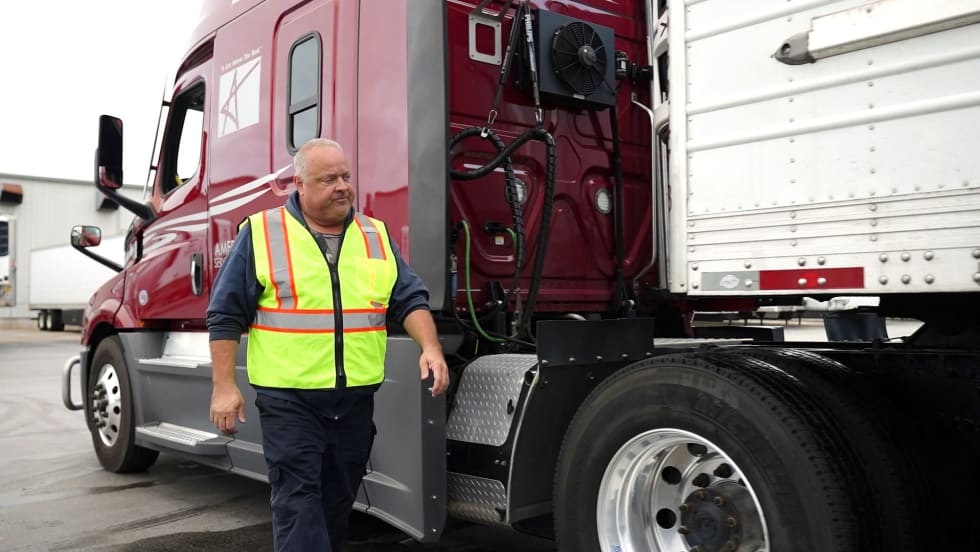
America’s Service Line adopted Link’s SmartValve and ROI Cabmate systems to address whole-body vibration, repetitive strain, and driver turnover. The trucking fleet is already seeing measurable results.
The Federal Motor Carrier Safety Administration issued more than 550 notices of proposed removal to commercial driver training providers following a five-day nationwide enforcement sweep. Investigators cited unqualified instructors, improper training vehicles, and failure to meet federal and state requirements.
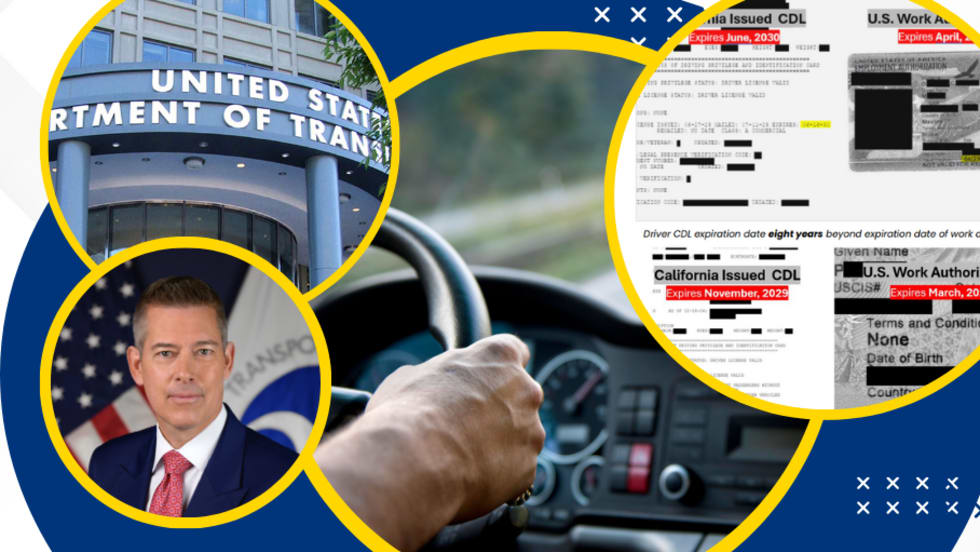
Illinois is the latest state targeted and threatened with the loss of highway funding by the U.S. Department of Transportation in its review of states' non-domiciled CDL issuance procedures. The state is pushing back.
After a legal pause last fall, FMCSA has finalized its rule limiting non-domiciled commercial driver's licenses. The agency says the change closes a safety gap, and its revised economic analysis suggests workforce effects will be more gradual than first thought.
Listen as transportation attorney and TruckSafe Consulting President Brandon Wiseman joins the HDT Talks Trucking podcast to unpack the “regulatory turbulence” of last year and what it means for trucking fleets in 2026.