




New Jersey lawmakers have approved a bipartisan deal that not only raises fuel taxes in the Garden State for the first time in three decades, it substantially hikes them— by 23 cents per gallon for gasoline and by 27 cents for diesel.
 MENU
MENU SEARCH
New Jersey lawmakers have approved a bipartisan deal that not only raises fuel taxes in the Garden State for the first time in three decades, it substantially hikes them— by 23 cents per gallon for gasoline and by 27 cents for diesel.
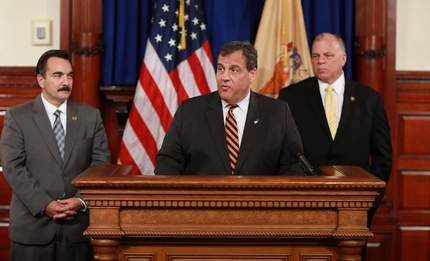
Gov. Christie speaking at announcement of fuel-tax deal with Assembly Speaker Vincent Prieto (left) and State Senate President Steve Sweeney (right) looking on. Photo: New Jersey Governor’s Office/Tim Larsen
New Jersey lawmakers have approved a bipartisan deal that not only raises fuel taxes in the Garden State for the first time in three decades, it substantially hikes them— by 23 cents per gallon for gasoline and by 27 cents for diesel.
The New Jersey Senate and Assembly both passed the bill on Oct. 7 and Gov. Chris Christie (R) is expected to sign it within the month, resulting in the first fuel-tax increase for the state since 1988.
The compromise measure was crafted by Christie and the leaders of the Democratic-controlled legislature, Senate President Stephen Sweeney (D-Gloucester) and Assembly Speaker Vincent Prieto (D-Hudson) to replenish the state’s Transportation Trust Fund. The TTF was drained as of early this summer, leading the governor to halt all non-emergency roadwork on July 8.
The New Jersey Motor Truck Association said on Oct. 11 that the gasoline tax increase should go into effect on Nov. 1 while the diesel hike will be implemented in two stages starting next year: The first increase will come on January 1 and the second on July 1.
NJMTA said in a statement that its lobbying effort “was able to get a delayed implementation on diesel as many of our members operate with contracts. Unfortunately, the delay in passage reduced the deal from six months to two-and-a-half months’ notification.”
The exact amount for each stage has not been determined yet, NJMTA noted. “Per the bill, the first increase on January 1, 2017 would be 70%, or approximately 18.9 cents, and on July 1 [it would be] approximately 8.1 cents. The initial rate will be determined by a survey of the statewide price on July 1, 2016 and adjusted quarterly thereafter.” The association added that is seeking confirmation of those exact amounts.
It has been estimated that the higher fuel taxes will account for about $1.2 billion of the $2 billion earmarked annually for the TTF by Christie. Under the governor’s plan, the state will borrow the rest. The bipartisan deal includes measures to offset the resulting higher fuel costs with other tax cuts.
In a press release, Christie said the agreement reflected the need for “a reliable, dedicated source of revenue” for the TTF “and a compromise that includes the first broad-based tax relief for New Jersey residents since 1994.”
Thus, the bill also slices the state’s sales tax from 7% to 6.6%; increases its Earned Income Tax Credit from 30% to 35%; raises income tax exemptions for retirees; and provides other tax relief such as eliminating the estate tax.
While fuel taxes are now expected to fund $16 billion of highway and rail projects over the next eight years, those tax cuts sought by Christie did not sit well with Moody’s Investor Services, per a Bloomberg report.
The rating agency gave the scheme a “credit negative” outlook, contending the tax offsets will result in a $1 billion drop in the state’s general fund by 2021.
"The net effect of the revenue package is credit negative because it will strain the state’s operating budget amid rapidly rising pension contributions and below-average revenue growth," stated Moody’s in a release.
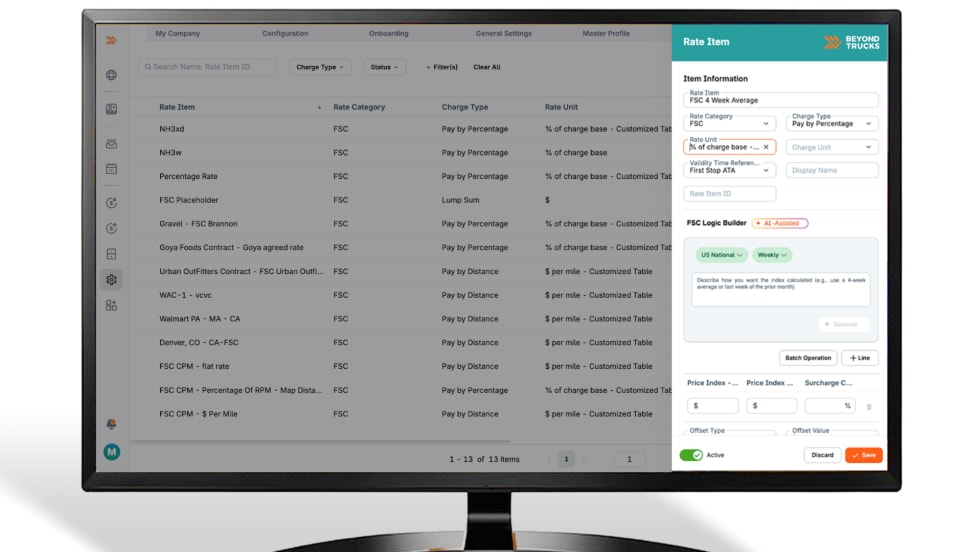
BeyondTrucks says its new RateAgents can turn plain-language rate logic into working code, starting with fuel surcharges — a critical but notoriously complex piece of carrier revenue.
Read More →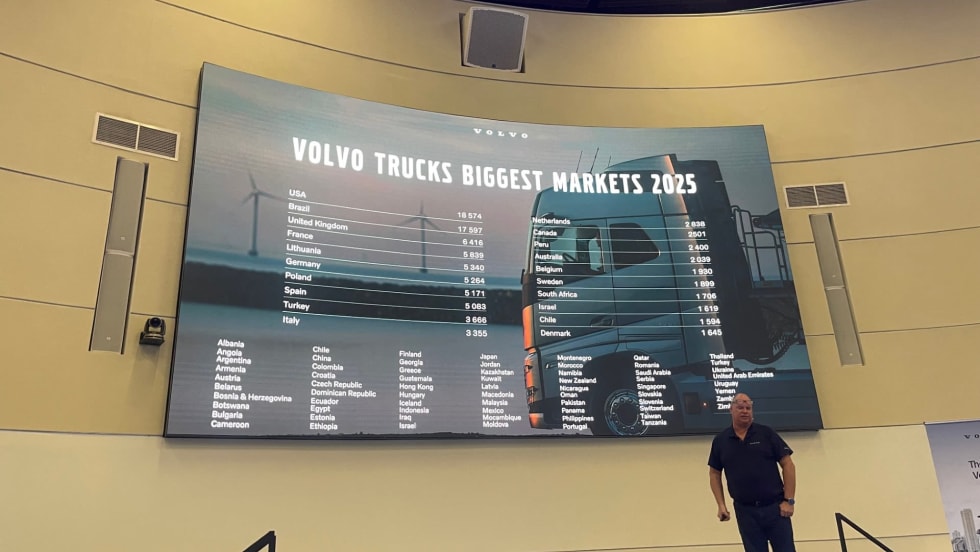
Soft freight conditions persist, but aging fleets, strong order intake, and new-product momentum signal a more optimistic second half of 2026, Volvo Trucks North America says.
Read More →
Cargo theft is evolving from regional smash-and-grab operations to sophisticated fraud schemes. Strategic theft now accounts for roughly a third of cargo crime, with incidents rising sharply in recent years. Here’s how the schemes work — and what fleets can do to protect themselves.
Read More →
Heavy Duty Trucking's Top 20 Products awards recognize the best new products and technologies. Check out the award presentations at the 2026 Technology & Maintenance Council annual meeting.
Read More →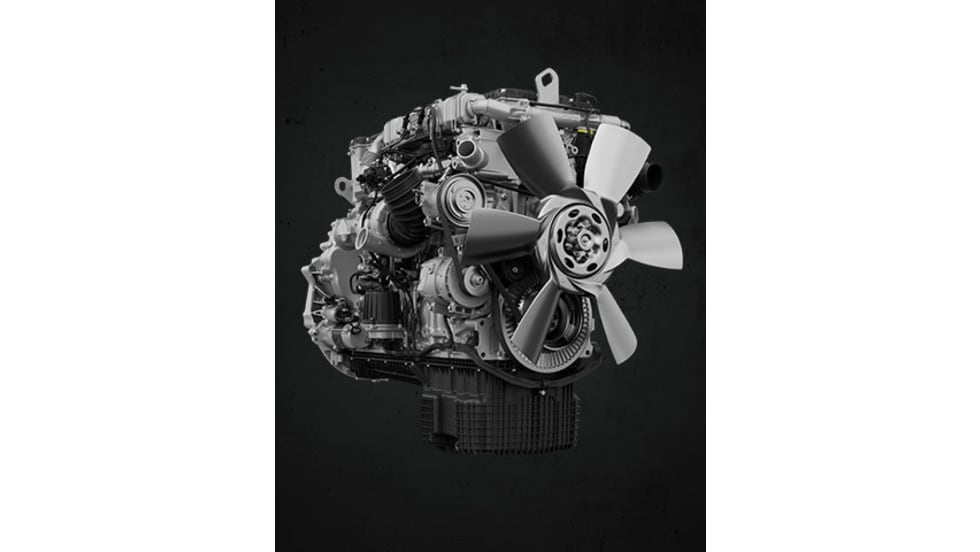
The Detroit® Gen 6 engine platform proves that real progress doesn’t require a complete redesign. Built on 20 years of trusted technology, these engines are designed for efficiency, stronger performance, and greater reliability than before. And they do it all while complying with 2027 EPA standards on every mile.
Read More →
The 2026 ACT Expo is focusing heavily on what organizer Erik Neandross calls trucking's digital frontier. This interview excerpt dives into artificial intelligence, zero-emission vehicles, and tips to make sense of it all.
Read More →
There's an amazing amount of new technology for trucking out there. For fleets, the challenge is figuring out what’s real, what’s hype, and what’s worth investing in.
Read More →
Artificial intelligence, the software-defined vehicle, telematics, autonomous trucks, electric trucks and alternative fuels, and more in this HDT Talks Trucking interview
Read More →
ACT Research data shows volumes hitting a four-year high and supply-demand balance strengthening, but higher oil prices are undercutting tariff relief and tempering optimism.
Read More →
The patent-pending cargo solution integrates a digitally connected cargo door and an intelligent locking system with the TrailerHawk.AI technology platform.
Read More →