



The first reading on the U.S. manufacturing sector for this month shows a slight uptick in activity, but growth remains weak as it has since the start of the year. At the same time, the existing-home-sales rally fizzled.
 MENU
MENU SEARCH
The first reading on the U.S. manufacturing sector for this month shows a slight uptick in activity, but growth remains weak as it has since the start of the year, and existing home sales slumped.


The first reading on the U.S. manufacturing sector for this month shows a slight uptick in activity, but growth remains weak as it has since the start of the year. At the same time, the existing-home-sales rally fizzled.
At 51.4, the seasonally adjusted Flash U.S. Manufacturing Purchasing Managers’ Index, from the financial information services provider Markit, increased just fractionally from 51.3 in February. It is still well below the post-financial-crisis average of 54.1.
Slightly stronger rates of output, new business and employment growth helped to support the headline index in March. A key factor weighing on it was the sharpest decline in pre-production inventories since January 2014.
Although manufacturing production growth picked up from the 28-month low recorded in February, the latest improvement was only marginal and one of the weakest seen over the past two and a half years.
New business volumes continued to increase across the manufacturing sector, but the latest expansion was only slightly faster than in February and still weaker than the post-crisis trend.
Survey respondents noted that lower capital spending across the energy sector and subdued export demand weighed on overall new order growth. Reflecting this, the latest data indicated that new work from abroad was unchanged in March, following a marginal decline during the previous month.
Manufacturers signaled a further reduction in their inventory volumes in March. The latest fall in stocks of finished goods was the fastest since November 2015, while pre-production inventories declined at the steepest pace in over two years.
“U.S. factories continue to endure their worst spell for three and a half years," said Chris Williamson, chief economist at Markit. “Headwinds include reduced spending by the struggling energy sector, the strength of the dollar, persistent weak global demand and growing uncertainty caused by the looming presidential election.
"While some comfort might be drawn from the marginal rise in the PMI compared to February, the rate of growth remains worryingly weak and the lack of a stronger rebound is a disappointment, given that many companies reported bad weather to have hit activity in the first two months of the year."
He said the persistent weakness seen in March therefore ends a disappointing quarter for manufacturing. When viewed alongside the similar downturn seen in the sister services PMI in February, the survey data are pointing to very modest gross domestic product growth in the first quarter, with the first government report expected in about a month.
This follows a separate report released on Monday showing existing home sales tumbled in February after increasing to the highest annual rate in six months, according to the National Association of Realtors.
Total existing-home sales, which are completed transactions that include single-family homes, townhomes, condominiums and co-ops, dropped 7.1% to a seasonally adjusted annual rate of 5.08 million in February from 5.47 million in January. Despite last month's large decline, sales are still 2.2% higher than a year ago.
Lawrence Yun, NAR chief economist, said existing sales disappointed in February and failed to keep pace with what had been a strong start to the year.
"Sales took a considerable step back in most of the country last month, and especially in the Northeast and Midwest," he said. "The lull in contract signings in January from the large East Coast blizzard, along with the slump in the stock market, may have played a role in February's lack of closings. However, the main issue continues to be a supply and affordability problem. Finding the right property at an affordable price is burdening many potential buyers."
According to Yun, job growth continues to hum along at a robust pace, but there appears to be some uneasiness among households that the economy is losing some steam. This was evident in NAR's latest quarterly survey, released earlier this month, which revealed that fewer respondents believe the economy is improving, and a smaller share of renters said that now is a good time to buy a home.
"The overall demand for buying is still solid entering the busy spring season, but home prices and rents outpacing wages and anxiety about the health of the economy are holding back a segment of would-be buyers," Yun explained.
Single-family home sales, the lion’s share of the market, fell 7.2% to a seasonally adjusted annual rate of 4.51 million in February from 4.86 million in January, but are still 2% higher than a year ago.
February existing-home sales regionally:
Northeast: down 17.1% from the month before but 5% above a year ago.
Midwest: down 13.8% but 6.3% better than a year earlier.
South: down 1.8%, but 3.3% above February 2015
West: down 3.4%, but up 0.9% over the same time in 2015.
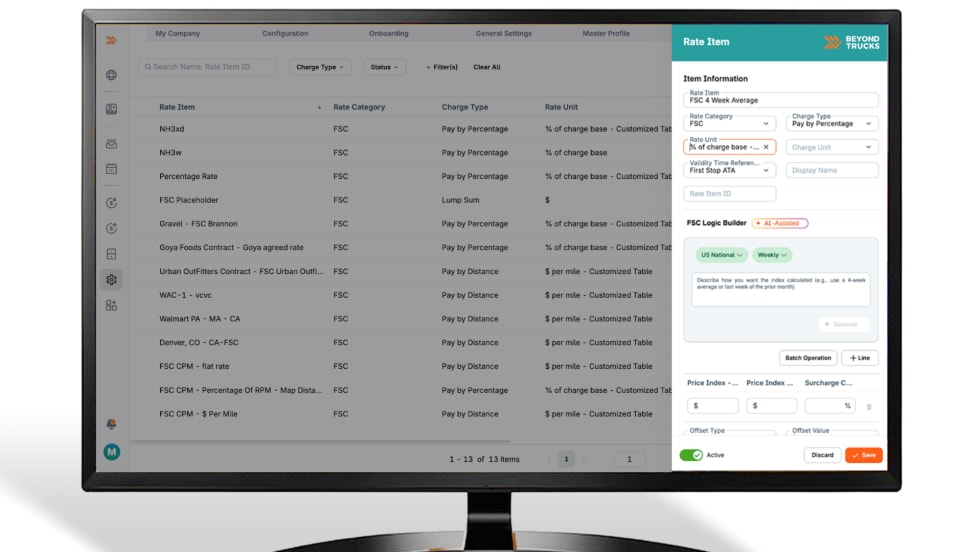
BeyondTrucks says its new RateAgents can turn plain-language rate logic into working code, starting with fuel surcharges — a critical but notoriously complex piece of carrier revenue.
Read More →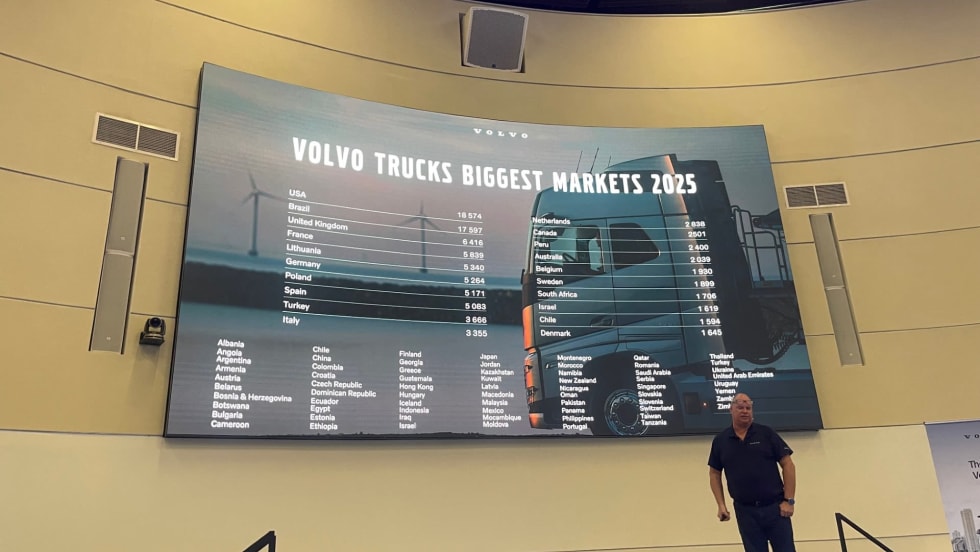
Soft freight conditions persist, but aging fleets, strong order intake, and new-product momentum signal a more optimistic second half of 2026, Volvo Trucks North America says.
Read More →
Cargo theft is evolving from regional smash-and-grab operations to sophisticated fraud schemes. Strategic theft now accounts for roughly a third of cargo crime, with incidents rising sharply in recent years. Here’s how the schemes work — and what fleets can do to protect themselves.
Read More →
Heavy Duty Trucking's Top 20 Products awards recognize the best new products and technologies. Check out the award presentations at the 2026 Technology & Maintenance Council annual meeting.
Read More →
The Detroit® Gen 6 engine platform proves that real progress doesn’t require a complete redesign. Built on 20 years of trusted technology, these engines are designed for efficiency, stronger performance, and greater reliability than before. And they do it all while complying with 2027 EPA standards on every mile.
Read More →
The 2026 ACT Expo is focusing heavily on what organizer Erik Neandross calls trucking's digital frontier. This interview excerpt dives into artificial intelligence, zero-emission vehicles, and tips to make sense of it all.
Read More →
There's an amazing amount of new technology for trucking out there. For fleets, the challenge is figuring out what’s real, what’s hype, and what’s worth investing in.
Read More →
Artificial intelligence, the software-defined vehicle, telematics, autonomous trucks, electric trucks and alternative fuels, and more in this HDT Talks Trucking interview
Read More →
ACT Research data shows volumes hitting a four-year high and supply-demand balance strengthening, but higher oil prices are undercutting tariff relief and tempering optimism.
Read More →
The patent-pending cargo solution integrates a digitally connected cargo door and an intelligent locking system with the TrailerHawk.AI technology platform.
Read More →