




FMCSA Announces Electronic Logs Mandate
By early December 2017, an estimated 3 million commercial drivers will have thrown out their paper logbooks. A long-anticipated rule requiring electronic logging devices (ELDs) for truck and bus driver hours of service was announced Thursday morning.
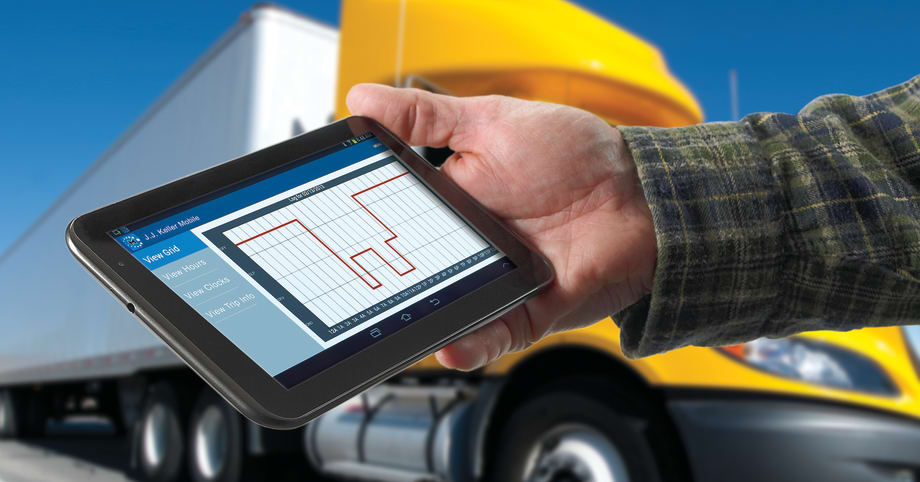
Photo courtesy J.J. Keller
Photo courtesy J.J. Keller
By early December 2017, an estimated 3 million commercial drivers will have thrown out their paper logbooks. A long-anticipated rule requiring electronic logging devices for truck and bus driver hours of service was announced Thursday morning.
“Since 1938, complex, on-duty/off-duty logs for truck and bus drivers were made with pencil and paper, virtually impossible to verify,” said U.S. Transportation Secretary Anthony Foxx. “This automated technology not only brings logging records into the modern age, it also allows roadside safety inspectors to unmask violations of federal law that put lives at risk.”
An electronic logging device, or ELD, automatically records driving time. It monitors engine hours, vehicle movement, miles driven, and location information. Although many fleets already are using some version of electronic logbooks, the agency estimates making them mandatory will save 26 lives and prevent 562 injuries each year.
Truck and bus drivers who currently use paper log books must adopt ELDs within two years. The agency estimates about 3 million drivers will be affected. However, drivers of vehicles manufactured before model year 2000 will not have to use ELDs.
Motor carriers that are already using electronic log systems compliant with current federal rules (defined as Automatic On-Board Recording Devices, or AOBRDs) have an extra two years to switch over to the new ELD requirements.
The rule includes technology specifications detailing performance and design requirements for ELDs so manufacturers are able to produce compliant devices and systems.
It also establishes new hours-of-service supporting document (shipping documents, fuel purchase receipts, etc.) requirements that the agency said will result in additional paperwork reductions. In most cases, a motor carrier would not be required to retain supporting documents verifying on-duty driving time.
The rule strictly prohibits using ELDs to harass drivers. (A separate FMCSA rulemaking further safeguards commercial drivers from being coerced to violate federal safety regulations and provides the agency with the authority to take enforcement actions not only against motor carriers, but also against shippers, receivers, and transportation intermediaries.)
The rule permits the use of smartphones and other wireless devices as ELDs, so long as they satisfy technical specifications, are certified, and are listed on an FMCSA website.
Canadian- and Mexican-domiciled drivers will also be required to use ELDs when operating on U.S. roadways.
In developing the ELD Final Rule, FMCSA said it relied on input from its Motor Carrier Safety Advisory Committee, feedback from two public listening sessions, comments filed during an extended comment period following the 2011 proposed rule, and comments to the 2014 supplementary proposed rule. The final rule also incorporates mandates included in the Moving Ahead for Progress in the 21st Century Act and other statutes.
Published reports indicate the rule is scheduled for official publication Dec. 16. The requirements kick in two years from publication date. A copy of the ELD Final Rule is available at: https://www.fmcsa.dot.gov/hours-service/elds/electronic-logging-devices-and-hours-service-supporting-documents
Further information, including a searchable list of frequently asked questions and a calendar of free training webinars, is available at www.fmcsa.dot.gov/elds.
Corrected 11 a.m. EST 12/11: Final rule is not published on Dec. 11 as initially reported. Published reports indicate it is scheduled to be published Dec. 16.
More Drivers

Samsara Launches Custom AI Agent Builder
Agent Studio lets fleets create AI tools for hours-of-service monitoring, reporting and driver support, including agents that communicate by phone.
Read More →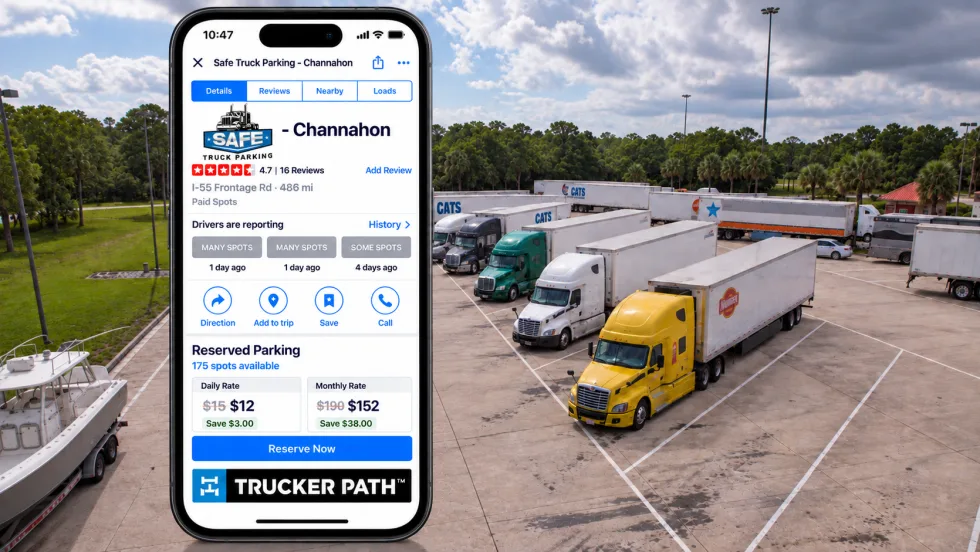
Trucker Path Expands Reserved Parking Network
Trucker Path has added close to 6,000 more truck parking spaces to its Trucker Path Reserved Parking Network with the addition of Safe Truck Parking.
Read More →
EEOC Sues Texas Trucking Company Over Driver Age Limits
The agency says Trancasa USA rejected applicants over 65 and applied tougher driving-record standards to those over 60.
Read More →
Nussbaum, Roehl Announce Second Driver Pay Increase This Year
This year has seen a swath of major truck driver pay increases as freight capacity has tightened.
Read More →
From One Generation to the Next: How Mentorship Builds Safer Truck Drivers
After three decades in trucking, Harold Perry shares what he's learned about driver safety, mentorship, and helping the next generation build confidence behind the wheel.
Read More →
Truck Drivers Need More Than Another Alert
Fleets have more visibility into truck health, safety events, and driver activity than ever. The next challenge is turning all that information into useful guidance for the person who has to decide what to do next.
Read More →
FMCSA Removes 110 Truck Driver Training Schools from Certified ELDT List
Federal regulators also are targeting more than 160 additional training providers and launching a nationwide audit of third-party CDL skills testers as part of a broader crackdown on trucking fraud.
Read More →
Hours of Service Pilot Programs: FMCSA Readies for 2027 Rollout
Two pilot programs could eventually reshape hours-of-service rules, giving truck drivers options to pause their 14-hour clock or use longer split sleeper rest periods.
Read More →
Medical Cards, English Proficiency Reshape Roadcheck Violations
Medical-card violations jumped to the top of the driver out-of-service list during CVSA’s 2026 International Roadcheck, while English-language proficiency violations appeared among the leading violations for the first time.
Read More →
Driver Trust Can Make or Break the Success of Fleet Safety Technology
New Teletrac Navman research suggests that onboarding, transparency about driver data, and positive feedback can play a significant role in how commercial drivers respond to safety and coaching technology.
Read More →