



Class 6 GVW trucks now operating in commercial fleets now have an average 21.2-year lifespan due to their reliability, durability, and use in a variety of applications, IHS Automotive's commercial vehicle director told WorkTruckOnline.com.
 MENU
MENU SEARCH
Class 6 GVW trucks now operating in commercial fleets now have an average 21.2-year lifespan due to their reliability, durability, and use in a variety of applications, IHS Automotive's commercial vehicle director told WorkTruckOnline.com.

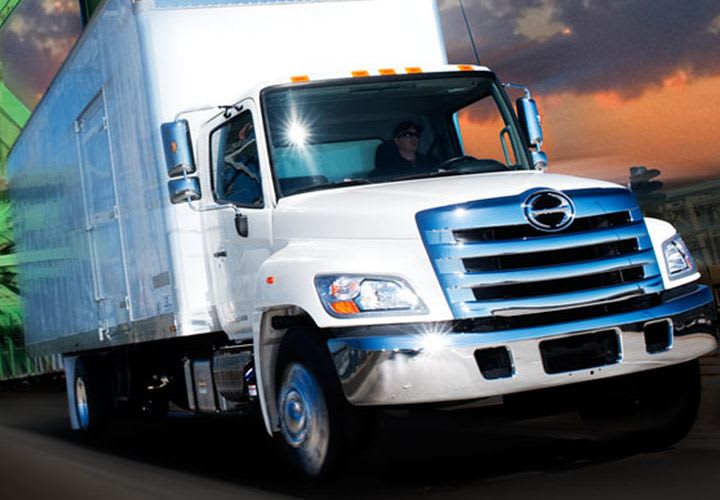
Photo of Hino's 258ALP Class 6 (25,500 GVW) model courtesy of Hino.
Class 6 GVW trucks now operating in commercial fleets now have an average 21.2-year lifespan due to their reliability, durability, and use in a variety of applications, IHS Automotive's commercial vehicle director told WorkTruckOnline.com.
Class 6 vehicles now have the longest lifespan of any commercial trucks in the U.S., where fleets are keeping their medium-duty trucks longer. The average age of commercial vehicles among Class 4-8 vehicles has reached 14.8 years, an increase from the 12.5 years in 2007, an 18.4% increase, according to Gary Meteer, director of commercial vehicle solutions.
At the other end of the spectrum, Class 5 trucks are now the youngest truck class with an average age of 11.8 years as a result of this segment of trucks having historically low demand, Meteer said.
The truck market is at its highest levels since the 2008-'09 economic downturn with more than 7.9 million commercial vehicles on the road in the U.S. through June, including 3.5 million Class 8 vehicles, 1.5 million Class 7 trucks, and 1.4 million Class 6 trucks.
Typical Class 6 trucks in operation are set up as a standard straight truck with a 20-foot box. These trucks are mainstream trucks for rental and daily lease trucks to move goods by businesses and individuals. Trucks configured this way often provide "many uses" once they leave the fleets of companies such as Ryder, Penske, and Enterprise such as construction storage units on site or for electrical supply and local retail.

As warehouse networks expand, predictable regional routes are replacing long-haul runs—reshaping how fleets spec, operate, and resell day cabs.
Read More →
The new Hyundai Translead production sites will improve trailer and body delivery to customers by reducing lead times and leveraging a growing dealer network.
Read More →
Heavy Duty Trucking's Top 20 Products awards recognize the best new products and technologies. Check out the award presentations at the 2026 Technology & Maintenance Council annual meeting.
Read More →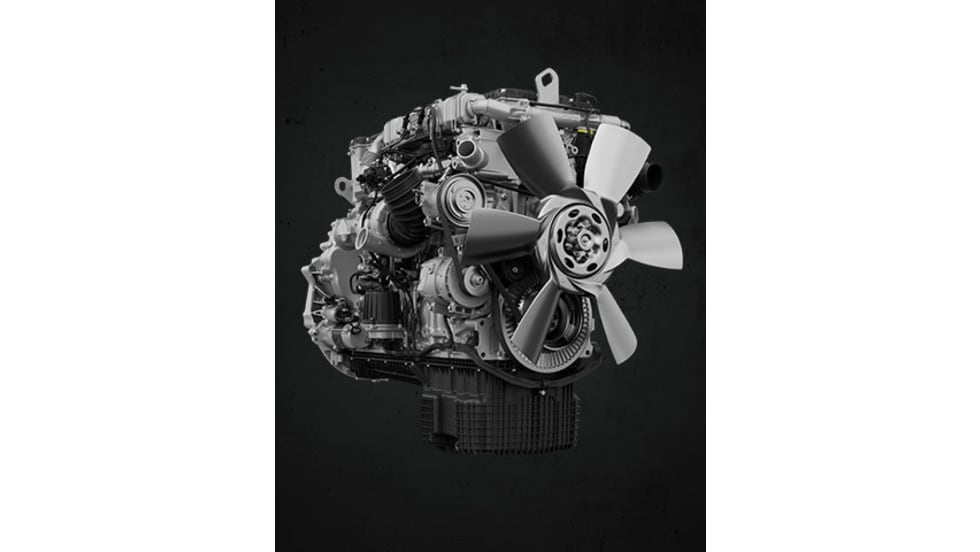
The Detroit® Gen 6 engine platform proves that real progress doesn’t require a complete redesign. Built on 20 years of trusted technology, these engines are designed for efficiency, stronger performance, and greater reliability than before. And they do it all while complying with 2027 EPA standards on every mile.
Read More →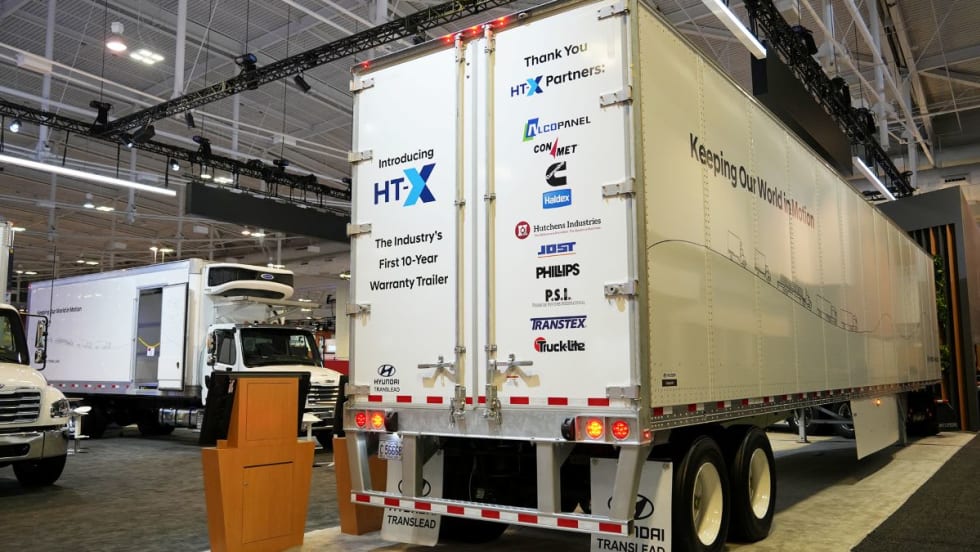
Smart safety systems, AI-powered visibility, a 10-year-warranty dry van, and a modular refrigerated body debuted at TMC.
Read More →
New guidance allows engine makers to replace problematic DEF sensors with NOx-based systems, aiming to reduce unnecessary derates and downtime caused by failures in the sensors designed to monitor diesel exhaust fluid on trucks.
Read More →
Is your company a leader in sustainability efforts among trucking fleets? If so, Heavy Duty Trucking's editors want to hear from you.
Read More →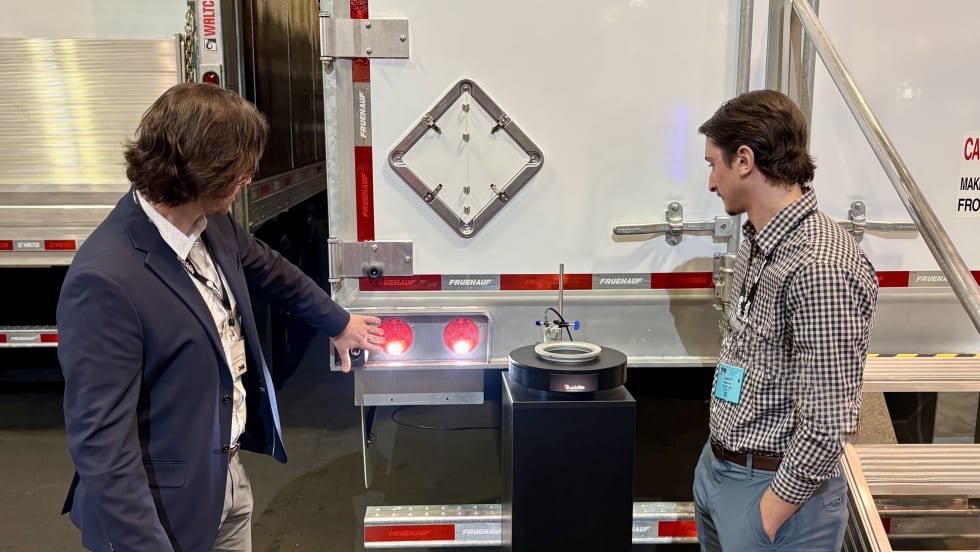
From advanced connectivity to AI-powered cameras and next-gen fuel filtration, Clarience companies outlined a roadmap for safer, more connected trailers at TMC’s Annual Meeting.
Read More →
Artificial intelligence, the software-defined vehicle, telematics, autonomous trucks, electric trucks and alternative fuels, and more in this HDT Talks Trucking interview
Read More →
Freightliner has donated three Cascadia trucks to support Be Pro, Be Proud, expanding mobile training efforts aimed at building interest in skilled trades careers.
Read More →