



U.S.-NAFTA freight totaled $103 billion in June as all five major transportation modes carried more cargo by value than during June 2013, according to new U.S. Transportation Department figures.
 MENU
MENU SEARCH
U.S.-NAFTA freight totaled $103 billion in June as all five major transportation modes carried more cargo by value than during June 2013, according to new U.S. Transportation Department figures.
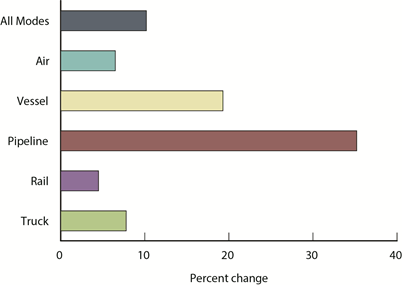
Percent change in value of U.S.-NAFTA freight flows by mode: June 2013 - June 2014. Credit: U.S. DOT
U.S.-NAFTA freight totaled $103 billion in June as all five major transportation modes carried more cargo by value than during June 2013, according to new U.S. Transportation Department figures.
Of the 10.2% increase, the biggest gain so far this year, truck freight contributed the most, $4.4 billion, followed by pipeline, $2.1 billion.
The trucking increase was predominately due to an increase in the value of U.S.-Mexico truck freight, which was 64.8% of the total trucking increase, according to the department.
Trucks carry three-fifths of U.S.-NAFTA freight and are the most heavily utilized mode for moving goods to and from both U.S.-NAFTA partners, Canada and Mexico. They carried 59.5% of U.S.-NAFTA freight in June 2014, accounting for $29.8 billion of imports and $31.4 billion of exports.
Rail remained the second largest mode, moving 15% of all U.S.-NAFTA freight, followed by vessel at 8.9%, pipeline at 8%, and air at 3.8%. The surface transportation modes of truck, rail and pipeline carried 82.4% of the total U.S.-NAFTA freight flows.
U.S.-Canada Freight
During June the value of U.S.-Canada freight by pipeline increased the most of any mode, compared to the same time a year earlier, growing 35.1% Freight by vessel increased by 24.7%, air by 9.5%, truck by 5.3% and rail by 1.4%.
Trucks carried 53.7% of the $57.9 billion of freight to and from Canada, followed by rail at 15.5%, pipeline at 13.3%, vessel at 6.2% and air at 4.5%. The surface transportation modes of truck, rail and pipeline carried 82.5% of the total U.S.-Canada freight flows.
The top commodity category transported between the U.S. and Canada was mineral fuels, of which, 59.8% moved by pipeline.
U.S.-Mexico Freight
The value of U.S.-Mexico freight by pipeline increased the most of any mode in June compared to the same time in 2013, growing 36.9%, due to an increase in mineral fuels exports, although pipeline remained the smallest of the major modes. Freight with Mexico by vessel rose 16.1%, followed by truck at 10.6%, rail at 9.2% and air at 1.2%
Trucks carried 66.9% of the $45.1 billion of freight to and from Mexico, followed by rail at 14.3%, vessel at 12.3%, air at 2.9% and pipeline at 1.1%. The surface transportation modes of truck, rail and pipeline carried 82.2% of the total U.S.-Mexico freight flows.
The top commodity category transported between the U.S. and Mexico in June was electrical machinery, of which, 91.5% moved by trucks.
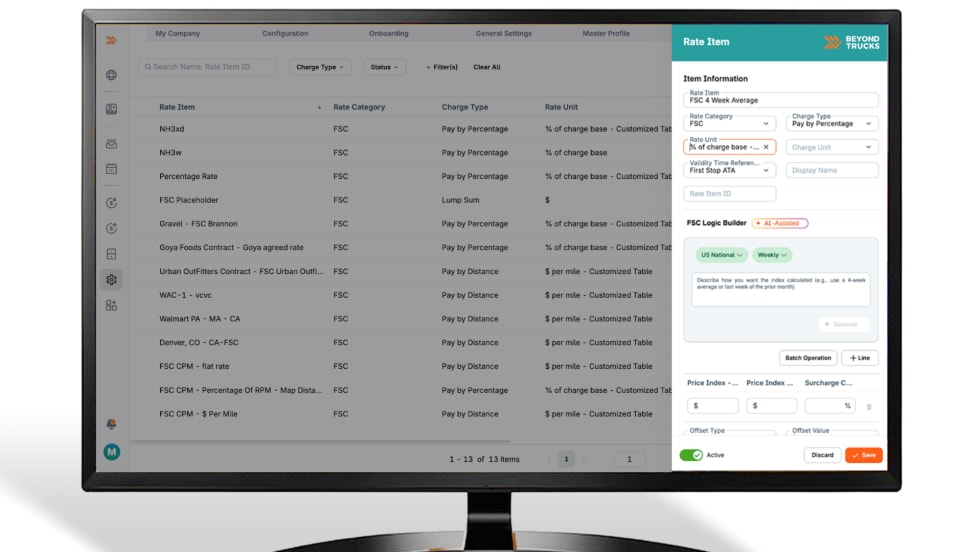
BeyondTrucks says its new RateAgents can turn plain-language rate logic into working code, starting with fuel surcharges — a critical but notoriously complex piece of carrier revenue.
Read More →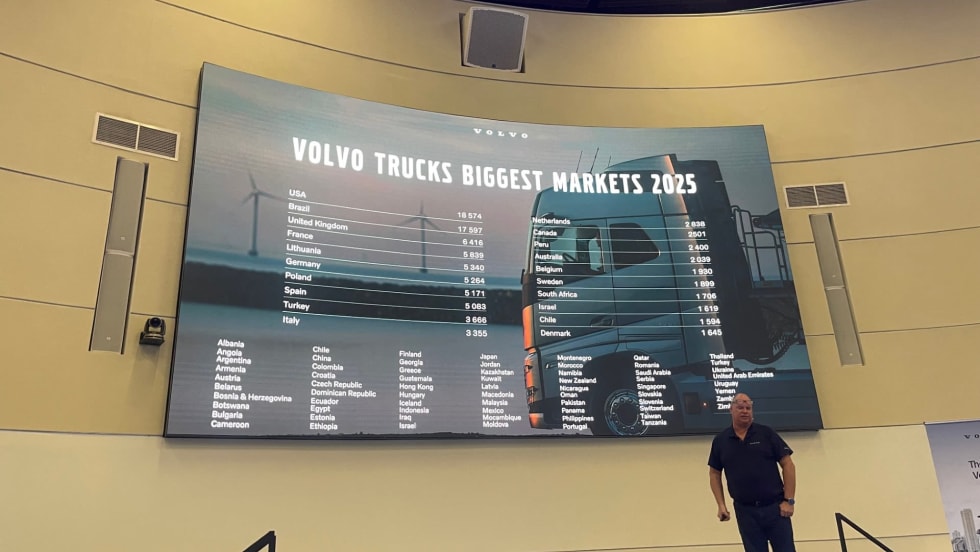
Soft freight conditions persist, but aging fleets, strong order intake, and new-product momentum signal a more optimistic second half of 2026, Volvo Trucks North America says.
Read More →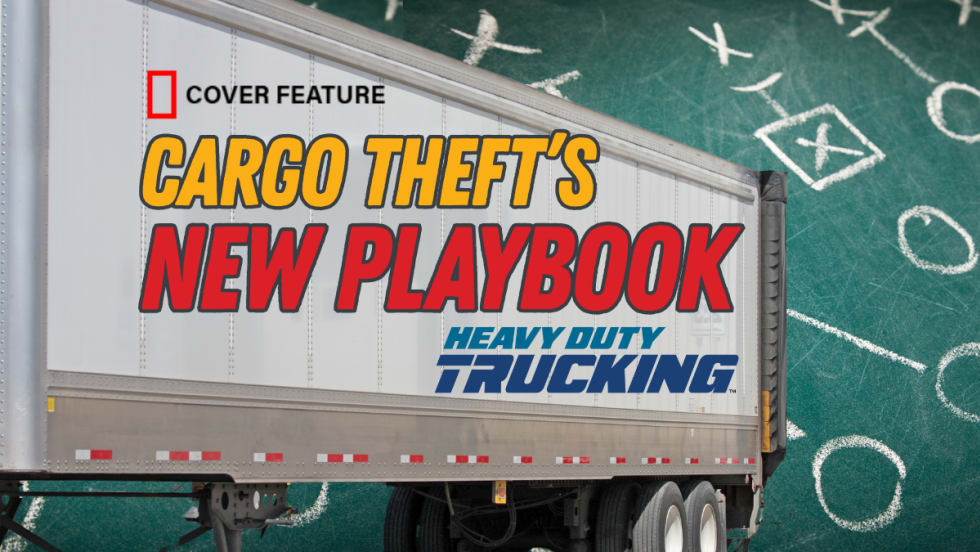
Cargo theft is evolving from regional smash-and-grab operations to sophisticated fraud schemes. Strategic theft now accounts for roughly a third of cargo crime, with incidents rising sharply in recent years. Here’s how the schemes work — and what fleets can do to protect themselves.
Read More →
Heavy Duty Trucking's Top 20 Products awards recognize the best new products and technologies. Check out the award presentations at the 2026 Technology & Maintenance Council annual meeting.
Read More →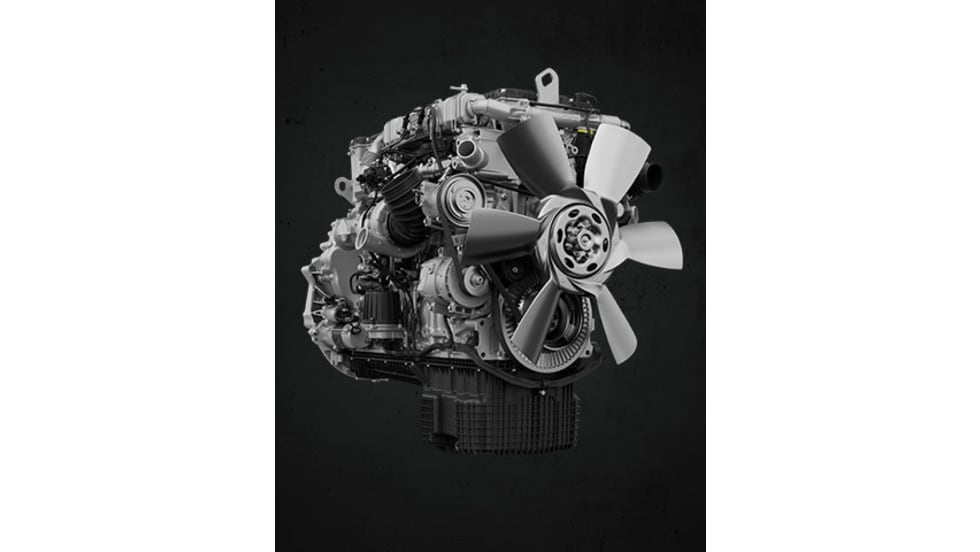
The Detroit® Gen 6 engine platform proves that real progress doesn’t require a complete redesign. Built on 20 years of trusted technology, these engines are designed for efficiency, stronger performance, and greater reliability than before. And they do it all while complying with 2027 EPA standards on every mile.
Read More →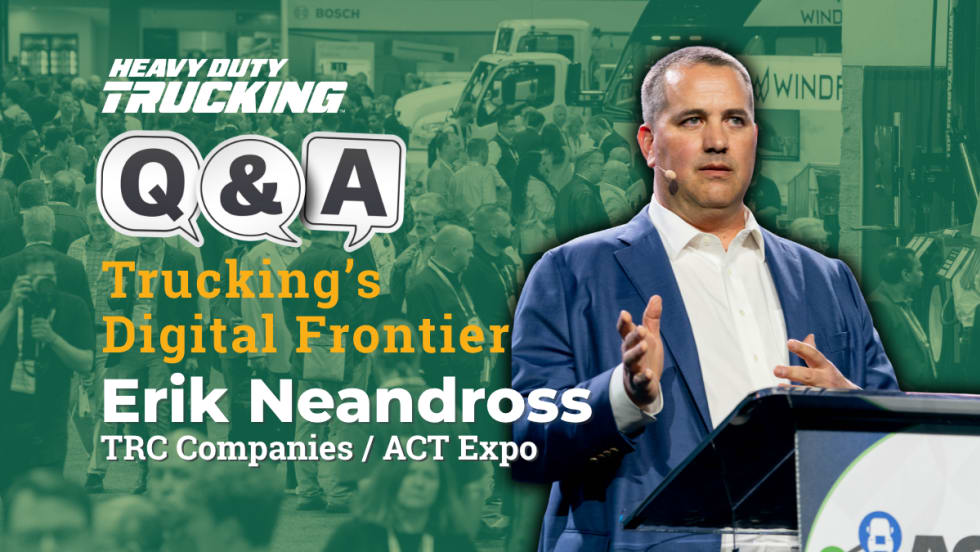
The 2026 ACT Expo is focusing heavily on what organizer Erik Neandross calls trucking's digital frontier. This interview excerpt dives into artificial intelligence, zero-emission vehicles, and tips to make sense of it all.
Read More →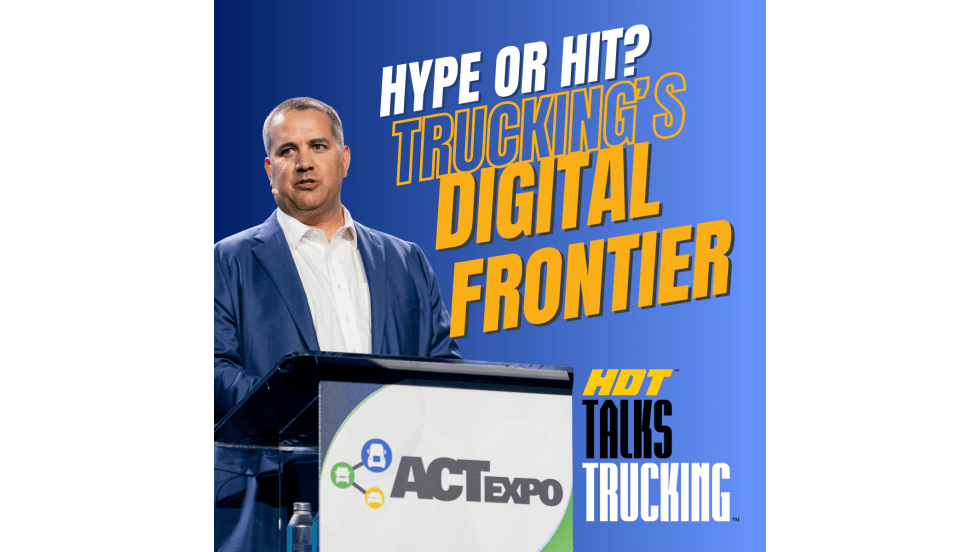
There's an amazing amount of new technology for trucking out there. For fleets, the challenge is figuring out what’s real, what’s hype, and what’s worth investing in.
Read More →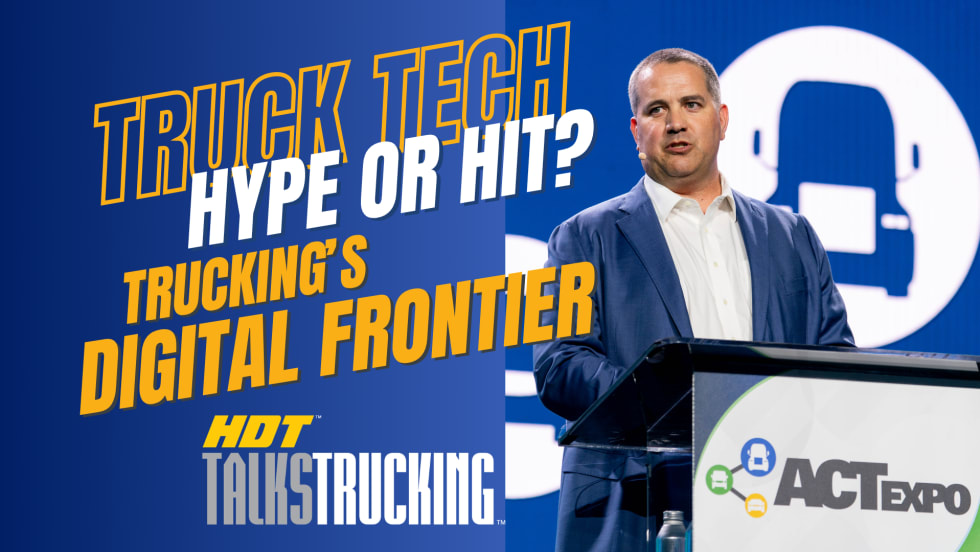
Artificial intelligence, the software-defined vehicle, telematics, autonomous trucks, electric trucks and alternative fuels, and more in this HDT Talks Trucking interview
Read More →
ACT Research data shows volumes hitting a four-year high and supply-demand balance strengthening, but higher oil prices are undercutting tariff relief and tempering optimism.
Read More →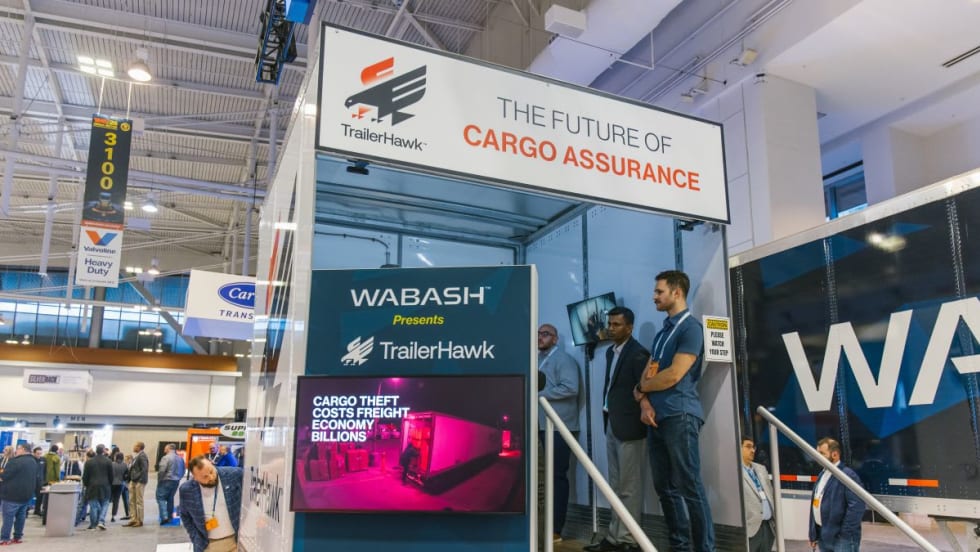
The patent-pending cargo solution integrates a digitally connected cargo door and an intelligent locking system with the TrailerHawk.AI technology platform.
Read More →