




Why Small Trucking Fleets Are Still Standing [Commentary]
Why discipline, relationships, and focus have mattered more than size for smaller trucking fleets during the freight recession.

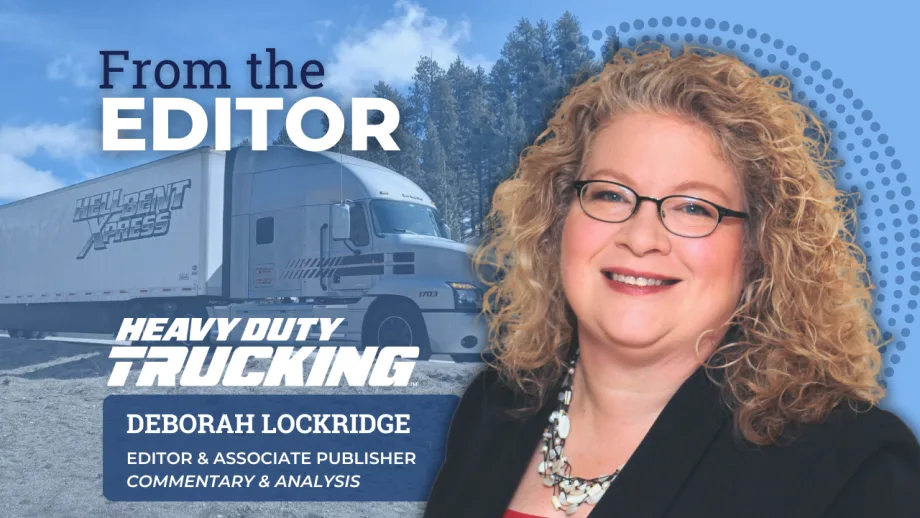
Last year, we spoke with several small trucking fleet owners who had not only survived multiple freight cycles but grown through them.
Credit: HDT
It’s no secret that the trucking industry is overwhelmingly made up of small fleets. That was true even before the pandemic, but the number grew rapidly when Covid-era spot rates spiked and new carriers flooded into the market.
Most of those carriers are still very small. At the end of 2023, nearly 70% were one- or two-truck operations, according to FMCSA data. Even though they’re technically motor carriers, many of them still think like drivers.
In most cases, that works just fine.
But somewhere around eight to 15 trucks, the fleet owner can no longer be in every truck, every conversation, every inspection. Compliance, safety, insurance, and maintenance issues start to stack up. That’s usually when processes start to matter.
For the sake of argument, let’s call a small fleet one that operates between 11 and 100 trucks, which makes up about 7% of U.S. motor carriers.
It might be the hardest size to be. These fleets are too big to manage casually and too small to absorb mistakes. They’re more visible to regulators and insurers, yet they don’t have the resources to copy the playbooks of large carriers.
And yet, a surprising number of them are still standing after navigating a prolonged freight downturn, rising insurance costs, regulatory shifts, and ongoing technology mandates with very little margin for error.
Instead of trying to get bigger, many small carriers got smarter. They tightened up on costs, doubled down on customer relationships, and made focused investments in technology.
Over the past year, our editorial team has been spending more time with small fleet owners, and in 2026 we’re doubling down to offer practical guidance where big-fleet playbooks don’t fit.
What’s Working for Small Fleets
Last year, we spoke with several small fleet owners who had not only survived multiple freight cycles but grown through them. Some common themes emerged.
One was drivers. Small fleets often have lower turnover because owners stay connected to their drivers, respond quickly to problems, and are willing to protect them — even if that means pushing back on customers.
Jamie Hagen, whose Hell Bent Xpress operates about a dozen trucks, says learning to say no to customers in order to keep drivers happy was a turning point.
“If you’re up front with people — ‘I don’t have enough trucks this week; can we do it next week?’ — it usually works out better in the end,” he said.
Cost control was another constant. Hagen is passionate about fuel economy, for instance. “I’ve never understood the desire to burn more just for fun,” he said.
Other fleets manage costs differently: leasing equipment to keep maintenance predictable, running late-model used trucks, or investing in new trucks that deliver fuel savings, safety benefits, and driver appeal. Customer relationships matter just as much.
Graig Morin, president and co-founder of Brown Dog Trucking, has built a loyal customer base by focusing on local businesses.
“Big fleets are going to grab business from other big businesses,” he said. That’s not how a successful small fleet usually works.
That focus on service aligns with what shippers say they want from their freight partners. In a recent survey by Denim, nearly two-thirds ranked service and reliability as their top criteria, far ahead of cost. Bigger isn’t always better. Scale alone isn’t a sound business strategy.
For many small fleets, the last few years were less about growth and more about management — managing costs, expectations, and relationships. The ones still here and poised for success this year didn’t just get lucky. They stayed close to the business, paid attention to details, and made careful choices.
As we face continued uncertainty in 2026, those fundamentals may matter just as much as the market itself.
More Fleet Management
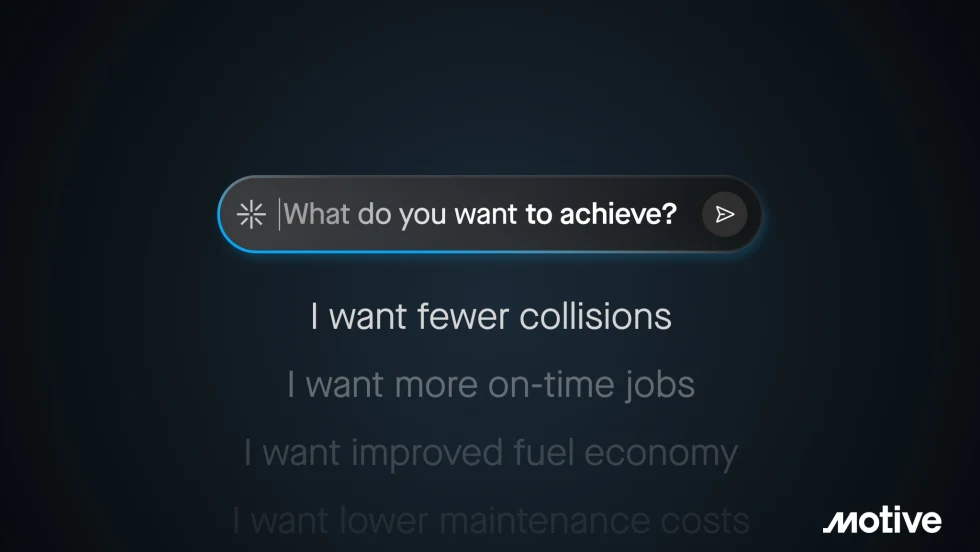
Motive Adds AI Agents for Fleet Operations
New tools automate follow-up on fleet data, from maintenance work orders to driver alerts, with two-way voice conversations planned for later this year.
Read More →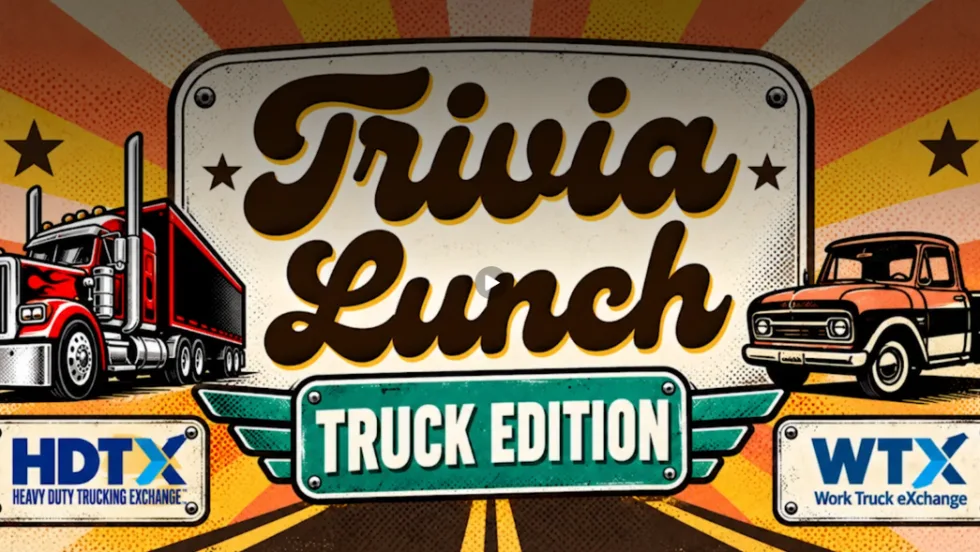
Can You Beat Our Trucking Trivia Challenge?
Test your truck knowledge with 19 trivia questions from Heavy Duty Trucking Exchange. Can you keep up with the fleet pros?
Read More →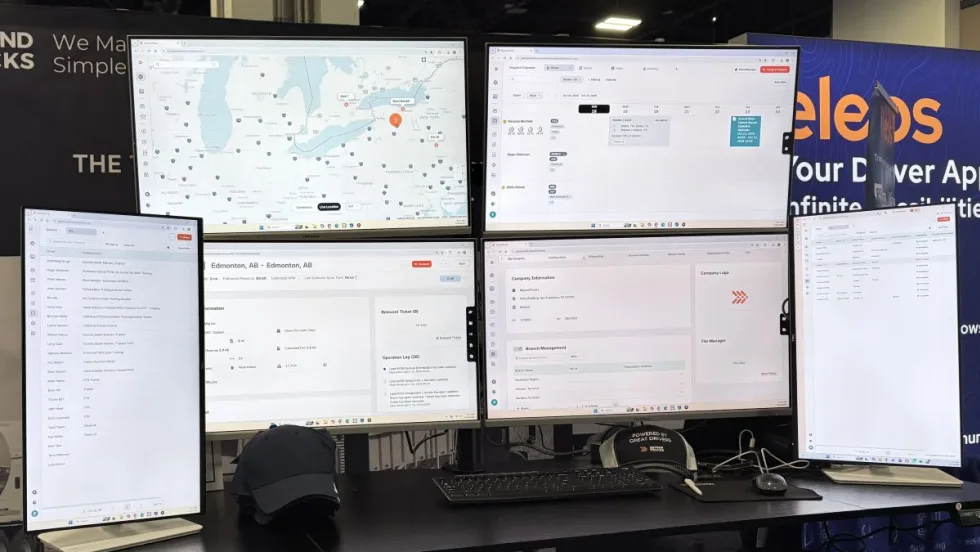
BeyondTrucks Adds Rules Checks to Dispatch
New Compatibility Engine checks driver qualifications, equipment requirements and fleet policies before loads are dispatched.
Read More →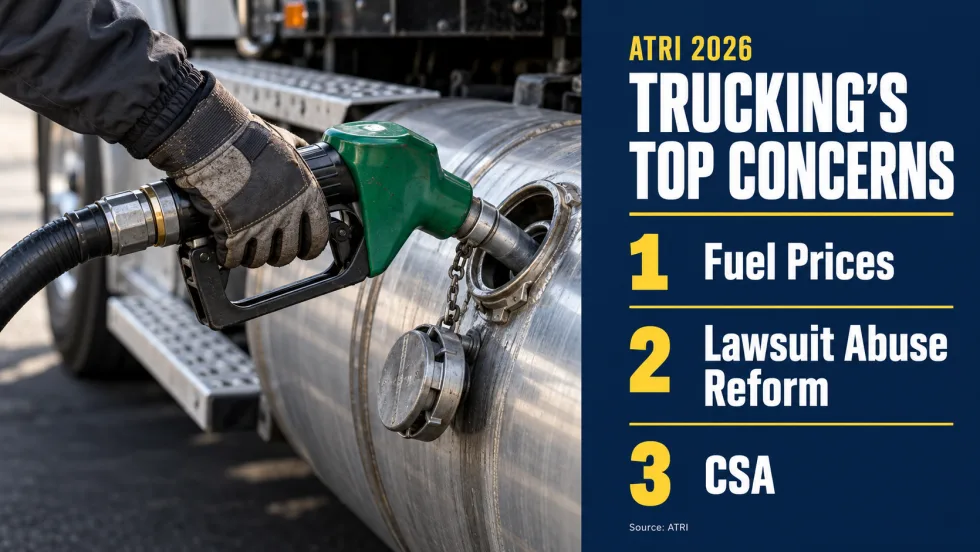
Diesel Prices Hijack Trucking’s Worry List
ATRI’s annual survey finds cautious optimism about freight, but diesel costs, litigation, and insurance continue to squeeze fleets. Drivers have different priorities on several issues.
Read More →
Nomination Deadline Extended for HDT Emerging Leaders
Just a few more days to nominate accomplished trucking fleet professionals under 40 who are making an impact and helping lead the industry forward for the HDT Emerging Leaders award. Deadline extended to October 20!
Read More →
What Will ATA’s New Leader Bring to Trucking's Table?
Incoming President and CEO Mark Colson’s record in Alabama offers clues about his priorities and approach following Chris Spear’s abrupt departure as the head of the American Trucking Associations.
Read More →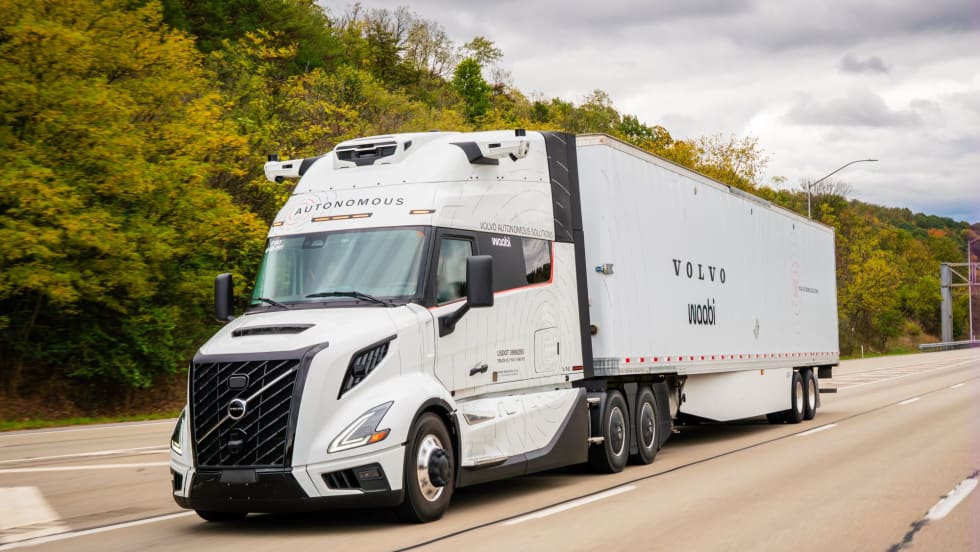
Volvo, Waabi Start Commercial Autonomous Operations in Texas
Volvo VNL Autonomous trucks, powered by the Waabi Driver, are hauling freight directly to third-party facilities for a customer in Texas.
Read More →
Samsara Launches Custom AI Agent Builder
Agent Studio lets fleets create AI tools for hours-of-service monitoring, reporting and driver support, including agents that communicate by phone.
Read More →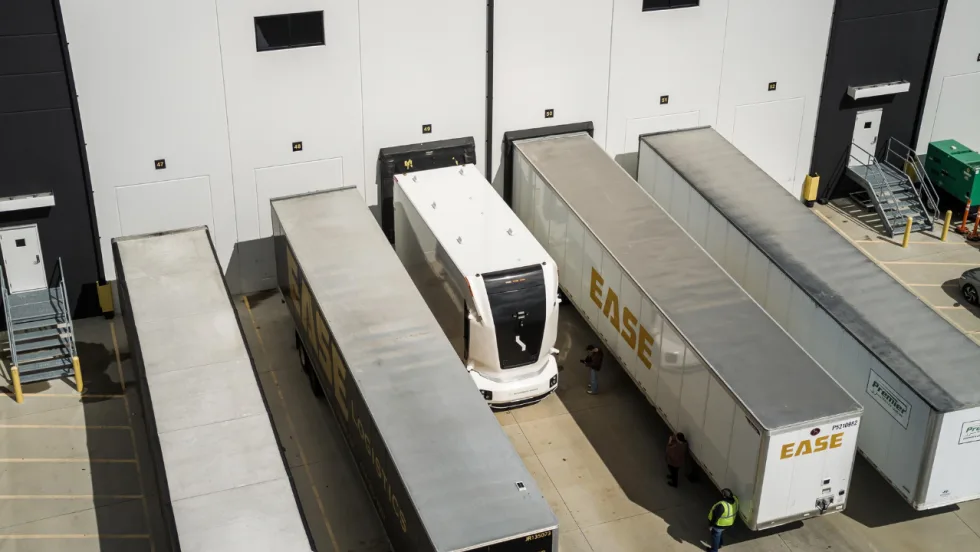
Einride Driverless Electric Trucks Begin Daily Freight Operations in Ohio
Two cabless electric trucks are hauling freight between EASE Logistics facilities in Marysville, Ohio, as part of a multi-state truck automation project.
Read More →
Geotab Links Fleet Card to Vehicle Data
The new card combines fuel discounts with telematics-based purchase controls. Geotab’s analysis also points to potential savings from choosing lower-priced fuel stops.
Read More →