





Early Insights from NACFE’s ‘Run on Less – Messy Middle’ on Trucking Decarbonization
First Tesla Semi for RoadOne IntermodaLogistics
RoadOne IntermodaLogistics has bought a fully electric Tesla Semi heavy-duty truck, the first of up to 10 for its Oakland, California, operations.
January 21, 2026
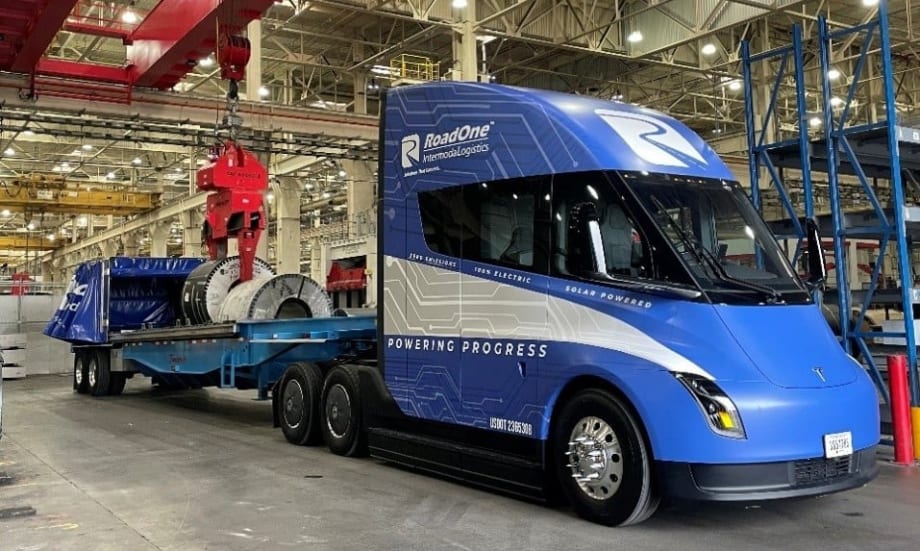
Unloading aluminum coils for Tesla on RoadOne’s fully-electric semi-truck.
Credit: RoadOne
2 min to read
RoadOne IntermodaLogistics, which has provided transportation and logistics services to Tesla since 2012, has now purchased a fully electric Tesla Semi heavy-duty truck, the first of up to 10 for its Oakland, California, operations.
The new truck is being used to service Tesla delivery operations in Oakland/Freemont, according to Alex Joyce, RoadOne VP of strategic growth, in response to a question from HDT.
"RoadOne is in the works of bringing on more trucks to service more of our primary customers asking for these ESG/clean truck solutions."
About RoadOne's First Tesla Semi Electric Truck
The Tesla Semi has a range of up to 500 miles and has been operating at 1.9kwh/mile in RoadOne’s business operations, according to an announcement, with payloads averaging 38,000 pounds.
“This investment reflects our commitment to efficient, environmentally responsible logistics solutions,” said Eric Weakley, SVP of operations for RoadOne IntermodaLogistics, in a news release.
“By offering a sustainable, low-emissions option, we’re not only strengthening our service, but also contributing to a cleaner and more resilient supply chain," he added.
The Tesla Semi has been fully operational in RoadOne's fleet for the last few months.
“RoadOne could not be happier with the truck’s capabilities and knowing that they have the right long-term partner to support all sustainability initiatives going forward,” a news release reported.
RoadOne's History with Tesla
The company has played a critical role in supporting Tesla’s manufacturing supply chain, moving aluminum and steel coils, batteries, and other components from its Oakland warehouse facility to Tesla’s Fremont production plant.
In 2012, RoadOne’s partnership with Tesla began with deliveries of containers of aluminum coils that were transloaded then shipped to the Tesla Stamping facility in Fremont, California.
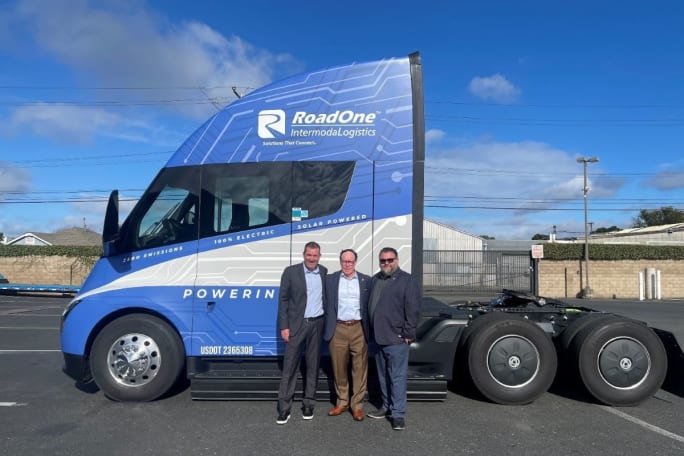
RoadOne's SVP of Operations Eric Weakley, , CEO Ken Kellaway, and Ops Manager Ben Soleimanieh, stand by the company's first Tesla Semi.
Credit: RoadOne
By 2014, RoadOne had established a storage program for Tesla with a just-in-time delivery program that expanded considerably over the years.
RoadOne maintains a substantial inventory of aluminum and steel coils onsite and supports the Tesla Stamping operation with continuous deliveries across multiple daily shifts.
Who Is RoadOne IntermodaLogistics?
RoadOne IntermodaLogistics is one of the largest privately owned asset-based intermodal logistics and drayage providers in North America, according to the company.
More than 2,500 drivers are strategically spread out across more than 100 port, rail, and truckload terminals, with an asset-based fleet and rapidly growing brokerage division.
In addition to RoadOne’s growing fleet of drivers, the company currently has almost 5 million square feet of warehouse and transload space, as well as access to an additional 85 million square feet of warehouse and transload space through established strategic partnerships nationwide.
The company offers:
National drayage solutions at all ports and rail ramps
Dedicated fleet operations
National transload operations
Yard management and depot solutions
National warehousing and fulfillment services
More Fuel Smarts

Record Diesel Prices Squeeze Trucking Fleets
Average U.S. diesel prices have climbed to nearly $6 a gallon, surpassing the 2022 record as tight refinery capacity and Middle East disruptions keep fuel costs elevated.
Read More →
Sponsored•September 9, 2026
How Fuel Delivery Shapes Engine Performance
Fuel delivery depends on more than what happens at the injector. For fleet, maintenance and technical professionals, looking at the full path from pump to injector can provide useful context for understanding engine performance.
Read More →
East Coast Port Launches $45M Electric Truck Push
The Port Authority of New York and New Jersey announced millions in incentives for zero-emission drayage trucks, yard tractors, and new charging hubs near the port.
Read More →

California Bill Could Shed Light on Electric Truck Prices
Why do battery-electric Class 8 trucks remain so expensive? A California bill headed to Gov. Gavin Newsom would give fleets and state agencies more visibility into what manufacturers charge.
Read More →
Detroit Opens Orders for EPA 2027 Engines
Detroit isn’t starting from scratch to meet EPA 2027 diesel emissions standards. Its Gen 6 DD13 and DD15 engines keep much of today’s platform while updating the fuel and aftertreatment systems.
Read More →
Zero-Emission Truck Corridor Planned for West Coast
California, Oregon, Washington, British Columbia and Baja California are coordinating plans for truck charging and hydrogen fueling from Canada to Mexico.
Read More →
A Closer Look at Kenworth’s Electric T880E Vocational Truck [Video]
Learn more about Kenworth's T880E battery-electric vocational truck at the Paccar Technical Center, including its range, applications, upfitting considerations, and PTO options, in this HDT Spotlight video.
Read More →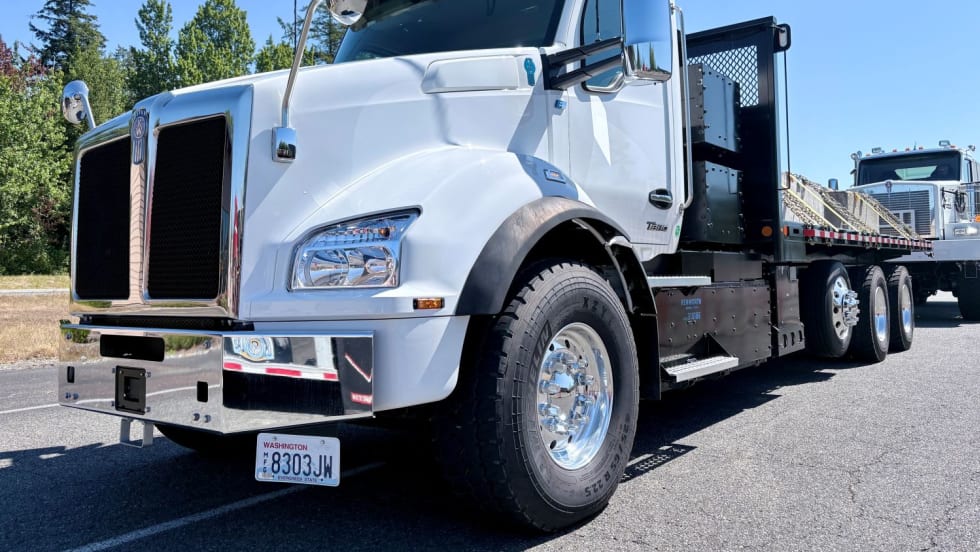
Kenworth T880E Brings EV Power to Vocational Trucks
A closer look at the Kenworth T880E’s range, charging, powertrain and upfit options — and where fleets are showing the most interest.
Read More →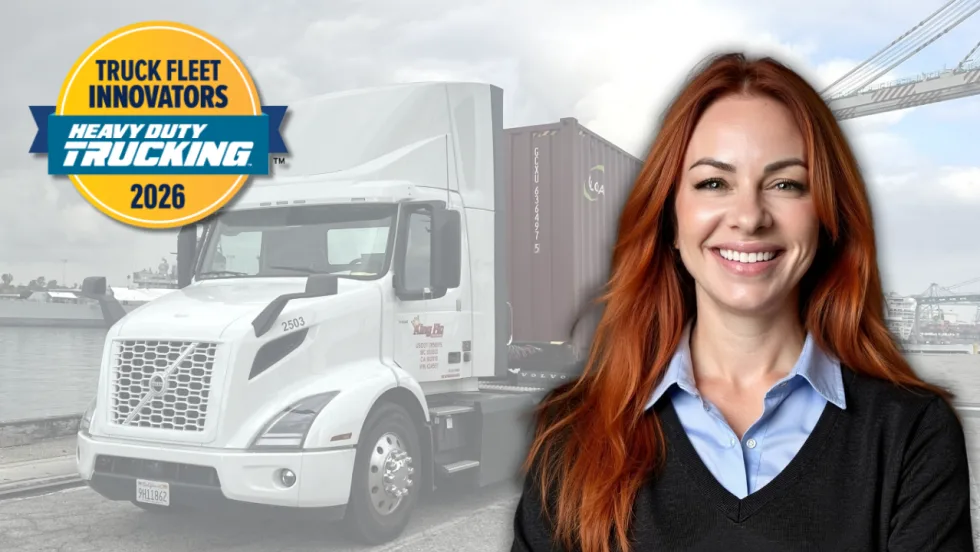
Jennie Abarca Is Proving Electric Trucks Can Do the Job
HDT Truck Fleet Innovator Jennie Abarca is building confidence in fleet electrification one load at a time while openly sharing the challenges she encounters along the way as a small-fleet owner.
Read More →
Cummins Adjusts 2027 Engine Rollout After EPA Proposal
The engine maker will gradually introduce its new Model Year 2027 diesel engines while continuing to offer current models during the transition, citing the EPA's proposed emissions rule changes.
Read More →