




Great American Trucks: The 1940 Chevrolet WB Series
The British army needed a game-changer in North Africa during World War II. And Chevrolet delivered one.

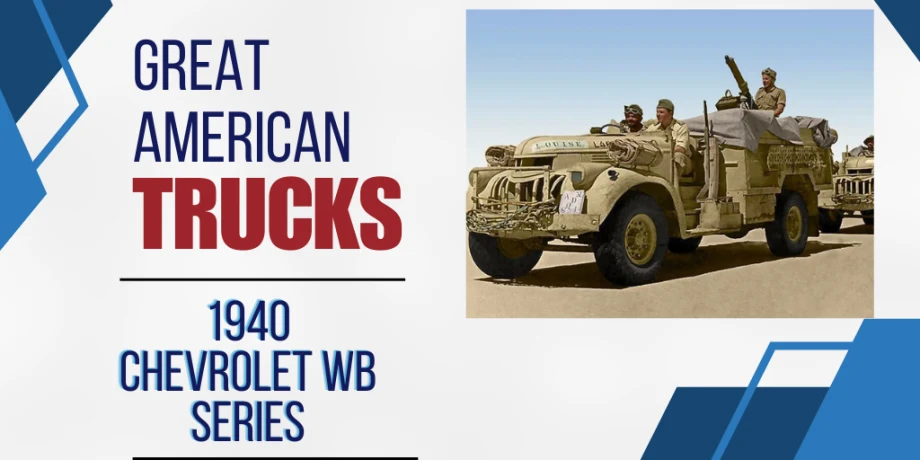
Designed for American civilian life, the 1940 Chevrolet WB Series exceled fighting in one of the harshest climates in the world.
Photo: Imperial War Museum
Taken at face value, the 1940 WB Series was nothing special. It was a solid, affordable and reliable 1.5-ton truck. Designed for serious hauling at the time, Chevy aimed the WB Series squarely at small businesses, farms and industrial applications.
Configured as a chassis cab, the WB Series could easily be upfitted with stake beds, van bodies, tankers or even converted into school buses.
But although it was technically a medium-duty truck, the WB Series’ ladder-frame chassis, leaf-spring suspension and robust axles made it ideal for heavy-duty applications at the time.
Power was supplied by Chevy’s famous -- and practically bulletproof -- 216.5 cubic inch (3.5L) "Stovebolt" inline-6 engine.
But the truck was a looker, too. 1940 marked the penultimate year for Chevy’s art deco-inspired styling, which defined American automotive design in the 1930s and into the ‘40s.
Art deco automotive designs were all about flowing, aerodynamic lines. And Chevy had continuously refined their styling over the past several years, recognizing that truck buyers also appreciated attractive automotive styling. As such, the WB Series sported chrome bumpers and a protruding, curved grill, accented by sweeping fenders and a rounded, rearward canted cab.
War Clouds Gather
Being a solid, attractive, capable and affordable design, the WB Series was exactly what American customers wanted from a medium-duty truck in that era.
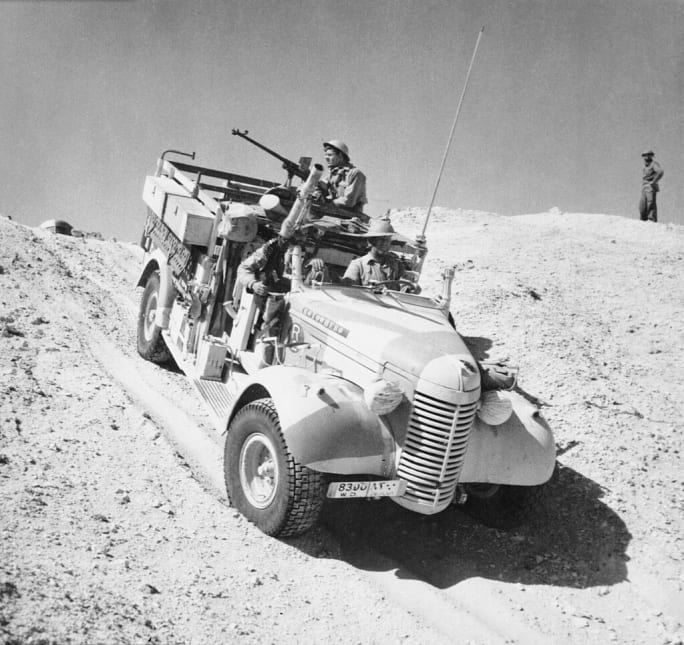
A Chevy WB Series undergoes evaluation trials in Egypt.
Photo: Imperial War Museum
All that being said, the 1940 WB Series would probably be remembered today as a sharp-looking truck, prized by collectors for exemplifying art deco automative design.
Except for World War II and events happening half a world away in the deserts of North Africa.
Britain and Germany had been at war since 1939. And the war was not going well for the British.
In 1940, France fell to the Germans.
But the British fought on, alone. But Nazi Germany was in complete control of the European continent. Which meant that the only place the British could take the fight directly to Germany was in North Africa.
There were strategic implications for this theater of war, too. Both sides wished to keep and maintain control of the vast oil resources in the region. Additionally, if the Germans could capture the Suez Canal, a vital supply route to the British Empire would be severed.
And so a vast, mobile campaign over thousands of miles of trackless, empty desert erupted. Both Germany and Great Britain deployed thousands of tanks and trucks in a war of endless maneuver. And both sides relied on long supply lines, maintained by modern trucks to keep their armies supplied with food, fuel and ammunition.
Both armies were evenly matched in terms of equipment, supplies and leadership. And so both armies round themselves mired in a back-and-forth, seesaw war where one army would breakthrough and capture hundreds, or even thousands of miles of territory. Only to outrun their supply lines and lose all their gains when the other side counterattacked.
The British recognized that they needed a new tactic to upset the stalemate in the desert and give themselves a tactical advantage in the fighting.
And it was the vast, empty expanse of the Libyan desert that provided them with a solution.
The desert was so massive that entire tank armies could disappear into it and remain hidden for days, or even weeks at a time.
Which got a British major named Ralph Bagnold to thinking.
A New Kind of Mobile Warfare
Bagnold had extensive pre-war experience as an explorer in the Western Desert. And he realized that small, specialized truck convoys could easily vanish into the desert. Once on the move, these convoys could find and track enemy tank columns. They could also penetrate deep behind German and Italian lines to raid supply columns or attack airfields and supply dumps.
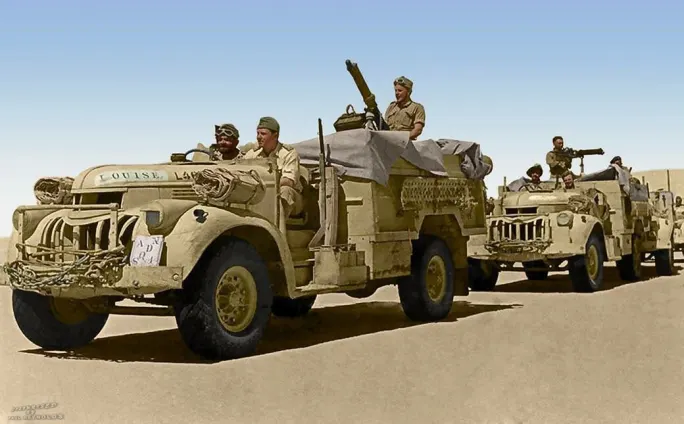
The LRDG stripped the cabs and bodies of the Chevy trucks down to reduce weight and improve ventilation.
Photo: Imperial War Museum
Bagnold pitched his idea to the British high command. And soon, one of the world’s first special forces units was being formed.
Dubbed the Long Range Desert Group (LRDG), Bagnold used his mechanical expertise forged on motorized expeditions before the war to begin outfitting a special truck for these operations.
Luckily for Bagnold and the British Empire, President Franklin Roosevelt recognized the threat Nazi Germany posed. America was neutral at the time. But Roosevelt convinced Congress to approve the Lend-Lease Program. This aid program “loaned” tanks, planes, guns, vehicles and other war materials to help keep them in the fight against Germany.
Which meant that Bagnold had a supply of tough and capable American trucks to choose from as he was forming his unit. And the primary vehicle he settled on was the Chevrolet WB Series.
Extensive Modifications
LRDG missions would be conducted in brutal temperatures in unforgiving terrain. The units would have to be completely self-contained once they left British lines. Missions would last for weeks at a time and cover hundreds or even thousands of miles. The trucks would have to carry enough fuel, food and ammunition to last an entire mission. Resupply out in the desert was impossible.
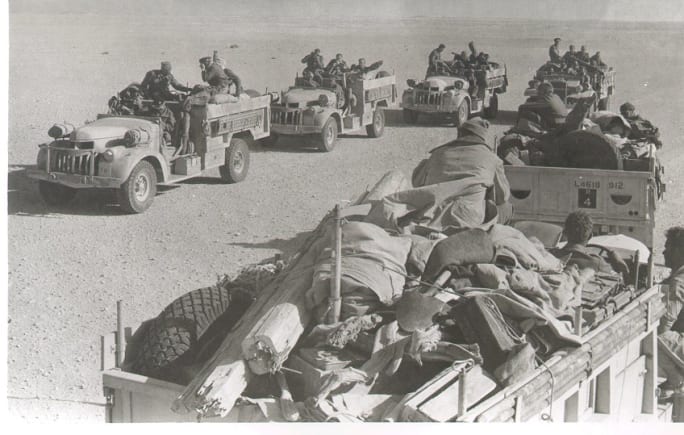
A convoy of heavily laden Chevrolets heads out on a long-range partrol into the Libyan desert.
Photo: Imperial War Museum
Which meant the Bagnold’s men had to carry out extensive modifications on their WB Series trucks.
The most critical addition was a sun compass mounted on the dash in front of the driver. The Western Desert was so vast, LRDG convoys would have to navigate across them just like ships out at sea. Some trucks were even fitted with celestial navigation gear to allow navigation by the stars at night.
Next, Bagnold’s technicians pulled all non-essential components off of the trucks to save weight.
Doors, roofs and windows were removed from the truck cabs (which helped increase ventilation in the brutal desert heat).
Side panels were removed from the nose of the truck to help prevent engine overheating. This effort was aided by the addition of large-capacity radiators and oil coolers. Special air filters were installed to keep the gritty desert sand out the engines.
LRDG mechanics re-tuned the Chevy Stovebolt engines to increase torque output and enhance long-distance reliability. Under-inflated balloon tires were added to improve traction in sand. They also beefed up the trucks’ suspensions to handle both the rough terrain and additional weight.
And the trucks needed those chassis upgrades. Because they would routinely carry 200 to 300 gallons of fuel, enough fresh water to last for weeks at time. In addition to food, spare parts, first-aid and desert camping gear.
Not to mention guns and ammunition.
LRDG trucks were rolling machine gun nests.
The trucks were fitted with .303 machine guns mounted on hard points in the bed and cab. Some models carried American .50 caliber Browing machine guns. While other models 20 mm cannons or anti-tank guns.
Interestingly, Bagnold considered using 1940 Ford 30-CWT trucks in LRDG operations. And on paper, the Ford looked like a better fit for the role.
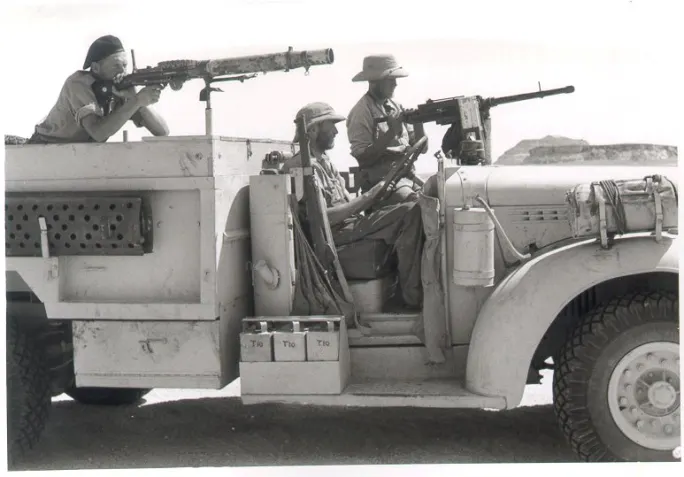
The Chevrolet trucks were heavily modified to carry a wide array of weapons -- most commonly multiple mounted machine guns.
Photo: Imperial War Museum
The Fords featured a higher-horsepower engine and standard four-wheel drive. And at first, those attributes appeared to be a bonus.
But in practice, the Fords were heavier than the Chevrolets. They struggled to keep up with the lighter WB models. Which meant that they burned more fuel. And they were more susceptible to overheating and mechanical failures. It also turned out that Chevrolet parts were easier to acquire. And the WB models were easier to work on out in the field.
Success in the Desert
In late 1940, the first LRDG patrols rolled out of British bases and disappeared into the endless Libyan desert.
And from the outset, the patrols were an unqualified success.
German and Italian forces had no idea when, or where LRDP convoys might turn up.
The group provided critical intelligence on enemy troop movements. They raided supply convoys, shot up aircraft parked at airports far behind the front lines, and destroyed valuable infrastructure.
These raids happened without warning at all hours of the day and night – in rear areas where German and Italian soldiers thought they were safe from attacks.
And after wreaking havoc on the enemy, the LRDG and their trusty Chevrolet mounts would vanish without a trace back into the desert they’d appeared from.
And the LRDP men grew to love the Chevy trucks their lives depended on.
LRDG commanders consistently praised the WB models’ reliability and adaptability in the harsh desert conditions. By 1942, the trucks were the primary LRDG patrol vehicle and remained so until victory in North Africa was secured in 1943.
Interestingly, some LRDG trucks – including Chevrolets – remain out in the Libyan desert where they were either disabled during fighting or abandoned by their crews after breaking down.
But the LRDG’s innovation in taking a solid, civilian truck and adapting it for warfare in one of the most brutal climates on the planet is a testament to both the ingenuity of the British technicians, and the tough, adaptable design of Chevrolet trucks of the time.
More Equipment
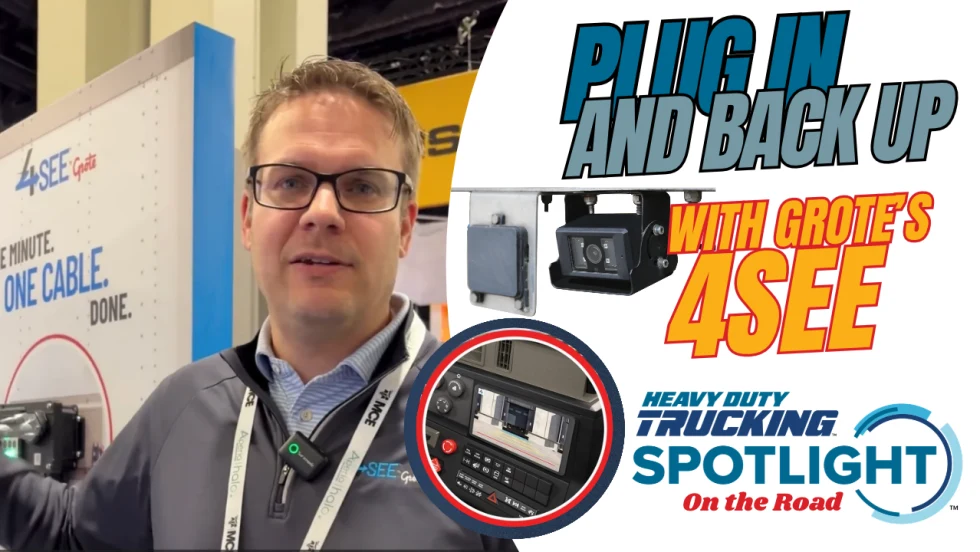
More Trailer Data Through the Same Seven-Way [Video]
Can trucking’s standard seven-way connector handle more cameras and trailer data? Grote’s Adam Slade shows HDT how the company is using new technology with its 4See trailer system, not only to add a new backup camera but also to expand other capabilities — without adding another connection.
Read More →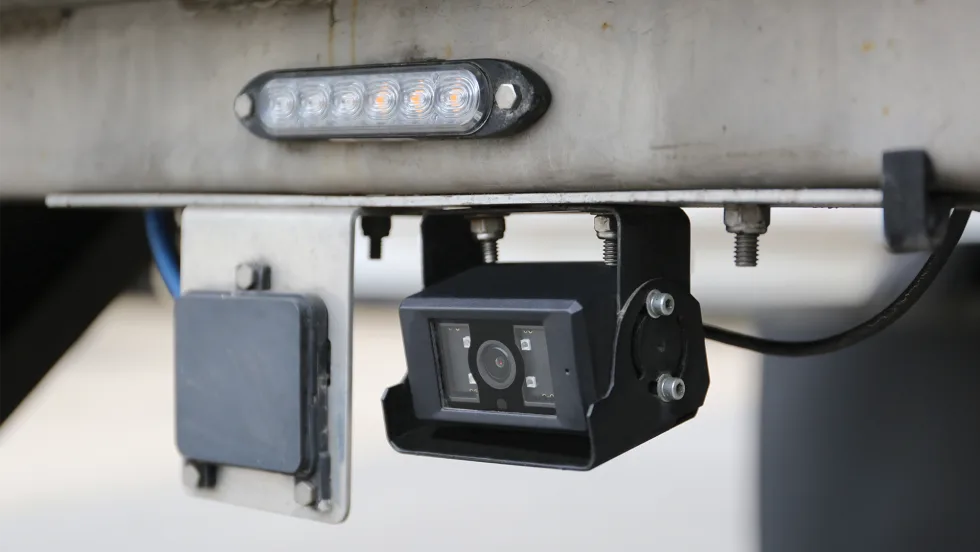
Grote: More Cameras, Same Seven-Way Connector
The next-generation 4See rear-view backup camera from Grote uses the standard seven-way connector and supports additional cameras and other trailer data.
Read More →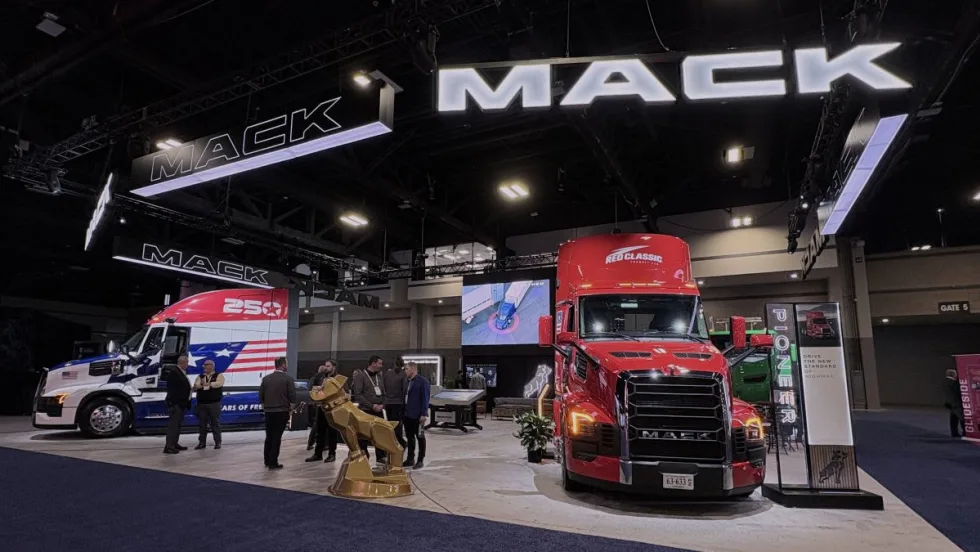
Trucks at ATA's 2026 MC&E in Charlotte, North Carolina [Photos]
From rigs decked out in patriotic America's 250 paint schemes to autonomous trucks and more, check out these photos from ATA's 2026 Management Conference & Exhibition.
Read More →
Help HDT Find Trucking’s Top Products
Have you come across a new product that could make a difference for trucking fleets? Nominate it for HDT’s 2027 Top 20 Products Awards by November 9.
Read More →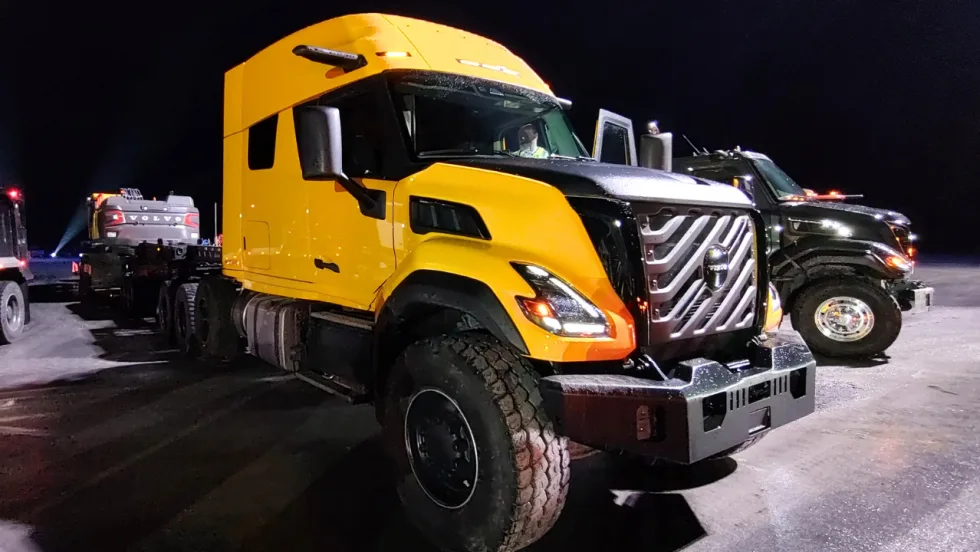
Volvo Unveils New VNX Heavy-Haul and Vocational Truck
Volvo Trucks has launched the VNX, a new vocational truck also available as a tractor in day cab and two sleeper configurations, with one heavy-haul model. The Volvo VNX is powered by Volvo's D13 platform, which delivers up to 540 horsepower and 1,950 pound-feet of torque and is EPA 2027-compliant.
Read More →
How GP Transco Cuts Trucking Fuel Costs, a Tenth of a Gallon at a Time
What’s another tenth of a mile per gallon worth? GP Transco shares how equipment upgrades and driver coaching turn small gains into meaningful fuel savings.
Read More →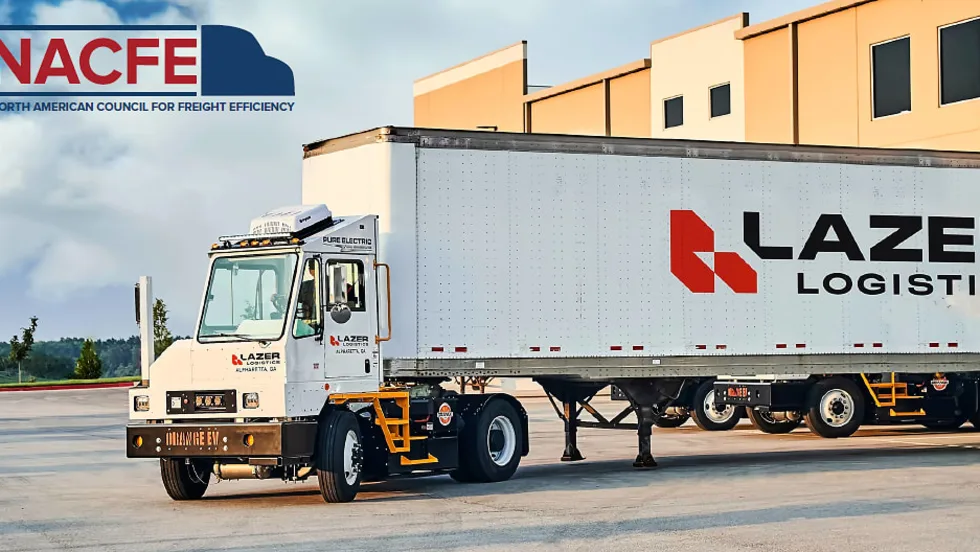
Electric Yard Tractors Move Beyond Pilots
Operating-cost savings have overtaken sustainability goals as the leading reason surveyed fleets are adopting battery-electric terminal tractors, according to new NACFE research.
Read More →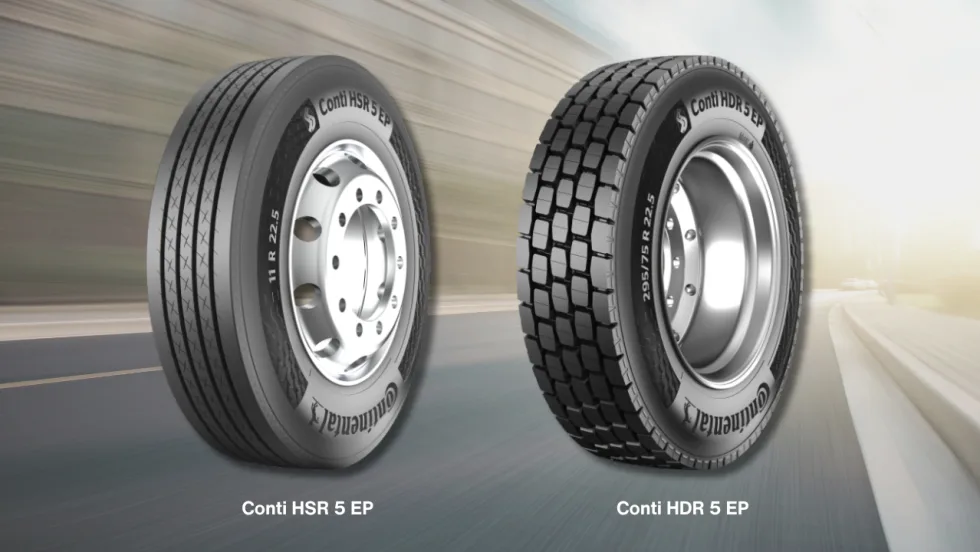
Continental Introduces New Regional Truck Tires
Continental says its new Generation 5 steer and drive tires for regional operations offer longer tread life, with estimated mileage gains of 22% and 19%, respectively.
Read More →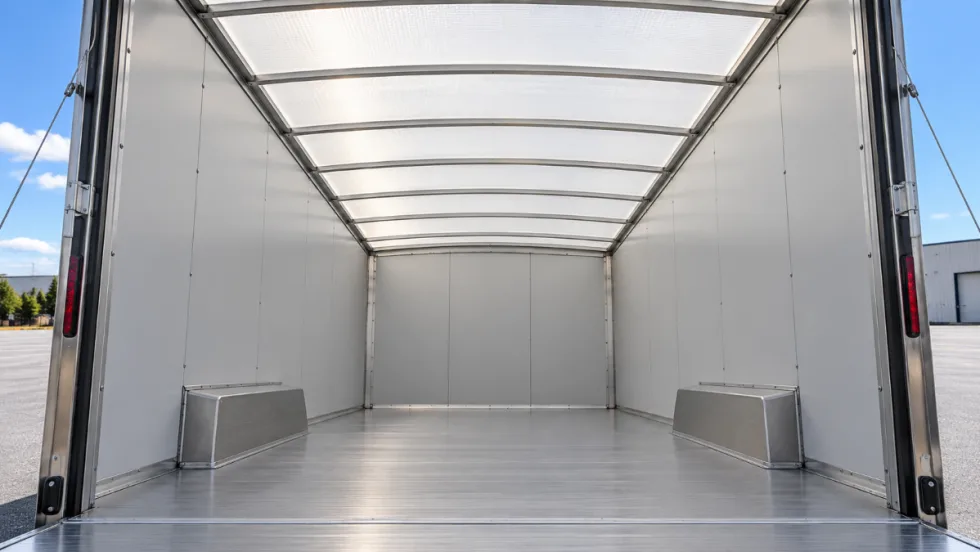
Tekmodo Introduces CargoBright Brand for Translucent Trailer Roofs
CargoBright is designed to diffuse daylight across the cargo area while performing as a working vehicle roof.
Read More →
Fleet Economics Shape Electric Truck Outlook
ACT Research expects costs, charging infrastructure, and technology improvements to drive zero-emission commercial vehicle adoption as federal regulations and incentives retreat.
Read More →