Don’t Let Bad DEF Sideline Your Truck: Storage, Shelf Life & Safety Tips
Diesel exhaust fluid doesn’t last forever. Before restarting an idle heavy-duty diesel truck or using DEF from storage, make sure it’s safe, compliant, and won’t damage your emissions system.
by Bill O’Ryan, American Petroleum Institute
June 16, 2025
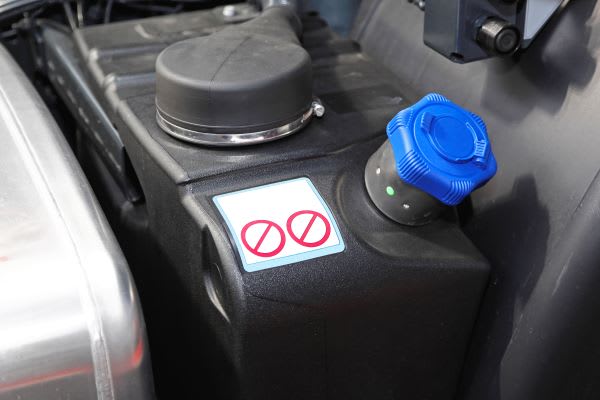
The quality of the DEF going into your vehicle is as important as the quality of the engine oils or fuels used in your vehicles.
Photo: American Petroleum Institute
5 min to read
When diesel-powered trucks sit idle for extended periods, it’s easy to overlook the condition of the diesel exhaust fluid (DEF) in the tank. However, DEF has a limited shelf life, and using expired product can lead to performance issues or even damage to the emissions system.
Ad Loading...
DEF typically has a storage life of about 12 months under optimal conditions. Before putting any out-of-service vehicle back on the road, fleet operators should check how long the DEF has been sitting.
If it’s been a year or more, draining and refilling the DEF tank is a smart step to ensure reliability and compliance. Using DEF licensed by the American Petroleum Institute (API) ensures it meets the high standards required by engine and vehicle manufacturers. The API has established guidelines for drivers purchasing and storing DEF.
Ad Loading...
The API also recommends changing the DEF if a vehicle sat unused in summer heat for a prolonged period or if the DEF may have been contaminated in any way.
In addition, API suggests changing the engine oil if you believe moisture may have built up in the engine; plus check other critical fluids and vehicle components including the tires before going back out on the road.
Also, remember to evaluate the DEF on shelves in the shop if it has been a long time since the last delivery. Order new DEF if necessary, as you don’t want to replace old DEF in your vehicle with expired product.
DEF is not considered a hazardous material but should be disposed of in accordance with local regulations.
Purchasing Diesel Exhaust Fluid
When buying DEF, whether at a truck stop or retailer, several factors ensure you get a high-quality product:
Ad Loading...
Truck Stop Purchase
Ensure the DEF brand and manufacturer are identified. Regulations in many states require this information on receipts, but it's always best to verify.
Retailer Purchase
Buy DEF stored away from direct sunlight in a cool, dry place.
Inspect the packaging for signs of contamination or damage. Avoid purchasing compromised products.
Look for the API certification mark on the bottle.
Check the expiration date to ensure freshness and effectiveness. If no date is visible, request the most recently delivered DEF products.
Storing DEF
Proper storage of DEF is crucial to maintain its quality.
Ad Loading...
In-Vehicle Storage: Avoid storing DEF in a truck if the area is hotter than the recommended storage temperatures. DEF stored at 86 degrees or higher will last about six months. Sunlight exposure also reduces its shelf life.
Shop Storage: Store DEF in a cool, shaded area. Properly stored DEF can last 12 months or longer. Use the oldest DEF first to avoid expired products.
Pouring DEF
When filling DEF in your truck:
Use dedicated equipment for dispensing. Avoid using funnels, pitchers, or hoses used for other fluids.
Clean dispensing equipment with distilled or de-ionized water, followed by a DEF rinse. Do not use tap water for cleaning.
Purchasing DEF for Shop Use
API has found that the biggest misconception by fleet managers is the belief that if the urea concentration of their DEF is on spec, then the DEF meets the required quality.
Ad Loading...
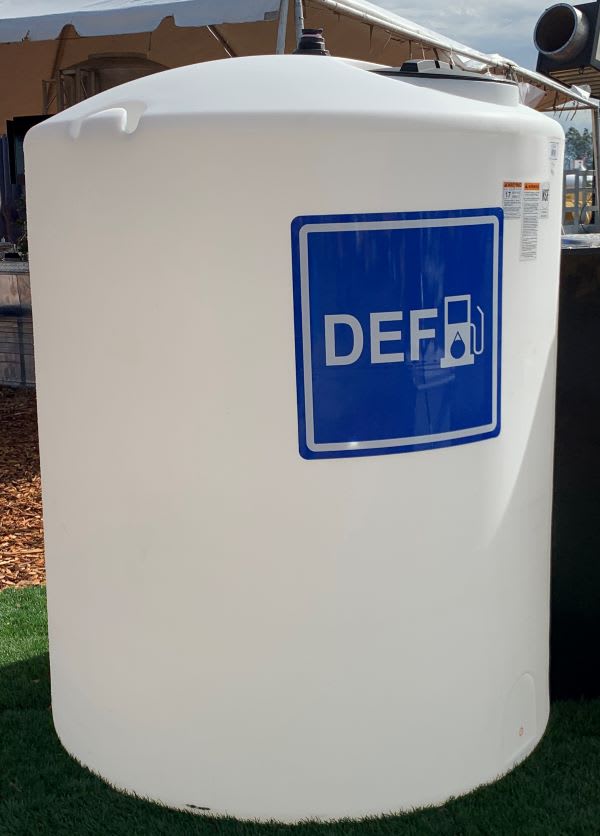
Bulk storage tanks should be dedicated for DEF. Don’t switch products in the bulk tank without thoroughly rinsing the tank with distilled or de-ionized water or on-spec DEF.
Photo: American Petroleum Institute
While it is true that the concentration is very important, there are many other important quality characteristics built into the ISO 22241 specification regarding DEF.
Those responsible for procuring DEF should confirm that their suppliers are providing DEF that meets the entire ISO quality standard.
One way to do this is to ensure that their supplier is providing a Certificate of Analysis (or Quality) with every shipment that addresses all the quality characteristics that the specification requires.
You can also check to see if the DEF they are buying is licensed through API’s real-time directory of licensees on the API website.
Managing DEF in Shops
For truck maintenance shops, the handling, storage, and dispensing of DEF is very important. Temperature during transport or at the point of storage or sale can harm the shelf life of DEF sold in containers.
Ad Loading...
Make sure the stock is rotated to use the oldest product first. Proper storage temperature in a shop is also vital. Storing in temperatures above 86 degrees will limit the shelf life of the DEF over time.
Some additional things to consider in storing and handing DEF include the following:
Bulk storage tanks should be dedicated for DEF. Don’t switch products in the bulk tank without thoroughly rinsing the tank with distilled or de-ionized water or on-spec DEF.
A closed-loop system for transferring DEF from a drum or bulk tank is recommended so contaminants don’t get into the DEF. This is particularly important in a shop or construction site that has dust or dirt in the air.
Use dedicated equipment for dispensing DEF. Don’t use funnels, pitchers, hoses, etc. that are used for other fluids when putting DEF in a tank.
Anything used for dispensing DEF should be cleaned with distilled or de-ionized water and followed by a DEF rinse. Don’t use tap water for cleaning.
For shops and drivers, it’s important to know what you are putting into your DEF tank. The quality of the DEF going into your vehicle is as important as the quality of the engine oils or fuels used in your vehicles. Use of API-licensed Diesel Exhaust Fluid will ensure that it meets the high standards required by engine and vehicle manufacturers.
Managing DEF in Wintertime
Made from a mixture of technically pure urea and purified water, DEF freezes at 11 degrees and needs to be properly maintained and dispensed to preserve its quality in the winter.
Ad Loading...
DEF Resources
API’s recently launched DEF Consumer Guidance resource page offers clear guidance to drivers, fleet managers and others to ensure optimal performance and compliance with emissions standards. A downloadable Do’s and Don’ts Guide for DEF storage is also available as a resource for drivers and shops.
Like water, DEF will expand up to 7% when frozen and can damage the storage tank if it is full or nearly full when it freezes. Keeping a tank that you think may freeze if less than full is a good idea.
If DEF freezes in the vehicle, do not put any additives in the tank to help it melt. DEF needs to remain pure for it to work correctly. The vehicle will start without a problem and the DEF tank has a heating element that can quickly thaw the DEF.
Don’t worry; on-spec DEF is specifically formulated to allow the fluid to thaw at the proper concentration to keep your vehicle operating smoothly.
In addition to cold, there are other things to consider when purchasing, storing, and handling DEF.
Drivers accustomed to purchasing DEF in containers should look at the expiration date on the bottle and be sure to use it before this date. If a date is not present, ask for the most recently delivered DEF products.
Ad Loading...
Also, check the label for recommended storage temperatures and be sure to look for the API certification mark on the bottle as well. Many diesel engine manufacturers recommend that drivers use API-licensed DEF.
Volvo’s updated D13 promises lower emissions without sacrificing performance or fuel economy. Take a closer look at what changed inside the engine in this HDT Spotlight video.
Energy Vision estimates fleets could recover the higher purchase price of an RNG-fueled Class 8 tractor in 1.3 to 2.8 years under current fuel-price scenarios.
Calstart is now Catalyst Mobility, reflecting the nonprofit’s growing national role in clean transportation, including zero-emission trucks, infrastructure and incentive programs.
Average U.S. diesel prices have climbed to nearly $6 a gallon, surpassing the 2022 record as tight refinery capacity and Middle East disruptions keep fuel costs elevated.
Fuel delivery depends on more than what happens at the injector. For fleet, maintenance and technical professionals, looking at the full path from pump to injector can provide useful context for understanding engine performance.
The Port Authority of New York and New Jersey announced millions in incentives for zero-emission drayage trucks, yard tractors, and new charging hubs near the port.
Why do battery-electric Class 8 trucks remain so expensive? A California bill headed to Gov. Gavin Newsom would give fleets and state agencies more visibility into what manufacturers charge.
Detroit isn’t starting from scratch to meet EPA 2027 diesel emissions standards. Its Gen 6 DD13 and DD15 engines keep much of today’s platform while updating the fuel and aftertreatment systems.
California, Oregon, Washington, British Columbia and Baja California are coordinating plans for truck charging and hydrogen fueling from Canada to Mexico.
Learn more about Kenworth's T880E battery-electric vocational truck at the Paccar Technical Center, including its range, applications, upfitting considerations, and PTO options, in this HDT Spotlight video.