





Our 2022 interview with aifleet:One Fleet’s ‘Obsession’ With Driver Happiness
How Aifleet is Growing with its AI-Driven Approach to Trucking
Using artificial intelligence, aifleet is able to generate over 40% higher utilization than the truckload industry average, while keeping truck drivers happy. With an investment from Volvo and others, the AI-driven trucking company will continue to grow.
September 16, 2024

By building a trucking company based on AI-driven technology, aifleet keeps drivers happy and cost per mile low.
Photo: Volvo
6 min to read
Marc El Khoury has a passion both for technology and for truck drivers. He co-founded and is the CEO of aifleet, a trucking company based on using artificial intelligence to optimize route planning and reduce cost per mile — while keeping drivers happy with higher pay and weekly home time.
After working with large trucking companies, he was frustrated by the fragmented nature of the industry and its inefficiency. He worked with aifleet co-founder Mark Farkas to design a proprietary algorithm that looks at millions of available loads a day and books and prices loads based on what fits the drivers best and will maximize hours of service and fleet utilization.
“The full truckload market size is $400 billion, but it’s a massively inefficient and fragmented market with half a million carriers, where even the biggest has less than 1% of the market,” El Khoury explains.
As truck utilization has trended downward since 2018, he says, aifleet has developed technology to improve utilization and "radically improve trucking efficiencies, while bringing real humanity back to the driver experience.”
With its artificial-intelligence-driven technology, aifleet is able to generate over 40% higher utilization than the industry average, according to the company, driving a fivefold increase in operating profit compared to big carriers.
The Austin, Texas-based company’s AI manages 20 quintillion permutations per truck per week, equaling 250,000 loads per week and $20 billion in orders per year.
Aifleet Success Brings More Funding
The company's success, even through the turbulent years of the Covid-19 pandemic and its aftermath, has attracted a new round of investment from Volvo Group and others.
Aifleet raised a $16.6 million Series B funding round led by Tom Williams at Heron Rock, with participation from Volvo Group Venture Capital, Obvious Ventures, Ibex Investors, Compound, Winthrop Square, and Cooley, bringing its total funding to nearly $50 million.
“Aifleet is addressing inefficiencies in the trucking industry in a differentiated manner, building technology and proving out its capabilities through their own fleet operations,” said Joe Darcy, investor at Volvo Group Venture Capital.
“Not only are they increasing the utilization of the trucks on the road but also making sure drivers have an optimized working environment.”
The company is using the capital investment funding to continue to improve its optimization and investing in large language models and automation, as well as to hire and train people ahead of its rapid growth.
“AIfleet is positioned to become America's largest and most profitable truckload carrier,” said Tom Williams, General Partner, Heron Rock.
“In just four short years, aIfleet's powerful AI algorithms and proprietary tech stack deployed across every aspect of carrier operations have far exceeded what we even thought was possible when first investing.
“With this approach, aifleet is positioned to become America’s largest and most profitable truckload carrier.”
Driving Down Trucking Costs Per Mile With Artificial Intelligence
Aifleet’s revenue is based on rate per mile. So the company is focused on reducing cost per mile. El Khoury says it’s the best in the industry, because it’s able to amortize fixed costs over many more loaded miles, thanks to its algorithms improving utilization.
“We truly want to build a true scalable company,” he says.
Traditionally, he explains, if you’re going to grow the size of your fleet by 100%, you’re also going to increase your operations and office expenses.
“We have an incredible opportunity to continue automating the operations workload while growing the fleet. For every single truck we add, our cost per mile actually goes down.”
How AI-Driven Load Planning Helps Keep Drivers Happy
El Khoury has two main goals with his AI automation: Operate more efficiently so the operation can be easily scaled, and keep drivers happy.
“Other companies, drivers complain, ‘My dispatcher is not getting me any loads,’” he says. “That’s not a problem for us, because everyone is getting load assignments based on our technology.”
When we spoke in 2022, dispatchers were still reviewing the algorithm’s results. Today, El Khoury says, spot pricing is 100% automated. Drivers get their load assignments automatically.
As he told us in 2022, “A driver should never have to call their dispatcher and say, ‘I’m waiting for my next load.’”
And the feedback drivers provide is fed into the AI to keep improving the technology.
“We are excited to continue building with them," El Khoury says.
Currently, aifleet has about 230 drivers, up from 60 when we talked to El Khoury more than two years ago. The goal is to reach 250 or 260 by the end of the year and continue to grow beyond that.
Surviving the Spot Freight Roller Coaster
Two years ago, the company, founded in 2020, relied almost entirely on spot freight. We all know what happened to spot freight rates after the highs of the pandemic.
Asked how the plunge in the spot market affected aifleet’s business model, El Khoury said the rollercoaster spot market ride has allowed it to train its AI models.
“Even though the last couple of years have been tough on the industry, we’ve had the opportunity to collect a lot of pricing data,” he says.
“It was easy to price in 2022, 2021 when rates were high. What we’ve noticed now is our model works really well … we’ve invested a lot of research and development in our pricing algorithm.”
Right now, about 20% of aifleet’s freight is direct to shipper — more, about 35%, in its state of Texas, where it has more relationships with shippers.
Now, El Khoury says, they are using data and technology to try to determine the best mix of contract and spot freight.
“There’s a lot of theory on what should be the right mix of spot and contract freight,” he says, “but there hasn’t been actual analysis.” And that’s one thing aifleet is working on.
Aifleet Looks to Use its AI Tech to Optimize Autonomous and Electric Truck Operations
As the first “digital-native” truckload carrier, aifleet is well positioned to operationalize electric and autonomous technologies.
In fact, El Khoury says the team has already built technology to work with autonomous trucks.
“We asked the question, what does 100% utilization look like? Even without a driver, that doesn’t mean the truck will never stop. You are still constrained by a lot of shippers and receivers.
“We’ve built out the autonomous trucking solution and are testing it out in different regions.”
He explains that if you only look at the freight opportunities within the state of Texas, the utilization improvement isn’t as much as it is if you’re able to open it up to the rest of the country, “because the technology has more options to schedule that truck efficiently.
“We are all in on truly disrupting the trucking industry with our unique AI technology, and that’s leading to better outcomes for all — a better experience for drivers, a better impact on the economy, and a better impact on the environment — all in service of our purpose, to humanize trucking,” added El Khoury.
More Fleet Management
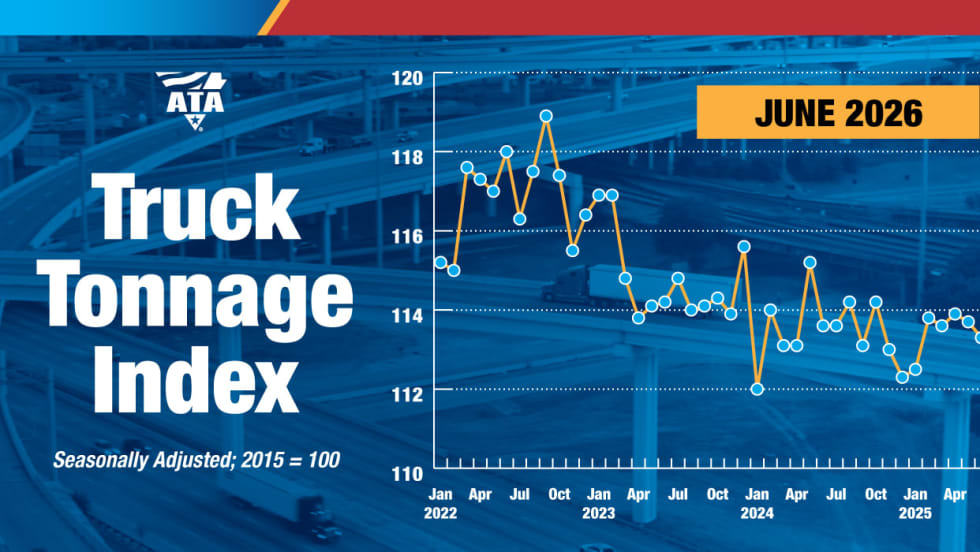
Freight Tonnage Down, Rates up, as Lower Capacity Powers Trucking Recovery
The recovery from the freight recession continues to be driven by reduction in capacity rather than by increased demand.
Read More →
Think Your Trucking Fleet Isn't Using Much AI? Think Again
Shadow AI — the use of unauthorized artificial intelligence tools at work — is becoming increasingly common, putting sensitive company data at risk. Learn how trucking fleets can protect sensitive data while embracing AI.
Read More →
ArcBest Consolidates Brands, Cuts Workforce
The company will bring three business units under the ArcBest brand, eliminate about 2% of positions, and expects the changes to generate $40 million in annual savings.
Read More →

Trucking Fleets Faced Record Operating Costs During Third Year of Freight Recession
ATRI's annual operational cost report shows carriers trimmed fleets, delayed equipment purchases, and ran older trucks as expenses continued to outpace freight rates.
Read More →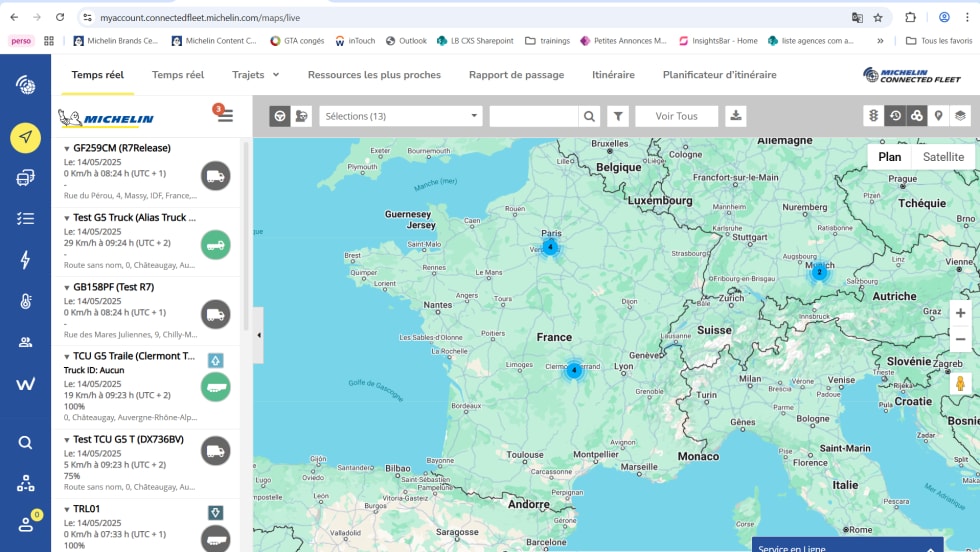
Michelin Adds AI Assistant to MyConnectedFleet Platform
Michelin’s new generative AI tool delivers instant fleet insights, helping managers analyze fuel use, tire maintenance, vehicle status, and operational performance without manually creating reports.
Read More →
LytxOne Platform Now Features AI, Compliance, and Asset Tracking Tools
New enhancements add AI-powered insights, asset tracking, compliance automation, and configurable privacy controls to Lytx's all-in-one fleet management platform.
Read More →
July Imports Poised to Set Container Record
The National Retail Federation projects July container imports will surpass the pandemic-era record as shippers frontload freight ahead of expected August tariff increases.
Read More →
HDT Announces 2026 Truck Fleet Innovator Finalists
From AI and fleet electrification to safety, operations, and leadership, these HDT Truck Fleet Innovator finalists are changing how trucking gets done.
Read More →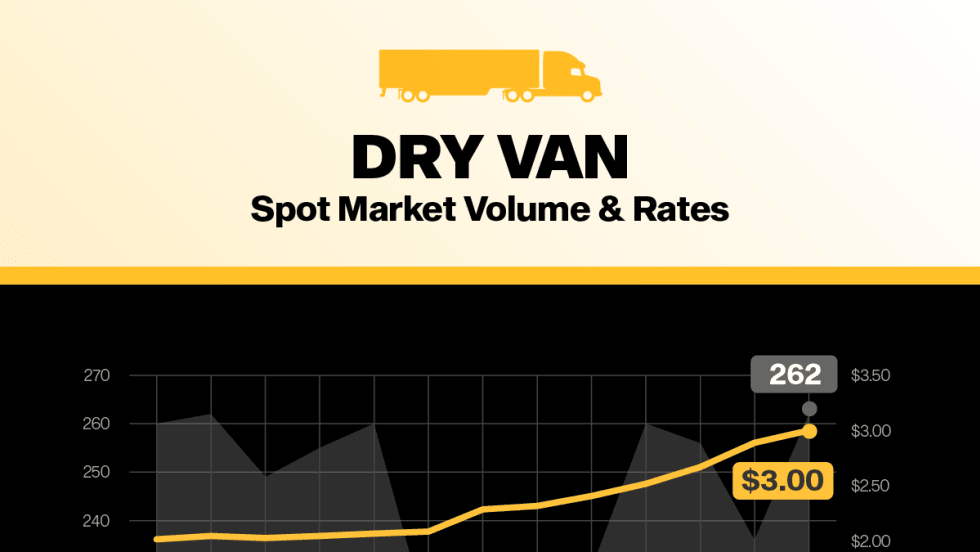
Van Spot Rates Top Contract Rates for First Time Since 2022
There’s more good economic news for the North American trucking industry according to the latest Truckload Volume Index report from DAT.
Read More →
Carrier Transicold Extends Refrigerated Trailer Life
Fleet Refresh enables refrigerated fleets to replace aging transport refrigeration units instead of entire trailers, while adding Lynx Fleet telematics and BluEdge service coverage.
Read More →