




Honda Debuts Class 8 Hydrogen Truck
Honda is exploring hydrogen fuel cell technology in a market segment it has traditionally passed by: Commercial vehicles.

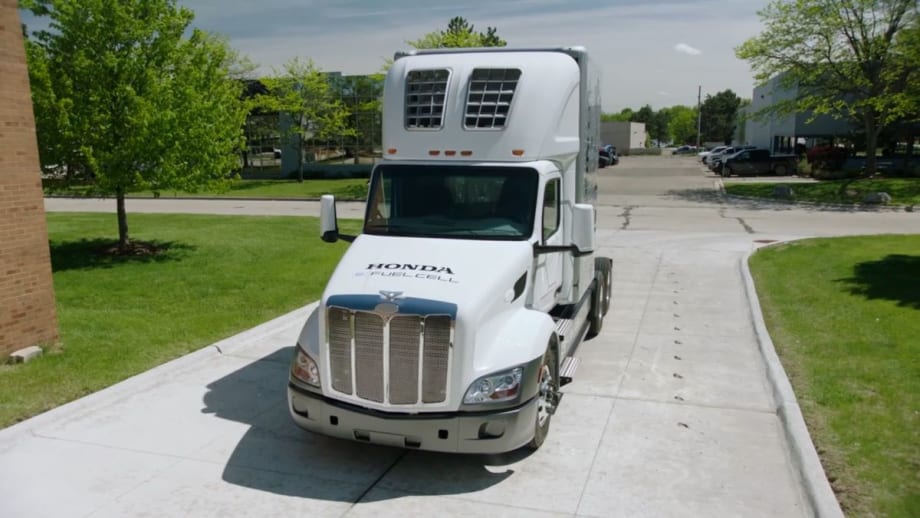
Honda showcased this hydrogen fuel cell Class 8 concept truck at ACT Expo 2024.
Photo: Honda Motor Co.
Is Honda getting into the commercial vehicle game?
Kind of.
Honda is, of course, one of the premier passenger car companies in the world today.
But lately, the Japanese auto giant has been working with General Motors. The two companies are bringing new technology to a market segment Honda has traditionally not served: Commerical vehicles.
A Class 8 Hydrogen Concept Truck
At ACT Expo 2024 in Las Vegas on May 20, Honda debuted a Class 8 hydrogen fuel cell concept truck. The truck showcases the start of a new demonstration project aimed at future production of fuel cell-powered vehicles for the North American market.
Honda said it is seeking new business collaborations as the company expands its hydrogen business to achieve its global goal of zero environmental impact, including carbon neutrality for all products and corporate activities by 2050.
“Commercial vehicles, including Class 8 trucks, where fuel cells offer the best zero-emission replacement for existing diesel applications, are a key part of Honda’s broad hydrogen business strategy,” said Ryan Harty, assistant vice president, sustainability & business development, American Honda Motor Co. “Honda is actively seeking business collaborations and customers to help bring these hydrogen fuel cell solutions to market here in North America.”
The operational Honda Class 8 truck concept is powered by three new Honda fuel cell (FC) systems, now in mass production at Fuel Cell System Manufacturing, a joint venture production facility with General Motors (GM) in Brownstown, Michigan.
The new FC system is key to the Honda hydrogen business strategy, the company said.
Co-developed by Honda and GM over the last decade, the Honda FC system advances performance and doubles durability while reducing cost by two-thirds compared to the previous Generation1 system.
Honda has identified four core domains for the initial utilization of its new fuel cell system: fuel cell electric vehicles (FCEVs), commercial fuel cell vehicles, stationary power stations and construction machinery.
An Autonomous Work Truck Too
And that’s not the only commercial vehicle concept Honda displayed in its booth at ACT Expo 2024.
In addition to the Class 8 hydrogen fuel cell truck, Honda also showcased a 2025 Honda CR-V e:FCEV. The company said this is the first production plug-in hydrogen fuel cell electric vehicle in America.
Honda also displayed its new Fuel Cell System, which is at the core of its strategy to expand the range of applications that use hydrogen toward the decarbonization of society.
The booth also displayed the Honda Autonomous Work Vehicle (AWV), a prototype, all-electric off-road vehicle designed to enhance worksite efficiencies and support repetitive tasks.
More Fuel Smarts

Record Diesel Prices Squeeze Trucking Fleets
Average U.S. diesel prices have climbed to nearly $6 a gallon, surpassing the 2022 record as tight refinery capacity and Middle East disruptions keep fuel costs elevated.
Read More →
How Fuel Delivery Shapes Engine Performance
Fuel delivery depends on more than what happens at the injector. For fleet, maintenance and technical professionals, looking at the full path from pump to injector can provide useful context for understanding engine performance.
Read More →
East Coast Port Launches $45M Electric Truck Push
The Port Authority of New York and New Jersey announced millions in incentives for zero-emission drayage trucks, yard tractors, and new charging hubs near the port.
Read More →

California Bill Could Shed Light on Electric Truck Prices
Why do battery-electric Class 8 trucks remain so expensive? A California bill headed to Gov. Gavin Newsom would give fleets and state agencies more visibility into what manufacturers charge.
Read More →
Detroit Opens Orders for EPA 2027 Engines
Detroit isn’t starting from scratch to meet EPA 2027 diesel emissions standards. Its Gen 6 DD13 and DD15 engines keep much of today’s platform while updating the fuel and aftertreatment systems.
Read More →
Zero-Emission Truck Corridor Planned for West Coast
California, Oregon, Washington, British Columbia and Baja California are coordinating plans for truck charging and hydrogen fueling from Canada to Mexico.
Read More →
A Closer Look at Kenworth’s Electric T880E Vocational Truck [Video]
Learn more about Kenworth's T880E battery-electric vocational truck at the Paccar Technical Center, including its range, applications, upfitting considerations, and PTO options, in this HDT Spotlight video.
Read More →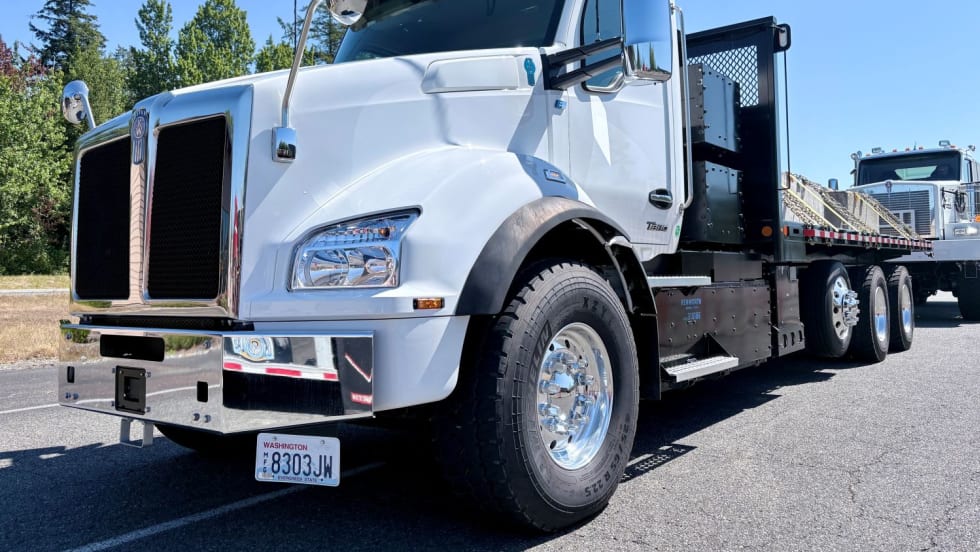
Kenworth T880E Brings EV Power to Vocational Trucks
A closer look at the Kenworth T880E’s range, charging, powertrain and upfit options — and where fleets are showing the most interest.
Read More →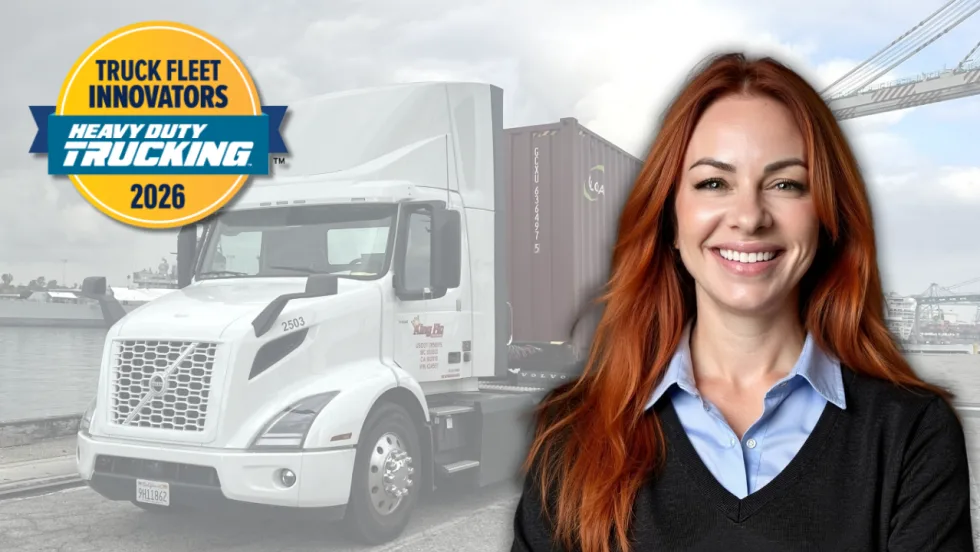
Jennie Abarca Is Proving Electric Trucks Can Do the Job
HDT Truck Fleet Innovator Jennie Abarca is building confidence in fleet electrification one load at a time while openly sharing the challenges she encounters along the way as a small-fleet owner.
Read More →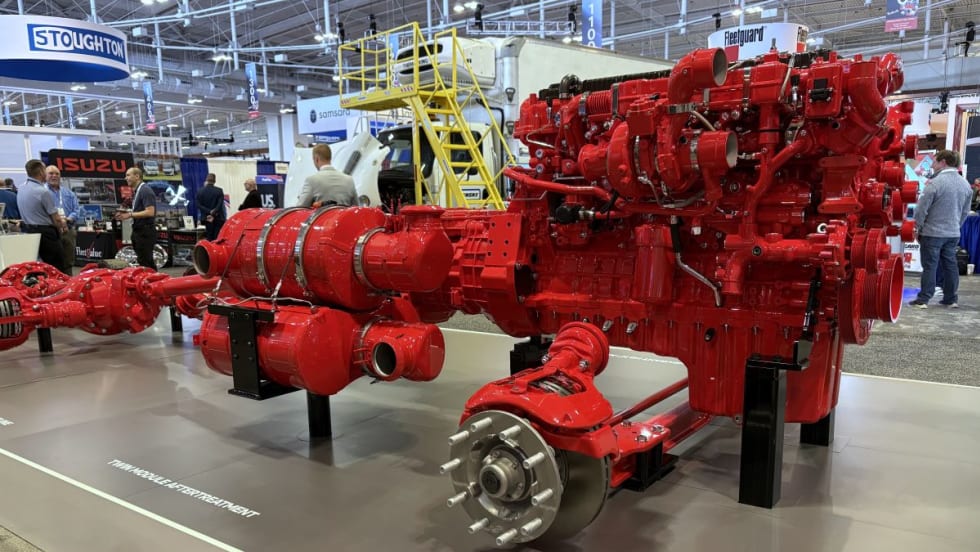
Cummins Adjusts 2027 Engine Rollout After EPA Proposal
The engine maker will gradually introduce its new Model Year 2027 diesel engines while continuing to offer current models during the transition, citing the EPA's proposed emissions rule changes.
Read More →