




What's a Fair Way to Pay for Highways in an Age of EVs?
With California mandating zero-emissions vehicles and other states looking to follow suit, we need to look at different ways to fix an already-underfunded highway fund, says Deborah Lockridge in this editorial.

HDT Graphic
In October, U.S. House Transportation and Infrastructure Committee Republicans held a session called “Running on Empty: The Highway Trust Fund.”
I’ve heard this before. (One thing about covering trucking for more than 30 years; everything old is new again.)
The fuel taxes that provide most of the Highway Trust Fund have not been raised since 1993. Building and maintaining infrastructure has become more expensive and vehicles have become more fuel-efficient. The Congressional Budget Office projects the HTF will be drained by 2028 and more than $240 billion in the red by 2033.
The most obvious answer would be raising gas and diesel tax rates and indexing them to inflation. But Congress hasn’t been able to agree on doing that in three decades. And even if our partisan, divided Congress did suddenly decide to raise taxes on gasoline and diesel, it’s not going to address the issue of electric vehicles that aren’t using either.
With California mandating zero-emissions vehicles and other states looking to follow suit, we need to look at different ways to fix an already-underfunded highway fund.
Back to the déjà vu.
In 2009, a bipartisan, congressionally created commission recommended a 10-cent increase in the federal gas tax (15 cents for diesel) and indexing the tax to inflation.
But long-term, relying on the fuel tax was not the answer, said the National Surface Transportation Infrastructure Financing Commission. It recommended shifting to a mileage-based usage fee by 2020. I wrote about this in early 2021 after 2020 came and went and no progress had been made toward that goal.
But while we seem to be going around and around with the same Highway Trust Fund debates and band-aids as we were 15 years ago, one big thing has changed: the emphasis on electric vehicles. We’ve recently seen some of the enthusiasm for EVs wane, but they aren’t going away. And they’re not paying into the Highway Trust Fund.
Paying for Highway Use By the Mile
So it’s a good time to seriously look at a mileage-based user fee, or MBUF. (We used to call it VMT, for vehicle-miles tax, but “tax” is a dirty word on Capitol Hill.)
The Eastern Transportation Coalition has been running MBUF pilot programs with both passenger cars and trucks. Its report on a recent commercial-truck pilot said MBUF has potential, and it identified some challenges and considerations need to be addressed before implementation.
But we’re not going to be able to figure out how to address those challenges if we don’t move forward. The 2021 bipartisan infrastructure law directed DOT to set up a national pilot program, but we all know how slowly work the wheels of government bureaucracy. It’s taken two years just to start setting up the Federal System Funding Alternative Advisory Board.
Can Today's Tech Make it Easier to Move Away from Fuel Tax?
On top of the rise of EVs making it more important than ever to look at alternative ways to fill the Highway Trust Fund, there are other changes that should make a mileage-based user fee easier to implement than it would have been when that 2009 report was written.
One of the big challenges was how to determine mileage-based fees. But with the growth in cell phones, GPS-enabled technology, and vehicle-embedded telematics, people today may be more open to location-based MBUF tech.
Several states have been looking at mileage-based fees. Oregon was the first, and in a 2017 report on its OreGo program, it said that “the concept is about as popular as increasing vehicle registration fees, increasing fuels tax, or implementing a vehicle sales tax.”
However, it said, the majority of Oregonians agreed that a mileage-based system for transportation funding is more fair than other options. The report concluded that, “The most convincing message presented about road usage charging was that it ensures all people pay their fair share for use of the roads.”
Finding New Highway Funding Methods
There have been many other ideas floated by think tanks, government studies, and others, to fix the Highway Trust Fund. Infrastructure banks, public-private partnerships, increasing the federal Heavy Vehicle Use Tax, more toll roads. Charging a VMT only on heavy trucks has been floated more than once, but that unfairly targets trucking and would be a drop in the bucket for fixing the trust fund problem.
There have been some efforts to address the issue of electric vehicles not paying fuel taxes. Some states have implemented higher registration fees for EVs or added an electric fuel excise tax. A recent bill in the U.S. House aims to “stop EV freeloading.”
But addressing only the EV issue just puts a band-aid on the larger issue of a dwindling Highway Trust Fund.
Report: Interstate Must Be Rebuilt to Meet Supply Chain Needs
More Fleet Management
Why This Trucking Recovery Is Different
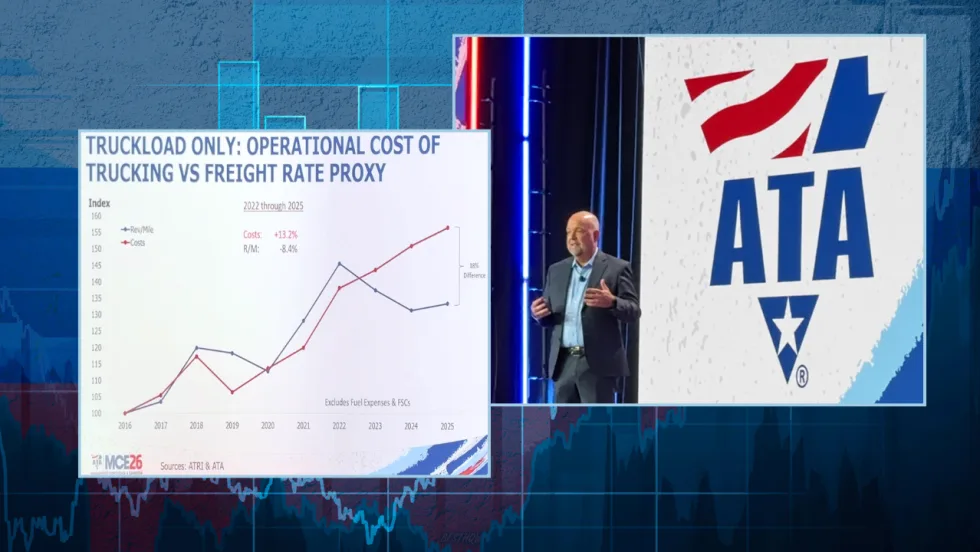
Freight demand remains sluggish, but rising costs and tougher enforcement have taken enough capacity out of the market to change the outlook for motor carriers.
Read More →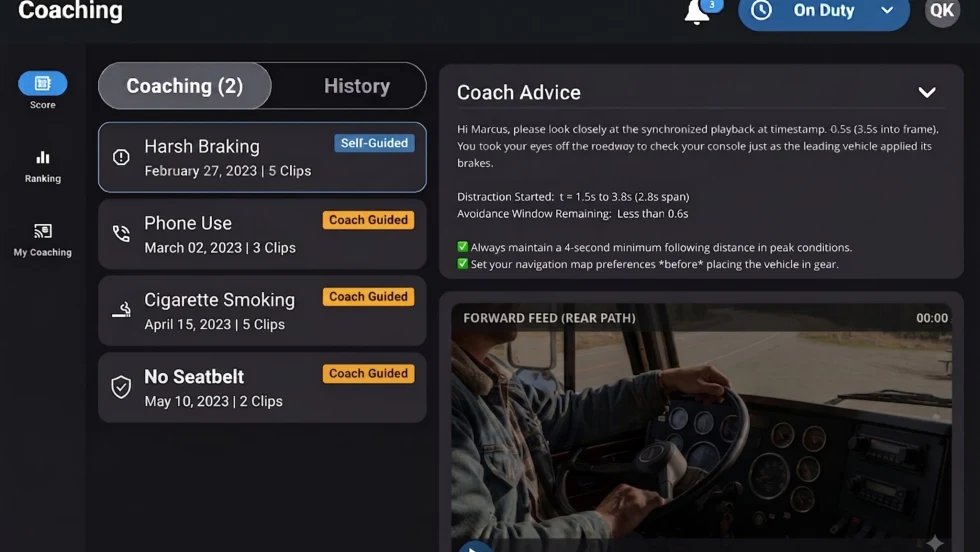
Platform Science Adds Dispatch and Safety Tools
Four additions to PS Fleet help fleets monitor loads, manage driver coaching, share truck locations and adjust video system settings.
Read More →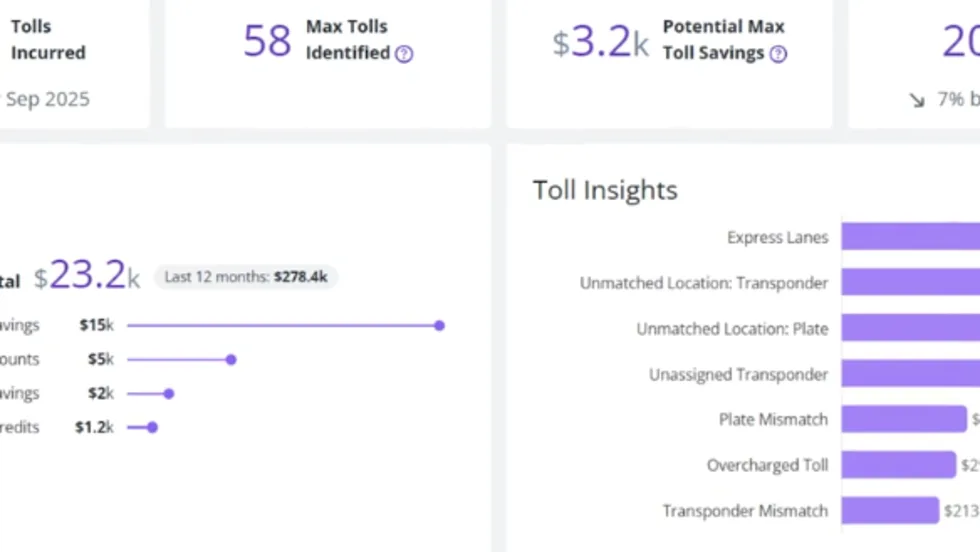
PrePass Intelligence Mines Fleet Bypass, Toll and Safety Data
PrePass Intelligence helps fleets measure bypass savings, flag potential toll overcharges, and spot suspicious transactions by combining data from separate systems.
Read More →
Motive Adds AI Agents for Fleet Operations
New tools automate follow-up on fleet data, from maintenance work orders to driver alerts, with two-way voice conversations planned for later this year.
Read More →
Can You Beat Our Trucking Trivia Challenge?
Test your truck knowledge with 19 trivia questions from Heavy Duty Trucking Exchange. Can you keep up with the fleet pros?
Read More →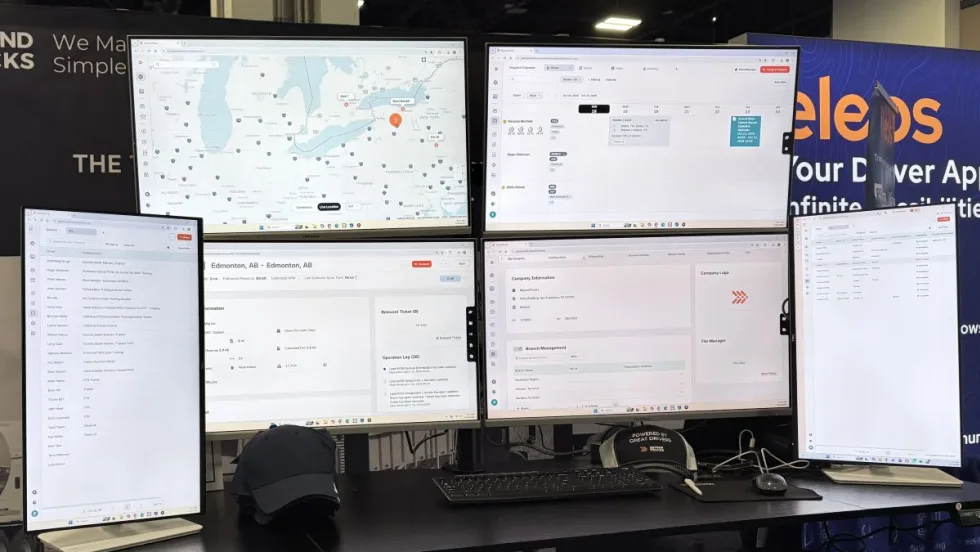
BeyondTrucks Adds Rules Checks to Dispatch
New Compatibility Engine checks driver qualifications, equipment requirements and fleet policies before loads are dispatched.
Read More →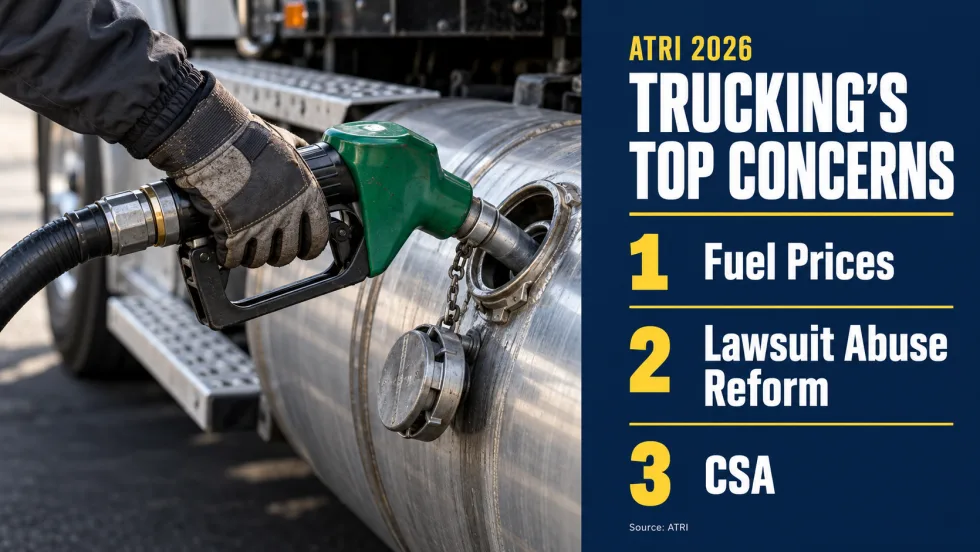
Diesel Prices Hijack Trucking’s Worry List
ATRI’s annual survey finds cautious optimism about freight, but diesel costs, litigation, and insurance continue to squeeze fleets. Drivers have different priorities on several issues.
Read More →
Nomination Deadline Extended for HDT Emerging Leaders
Just a few more days to nominate accomplished trucking fleet professionals under 40 who are making an impact and helping lead the industry forward for the HDT Emerging Leaders award. Deadline extended to October 20!
Read More →
What Will ATA’s New Leader Bring to Trucking's Table?
Incoming President and CEO Mark Colson’s record in Alabama offers clues about his priorities and approach following Chris Spear’s abrupt departure as the head of the American Trucking Associations.
Read More →
Volvo, Waabi Start Commercial Autonomous Operations in Texas
Volvo VNL Autonomous trucks, powered by the Waabi Driver, are hauling freight directly to third-party facilities for a customer in Texas.
Read More →