




Waabi, Uber Freight Team up for Autonomous-Truck Deployment Model
Over the next 10 years, Uber Freight and Waabi intend to deploy billions of miles of Waabi Driver capacity on the Uber Freight network, with the first commercial route now live in Texas.
September 21, 2023


Motor carriers will be able to deploy Waabi Driver-enabled trucks on the Uber Freight network.
Photo: Waabi (2022 file photo)
3 min to read
Uber Freight and Waabi announced a deal they are calling a new model for AI-powered autonomous truck adoption and deployment.
The agreement will combine Uber Freight’s logistics platform and marketplace technology with the Waabi Driver autonomous-truck technology to deliver what the companies call a turnkey driver-as-a-service solution.
For autonomous trucks to reach their full potential, said Uber Freight in a news release, they need to be integrated into a scaled freight network that can optimize load matching, orchestrate hub-to-hub operations, and provide carriers a streamlined experience for onboarding, load booking and execution, trailer hand-offs, payments, and asset maintenance.
Carriers will be able to deploy Waabi Driver-enabled trucks on the Uber Freight network. A technical integration between the two companies will enable shippers to tap directly into Waabi Driver capacity from Uber Freight’s digital tools, making it easy to incorporate autonomous capacity into their operations.
Waabi Driver Autonomous Tech in Operation on Texas Highways
Waabi Driver-enabled trucks are already live on the road in Texas as of Sept. 20. These first commercial operations will give the companies key learnings on the joint turnkey solution, as well as give Uber Freight customers early access to driver-in (and eventually driver-out) autonomous freight capacity.
The autonomous commercial loads will run regularly between Dallas and Houston. They will give the shippers and carriers on the Uber Freight network an opportunity to better understand how autonomous trucks can improve overall network efficiency, according to a news release. As the partnership continues to advance, commercial operations will expand to other key lanes in Texas and in other states.
According to the announcement from Uber Freight, by providing carriers with the services and infrastructure to deploy, maintain and manage their autonomous assets, the bundled solution can help increase utilization significantly for carriers of all sizes.
The 10-year agreement also includes a joint commitment to deploy billions of miles of capacity on the Uber Freight network.
Who is Waabi?
Waabi, which launched in 2021, says it is using artificial intelligence to change the way autonomous driving systems work.
The company says the Waabi Driver is the first autonomous truck solution to be built around a foundation AI model. Unlike traditional approaches that require painstaking manual code adjustments to deal with “edge cases,” the company says, the Waabi Driver can automatically learn from data and generalize its learnings to all the situations it might encounter on the road, including those that it has never seen before.
The Waabi Driver’s development is front loaded within Waabi’s simulator, Waabi World, which it said is “the most scalable, highest fidelity closed-loop simulator to ever exist.”
In Waabi World, generative AI reconstructs digital twins automatically from raw sensor data. These digital twins can then be modified to create infinite potential new scenarios, exposing the Waabi Driver to the vast diversity of experiences needed to hone its driving skills, including common scenarios and safety-critical edge cases.
This approach drastically reduces the need to drive in the real world, resulting in a solution for carriers and shippers that is not only more sustainable, but also smarter, safer, and more scalable, according to the company.
Uber Freight has also been working with other autonomous-truck companies, including Volvo Autonomous Solutions and Aurora.
Learn more about Waabi in this HDT Talks Trucking interview:
More Fleet Management
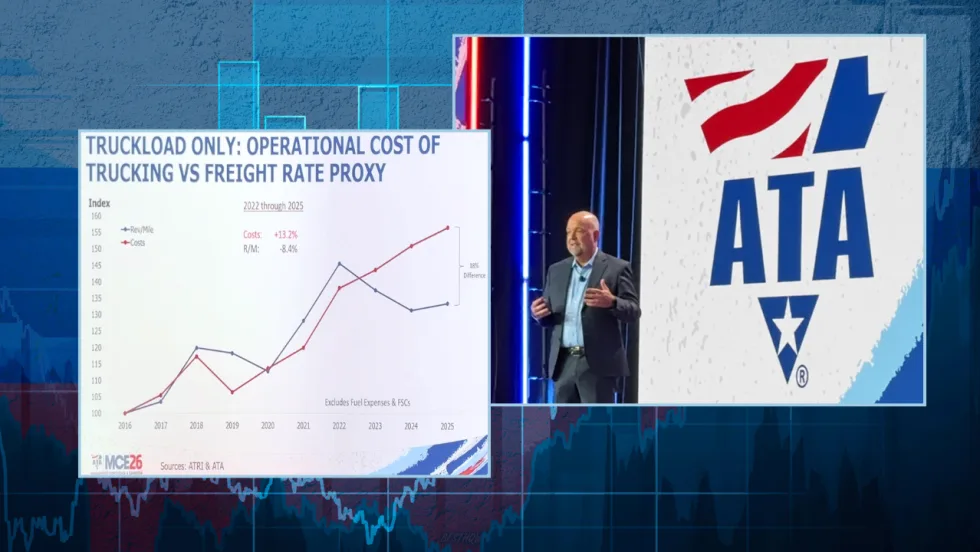
Why This Trucking Recovery Is Different
Freight demand remains sluggish, but rising costs and tougher enforcement have taken enough capacity out of the market to change the outlook for motor carriers.
Read More →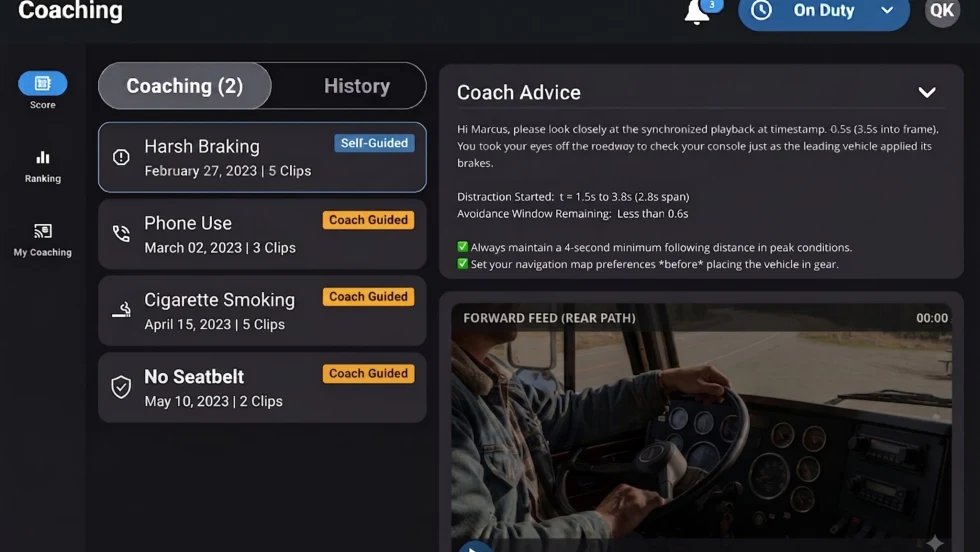
Platform Science Adds Dispatch and Safety Tools
Four additions to PS Fleet help fleets monitor loads, manage driver coaching, share truck locations and adjust video system settings.
Read More →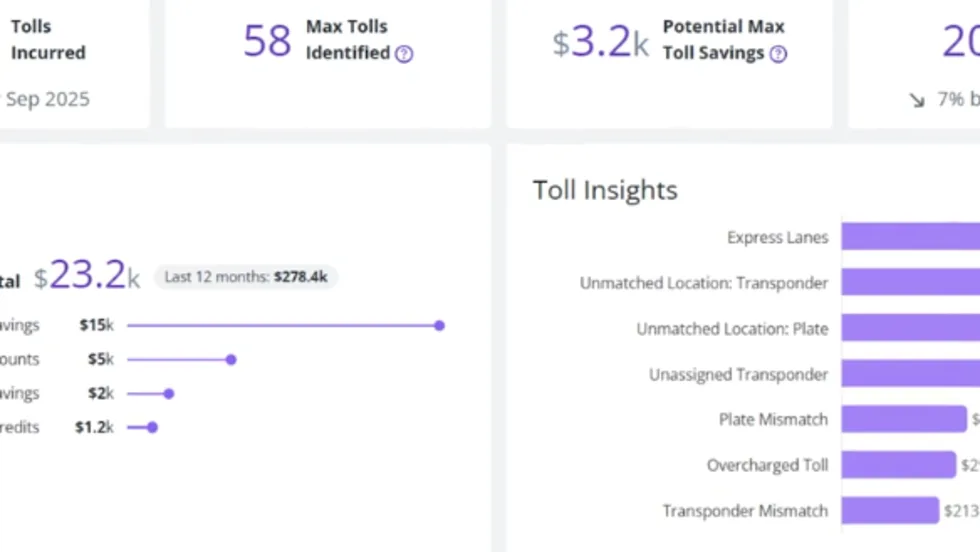
PrePass Intelligence Mines Fleet Bypass, Toll and Safety Data
PrePass Intelligence helps fleets measure bypass savings, flag potential toll overcharges, and spot suspicious transactions by combining data from separate systems.
Read More →
Motive Adds AI Agents for Fleet Operations
New tools automate follow-up on fleet data, from maintenance work orders to driver alerts, with two-way voice conversations planned for later this year.
Read More →
Can You Beat Our Trucking Trivia Challenge?
Test your truck knowledge with 19 trivia questions from Heavy Duty Trucking Exchange. Can you keep up with the fleet pros?
Read More →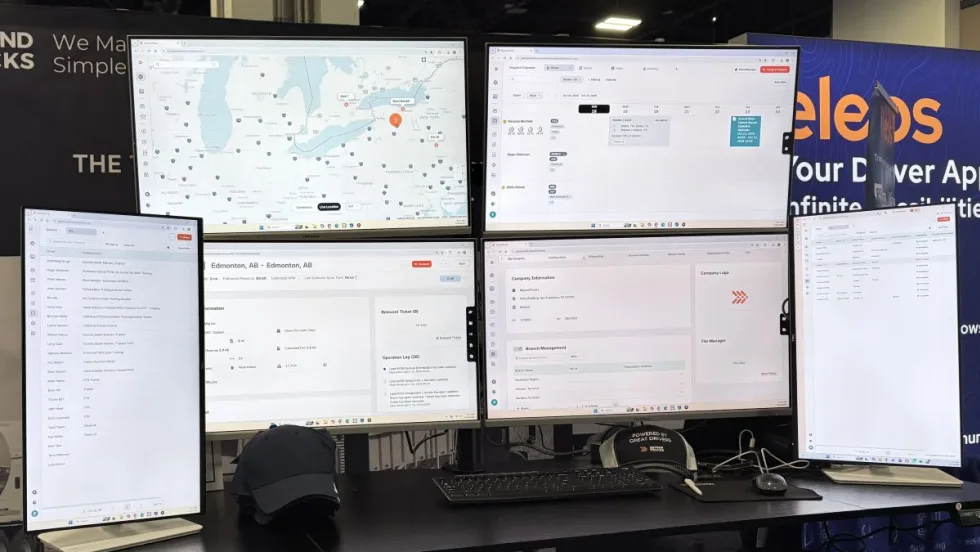
BeyondTrucks Adds Rules Checks to Dispatch
New Compatibility Engine checks driver qualifications, equipment requirements and fleet policies before loads are dispatched.
Read More →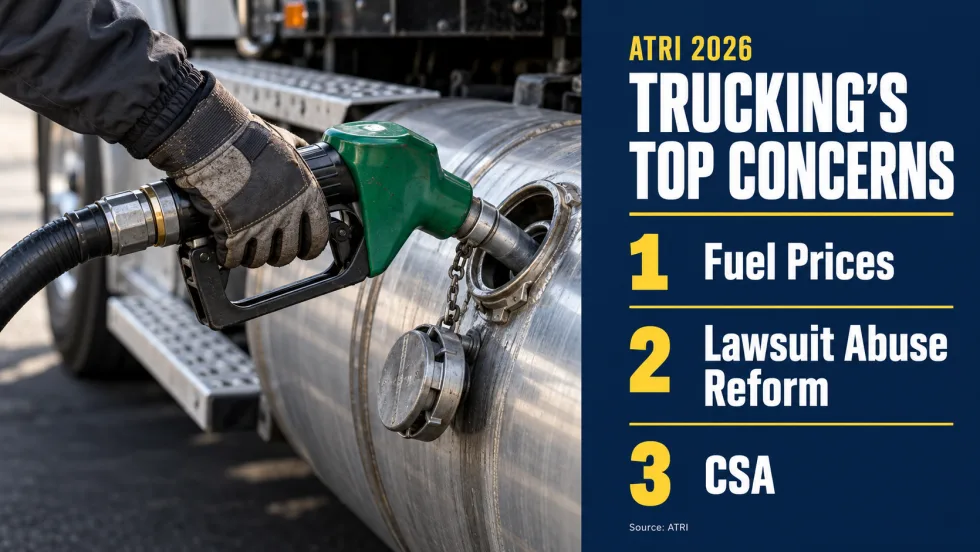
Diesel Prices Hijack Trucking’s Worry List
ATRI’s annual survey finds cautious optimism about freight, but diesel costs, litigation, and insurance continue to squeeze fleets. Drivers have different priorities on several issues.
Read More →
Nomination Deadline Extended for HDT Emerging Leaders
Just a few more days to nominate accomplished trucking fleet professionals under 40 who are making an impact and helping lead the industry forward for the HDT Emerging Leaders award. Deadline extended to October 20!
Read More →
What Will ATA’s New Leader Bring to Trucking's Table?
Incoming President and CEO Mark Colson’s record in Alabama offers clues about his priorities and approach following Chris Spear’s abrupt departure as the head of the American Trucking Associations.
Read More →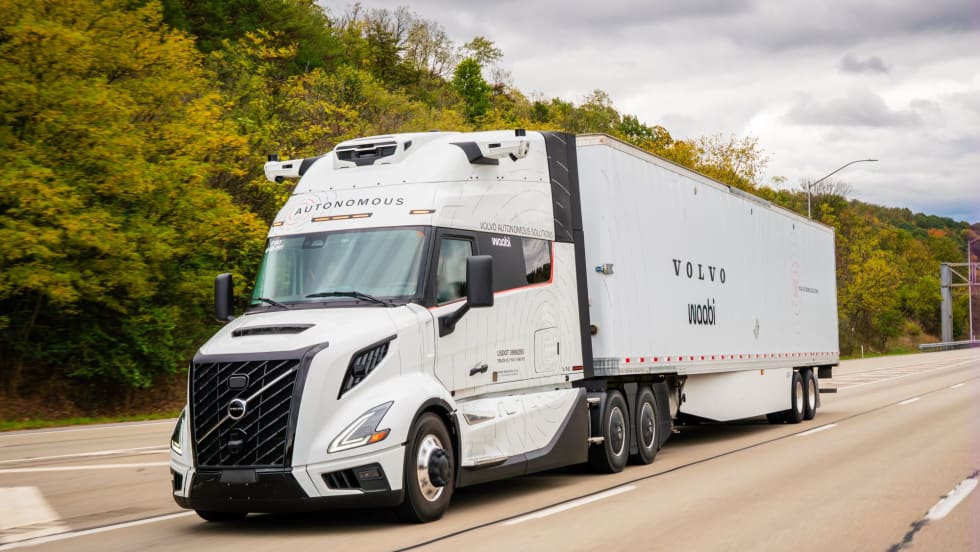
Volvo, Waabi Start Commercial Autonomous Operations in Texas
Volvo VNL Autonomous trucks, powered by the Waabi Driver, are hauling freight directly to third-party facilities for a customer in Texas.
Read More →