




Next Run on Less to Focus on Scaling Electric Trucks
"Lots of fleets have deployed one or two electric trucks, but few have made the move to having 15 or more trucks." So NACFE's Run on Less for 2023 will focus on depot-based operations.

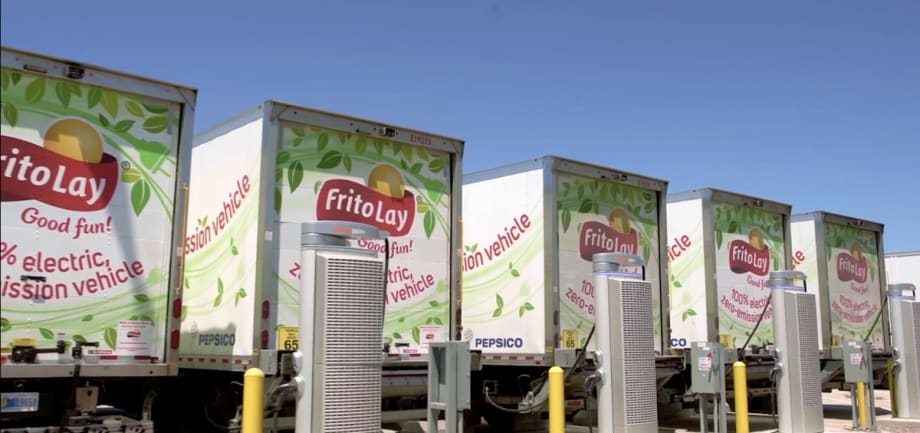
It's one thing to try out one or two battery-electric trucks. How do you scale that to 15, 20, or more?
Photo: NACFE
The North American Council for Freight Efficiency is planning a three-week Run on Less demonstration program to showcase electric trucks delivering real freight on real routes — and the charging systems they use.
During 2021’s Run on Less-Electric, one of the key learnings was that the transition to electric vehicles is about much more than just the trucks themselves. It is about charging, infrastructure, grid capacity, etc. From this realization came the idea of Run on Less – Electric Depot (RoL-E Depot) to learn and share best practices for scaling electric trucks at depots.
“In order to ensure the long-term success of electric trucks, we need to start learning from fleets who are beginning to scale their use of electric vehicles,” said Mike Roeth, NACFE executive director, in an email announcement. “We want this one to focus on likely the biggest challenge to scaling the deployment of electric trucks. Lots of fleets have deployed one or two electric trucks, but few have made the move to having 15 or more trucks.”
The 2023 Run on Less-Electric Depot will:
Involve around eight fleet depots with 15-20 or more Class 3 to 8 battery-electric vehicles operating in the United States, Canada and Mexico.
Explain fleet scaling considerations such as charging infrastructure, engagement with utilities, total cost of ownership management, driver and technician training, etc.
Take deep-dive looks into utilities, charging equipment, construction, etc.
Highlight effective partnerships between fleets, OEMs, and utilities.
Facilitate industry conversations around the necessary supporting actions.
Conclude with a finale and education series at major truck conferences.
Detailed results and findings will be published in a focused report in mid-2024. NACFE is looking for participants and sponsors for the event.
More Fuel Smarts
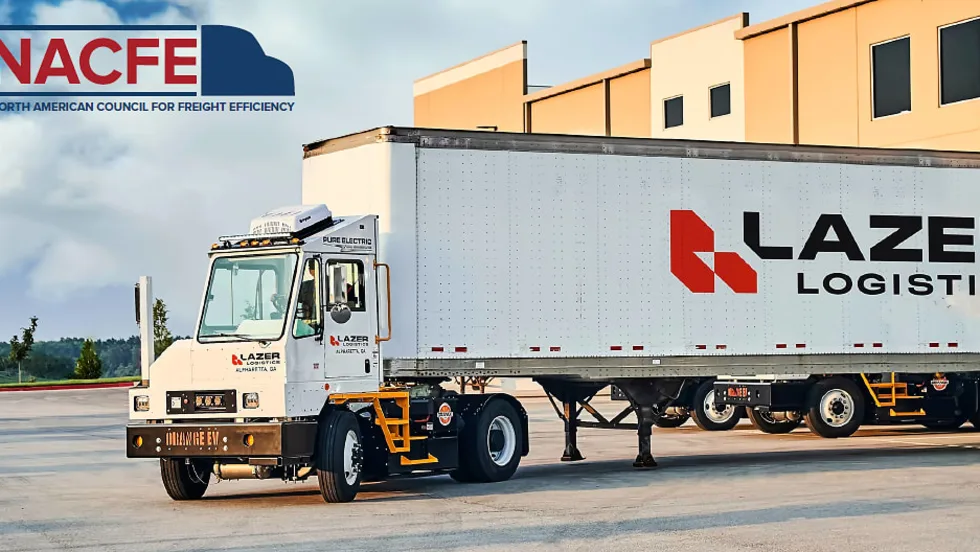
Electric Yard Tractors Move Beyond Pilots
Operating-cost savings have overtaken sustainability goals as the leading reason surveyed fleets are adopting battery-electric terminal tractors, according to new NACFE research.
Read More →
Geotab Links Fleet Card to Vehicle Data
The new card combines fuel discounts with telematics-based purchase controls. Geotab’s analysis also points to potential savings from choosing lower-priced fuel stops.
Read More →
Fleet Economics Shape Electric Truck Outlook
ACT Research expects costs, charging infrastructure, and technology improvements to drive zero-emission commercial vehicle adoption as federal regulations and incentives retreat.
Read More →
Wex Adds Cardless Fuel Payments for Over-the-Road Customers
A new fuel card feature for Wex customers offers convenience and security.
Read More →
New California Law Could Shed Light on Electric Truck Prices
Why do battery-electric Class 8 trucks remain so expensive? A California bill signed by Gov. Gavin Newsom would give fleets and state agencies more visibility into what manufacturers charge.
Read More →
How Volvo Updated Its D13 for EPA 2027 [Watch]
Volvo’s updated D13 promises lower emissions without sacrificing performance or fuel economy. Take a closer look at what changed inside the engine in this HDT Spotlight video.
Read More →
Diesel Price Spike Shortens Payback for Natural Gas Trucks, Report Says
Energy Vision estimates fleets could recover the higher purchase price of an RNG-fueled Class 8 tractor in 1.3 to 2.8 years under current fuel-price scenarios.
Read More →
Calstart Becomes Catalyst Mobility, Reflecting Broader Focus
Calstart is now Catalyst Mobility, reflecting the nonprofit’s growing national role in clean transportation, including zero-emission trucks, infrastructure and incentive programs.
Read More →
Record Diesel Prices Squeeze Trucking Fleets
Average U.S. diesel prices have climbed to nearly $6 a gallon, surpassing the 2022 record as tight refinery capacity and Middle East disruptions keep fuel costs elevated.
Read More →
East Coast Port Launches $45M Electric Truck Push
The Port Authority of New York and New Jersey announced millions in incentives for zero-emission drayage trucks, yard tractors, and new charging hubs near the port.
Read More →