




From the archives (2016): FMCSA Finally Issues Final Rule on Driver-Training Standards
10 Things to Know About Entry-Level Driver Training Rules
Get answers to 10 top questions about the new rule imposing minimum training requirements for entry-level CDL drivers, set to take effect Feb. 7.
by Brandon Wiseman, Trucksafe Consulting
January 21, 2022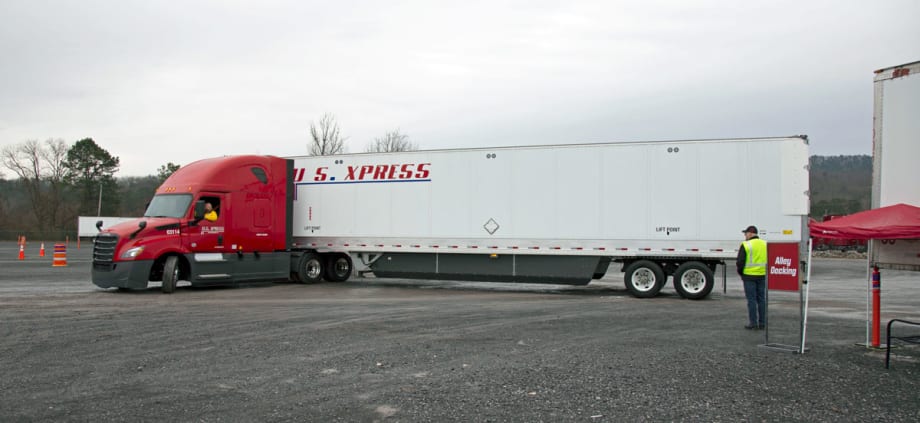
New entry-level training rules have both a theory and a behind-the-wheel component.
Photo: Deborah Lockridge
6 min to read
A new rule imposing minimum training requirements for certain entry-level CDL drivers is set to take effect on Feb. 7. With that date looming, many drivers, motor carriers, and training providers are scrambling to understand the rule’s requirements and its nuances.
On a recent episode of its monthly Trucksafe LIVE! show, the transportation attorneys at TruckSafe Consulting tackled the most frequently asked questions about entry-level driver training, including to whom it applies, who can provide the training, and the minimum qualification standards for training instructors.
Here are the top 10 things you need to know about the new rule:
1. Which drivers are affected by the new ELDT rule?
The new entry-level driver training requirement will apply to three categories of drivers:
Those obtaining a Class A or B commercial driver’s license (CDL) for the first time;
Class B holders seeking to upgrade to a Class A CDL; and
Those seeking to add a school bus (S), passenger (P), or hazmat (H) endorsement for the first time.
Drivers who fall into these categories, starting Feb. 7, will be required to obtain entry-level driver training from a certified training provider to be eligible to take the skills and/or knowledge tests needed to obtain their CDL.
For example, a driver seeking to upgrade his or her Class B CDL to a Class A on or after Feb. 7 must take and pass the new entry-level driver training before visiting a local department of motor vehicles and taking the necessary tests to complete the upgrade.
Importantly, the rule is not retroactive, meaning it will not apply to any drivers who complete their CDL transactions prior to Feb. 7
2. What will the training entail?
The new entry-level training will be broken into two subdivisions: a theory and a behind-the-wheel (BTW) component. Drivers will have to successfully complete both sections to be eligible to complete their CDL transactions.
There’s one exception: Those seeking only to add a hazmat endorsement need only pass the theory-based component of the training, because that endorsement only requires a knowledge test.
The training itself will be developed by certified training providers but must meet certain standards and cover certain topics that are detailed in the FMCSA's rule. Although the rule doesn’t set any minimum hours requirement for either the theory or the BTW components, drivers will have to pass the theory component with a score of at least 80% and will have to pass the BTW component — which will include both range and public roadway driving — to the satisfaction of the training provider.
3. Who can provide the training?
Entities that wish to provide the required entry-level driver training must be listed on the FMCSA's Training Provider Registry. These could be dedicated driving schools, motor carriers, or state agencies. To be listed, the providers will have to self-certify they meet certain conditions, including having curriculum that tracks the FMCSA's minimum standards for entry-level training and meeting any applicable state-specific requirements.
Drivers must make sure their training provider is listed on the Training Provider Registry. Once a driver successfully passes the required training, the certified training provider must issue a certificate and upload an electronic copy to the registry so state drivers’ licensing agencies can verify the driver has completed the required training.
4. What are the minimum qualifications for entry-level instructors?
Training providers must certify their training is either developed or delivered by a qualified instructor. The rule sets minimum standards for instructors.
Theory instructors must hold a CDL of the same (or higher) class, and with all necessary endorsements, to operate the types of vehicles for which they are offering training. They must also have a minimum of two years’ experience either operating a commercial vehicle requiring a CDL of the same (or higher) class for which training is provided or as a BTW instructor. Theory instructors who previously held a CDL of the same or higher class for which they are offering training can still be eligible to provide instruction without a currently valid CDL, so long as their CDL wasn’t revoked, suspended, or cancelled for a disqualifying reason.
The minimum requirements for BTW instructors are the same, except BTW instructors must hold valid current CDLs.
5. Can entry-level training be online?
The theory component can be provided exclusively online, but the training must still be developed or delivered by a registered training provider and a qualified instructor, and it must track the FMCSA’s required curriculum.
Like live training, online training must also include an exam, which students must pass with a score of at least 80%. Unlike in-person training providers, online providers are not subject to state-specific minimum qualification standards.
6. What role will motor carriers play in this process?
Motor carriers have no specific obligations under the rule unless they intend to offer entry-level training to their own drivers. In that case, they would either need to source the training from a registered provider and/or register themselves as a provider. Carriers who, as a matter of policy, only hire drivers who already hold CDLs will have no role to play, since their driver candidates will already have taken the required training to obtain their CDLs in the first place.
7. If we purchase pre-packaged theory training to deliver to our drivers, must we register as a training provider?
So long as the training itself was developed by a registered training provider who will certify student completion, those who are simply delivering that training to their own drivers do not have to separately register as training providers. However, if the provider of those materials is not listed on the registry or is not certifying completion, then those delivering the content would have to register.
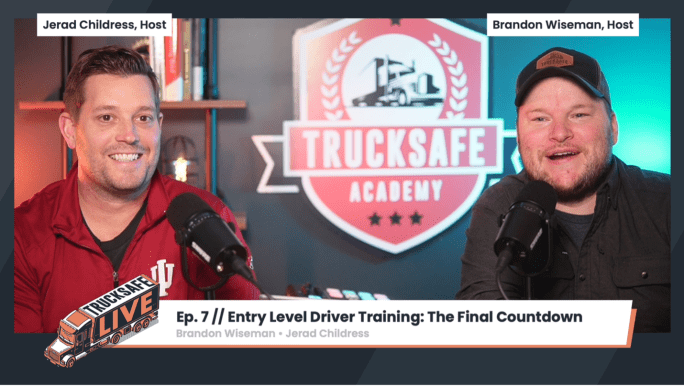
With the ELDT deadline just weeks away, TruckSafe attorneys and consultants Brandon Wiseman and Jerad Childress discuss what fleets need to know.
Photo: TruckSafe Consulting
8. If a driver holds a commercial learner’s permit prior to Feb. 7, must he/she complete the training?
No. So long as a driver obtained a CLP prior to Feb. 7 and does not need to renew it after that date, he/she will not have to take the new entry-level driver training to complete his/her CDL transaction.
9. Must drivers take the theory portion prior to the BTW portion?
No. The theory and BTW components can be taken in any order and can even be obtained from separate registered training providers. In addition, drivers can obtain a commercial learner’s permit without completing the theory component. However, they cannot complete a skills test unless and until they successfully pass the BTW component.
10. Must a driver whose CDL expired prior to Feb. 7 obtain entry-level training to renew his/her CDL after that date?
No. So long as the driver’s CDL simply expired (i.e., not downgraded, suspended, or revoked) before Feb. 7, he/she can renew the license after that date without obtaining entry-level driver training.
For more information about the entry-level driver training rule, check out the FMCSA’s Training Provider Registry website, which includes answers to several other FAQs. You can view the full entry-level driver training episode of Trucksafe LIVE! at this link.
Brandon Wiseman is a partner with Childress Law, PLLC, and president of Trucksafe Consulting, a provider of DOT safety consulting services, resources, and training content. This article was authored and edited according to HDT editorial standards and style to provide useful information to our readers.
Subscribe to Our Newsletter
More Drivers
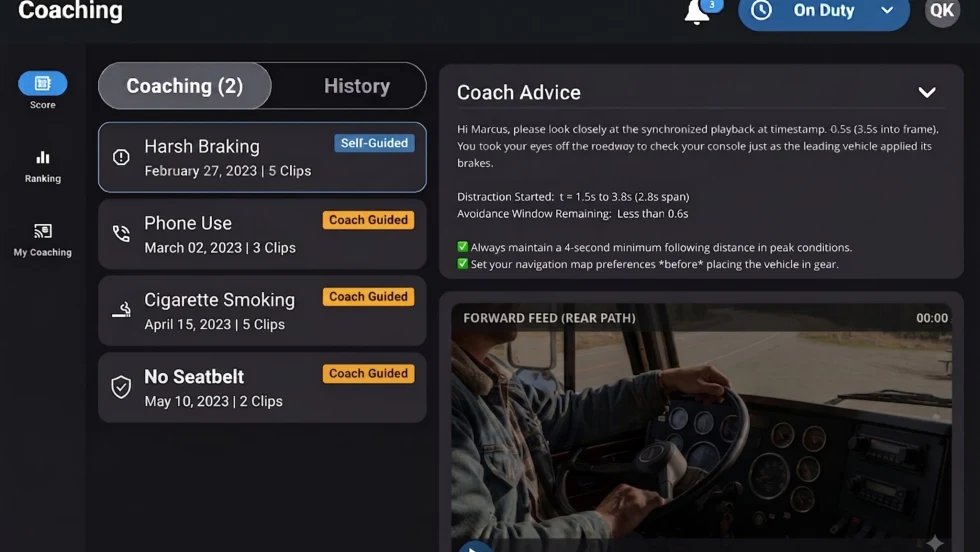
Platform Science Adds Dispatch and Safety Tools
Four additions to PS Fleet help fleets monitor loads, manage driver coaching, share truck locations and adjust video system settings.
Read More →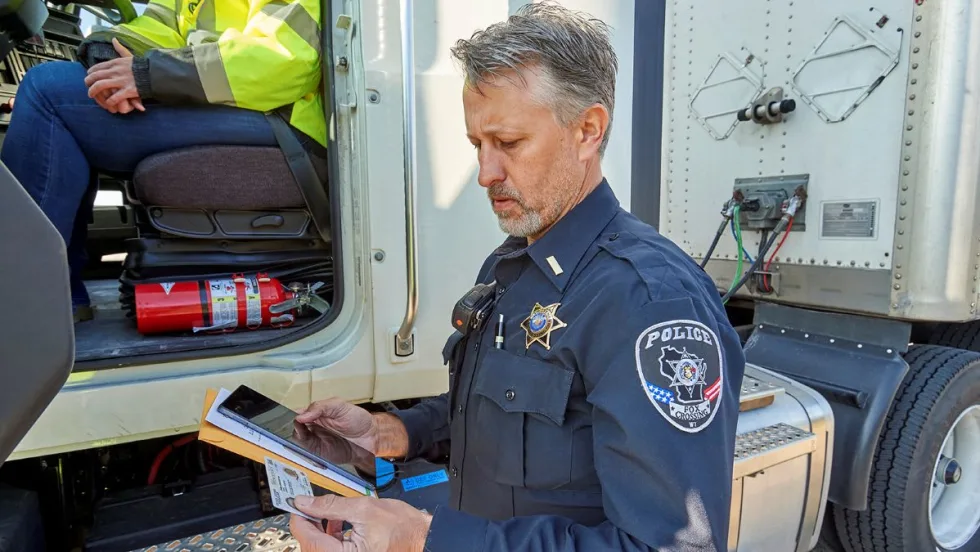
When Language Stops the Truck: The Return of ELP Out-of-Service Orders
English language proficiency rules for commercial drivers aren’t new, but renewed out-of-service enforcement has raised the stakes. Here’s what carriers need to know before a driver reaches a roadside inspection.
Read More →
Samsara Launches Custom AI Agent Builder
Agent Studio lets fleets create AI tools for hours-of-service monitoring, reporting and driver support, including agents that communicate by phone.
Read More →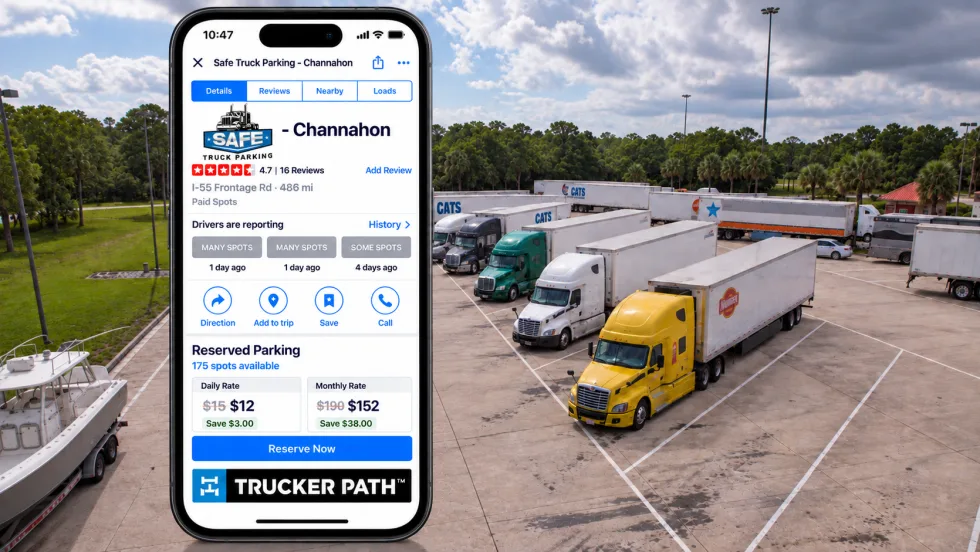
Trucker Path Expands Reserved Parking Network
Trucker Path has added close to 6,000 more truck parking spaces to its Trucker Path Reserved Parking Network with the addition of Safe Truck Parking.
Read More →
EEOC Sues Texas Trucking Company Over Driver Age Limits
The agency says Trancasa USA rejected applicants over 65 and applied tougher driving-record standards to those over 60.
Read More →
Nussbaum, Roehl Announce Second Driver Pay Increase This Year
This year has seen a swath of major truck driver pay increases as freight capacity has tightened.
Read More →
From One Generation to the Next: How Mentorship Builds Safer Truck Drivers
After three decades in trucking, Harold Perry shares what he's learned about driver safety, mentorship, and helping the next generation build confidence behind the wheel.
Read More →
Truck Drivers Need More Than Another Alert
Fleets have more visibility into truck health, safety events, and driver activity than ever. The next challenge is turning all that information into useful guidance for the person who has to decide what to do next.
Read More →
FMCSA Removes 110 Truck Driver Training Schools from Certified ELDT List
Federal regulators also are targeting more than 160 additional training providers and launching a nationwide audit of third-party CDL skills testers as part of a broader crackdown on trucking fraud.
Read More →
Hours of Service Pilot Programs: FMCSA Readies for 2027 Rollout
Two pilot programs could eventually reshape hours-of-service rules, giving truck drivers options to pause their 14-hour clock or use longer split sleeper rest periods.
Read More →