





Q&A: WiTricity CMO Amy Barzdukas on Wireless Charging for MD Trucks
DOE Project to Develop Class 8 Wireless Charging System
Kenworth and WAVE will participate in the U.S. Department of Energy’s electrified powertrain project to develop a 1-megawatt wireless charging system for Class 8 electric trucks.
September 30, 2021
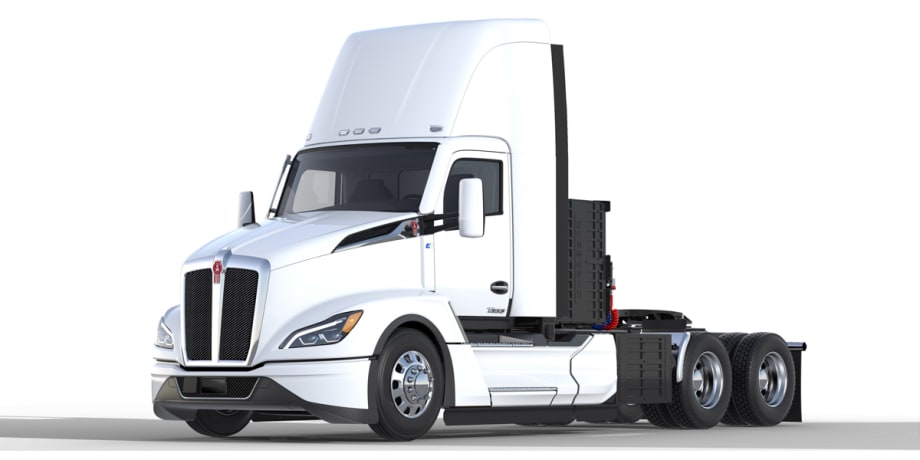
Each charging station will deliver 1-megawatt of power from roadway-embedded charging pads, stationed at designated facilities in Seattle and Portland, to a specially equipped Kenworth T680 next-generation battery-electric vehicles.
Photo: Kenworth
2 min to read
Kenworth and Wireless Advanced Vehicle Electrification (WAVE), a developer of high-power inductive charging solutions for medium- and heavy-duty vehicles, will participate in the U.S. Department of Energy’s electrified powertrain project to develop a 1-megawatt wireless charging system for Class 8 electric trucks.
The primary recipient of the cooperative agreement is Kenworth, who will collaborate with WAVE and Utah State University on system design.
The project calls for WAVE systems at each end of a 400-mile regional haul route between Portland, Oregon, and Seattle. Each charging station will deliver 1-megawatt of power from roadway-embedded charging pads, stationed at designated facilities in Seattle and Portland, to a specially equipped Kenworth T680 next-generation battery-electric vehicle, enabling the vehicle to exceed its standard 150-mile range and complete the 400-mile route.
At 1-megawatt, the system aims to charge the T680 batteries in 30 minutes or less. By comparison, a 250kW charger (equivalent to a high-power passenger vehicle charger today) would take over 1.5 hours, WAVE officials said in a press release.
"Fully-automated charging simplifies the electrification process," said Kenworth General Manager and Paccar Vice President Kevin Baney. "The technology we're developing with WAVE and Utah State will foster important advancements that extend Class 8 battery-electric vehicle range and reduce recharge times, enabling the T680 Next-Gen Battery EV to compete with the range of diesel models."
The fully automated, hands-free WAVE system charges vehicles during scheduled stops, eliminating battery range limitations and enables fleets to achieve driving ranges that match that of internal combustion engines.
Wireless charging systems offer several benefits over plug-in-based charging systems, WAVE officials said, including reduced maintenance, improved health and safety, and expedited energy connection. Furthermore, wireless in-route charging enables greater route lengths with smaller batteries while also maintaining battery life.
"At the megawatt power levels required by Class 8 EVs, there are significant advantages to eliminating mechanical movement and human contact associated with current charging technologies," said WAVE Chief Technology Officer Michael Masquelier. "The work we are doing with Kenworth and Utah State University will help enable fleet operators to extend the range of heavy-duty EVs, making the industry's zero-emission goals more attainable"
More Fuel Smarts

Why Small Fuel Savings Matter in Trucking
Can better fuel economy help pay for driver raises? In this podcast, GP Transco explains how small efficiency gains create room to reinvest in its people.
Read More →
How GP Transco Cuts Trucking Fuel Costs, a Tenth of a Gallon at a Time
What’s another tenth of a mile per gallon worth? GP Transco shares how equipment upgrades and driver coaching turn small gains into meaningful fuel savings.
Read More →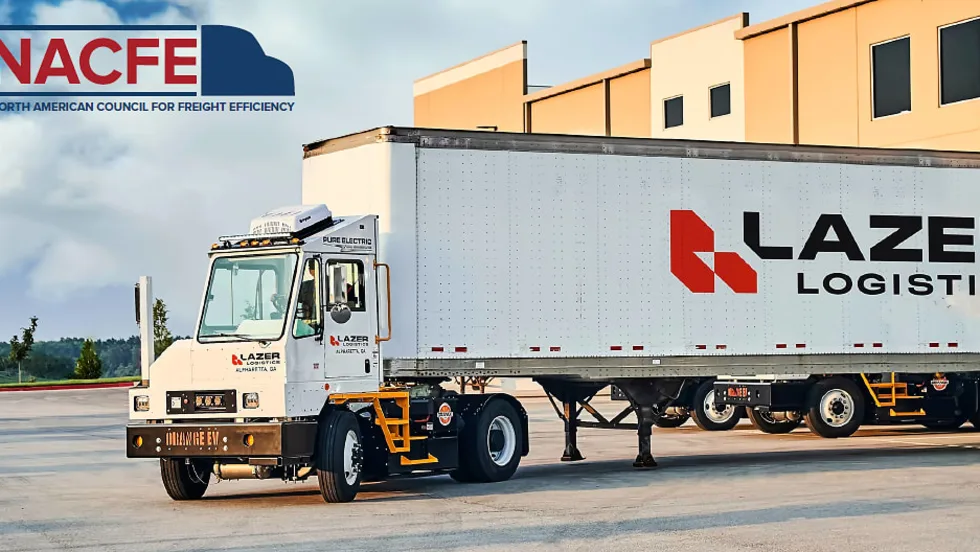
Electric Yard Tractors Move Beyond Pilots
Operating-cost savings have overtaken sustainability goals as the leading reason surveyed fleets are adopting battery-electric terminal tractors, according to new NACFE research.
Read More →
Geotab Links Fleet Card to Vehicle Data
The new card combines fuel discounts with telematics-based purchase controls. Geotab’s analysis also points to potential savings from choosing lower-priced fuel stops.
Read More →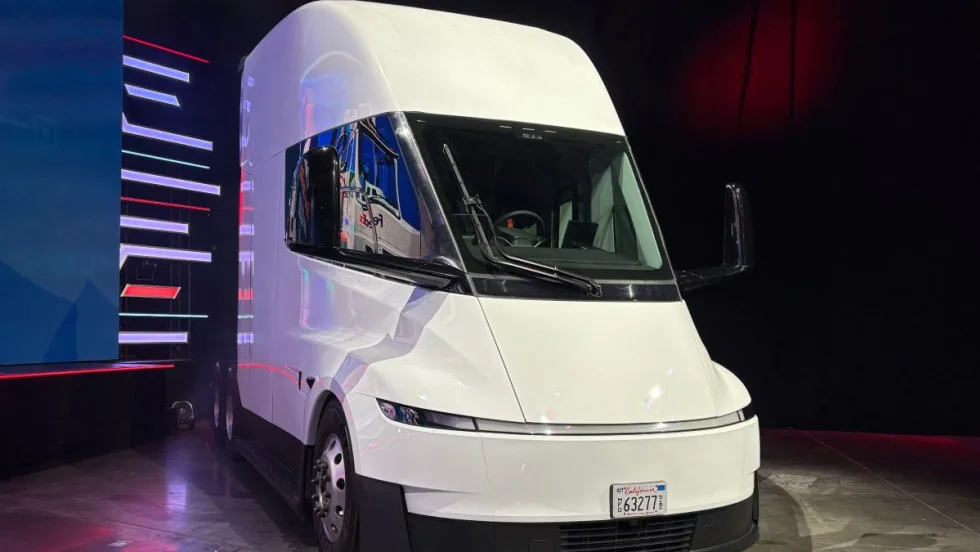
Fleet Economics Shape Electric Truck Outlook
ACT Research expects costs, charging infrastructure, and technology improvements to drive zero-emission commercial vehicle adoption as federal regulations and incentives retreat.
Read More →
Wex Adds Cardless Fuel Payments for Over-the-Road Customers
A new fuel card feature for Wex customers offers convenience and security.
Read More →
New California Law Could Shed Light on Electric Truck Prices
Why do battery-electric Class 8 trucks remain so expensive? A California bill signed by Gov. Gavin Newsom would give fleets and state agencies more visibility into what manufacturers charge.
Read More →
How Volvo Updated Its D13 for EPA 2027 [Watch]
Volvo’s updated D13 promises lower emissions without sacrificing performance or fuel economy. Take a closer look at what changed inside the engine in this HDT Spotlight video.
Read More →
Diesel Price Spike Shortens Payback for Natural Gas Trucks, Report Says
Energy Vision estimates fleets could recover the higher purchase price of an RNG-fueled Class 8 tractor in 1.3 to 2.8 years under current fuel-price scenarios.
Read More →
Calstart Becomes Catalyst Mobility, Reflecting Broader Focus
Calstart is now Catalyst Mobility, reflecting the nonprofit’s growing national role in clean transportation, including zero-emission trucks, infrastructure and incentive programs.
Read More →