




Toyota to Assemble Fuel Cell Modules for Heavy-Duty Trucks
Starting in 2023, Toyota will begin assembling integrated dual fuel cell modules destined for use in hydrogen-powered, heavy-duty commercial trucks.

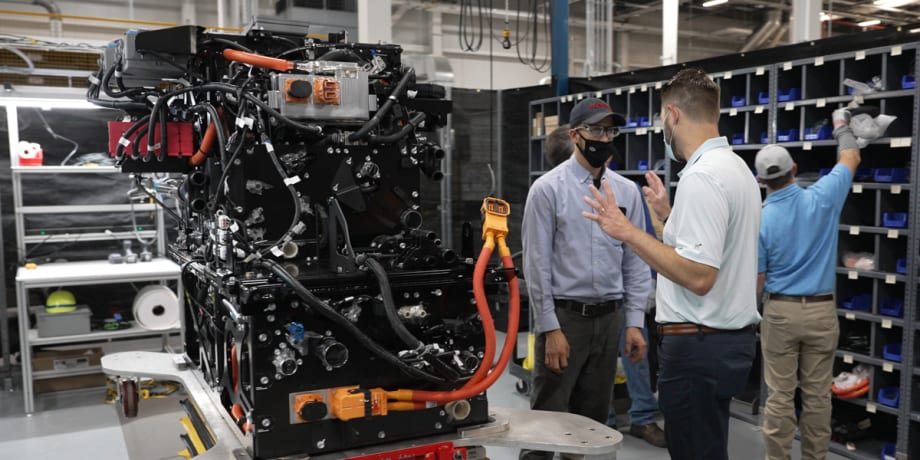
Starting in 2023, a dedicated line at Toyota Motor Manufacturing Kentucky in Georgetown, Kentucky, will begin assembling integrated dual fuel cell modules destined for use in hydrogen-powered, heavy-duty commercial trucks.
Photo: Toyota
After thousands of miles of real-world testing in commercial trucking, Toyota is taking its hydrogen-powered fuel cell electric technology from prototypes to production in its efforts toward carbon neutrality.
Starting in 2023, a dedicated line at Toyota Motor Manufacturing Kentucky in Georgetown, Kentucky, will begin assembling integrated dual fuel cell modules destined for use in hydrogen-powered, heavy-duty commercial trucks.
"Heavy-duty truck manufacturers will be able to buy a fully integrated and validated fuel cell electric drive system, allowing them to offer their customers an emissions-free option in the Class 8 heavy-duty segment,” said Tetsuo Ogawa, president and CEO of Toyota Motor North America, in a press release.
The dual fuel cell modules, which are a key component of an overall fuel cell kit, weigh approximately 1,400 pounds and can deliver up to 160kW of continuous power. The fuel cell kit includes a high voltage battery, electric motors, transmission and hydrogen storage assembly from top-tier suppliers.
Toyota will offer its powertrain integration expertise to help truck manufacturers adapt these emissions-free drivetrain systems to a wide variety of applications in the heavy-duty trucking sector, Toyota officials said.
"This second-generation fuel cell system is necessary for a carbon neutral future," says David Rosier, Toyota Kentucky powertrain head. "It delivers over 300 miles of range at a full load weight of 80,000 pounds, all while demonstrating exceptional drivability, quiet operation and zero harmful emissions."
The fuel cell modules bring Toyota's electrification strategy further into focus as it will allow truck manufacturers to incorporate emissions-free fuel cell electric technology into existing platforms with the technical support of Toyota under the hood, Toyota officials said.
Earlier this month, Kenworth announced it is working with Toyota and Shell to pilot hydrogen-powered trucks in southern California.
More Fuel Smarts
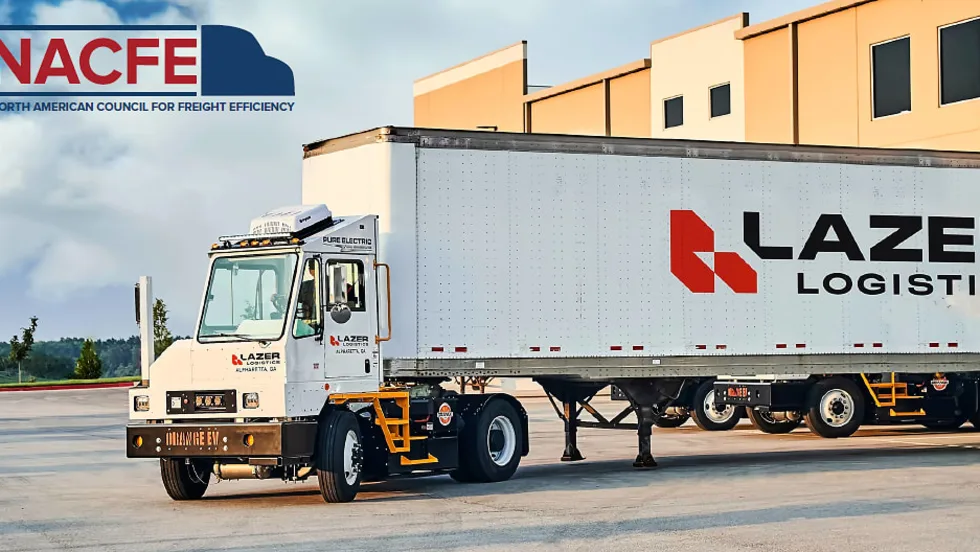
Electric Yard Tractors Move Beyond Pilots
Operating-cost savings have overtaken sustainability goals as the leading reason surveyed fleets are adopting battery-electric terminal tractors, according to new NACFE research.
Read More →
Geotab Links Fleet Card to Vehicle Data
The new card combines fuel discounts with telematics-based purchase controls. Geotab’s analysis also points to potential savings from choosing lower-priced fuel stops.
Read More →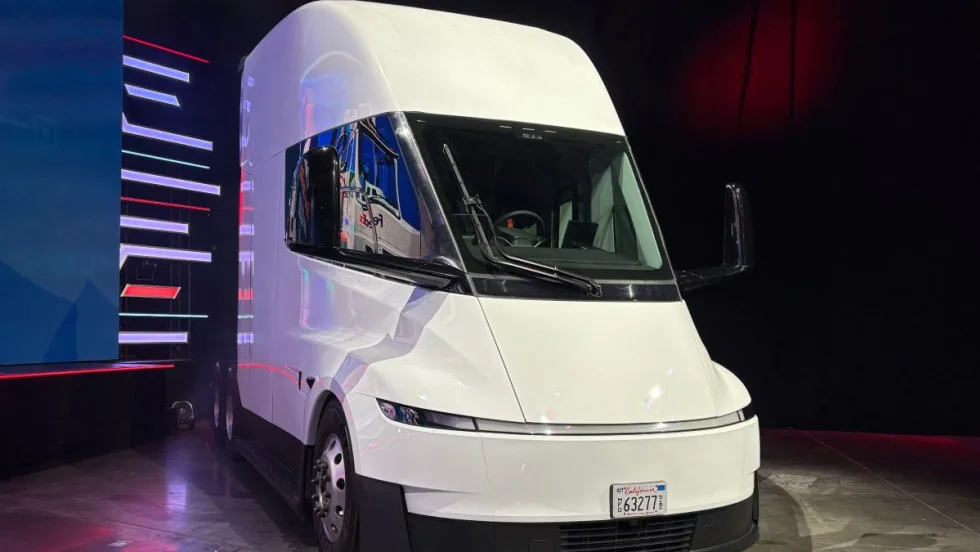
Fleet Economics Shape Electric Truck Outlook
ACT Research expects costs, charging infrastructure, and technology improvements to drive zero-emission commercial vehicle adoption as federal regulations and incentives retreat.
Read More →
Wex Adds Cardless Fuel Payments for Over-the-Road Customers
A new fuel card feature for Wex customers offers convenience and security.
Read More →
New California Law Could Shed Light on Electric Truck Prices
Why do battery-electric Class 8 trucks remain so expensive? A California bill signed by Gov. Gavin Newsom would give fleets and state agencies more visibility into what manufacturers charge.
Read More →
How Volvo Updated Its D13 for EPA 2027 [Watch]
Volvo’s updated D13 promises lower emissions without sacrificing performance or fuel economy. Take a closer look at what changed inside the engine in this HDT Spotlight video.
Read More →
Diesel Price Spike Shortens Payback for Natural Gas Trucks, Report Says
Energy Vision estimates fleets could recover the higher purchase price of an RNG-fueled Class 8 tractor in 1.3 to 2.8 years under current fuel-price scenarios.
Read More →
Calstart Becomes Catalyst Mobility, Reflecting Broader Focus
Calstart is now Catalyst Mobility, reflecting the nonprofit’s growing national role in clean transportation, including zero-emission trucks, infrastructure and incentive programs.
Read More →
Record Diesel Prices Squeeze Trucking Fleets
Average U.S. diesel prices have climbed to nearly $6 a gallon, surpassing the 2022 record as tight refinery capacity and Middle East disruptions keep fuel costs elevated.
Read More →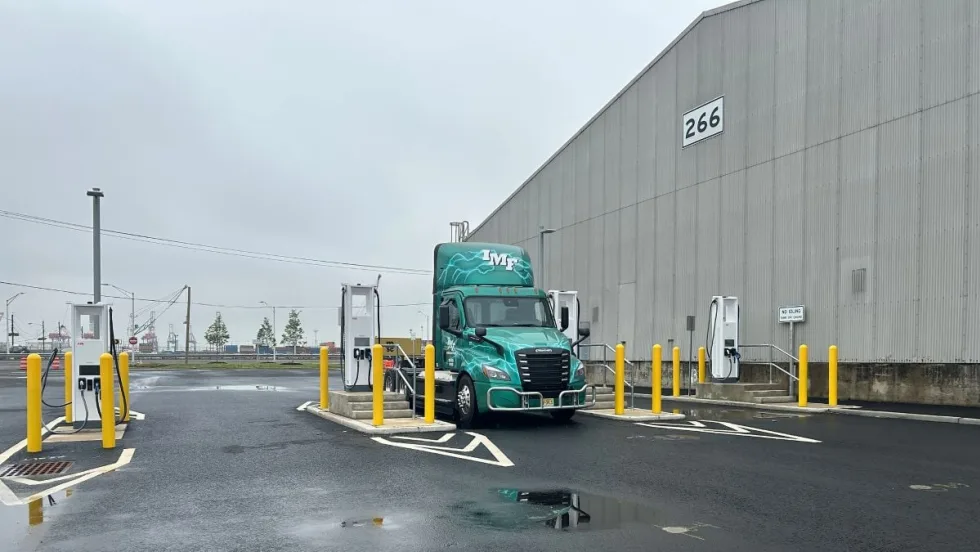
East Coast Port Launches $45M Electric Truck Push
The Port Authority of New York and New Jersey announced millions in incentives for zero-emission drayage trucks, yard tractors, and new charging hubs near the port.
Read More →