




Connecticut Governor Proposes Trucking Mileage Tax
Tractor-trailers would be taxed based on the trucks weight and the miles traveled within Connecticut, if the state governor gets his way.


Ned Lamont
Photo: portal.ct.gov
Connecticut Gov. Ned Lamont has proposed a mileage tax on tractor-trailer trucks weighing more than 26,000 pounds in order to support the state’s long-term transportation funding.
Under the proposal, tractor-trailers would be taxed based on the trucks weight and the miles traveled within in the state, information that will be collected monthly through a new tax system by the Department of Revenue Services, the Journal Inquirer reported.
Most trucks would pay between $2.50 and $11.50 to cross the state, according to the CT Examiner.
The proposal, which is expected to raise $90 million per year, was met with criticism from trucking advocates, such as the Motor Transport Association of Connecticut.
“This is a tax that will slam in-state business, and out-of-state trucking companies are going to evade it,” Sculley told CT Media. “We know that because it happens in other states.”
Lamont defended the proposal, telling news outlets that trucks cause an “overwhelming amount” of damage to roads.
“I just think it’s appropriate that when they tear up our roads and they come through here, they make a bigger contribution,” Lamont said according to the Journal Inquirer.
Critics also point out that unlike a fuel tax, which you have no choice to pay at the pump, mileage-based user taxes are prone to evasion. The American Transportation Research Institute (the research arm affiliated with the American Trucking Associations) noted that the New York State Ton-Mile Tax has a high evasion rate. ATRI found that in 2015, New York took in 35% less in revenue from the NYSTMT than it should have. A previous study by ATRI in 2008 found that between 2002 and 2005 the evasion rate was 45-53%.
It's not the first time Lamont has tried to get truckers to pay more for state infrastructure needs. Last year, the state proposed truck-only tolls.
More Fleet Management

Long-Awaited Canadian Border Bridge to Open in Detroit
For trucking, the bridge opening should offer immediate improvements in efficiency and reliability, with new customs facilities, expanded inspection capacity, and direct freeway-to-freeway connections.
Read More →
Aurora Rolls Out Next Generation of Driverless Trucks for Commercial Freight
Aurora's latest autonomous trucks it's rolling out with International feature lower-cost hardware designed for a million miles as the company expands commercial driverless freight operations across the U.S. Sun Belt.
Read More →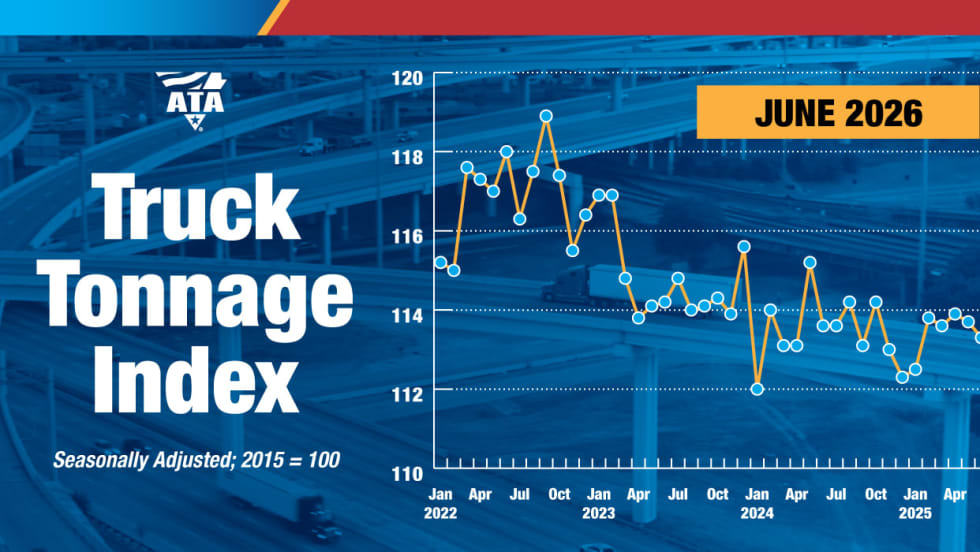
Freight Tonnage Down, Rates up, as Lower Capacity Powers Trucking Recovery
The recovery from the freight recession continues to be driven by reduction in capacity rather than by increased demand.
Read More →

Think Your Trucking Fleet Isn't Using Much AI? Think Again
Shadow AI — the use of unauthorized artificial intelligence tools at work — is becoming increasingly common, putting sensitive company data at risk. Learn how trucking fleets can protect sensitive data while embracing AI.
Read More →
ArcBest Consolidates Brands, Cuts Workforce
The company will bring three business units under the ArcBest brand, eliminate about 2% of positions, and expects the changes to generate $40 million in annual savings.
Read More →
Trucking Fleets Faced Record Operating Costs During Third Year of Freight Recession
ATRI's annual operational cost report shows carriers trimmed fleets, delayed equipment purchases, and ran older trucks as expenses continued to outpace freight rates.
Read More →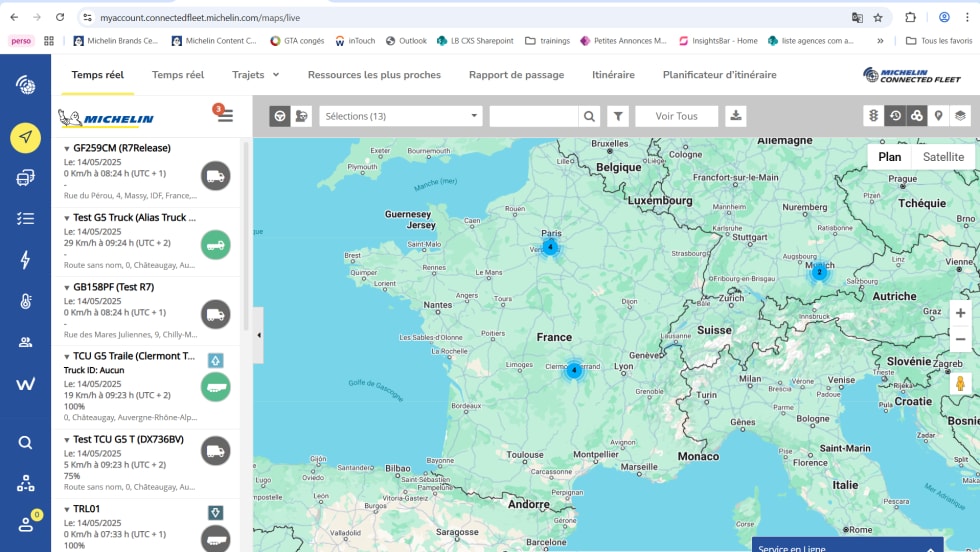
Michelin Adds AI Assistant to MyConnectedFleet Platform
Michelin’s new generative AI tool delivers instant fleet insights, helping managers analyze fuel use, tire maintenance, vehicle status, and operational performance without manually creating reports.
Read More →
LytxOne Platform Now Features AI, Compliance, and Asset Tracking Tools
New enhancements add AI-powered insights, asset tracking, compliance automation, and configurable privacy controls to Lytx's all-in-one fleet management platform.
Read More →
July Imports Poised to Set Container Record
The National Retail Federation projects July container imports will surpass the pandemic-era record as shippers frontload freight ahead of expected August tariff increases.
Read More →
HDT Announces 2026 Truck Fleet Innovator Finalists
From AI and fleet electrification to safety, operations, and leadership, these HDT Truck Fleet Innovator finalists are changing how trucking gets done.
Read More →