




2020's Top Trucking News Stories
The most popular news stories on Truckinginfo.com for 2020 were, unsurprisingly, mostly related to the COVID-19 pandemic.

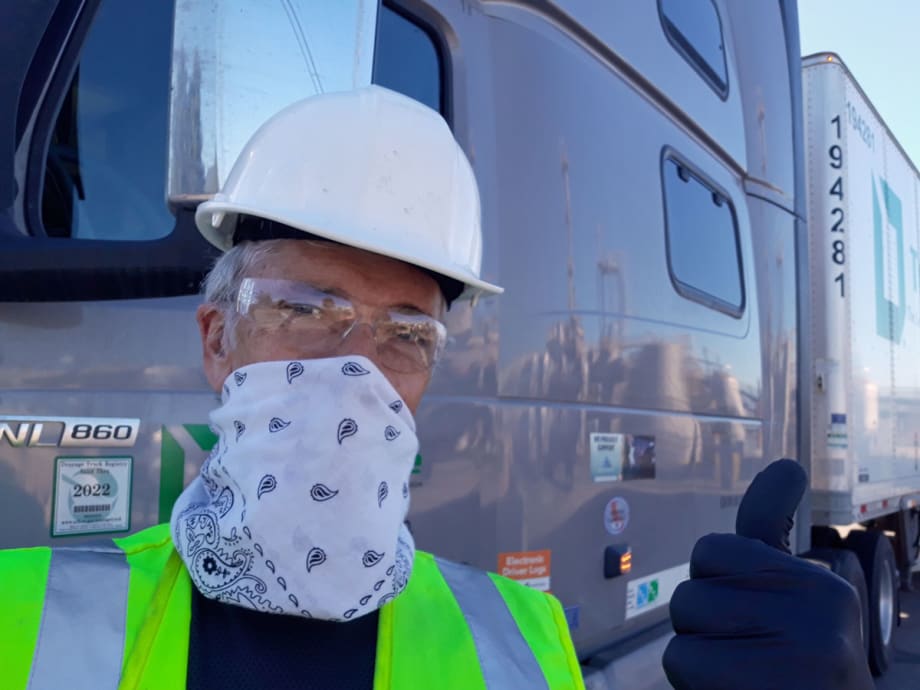
As some places around the country started requiring facial coverings, drivers made do with what they could.
Photo: Roadmaster Group
The most popular news stories on Truckinginfo.com for 2020 were, unsurprisingly, mostly related to the COVID-19 pandemic. But there were a few other hot issues that made our top-10 list, as well.
1. FMCSA Gives Commercial Drivers Extension on Expiring CDLs, Medical Cards
This March 24 story was our top news story by far in 2020, illustrating the chaos and desperate need for information during the first weeks of COVID-19 shutdowns around the country. With licensing offices closed and challenges getting medical exams scheduled with a certified examiner, fleets and drivers needed this relief from the Federal Motor Carrier Safety Administration. The extension has been renewed more than once, most recently through Feb. 28, 2021.
2. FMCSA Expands Coronavirus Hours-of-Service Exemptions
March 18: Like the number one story, this announcement from the federal government was from the early weeks of the COVID-19 crisis. This expanded FMCSA’s initial unprecedented national emergency declaration by adding fuel and raw materials needed to manufacture essential supplies to the list of freight covered under the order.
3. Roadcheck 2020 to Focus on Driver Inspections
Before the coronavirus emergency hit, this January Commercial Vehicle Safety Alliance announcement that its annual inspection blitz would not only be held earlier than usual, but also focus on driver violations – notable in that the final mandatory electronic logging device mandate had officially gone into effect the month before. The pandemic later forced the postponement of Roadcheck to early September. (Roadcheck 2020 results)
4. Trucking Prepares as First Effects of Coronavirus Hit Port Trucking Hardest
The first story we did on the novel coronavirus focused on the impact on West Coast ports, as they saw plummeting amounts of container freight being shipped from China, where the virus was already taking its toll. By the fall, however, the ports had the opposite problem: bottlenecks processing the backed-up container freight were so severe they triggered a federal investigation.
5. Truck Stops Step Up to Serve Drivers During COVID-19 Outbreak
Another early fallout from COVID-19 lockdowns around the country was that closed restaurants put long-haul truck drivers in the position of trying to live on packaged convenience foods. There were scattered reports of truck stops closing, and some states closed rest areas, too. In this March 17 story, we looked at the issue and what truck stops and government officials were doing about the problem – what was open, what was not, and what was being done to keep drivers safe.
6. Answers to Questions about COVID-19 Emergency Declaration for Trucking Relief Supplies
On March 20, we shared a Q&A from the Federal Motor Carrier Safety Administration regarding its March 18 expanded national emergency declaration to provide hours-of-service regulatory relief to drivers transporting emergency relief in response to the nationwide coronavirus (COVID-19) outbreak.
7. Cummins Announces Connected X15 Engine for Freightliner Cascadia
One of the few non-COVID-related news stories on our list, this December story covered Cummins’ announcement of its first connectivity-enabled X15 Efficiency series engine and new Endurant HD powertrain for Freightliner Trucks. Cummins’ advanced engine computing module, known as Acumen, comes factory installed and connects to Cummins’ technology platform for direct access to digital apps, over-the-air product enhancements, and future service integrations.
8. DOT Issues Emergency Declaration for Commercial Vehicles Delivering Coronavirus Relief
After President Trump declared a national emergency in response to the COVID-19 pandemic on Friday, March 13, the Federal Motor Carrier Safety Administration, in a historic first, issued a national emergency declaration to provide hours-of-service regulatory relief to commercial vehicle drivers transporting emergency relief in response to the nationwide coronavirus (COVID-19) outbreak. Such emergency declarations previously were only issued for state or regional emergencies such as hurricanes or drought.
9. New Jersey Requiring Face Masks
On April 3, the U.S. Centers for Disease Control for the first time issued guidance recommending that non-medical face coverings be worn in public to prevent the spread of COVID-19. New Jersey was the first state to put a mask mandate in place, effective April 10, requiring workers and customers to wear cloth face coverings while on the premises of the essential retail businesses, warehouses, and construction sites that were still allowed to be open at the time. We talked to the New Jersey Motor Truck Association about how it would impact trucking and provided guidance on the face coverings required.
10. Judge Extends Restraining Order Keeping California from Enforcing AB5 in Trucking
This was a follow-up and part of our continuing coverage from HDT’s top news story in 2019, California Bill Means 'End for Independent Trucking' in State, about the controversial AB5 law that critics say will make it difficult, if not impossible, for trucking companies in the state to use independent contractor truck drivers. It reported on the extension of a temporary restraining order issued by a judge in a California Trucking Association legal challenge to the new law, which went into effect Jan. 1. That restraining order prohibited the state from enforcing the onerous terms of its AB5 independent contractor law against motor carriers while the legal case works its way through the courts.
More Fleet Management

Color Match Smarter: Tools That Restore & Perform
For fleet managers and collision repair professionals keeping heavy-duty trucks on the road, getting the color right the first time isn't just about appearance — it's about efficiency, turnaround time, and bottom-line results. Discover how today's digital color tools are transforming the repair process from guesswork to precision.
Read More →
FMCSA Pauses Biennial-Update Enforcement Amid Motus Transition
Carriers whose updates were due on or after June 1 have more time, while FMCSA works to stabilize its new registration system and warns of phishing sites impersonating its new carrier registration system, Motus.
Read More →
2026 Blueprint for Countering Smarter Supply Chain Theft
Cargo theft is no longer just the cost of doing business. It's a multi-billion-dollar criminal enterprise exploiting vulnerabilities across your fleet, drivers, and supply chain.
Read More →


How Telematics Improves Visibility, Control, and Performance in Refrigerated Fleets
Explore how telematics help refrigerated fleets improve visibility, uptime, efficiency, compliance, and cargo protection across connected cold chain operations.
Read More →
What the U.S.-Canada Trade War Means for Trucking
Escalating U.S.-Canada tariffs could disrupt cross-border freight, reduce truck volumes, raise costs, and create new uncertainty for carriers on both sides of the border.
Read More →
What Are Trucking’s Top Concerns for 2026?
The American Transportation Research Institute wants to know what's worrying trucking fleet managers, drivers, and other stakeholders in its annual Industry Issues survey.
Read More →
American Trucking Associations Looks for a New Leader
ATA President and CEO Chris Spear abruptly left his job at the association on August 21, at a pivotal time for the trucking industry.
Read More →
Public Wi-Fi Cybersecurity Risks: How Truck Drivers and Fleets Can Protect Their Data
Public Wi-Fi can expose truck drivers and fleets to credential theft, malware, and other cyber threats. Here’s how to reduce the risk on the road.
Read More →
For Nicky Cupp, Fleet Innovation Starts With Frustration
HDT Truck Fleet Innovator Nicky Cupp turns everyday pain points at Fraley & Schilling into opportunities for better technology and smarter processes.
Read More →
Adam Buttgenbach’s Approach to Electric Trucks: Start With Where They Fit
HDT Truck Fleet Innovator Adam Buttgenbach helped PepsiCo build one of North America’s largest EV fleets by focusing on where electric trucks make operational sense.
Read More →