




Trailer Orders See Sequential Improvement in June, Year Over Year
According to ACT Research, U.S. trailer orders in June totaled 13,441 units, a more than 300% jump from May’s total of a little more than 3,100 trailers and 112% higher than June 2019’s level of around 6,200 units.

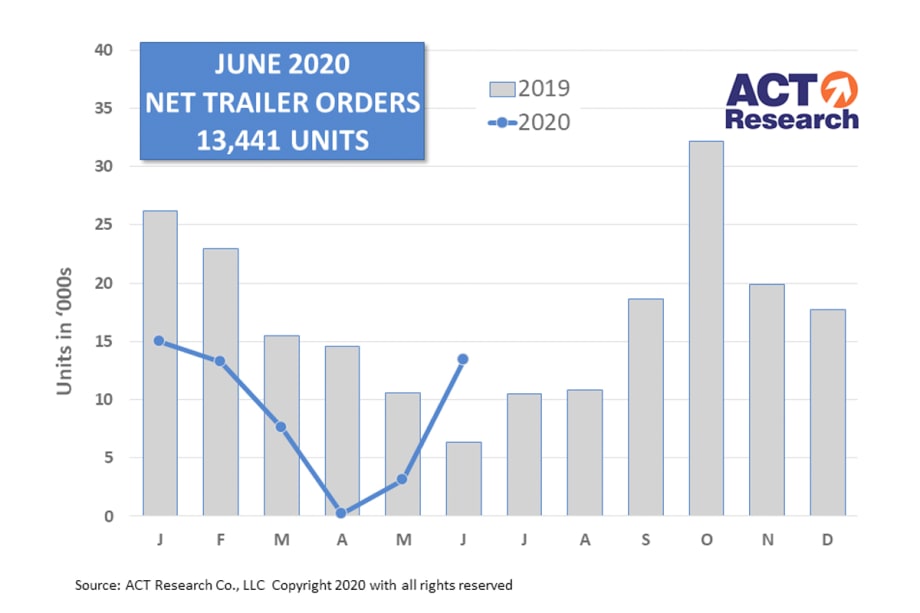
Source: ACT Research
According to ACT Research, U.S. trailer orders in June totaled 13,441 units, a more than 300% jump from May’s total of a little more than 3,100 trailers and 112% higher than June 2019’s level of around 6,200 units.
Before accounting for cancellations, new orders of 16,000 units were up 117% versus May and 41% better year-over-year, according ACT’s State of the Industry: U.S. Trailer Report.
“It is important to remember that those comparisons are to exceedingly low orders during the first part of this quarter, when widespread COVID lockdowns were in place,” said Frank Maly, director of commercial vehicle transportation analysis and research at ACT Research. “That said, the improved sequential comparisons do indicate some fleets, after assessing current market conditions, are beginning to cautiously commit to capital expenditures.”
Maly also indicated that large fleet orders helped bump up June’s numbers, which means the improvement is probably not equally shared across all trailers manufacturers. That irregularity could continue as the industry moves through the summer.
“OEMs continue to seek order/build equilibrium, and while some fleets are willing to make investment commitments, most continue to remain on the sidelines, despite some negotiations occurring to help generate order volume,” added Maly.
More Equipment

Kodiak Lines Up Fleets for Driverless Trucking
An agreement for 75 trucks, a new Texas freight lane, and progress on safety validation move Kodiak closer to its planned driverless highway launch.
Read More →
How GP Transco Builds Fuel Savings a Fraction at a Time
Aerodynamic specs, solar panels, and driver incentives help GP Transco turn small efficiency gains into savings it can reinvest in its people.
Read More →
More Trailer Data Through the Same Seven-Way [Video]
Can trucking’s standard seven-way connector handle more cameras and trailer data? Grote’s Adam Slade shows HDT how the company is using new technology with its 4See trailer system, not only to add a new backup camera but also to expand other capabilities — without adding another connection.
Read More →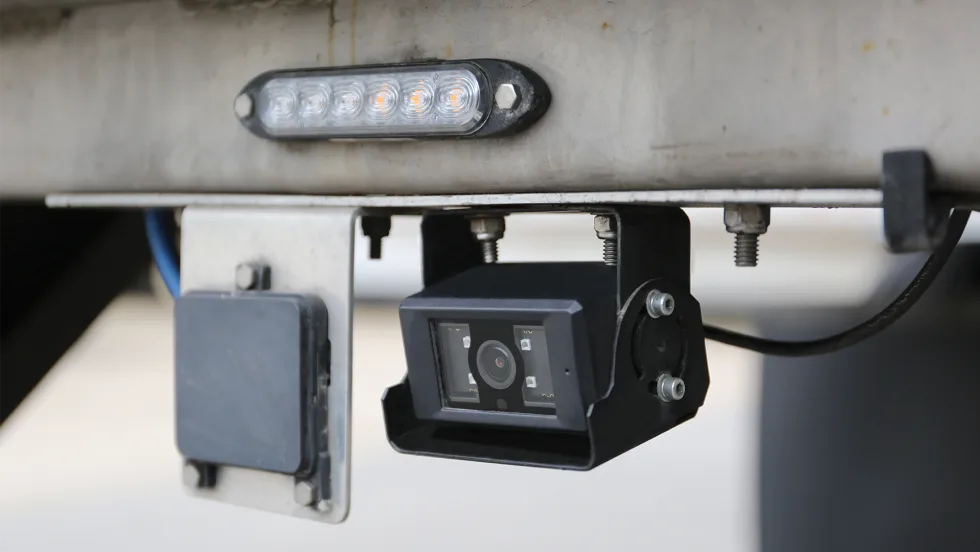
Grote: More Cameras, Same Seven-Way Connector
The next-generation 4See rear-view backup camera from Grote uses the standard seven-way connector and supports additional cameras and other trailer data.
Read More →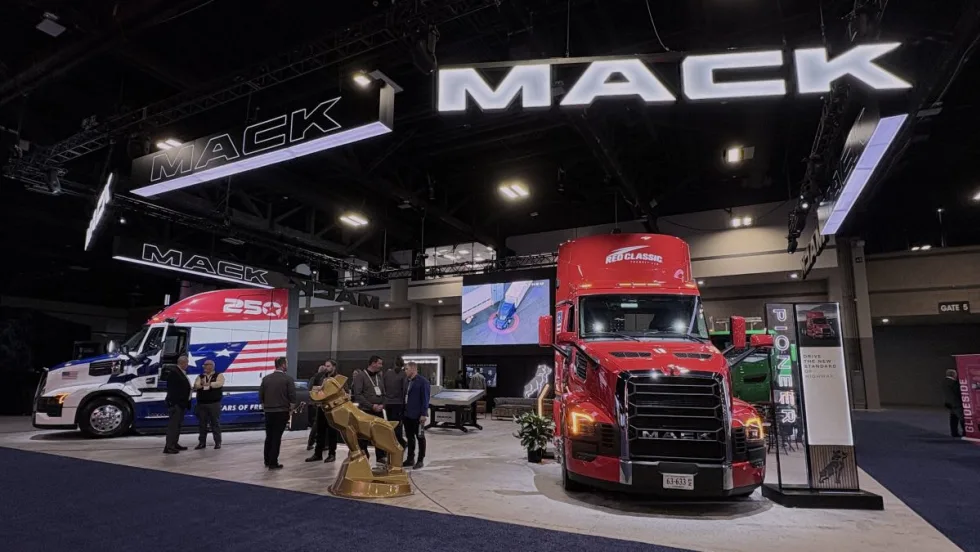
Trucks at ATA's 2026 MC&E in Charlotte, North Carolina [Photos]
From rigs decked out in patriotic America's 250 paint schemes to autonomous trucks and more, check out these photos from ATA's 2026 Management Conference & Exhibition.
Read More →
Help HDT Find Trucking’s Top Products
Have you come across a new product that could make a difference for trucking fleets? Nominate it for HDT’s 2027 Top 20 Products Awards by November 9.
Read More →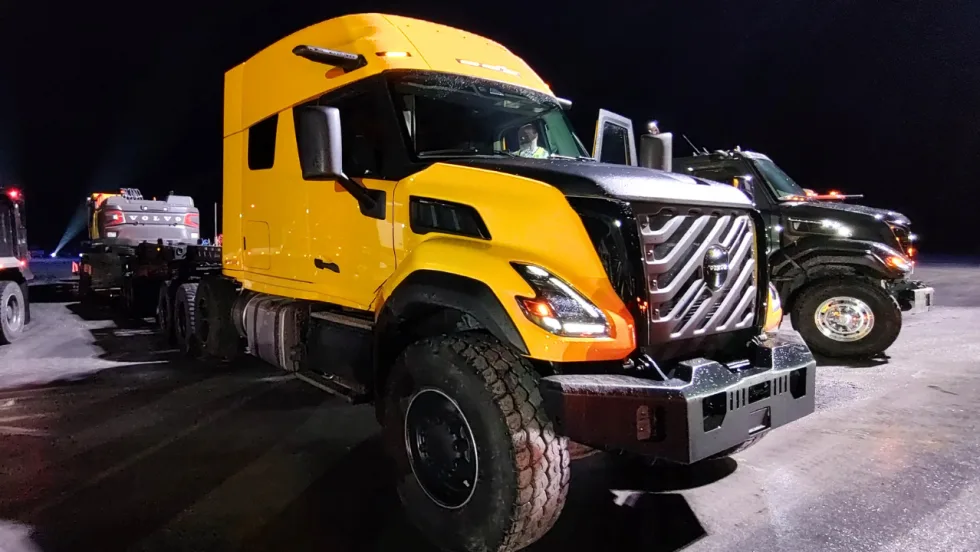
Volvo Unveils New VNX Heavy-Haul and Vocational Truck
Volvo Trucks has launched the VNX, a new vocational truck also available as a tractor in day cab and two sleeper configurations, with one heavy-haul model. The Volvo VNX is powered by Volvo's D13 platform, which delivers up to 540 horsepower and 1,950 pound-feet of torque and is EPA 2027-compliant.
Read More →
How GP Transco Cuts Trucking Fuel Costs, a Tenth of a Gallon at a Time
What’s another tenth of a mile per gallon worth? GP Transco shares how equipment upgrades and driver coaching turn small gains into meaningful fuel savings.
Read More →
Electric Yard Tractors Move Beyond Pilots
Operating-cost savings have overtaken sustainability goals as the leading reason surveyed fleets are adopting battery-electric terminal tractors, according to new NACFE research.
Read More →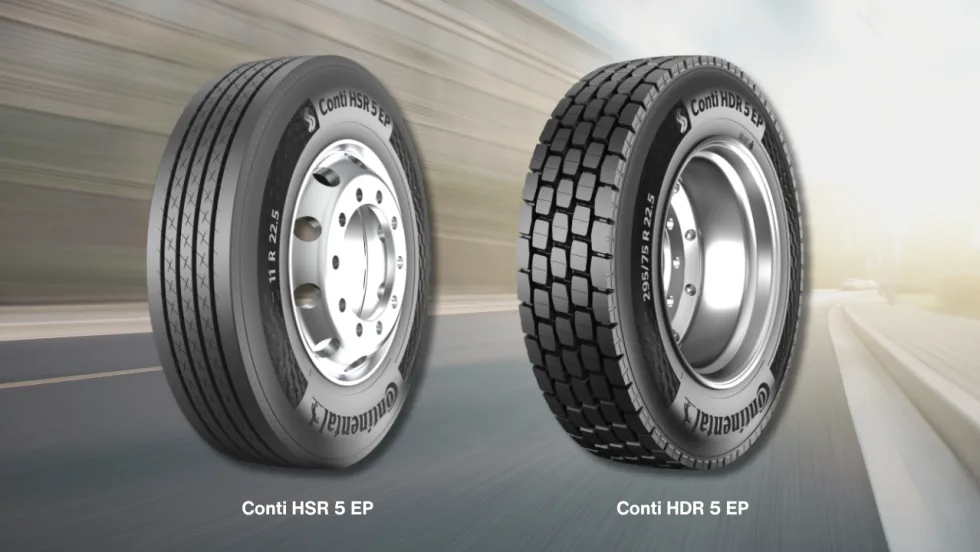
Continental Introduces New Regional Truck Tires
Continental says its new Generation 5 steer and drive tires for regional operations offer longer tread life, with estimated mileage gains of 22% and 19%, respectively.
Read More →