




Related: How Fleets Can Address Nuclear Verdicts and High Insurance Costs
Ongoing Focus, Training Are Keys to Plugging Cybersecurity Gaps in Trucks
Trucks are becoming ever more connected, with tools like telematics systems tracking every move.
by John G. Smith, Today’s Trucking
June 29, 2020
Photo: Madartzgraphics via Pixabay
2 min to read
Trucks are becoming even more connected, with tools like telematics systems tracking every move.
The challenge is that potential vulnerabilities continue to grow with the capabilities. The “air gaps” around vehicle systems are increasingly being penetrated by the internet and wireless connections, said Jeremy Daily, associate professor of systems engineering at Colorado State University.
Electronic logging devices (ELDs) offer just one example, and they’re actually mandated by the government.
When it comes protecting vehicle systems, any strategies should consider confidentiality, integrity and availability, Daily explained, in a broad-ranging presentation for the Truckload Carriers Association’s virtual safety and security meeting.
Hackers have a distinct advantage when it comes to cybersecurity, he adds. They only need to record a single victory. Those in charge of the systems need to defend everything.
“Vehicles in transportation have relied on security through obscurity in the past,” he says. But just about anything can be hacked. The goal is to make the hacking process economically unfeasible, so the steps can’t be easily scaled.
Rather than adopting “check-box security” measures, Daily stresses the importance of looking at security as an ongoing practice. The work never actually ends.
“There was a lot more work done on automotive cybersecurity,” he says. “There’s still the same types of challenges and vulnerabilities when it comes to heavy trucks.”
One of the challenges to advancing such cybersecurity measures, however, is that few skilled students are exposed to heavy vehicles.
But there are initiatives looking to change that dynamic, such as the Student Cybertruck Experience hosted at Colorado State University. Through that, student researchers have demonstrated ways to tap into telematics devices and expose wifi passwords, proving that such data should not be stored in plain text. They were also able to impersonate a truck’s electronic control unit using an open-source tool called a Beagle Bone.
“We were less than $70 as far as hardware goes,” he said.
Students participating in the challenges have been able to turn off a running truck’s engine using computers connected to a Controller Area Network. They were also able to keep the engine running when the key was removed, and spoof random values on the dashboard.
“We try to bring in four very separate entities – academia, industry, government, and the hackers themselves,” Daily says of the Cybertruck Experience. The event that began in 2017 had expanded to six trucks and a trailer in 2019. This year’s event was sidelined due to Covid-19, but there are plans to renew things for 2021.
John G. Smith is the editorial director of Today's Trucking, where this article originally appeared, and was used with permission from Newcom Media as part of a cooperative editorial agreement.
More Safety & Compliance
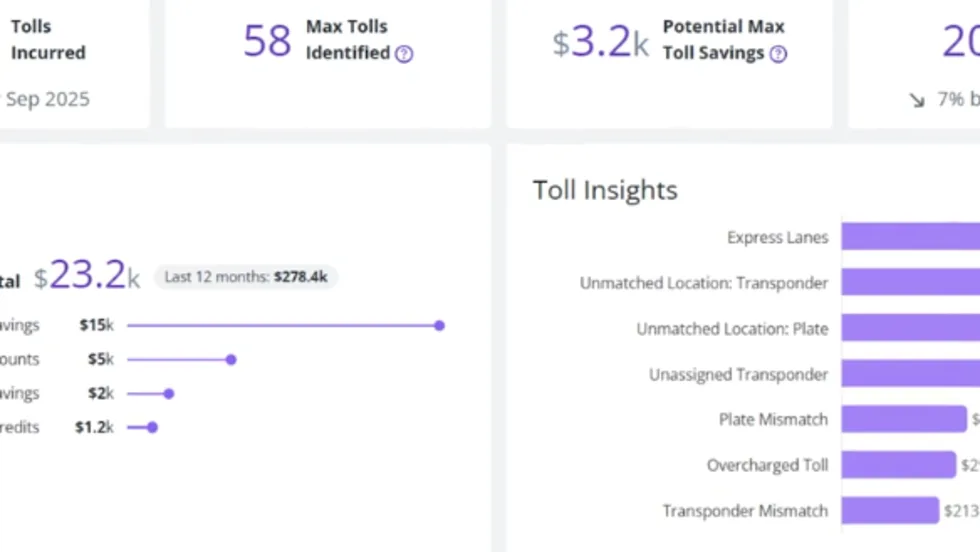
PrePass Intelligence Mines Fleet Bypass, Toll and Safety Data
PrePass Intelligence helps fleets measure bypass savings, flag potential toll overcharges, and spot suspicious transactions by combining data from separate systems.
Read More →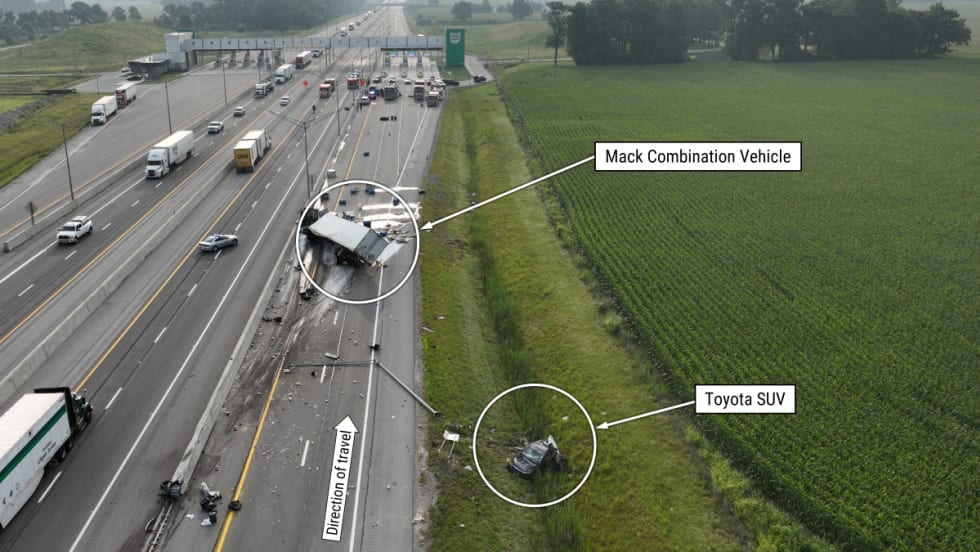
Fatal Crash Exposes Toll Plaza Risks
An NTSB investigation found that last-minute lane changes and large speed differences at an Ohio toll plaza created a hazard the truck driver couldn't avoid in time.
Read More →
When Language Stops the Truck: The Return of ELP Out-of-Service Orders
English language proficiency rules for commercial drivers aren’t new, but renewed out-of-service enforcement has raised the stakes. Here’s what carriers need to know before a driver reaches a roadside inspection.
Read More →
Sponsored•October 6, 2026
A Camera Isn't a Safety Program. Here's What Brokers Are Screening for Now
Footage alone may not be enough to pass broker vetting processes. Here's what counts as a defensible safety program now.
Read More →
Marijuana and Trucking’s Drug-Testing Dilemma
Marijuana is getting stronger, laws are changing, and drug tests still can’t reliably establish impairment. What does that mean for truck drivers and the fleets that employ them?
Read More →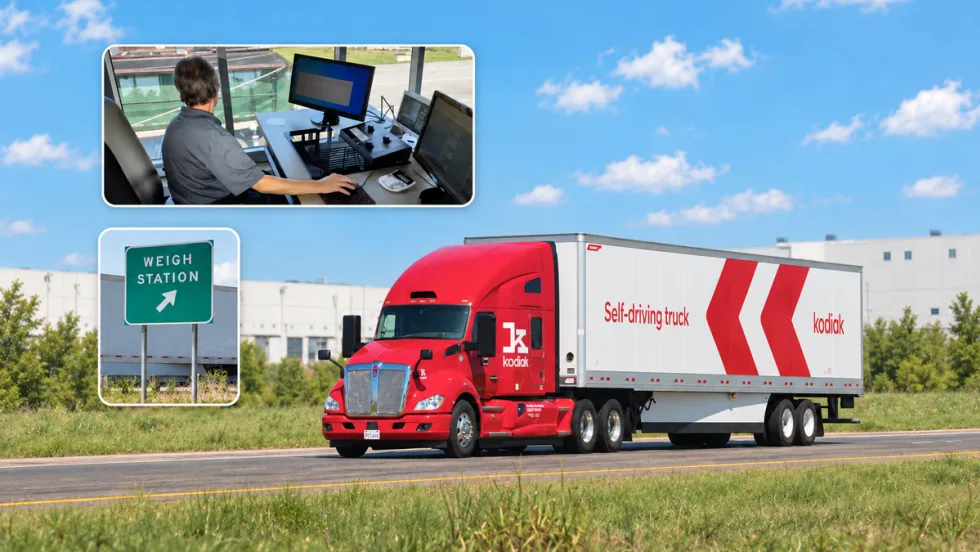
PrePass, Kodiak Connect Driverless Trucks to Roadside Enforcement
The system will allow enforcement agencies to verify Enhanced Inspection information and decide whether Kodiak’s autonomous trucks can bypass roadside screening sites.
Read More →
From One Generation to the Next: How Mentorship Builds Safer Truck Drivers
After three decades in trucking, Harold Perry shares what he's learned about driver safety, mentorship, and helping the next generation build confidence behind the wheel.
Read More →
FMCSA Pauses Biennial-Update Enforcement Amid Motus Transition
Carriers whose updates were due on or after June 1 have more time, while FMCSA works to stabilize its new registration system and warns of phishing sites impersonating its new carrier registration system, Motus.
Read More →
ZF Expands Commercial Vehicle Push in North America
ZF is expanding its North American commercial-vehicle presence with new transmission applications, electrification, trailer technology and autonomous-driving systems.
Read More →
Truck Drivers Need More Than Another Alert
Fleets have more visibility into truck health, safety events, and driver activity than ever. The next challenge is turning all that information into useful guidance for the person who has to decide what to do next.
Read More →