


 MENU
MENU SEARCHMENUSEARCH
Loading data...
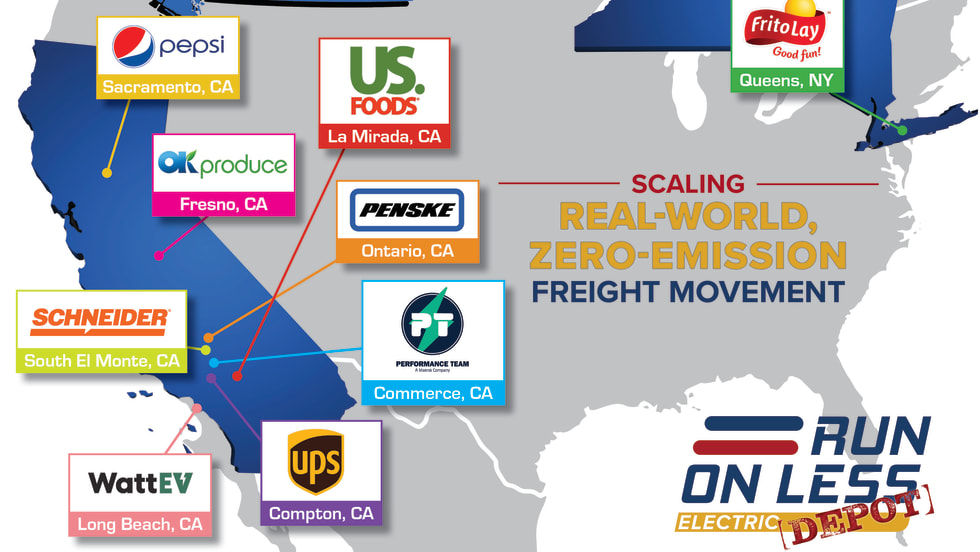
Two more fleets have joined the North American Council for Freight Efficiency’s Run on Less – Electric Depot electric truck and charging infrastructure trials.
Read More →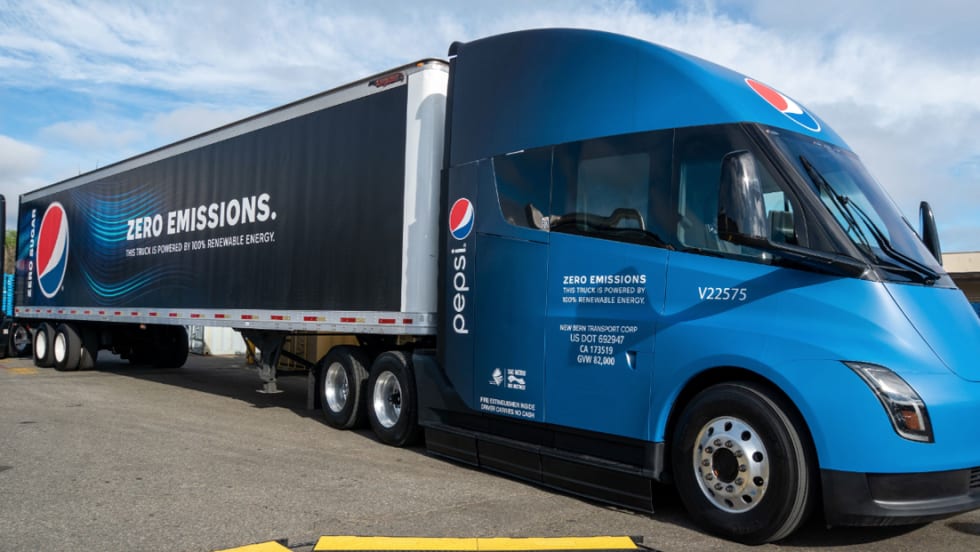


PepsiCo has added more electric Class 8 Tesla Semis at two of its California facilities.
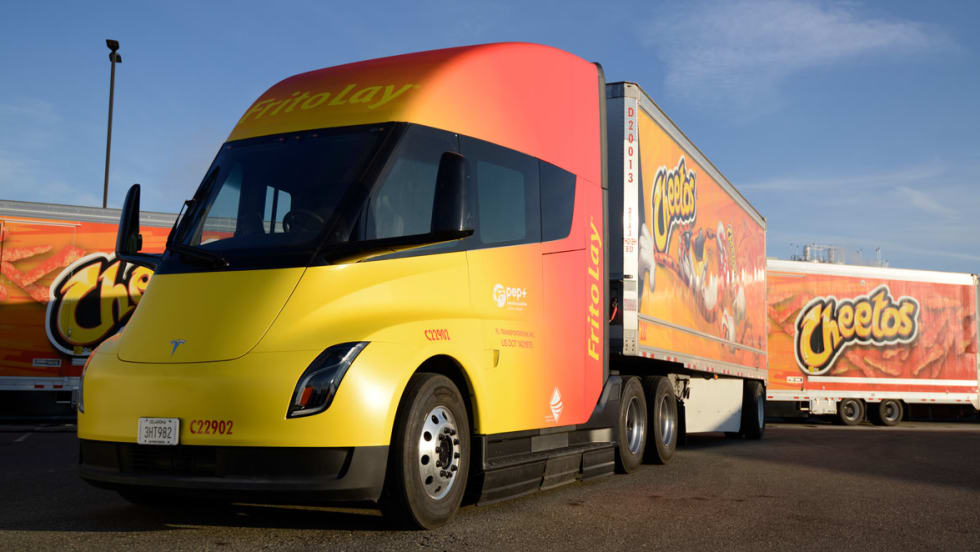
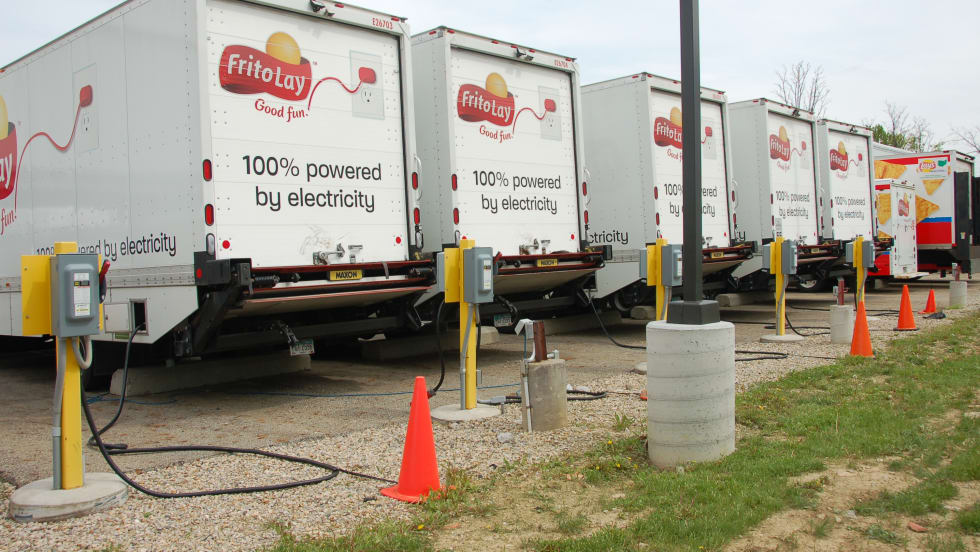
Read More →With its recent delivery of the first Tesla Semi battery-electric trucks, Frito-Lay is nearly finished transforming its Modesto, California, facility into a showcase for sustainability.
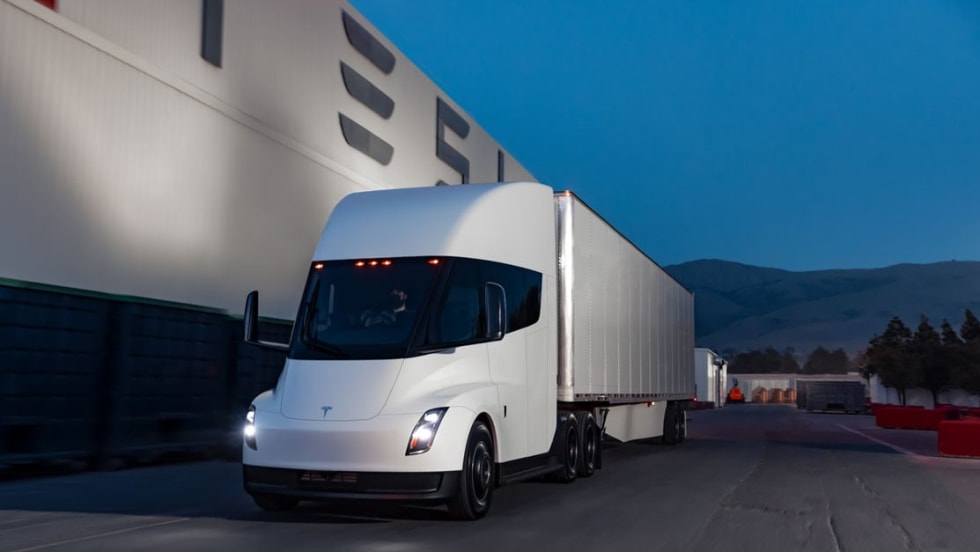
Read More →The Frito-Lay plant in Modesto, California, and the PepsiCo beverages plant in Sacramento, are scheduled to get Tesla Semi battery-electric trucks delivered starting in December. For real this time.
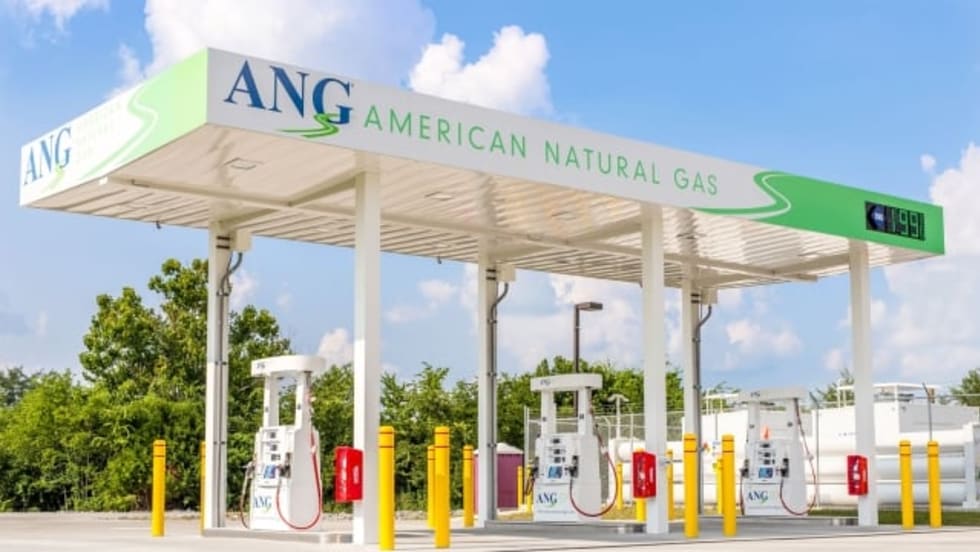
Read More →American Natural Gas (ANG) held a ribbon cutting ceremony in collaboration with Tennessee Clean Fuels to unveil its new public compressed natural gas (CNG) station in Fayetteville, Tenn. PepsiCo’s Frito-Lay division will be a major customer with its fleet of CNG tractor-trailers.
Read More →American Natural Gas (ANG) announced that it has acquired Questar Fueling Company, including its 11 compressed natural gas (CNG) fueling stations in Arizona, Kansas, Texas, Utah, California, and Colorado.
Read More →With the assistance of the U.S. Department of Energy coalition Clean Fuels Ohio, Frito-Lay's Ohio fleet now has 45 propane autogas-powered Ford E350 vans and five electric Newton delivery trucks.
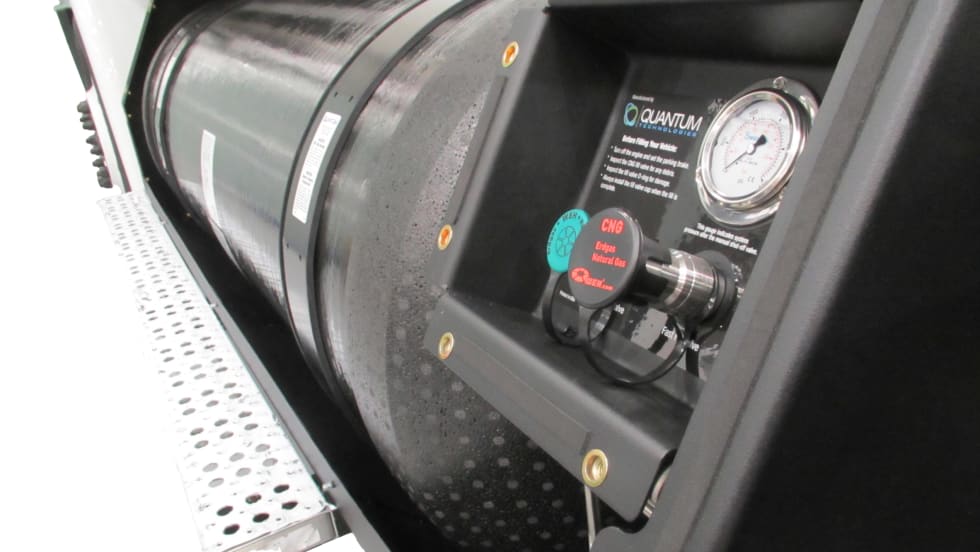
Read More →Questar Fueling Company opened a new CNG fueling station with public access in conjunction with Frito-Lay.
Read More →During his first years at Frito-Lay more than 20 years ago, Mike O’Connell was focused on the warehousing end of the distribution business. About eight years ago, with the help of a talented team of engineers and others (who O’Connell is adamant about giving part of the credit for his success), he has turned the Frito-Lay fleet into a model of efficiency and sustainability and today is senior director, supply chain. Read more here.
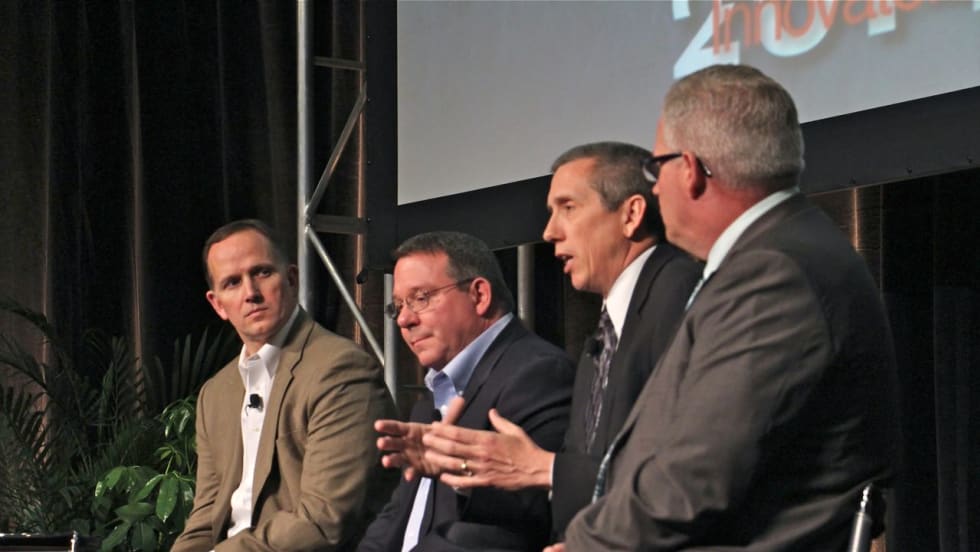
Read More →MATS, LOUISVILLE, KY -- A panel discussion of innovative fleet leaders Wednesday illustrated why one size does not fit all is not an approach that works well in the trucking industry.
Read More →