


 MENU
MENU SEARCHMENUSEARCH
Loading data...
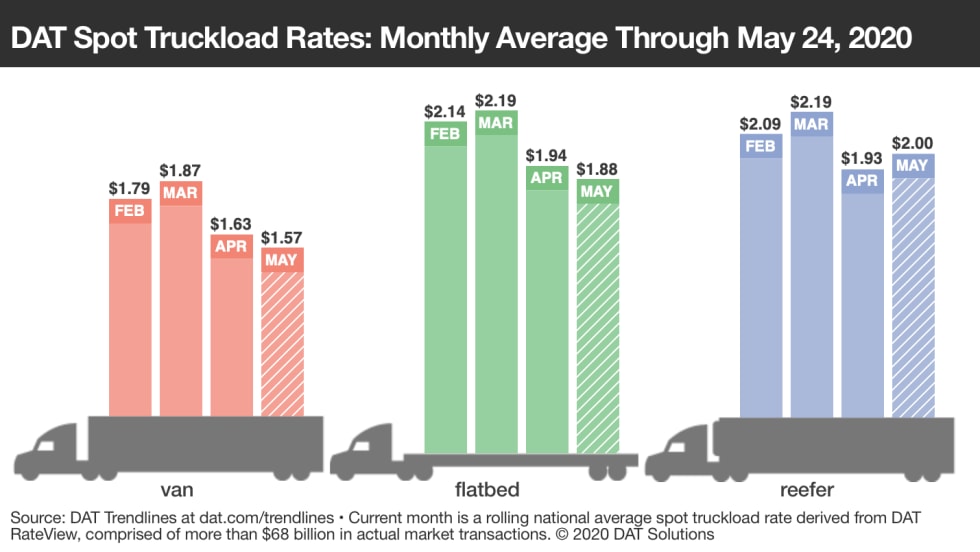
With all 50 states relaxing COVID-19 shutdown orders to various extents, trucking shipments and rates are heading back up – but don't expect a true recovery until 2021.
Read More →
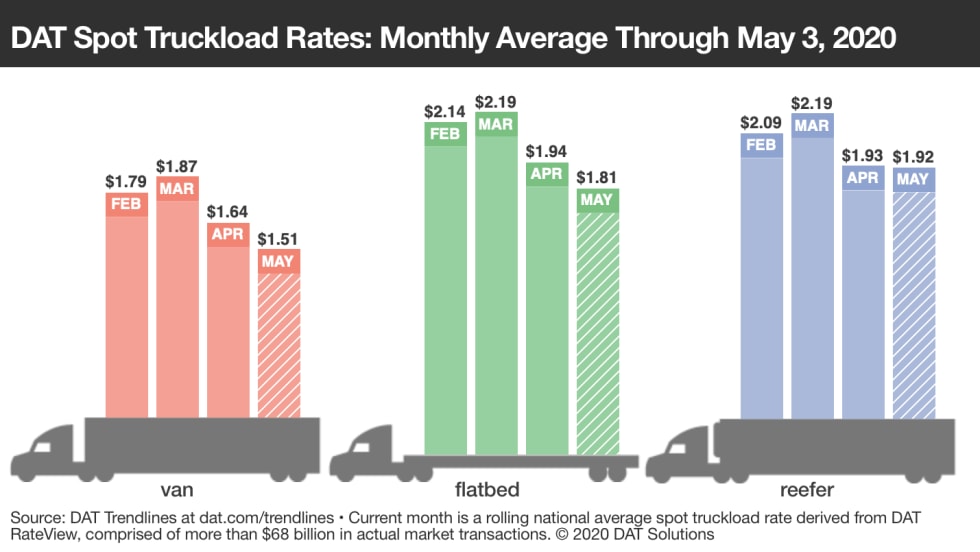
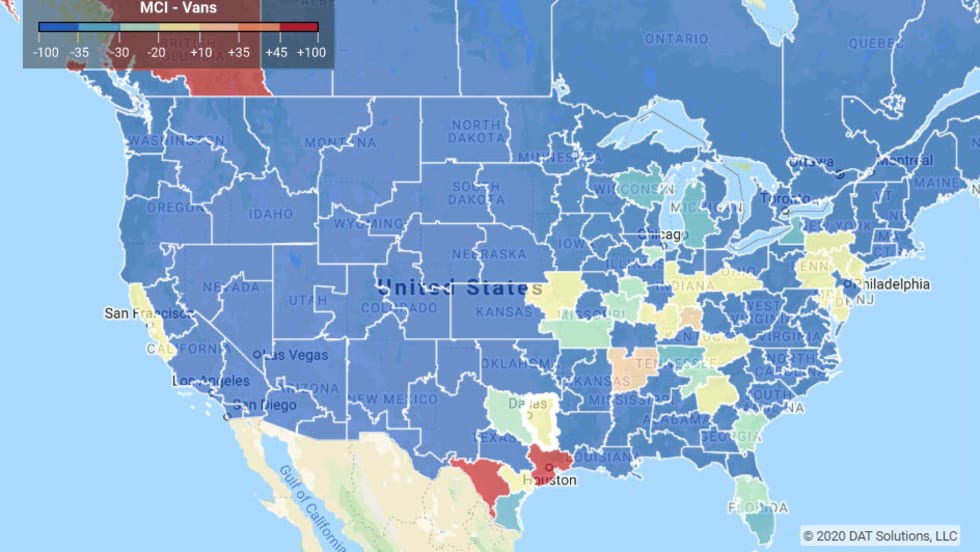

How will reopening impact truckload demand and freight rates in the near future? What will freight rates look like in the next six to 12 months? This video from Convoy explores those questions.
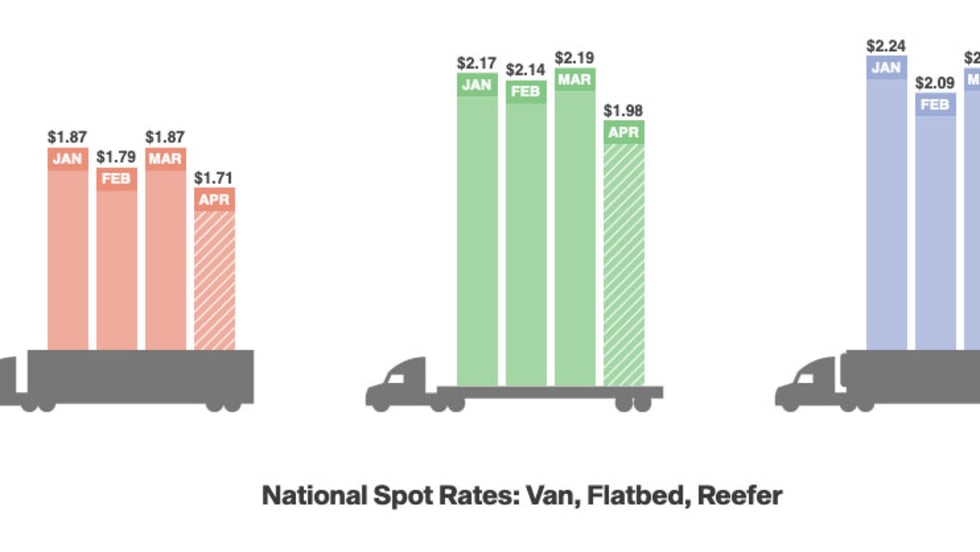
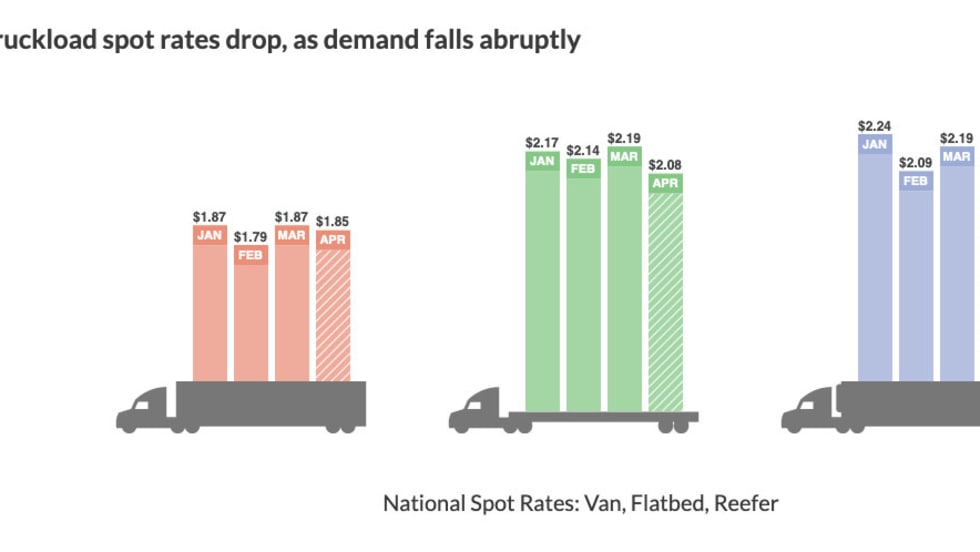
Read More →Freight rates on the spot market in April plunged to five-year lows, thanks to plummeting demand caused by the COVID-19 pandemic. It's so bad, owner-operators have been protesting all over the country, calling for more broker regulation. But is it really a broker problem? Or classic supply and demand?
Read More →As stay-at-home orders in response to the COVID-19 pandemic took hold across much of the country in the latter part of March, the level of freight available – and the rates to haul it – plummeted. This means many of the smallest companies that make up the vast majority of motor carriers are seriously hurting.
Read More →While COVID-19 related demand boosted freight volume and spot freight in the first part of March, the latter part of the month saw a reversal, and April is looking ugly.
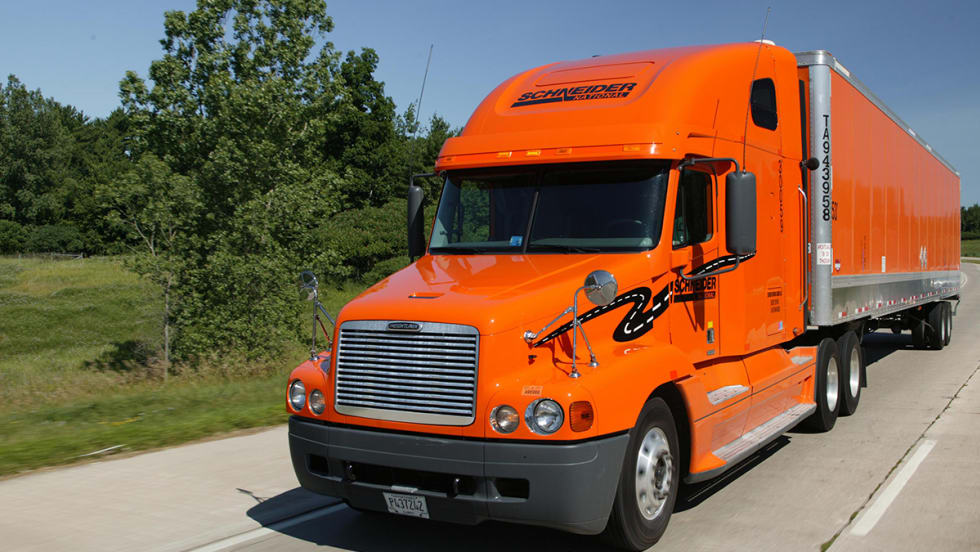
Read More →Schneider has joined DAT’s pilot program to evaluate ways to provide faster, more accurate forecasts of truckload freight rates and market conditions.
Read More →The pressure to restock grocery stores and distribution centers stripped by COVID-19 buying has quickly given way to a slump for truck freight. As March segued into April, the spot market took a tumble, according to figures from DAT Solutions and Truckstop.com.
Read More →The looming business and economic impact on the trucking industry from COVID-19 pandemic is “kind of like there’s a big hurricane coming in, and it’s one of the nastier storms in history. But so far you’re just seeing some waves on the shore.”
Read More →Kingsgate Logistics has joined a pilot program that provides early access to a suite of predictive rates and analytics tools from DAT Solutions.
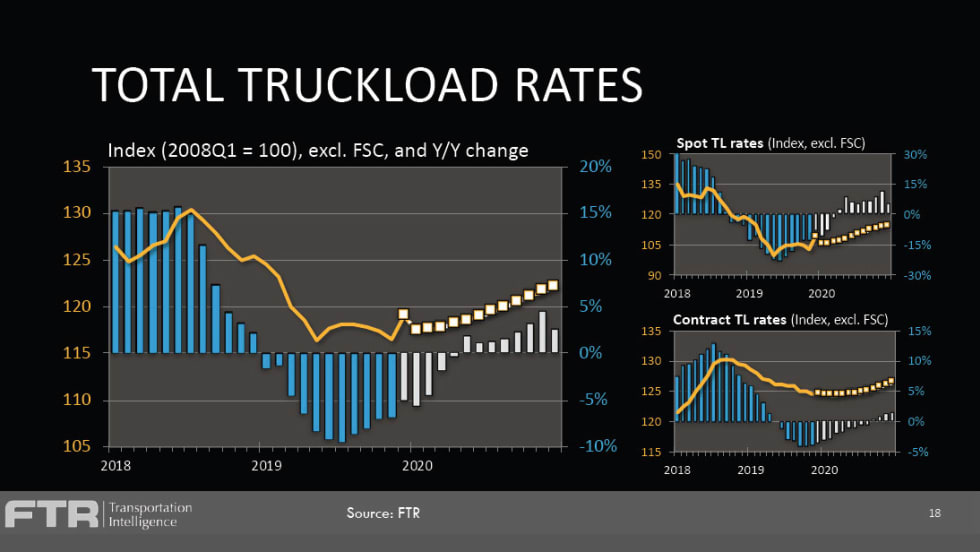
Read More →Barring the unexpected, trucking can generally expect flat to moderate growth in demand and rates in 2020, with most of the growth in the second half of the year.
Read More →