


 MENU
MENU SEARCHMENUSEARCH
Loading data...
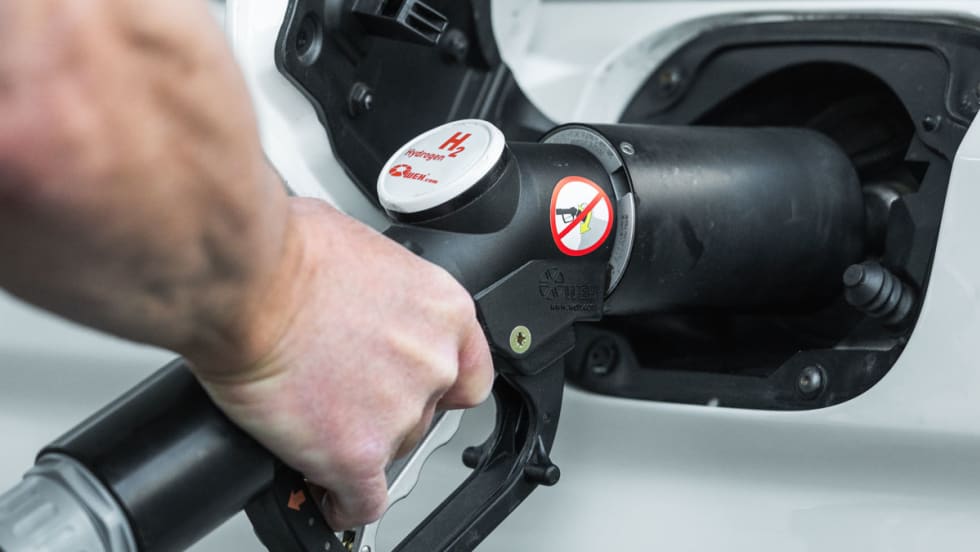
If hydrogen fuel-cell trucks are truly part of the answer for a zero-emissions future, the upstream process of producing and transporting that hydrogen fuel also needs to be “green.”
Read More →
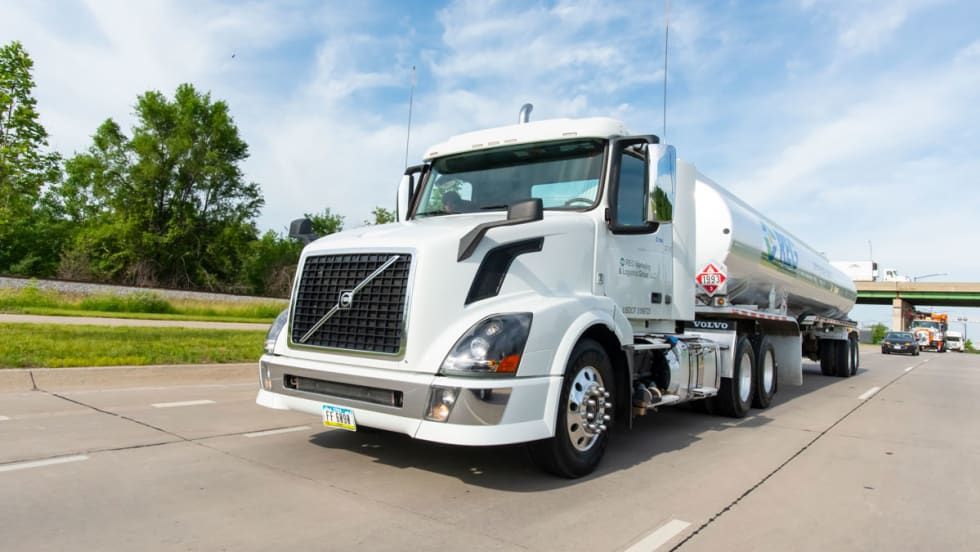

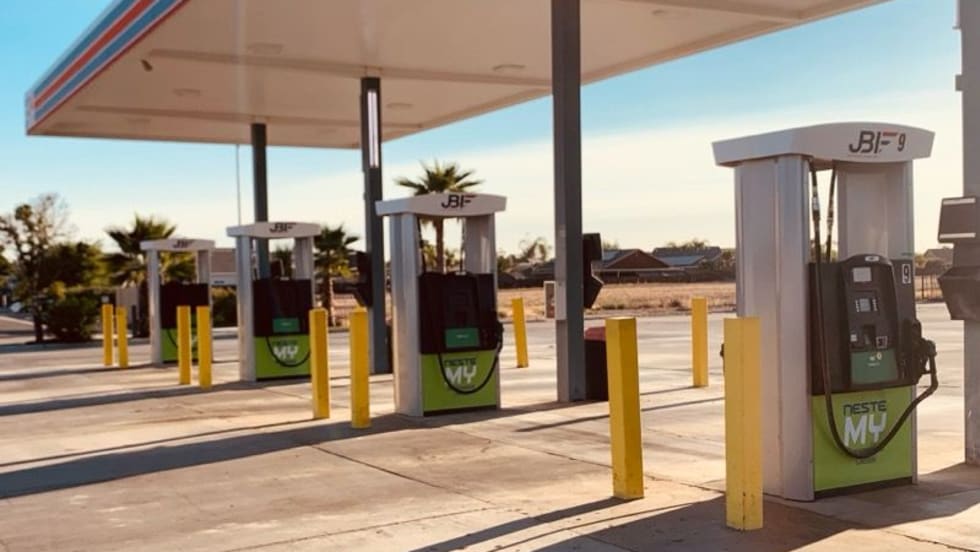


President Biden has ordered federal agencies to develop more stringent fuel efficiency, greenhouse gas, and oxides of nitrogen emissions standards for medium- and heavy-duty trucks.
Read More →Engine downspeeding is an elegant way of reducing fuel consumption, and thus CO2 emissions. But if drivers don’t embrace it or won’t use the technology properly, nobody sees its full benefit. Jamie Hagen of Hell Bent Xpress in Aberdeen, South Dakota is an expert on the gear-fast, run-slow concept. He shares his experience learning to love trucking at 900 rpm.
Read More →Answers to common questions about operating fleet trucks on 100% biodiesel (B100), including operating in cold temperatures, engine warranties, emissions reduction and more.
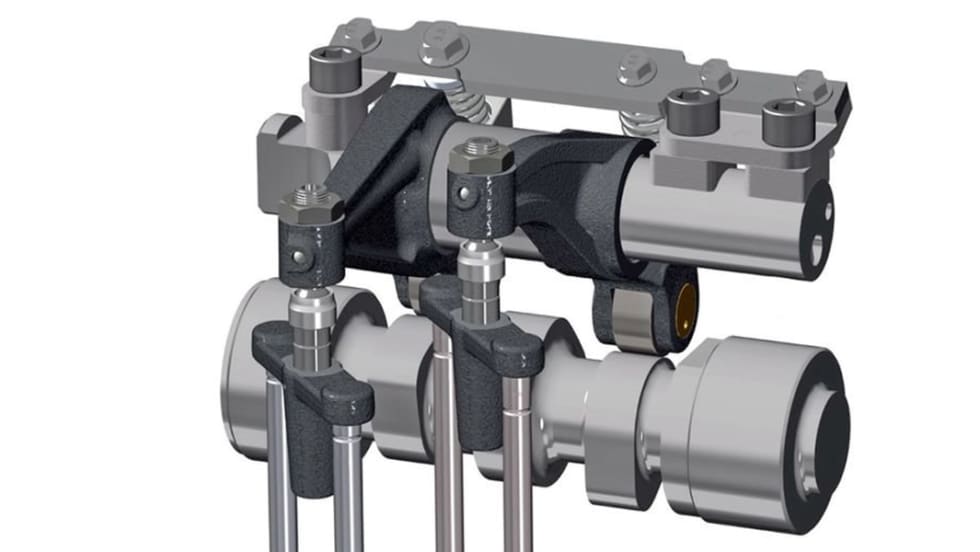
Read More →Cylinder deactivation can reduce NOx emissions through hotter exhaust temperatures and allow more efficient engine operation on fewer cylinders under low-load conditions.
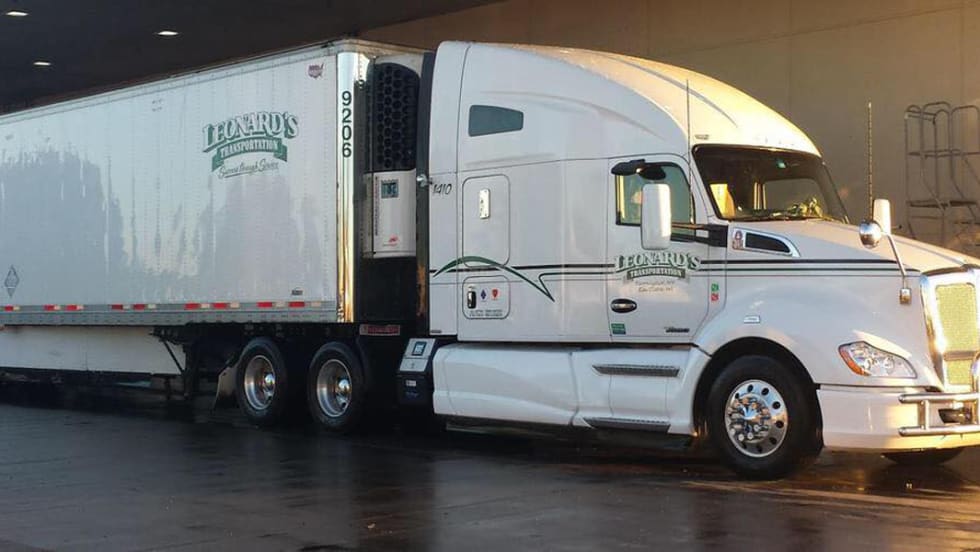
Read More →Leonard’s Express has adopted SPI.Systems’ SPI Exhaust Reaction System, which alters the chemistry of combustion through reuse of the exhaust gases on Class 8 trucks.
Read More →The cleanest natural-gas-powered trucks will be exempt from the Port of Long Beach Clean Truck Fund Rate as a transitional step to zero-emissions trucks becoming widely available.
Read More →New numbers from the California Air Resources Board demonstrate the importance of renewable fuels in cutting greenhouse gases from heavy-duty vehicles in California.
Read More →UNFI is removing 53 of its diesel-powered TRUs from operation and enlisting Advanced Energy Machines to rebuild the units to all-electric specifications.
Read More →ESG stands for environmental, social, and corporate governance. Find out why HDT Editor in Chief Deborah Lockridge thinks fleets should take notice.
Read More →