


 MENU
MENU SEARCHMENUSEARCH
Loading data...
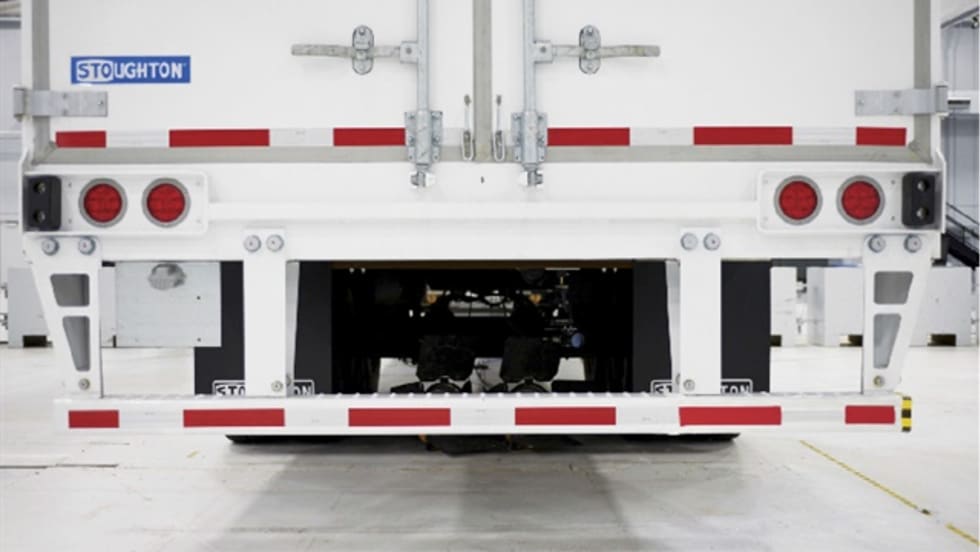
Trailer orders are down this year through April but production levels are near all-time highs as OEMs work through the glut of orders from last year.
Read More →
The 3.2% first-quarter GDP figure released by the Commerce Department seems to portray a stronger volume environment than was experienced by the trucking industry, judging by first quarter fleet earnings.
Read More →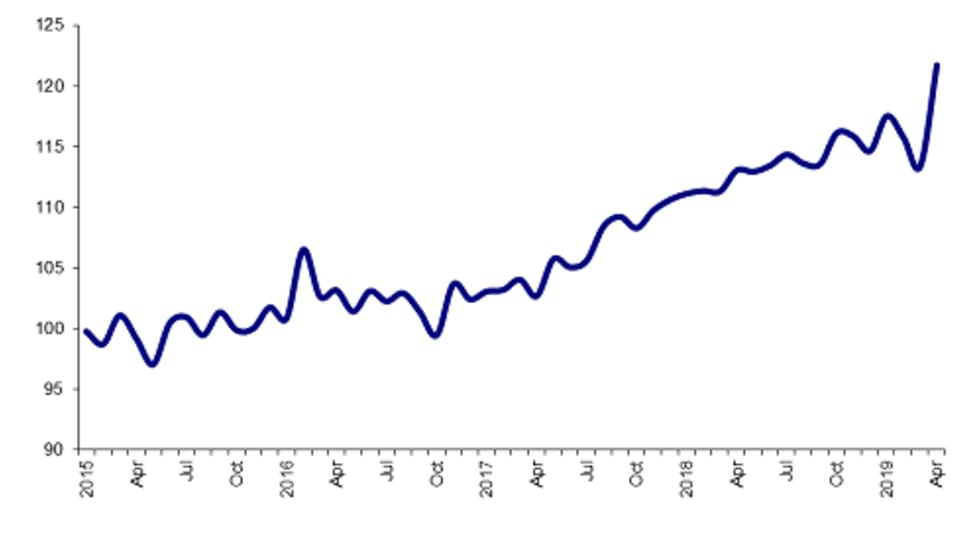
April was a strong month for truck tonnage, according to the ATA Truck Tonnage Index, possibly due to factors such as weaker previous months and a late Easter holiday.
Read More →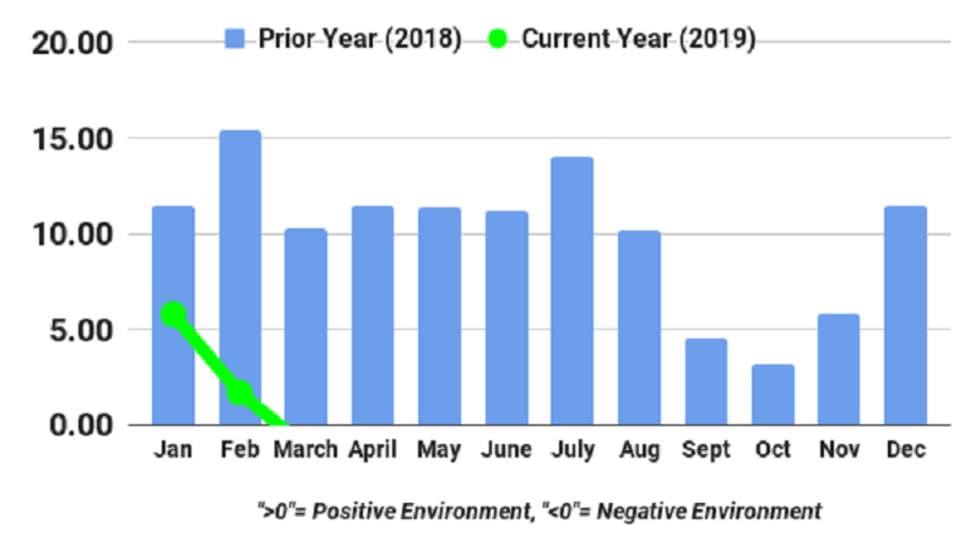
Decreasing freight rates, sluggish demand and slow truck orders are all signs of a trucking industry that has finally hit the brakes on the 2018 economic boom.
Read More →
The first few months of 2019 showed many inconsistencies in economic data, varying wildly from month to month. Is our economy really this inconsistent or is there another reason for the variation?
Read More →
Economist Jim Meil says a further drag on trailer production and sales will come from California when new regulations from the California Air Resource Board targeting heavy-duty truck trailers come into effect next year.
Read More →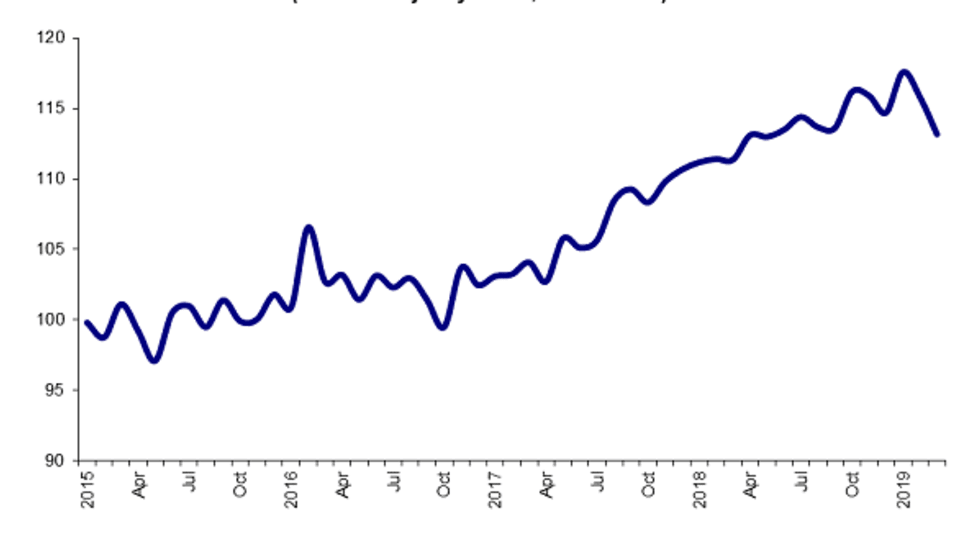
Bad winter storms and a later than normal Easter holiday may have contributed to a 2.3% dip in American Trucking Associations’ advanced seasonally adjusted For-Hire Truck Tonnage Index for the month of March.
Read More →
ACT Research will now publish a monthly report that will focus on the future of the U.S. trucking industry. The report, ACT Freight Forecast, U.S. Rate and Volume Outlook, will cover the truckload, intermodal, LTL and last mile sectors.
Read More →
March Class 8 truck orders fell once again, falling below the 20,000 unit threshold for the third consecutive month.
Read More →
Every winter impacts the economy in some way, but this season was especially tough and could have led to a slowdown in truck freight.
Read More →