


 MENU
MENU SEARCHMENUSEARCH
In its second quarter recruiting and retention survey, Driver iQ found signs that with signs of a weakening freight environment and economy, most fleets are unlikely to increase driver compensation or add capacity to combat driver turnover within the next few months.
Read More →
UniGroup Logistics is now offering full-service, white glove final mile residential service of over-dimensional items for delivery, warehousing, fulfillment and reverse logistics.
Read More →
The Federal Motor Carrier Safety Administration has published an eagerly awaited proposal on changes to hours of service rules that would offer more flexibility, including changes to the 30-minute break rule, allowing split sleeper berth operations, and more.
Read More →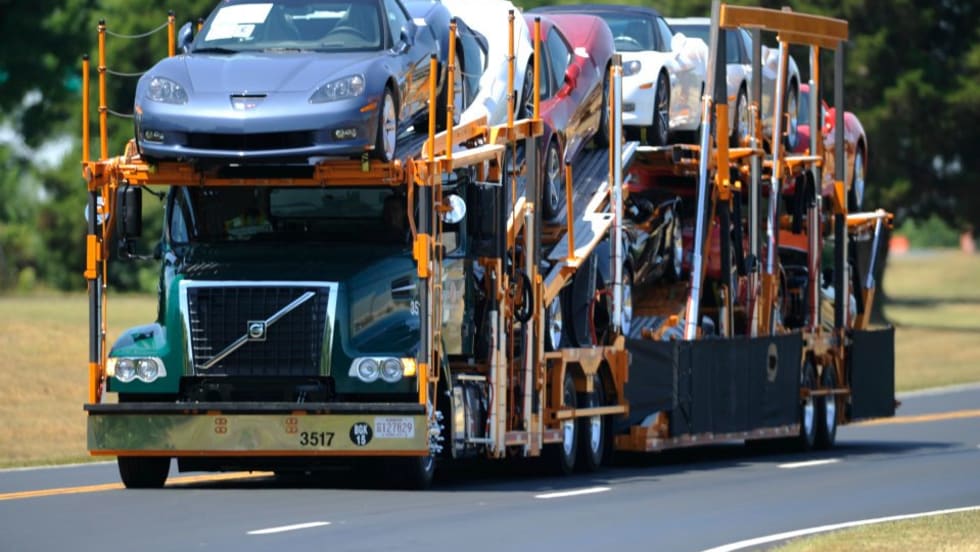
Car Hauler Jack Cooper Ventures has filed for chapter 11 bankruptcy citing difficulty competing with its mostly non-unionized competition.
Read More →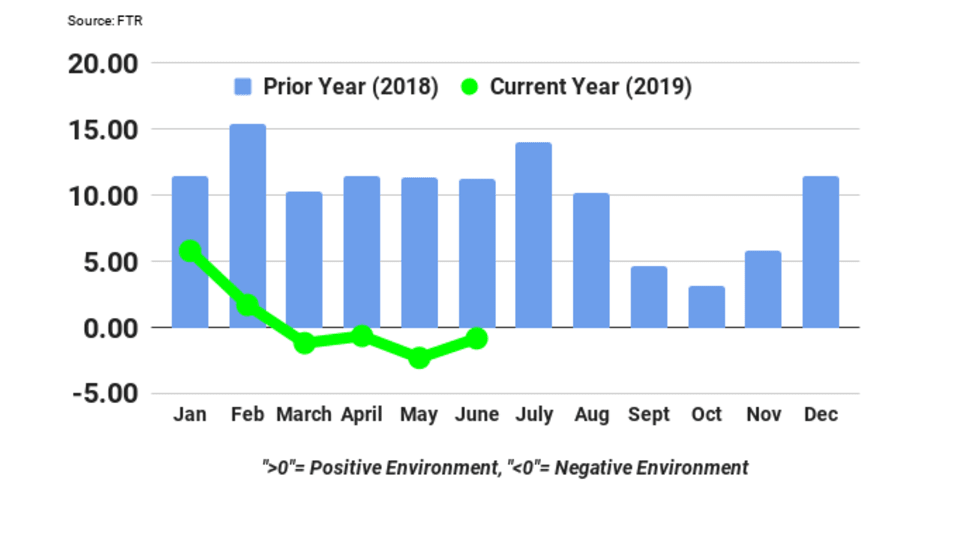
FTR’s revised Trucking Conditions Index showed significant improvement for the month of June thanks to strengthening freight demand and lower fuel prices, but other factors are likely to keep things subdued through the rest of the year.
Read More →
The Blockchain in Transport Alliance has elected Richard Greening of The DDC Group Co-Chair of its newly founded Bill of Lading Working Group.
Read More →
Cargo securement company Ancra Cargo is celebrating its 50th year of operation, having started in 1969. The company initially focused on the airline industry but eventually made its way into the heavy-duty trucking industry.
Read More →
Celadon Group has named former Swift CEO Richard Stocking chief transformation officer of Celadon Trucking Services, its primary U.S. truckload business.
Read More →
The Commercial Vehicle Safety Alliance has urged Congress to fund a new commercial vehicle crash causation study to be conducted by the FMCSA, updating the last study that was conducted in 2001.
Read More →
In its latest Freight Forecast, ACT Research maintained its view that truckload and intermodal rates will fall this year due to overcapacity and weak freight demand.
Read More →