




Workhorse to Unveil N-Gen Drone Delivery Platform at CES
Workhorse Group has announced that it will unveil the N-Gen low delivery-platform electric van with an integrated HorseFly drone at the Consumer Electronics Show in Las Vegas in January.

The SureFly Octocopter and W-15 pickup will be shown at the 2018 CES in Las Vegas. Photo: Workhorse Group
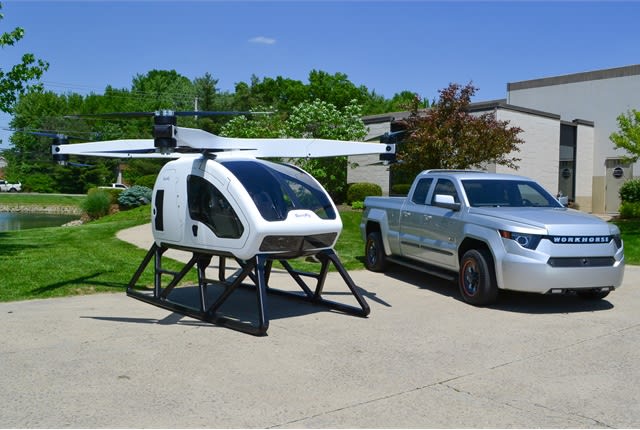
The SureFly Octocopter and W-15 pickup will be shown at the 2018 CES in Las Vegas. Photo: Workhorse Group
Workhorse Group has announced that it will unveil its N-Gen low delivery platform electric van with an integrated HorseFly drone at the Consumer Electronics Show in Las Vegas in January.
The company will also introduce its W-15 electric pickup truck and its SureFly Octocopter, which Workhorse is calling the first personal electric octocopter.
The N-Gen low delivery platform electric van features a 19-inch floor for increased cargo space and ease of operation. It is expected to deliver a range of 100 miles with an optional gasoline range extender adding 75 more miles. The N-Gen is scheduled to begin package deliveries for a large e-commerce company within the next two months, according to Workhorse.
Optionally available with the N-Gen is an integrated HorseFly drone delivery system that's designed to launch an octocopter drone from the roof of an N-Gen delivery van and deliver a package to its destination within the driver’s line of sight. The HorseFly system is compliant with all current FAA regulations and can carry a package weighing up to 10 pounds, according to Workhorse.
Additionally, Workhorse will be showcasing the W-15 at CES. This electric plug-in pickup has been designed to offerfeatures and benefits fleets look for in a work truck. Panasonic 18650 Li-on batteries deliver an 80-mile all-electric range. If needed, an on-board gasoline generator will then extend the range. Workhorse said it currently has over 5,000 W-15 vehicles under Letter of Intent from fleets.
Lastly, the company will show off the SureFly, which was first unveiled at the Paris Air Show in June. Workhorse said the SureFly aircraft is designed to be safer and more stable than a typical helicopter. Its redundant design includes four propeller arms, two fixed contra-rotating propellers on each arm, a backup battery pack to drive the electric motors in the event of engine failure, and a ballistic parachute that safely brings down the craft if needed. The SureFly is currently securing flight approval from the FAA.
The SureFly is expected to be capable of carrying pilot and passenger or cargo up to 70 miles. Early models will be pilot-operated. The goal is to introduce future models featuring autonomous flight capable of carrying payloads of up to 400 pounds. Anticipated markets for the SureFly are precision agriculture, emergency responders, city commuters, and the military. The price of the SureFly is expected to be approximately $200,000, and Workhorse is currently accepting pre-orders for the aircraft.
"CES is the perfect technology venue for us to showcase our three new technology firsts," said Steve Burns, Workhorse CEO. "We know technology-informed people come to CES from all over the world, and we are very excited to show them our SureFly, our low delivery-platform electric N-Gen van, and our W-15 electric pickup."
More Fuel Smarts
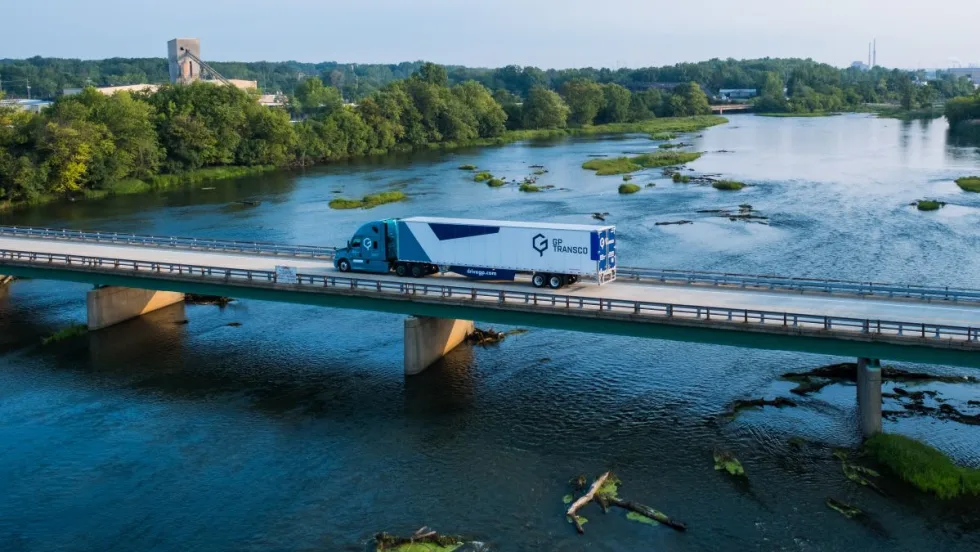
How GP Transco Builds Fuel Savings a Fraction at a Time
Aerodynamic specs, solar panels, and driver incentives help GP Transco turn small efficiency gains into savings it can reinvest in its people.
Read More →
Trucking’s Diesel Squeeze Isn’t Letting Up
With diesel topping $6 a gallon nationally, ATA's Bob Costello explains why fleets should prepare for continued pressure at the pump.
Read More →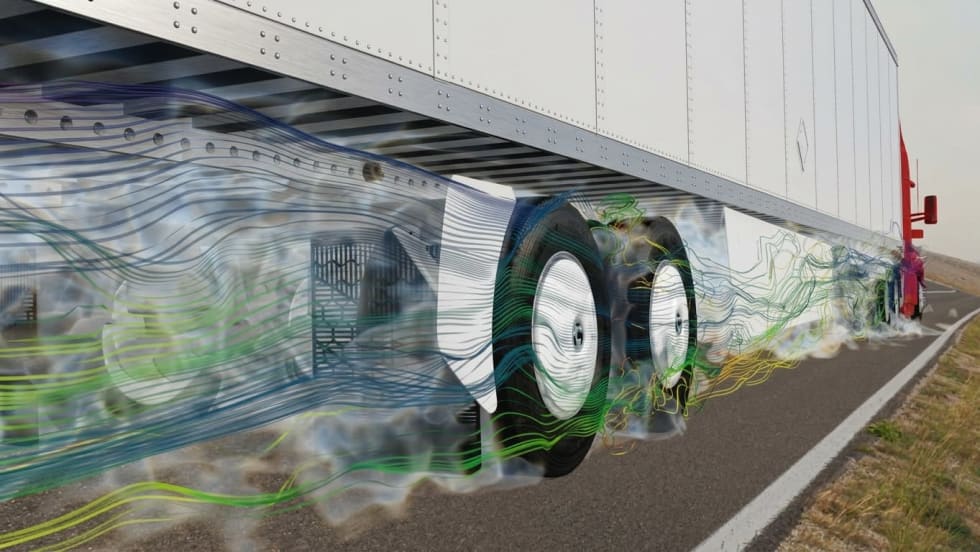
FlowBelow Redesigns Trailer AeroSlider to Cut Fuel Use
The lighter trailer aerodynamic system installs in less than 45 minutes, according to the company, with potential payback in under a year depending on fuel prices and trailer mileage.
Read More →
Why Diesel Price Relief Efforts May Fall Short
Diesel prices have eased from September’s record high, but doubts about additional Russian supply and limits on dyed-diesel tax relief mean trucking fleets still face expensive fuel. And prices could go higher.
Read More →
Why Small Fuel Savings Matter in Trucking
Can better fuel economy help pay for driver raises? In this podcast, GP Transco explains how small efficiency gains create room to reinvest in its people.
Read More →
How GP Transco Cuts Trucking Fuel Costs, a Tenth of a Gallon at a Time
What’s another tenth of a mile per gallon worth? GP Transco shares how equipment upgrades and driver coaching turn small gains into meaningful fuel savings.
Read More →
Electric Yard Tractors Move Beyond Pilots
Operating-cost savings have overtaken sustainability goals as the leading reason surveyed fleets are adopting battery-electric terminal tractors, according to new NACFE research.
Read More →
Geotab Links Fleet Card to Vehicle Data
The new card combines fuel discounts with telematics-based purchase controls. Geotab’s analysis also points to potential savings from choosing lower-priced fuel stops.
Read More →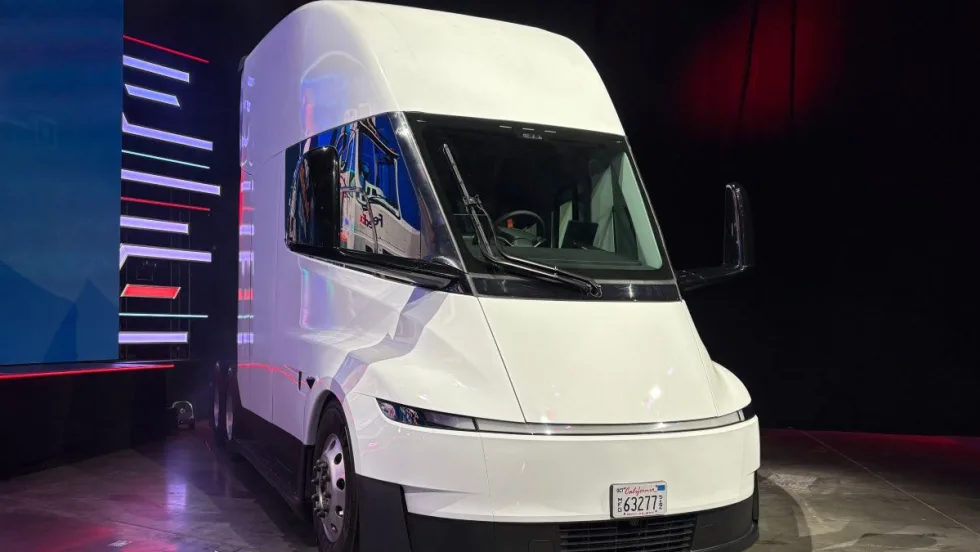
Fleet Economics Shape Electric Truck Outlook
ACT Research expects costs, charging infrastructure, and technology improvements to drive zero-emission commercial vehicle adoption as federal regulations and incentives retreat.
Read More →
Wex Adds Cardless Fuel Payments for Over-the-Road Customers
A new fuel card feature for Wex customers offers convenience and security.
Read More →