




Washington Officials Focus on Diesel Prices
Official concern about diesel prices escalated in Washington, DC, this week. House transportation leaders held hearings, truckers marched for the third time in two months, and trucking spokesmen gathered at the Department of Transportation to seek
Official concern about diesel prices escalated in Washington, DC, this week. House transportation leaders held hearings, truckers marched for the third time in two months, and trucking spokesmen gathered at the Department of Transportation to seek relief.
At the March 21 hearing before the House Ground Transportation Subcommittee, it was apparent that there is no consensus on how to fix the fuel price crisis, but one thing is for sure - transportation leaders do not want Congress to repeal the 4.3-cent federal fuel tax.
Witnesses at a House hearing said the tax repeal would devastate highway maintenance and safety, and produce little benefit.
Assistant DOT secretary Jack Basso said that while the Clinton administration is "deeply concerned" about the impact of fuel prices on trucking, a tax rollback would take $1.4 billion out of the Highway Trust Fund this year - and $7 billion each year thereafter. This would lead to higher operating costs as the highway system deteriorates, he said.
"Individual drivers will save more than twice as much in the long run if the revenue from the 4.3 cent tax is invested in highway improvements, than if the tax is repealed," he said.
Repeal also would cut into DOT's safety budget, reducing it by a third, he said.
Witnesses from the states, the highway construction industry, the transit industry, labor unions and the American Automobile Assn. all made the same points - as did the members of the subcommittee.
Meanwhile, trucking spokesmen were divided on how to bring down prices that are forcing some truckers out of business.
Jim Johnston, president of the Owner-Operator Independent Drivers Assn., pressed for a national surcharge that would be passed on to the trucker who pays for the fuel. Walter McCormick, president of American Trucking Assns., urged that fuel supplies be increased by opening the Strategic Petroleum Reserve.
Johnston and McCormick found little common ground. Johnston said there was no guarantee that opening the reserve would lead to lower prices, and McCormick said a surcharge would only pass costs along to someone else. They did agree, however, that the Clinton administration should press the Organization of Petroleum Exporting Countries to increase production.
OPEC ministers are scheduled to meet March 27 to consider increasing production.
The day after the hearing, hundreds of truckers converged on Capitol Hill seeking relief, the third such demonstration since February.
While the previous demonstrations had been organized by business groups representing owner-operators, this one was organized by the Teamsters union on behalf of independent drivers at port facilities.
"These men and women (drivers) are being forced to choose between food on the table and fuel in their truck. This is not a fair choice,"' International Brotherhood of Teamsters President James Hoffa said, according to news reports.
"I call on Congress to help the American trucker during this national fuel crisis," Hoffa said.
He called for legislation holding members of OPEC accountable for production policies. OPEC nations should be more grateful to the United States for sending soldiers to the Middle East "to save their hides" during the Persian Gulf War.
"That's a heck of a way to show their gratitude, by jacking up these (petroleum) prices," Hoffa said, echoing a theme that has been sounding throughout the fuel crisis.
Today, leaders of trucking trade groups are scheduled to meet with DOT Secretary Rodney Slater to air their concerns and press for relief. Among those attending the listening session will be Jim Johnston of OOIDA and Walter McCormick of ATA, as well as Tim Lynch, president of the Motor Freight Carriers Assn., and John McQuaid, president of the National Private Truck Council.
More Drivers

Competition Heating Up for Truck Drivers
New report reveals rising driver hiring costs, the return of sign-on bonuses, growing AI advantages, and the operational factors shaping driver retention.
Read More →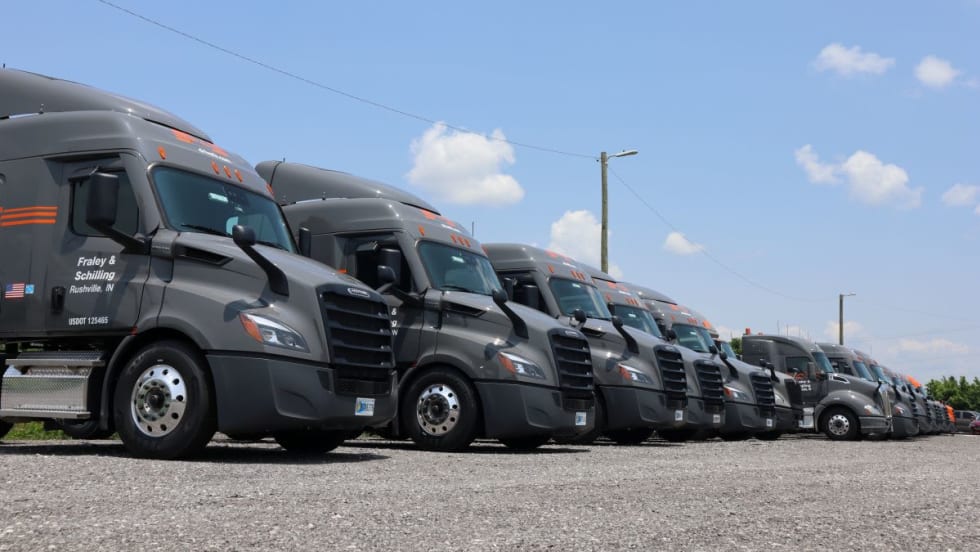
How Fraley & Schilling Improved Logbook Compliance by Over 50%
Fraley & Schilling needed a way to close a compliance workflow gap in its ELD system without adding more work from driver training, reminders, and back-office follow-ups. It found the answer in a custom driver app.
Read More →
Volvo Goes Gaming
Volvo has roared into American Truck Simulator with two new flagship trucks.
Read More →
What the Best Fleets to Drive For Teach About Driver Retention
Survey fatigue, AI-powered routing, owner-operator expectations, and the decline of social media all emerged as themes from this year's Best Fleets to Drive For program.
Read More →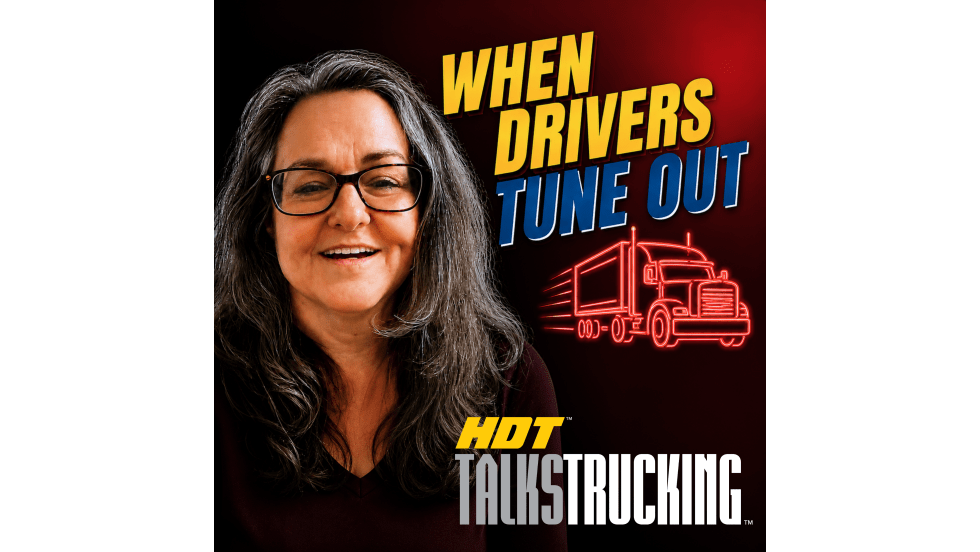
Driver Retention Lessons From the Best Fleets to Drive For
What separates trucking's best workplaces from the rest? Jane Jazrawy shares the biggest lessons from this year's Best Fleets to Drive For program on driver retention, communication, AI, and workforce trends on the HDT Talks Trucking podcast.
Read More →
Farewell, CDL: Why I'm Giving Up My Commercial Driver's License
After more than 20 years as a CDL holder, HDT Executive Editor Jack Roberts is letting his commercial license expire. Not because he wants to — but because trucking's nuclear verdict crisis has made the risks of public-road test drives too great for editors, manufacturers, and everyone involved.
Read More →
How Top Trucking Fleets Improve Driver Retention [Video]
What do healthy snacks, optimized routing, and just picking up the phone have in common? They're all strategies the Best Fleets to Drive For are using to retain truck drivers.
Read More →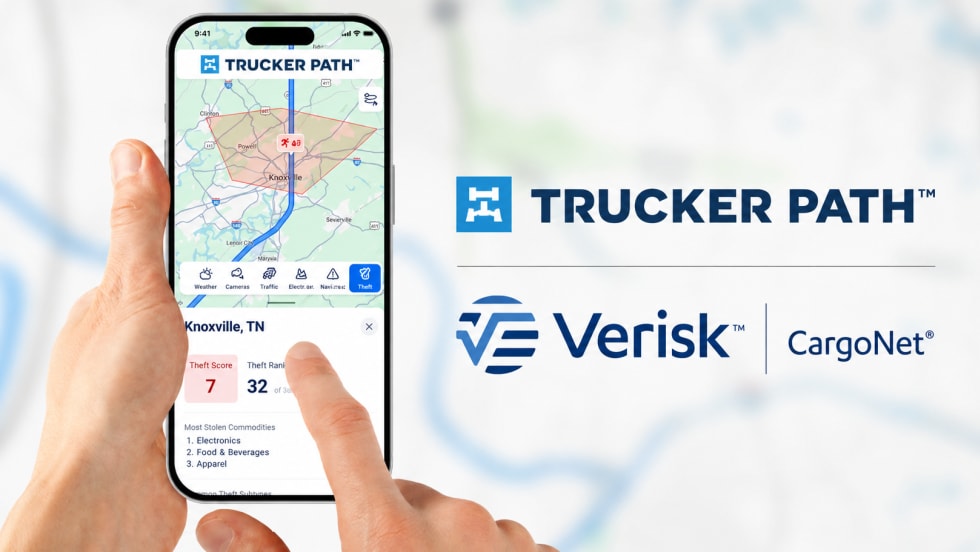
Trucker Path Adds Verisk CargoNet Theft Data to Navigation Platform
Trucker Path’s new cargo theft risk overlays give drivers and fleets visibility into high-risk areas, stolen commodity trends, and theft hotspots.
Read More →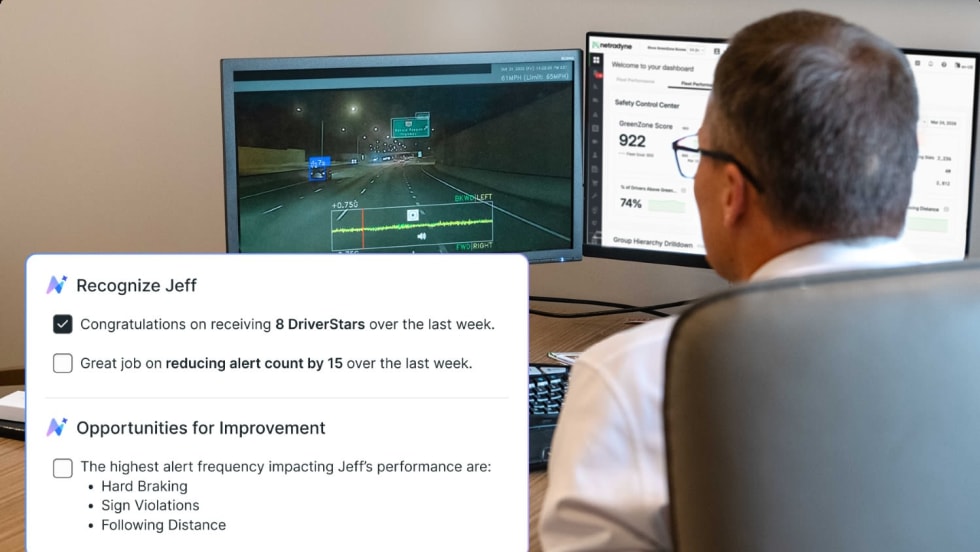
Netradyne Intelligence Uses New AI Agents to Automate Response to In-Cab Camera Data
The company called the next-generation in-cab camera safety platform "a fundamental shift from systems that report on what happened to systems that actively drive what should happen next."
Read More →
Why Truck Detention Keeps Costing Fleets Time and Money
A 2024 ATRI study found detention affects nearly 40% of truckload stops and costs the industry more than $15 billion annually. Despite the toll on drivers, fleets, and supply chains, the problem remains stubbornly persistent.
Read More →