




War On Diesel: Don't Count EPA Out
A panel of scientists recently rejected the Environmental Protection Agency’s contention that diesel exhaust is a cancer threat. But industry groups warn the EPA will come back with yet a stronger case in what will likely be a very public and emotional battle
A panel of scientists recently rejected the Environmental Protection Agency’s contention that diesel exhaust is a cancer threat. But industry groups warn the EPA will come back with yet a stronger case in what will likely be a very public and emotional battle.
Its key weapon: Smoking diesels on the road.
The Clean Air Science Advisory Committee, part of EPA’s Science Advisory Board, disagreed with some of the agency’s conclusions in its diesel health assessment -- mainly because the conclusions lacked scientific support -- and ordered the agency to make changes and come back with another draft. It was good news for engine manufacturers and for industries like trucking that are highly dependent on diesel power. But it was hardly the end of the story.
“The U.S. government is trying to declare a death sentence on the use of diesel powered vehicles,” says Glenn Keller, executive director of the Engine Manufacturer’s Assn. The EPA has conducted a decade-long campaign to portray diesel as a major health threat. Like earlier drafts, this latest report falls short of that goal.
EPA cites studies which suggest a high incidence of lung cancer in some occupations where exposure is high. It admits that no studies show a lung cancer hazard at ambient exposure (i.e. in the environment). Nevertheless, it concludes that diesel exhaust is “highly likely” to be carcinogenic.
According to Keller, much of that “occupational hazard” evidence came from underground mines where exhaust exposure is 1,000 times greater than exposure at ambient levels. Moreover, the occupations with the highest levels of lung cancer are also occupations where the use of tobacco is high.
“EPA isn’t making any attempt to put the debate into perspective,” he says. Smoking is widely acknowledged as the number one cause of lung cancer. Diesel exhaust is buried somewhere in the “other causes” category which represents some 7% of cancer risks.
However, CASAC was more likely concerned about the report's acknowledged “inferences and thus uncertainties.” In a 6 to 5 vote, the panel ordered EPA to make substantial revisions and bring it back for another review, although it didn’t indicate there was any current evidence to justify a potency determination. Six panel members also voted to downgrade the categorization from “highly likely to be carcinogenic” to “likely to be carcinogenic.” Two members voted against the change, three abstained. One member wanted to change it to “suspected.”
Keller says EPA's new target will be the thousands of pre-1991 diesel engines still on the road which produce visible smoke. “It only takes one example in the course of a day or a week to give people the wrong impression,” he said. EMA supports roadside smoke testing as a way to curb that problem, but would like to see testing done on local roads rather than major highways and interstates where most of the trucks are new.
While EPA continues to search for the cancer link, diesel exhaust has come under fire on other fronts. The agency has just proposed drastic reductions in particulate and nitrogen oxides by 2004. Currently new diesels put out an average 4 grams of nitrogen oxides (NOx) per brake horsepower hour and 0.10 grams of particulates. EPA wants a combined maximum of 2.4 grams. The agency has also indicated it will ask for further reductions by 2007: 0.5 grams or less for NOx and 0.01 for particulates. “We don’t even have technology to measure .01,” says Keller, “but we’re committed to getting there.”
In Southern California, the South Coast Air Quality Management District has placed diesel exhaust to the top of its cancer risk contaminants list -- even though it doesn’t have any more conclusive evidence than EPA. Now there is talk of even stricter emissions rules for the area, plus restrictions on truck traffic and, possibly, an outright ban on the sale of diesel-powered equipment. Keller fears other local and regional governments will follow California’s lead. With no proven alternative to diesel in the foreseeable future -- especially not one with the efficiency and accessibility of diesel -- that could have a devastating effect on trucking.
More Aftermarket

AUCTION OF EQUITY INTEREST IN HEAVY HAUL TRUCKING COMPANY!!
Mark your calendar: June 30, 2026 (10:00 a.m. PDT). A 37.5% ownership interest in MagnaTrans, LLC, a California limited liability company doing business as Magna Transportation Group, will be sold in an in-person and online auction to the highest bidder or bidders under Article 9 of the Uniform Commercial Code. The Rancho Cucamonga-based heavy haul and over-dimensional trucking company operates across California, Oregon, and Arizona.
Read More →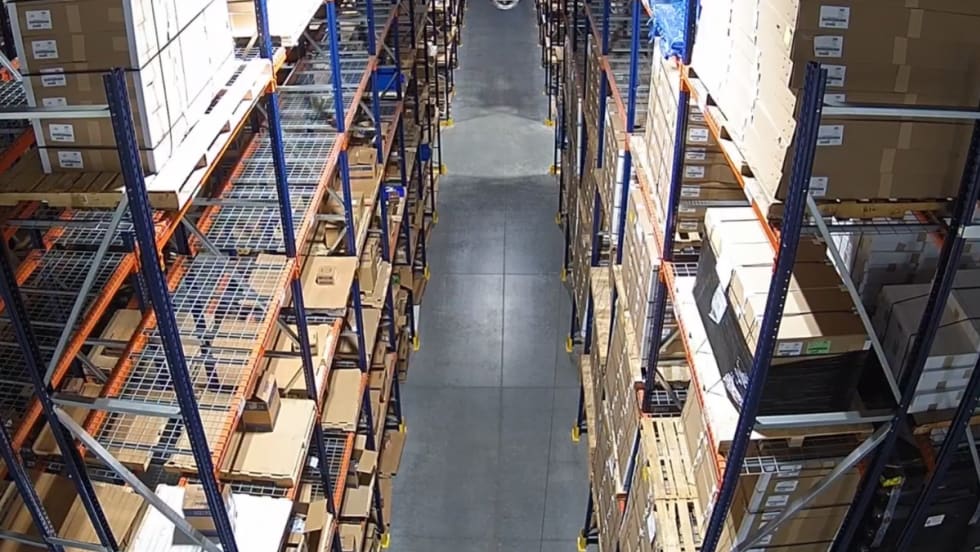
Phillips Opens High-Tech Distribution Center for Faster Parts Delivery
Phillips Industries’ new Cincinnati-area distribution center is now shipping aftermarket trucking parts nationwide, aiming to speed up delivery times for customers.
Read More →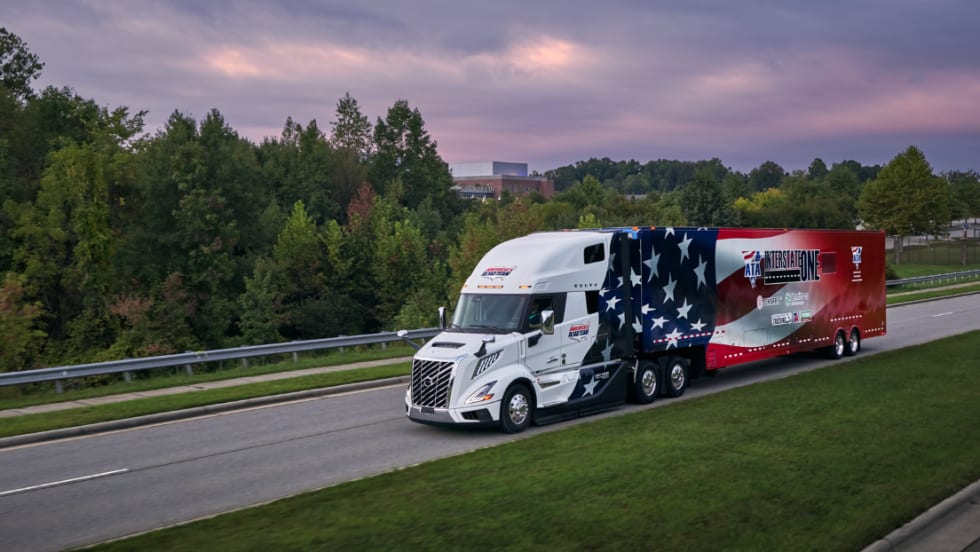
Volvo to Sponsor America’s Road Team for 2025
Volvo Trucks announced that it is extending its exclusive sponsorship of America’s Road Team for 2025.
Read More →
Webb to Start Taking Orders for UltraSet Pre-Adjusted Wheel Hubs
Webb, which recently acquired the Stemco Trifecta pre-adjusted hub program, will soon start taking orders for its replacement pre-assembled hub, the UltraSet.
Read More →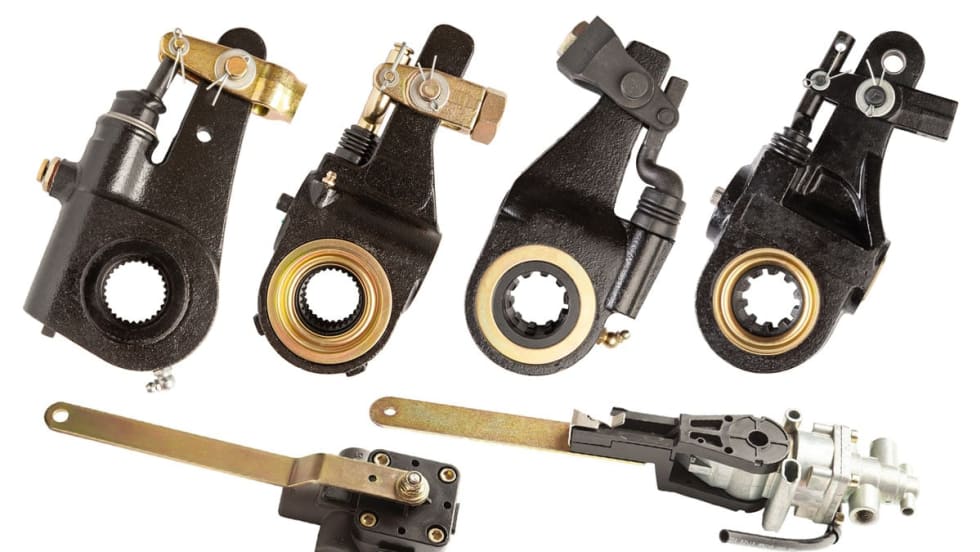
All-Makes Automatic Brake Adjusters, Ride Height Control Valves from Midland
SAF-Holland has added automatic brake adjusters and ride height control valves to its Midland All-Makes Program.
Read More →
ZF Aftermarket Expands [pro]Academy Training
ZF Aftermarket said it is expanding its ZF [pro]Academy training and will be adding 40 new modules this year.
Read More →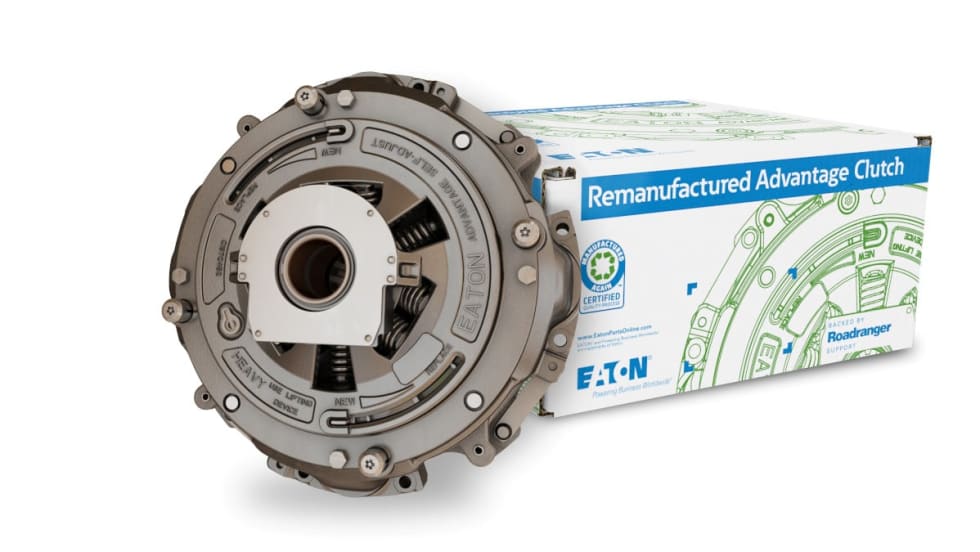
Eaton Adds Remanufactured Advantage Line of Clutches
Eaton has added its Advantage clutches to its remanufactured product line. The clutches feature a unique strap drive intermediate plate designed to allow customers to choose the latest OE specification
Read More →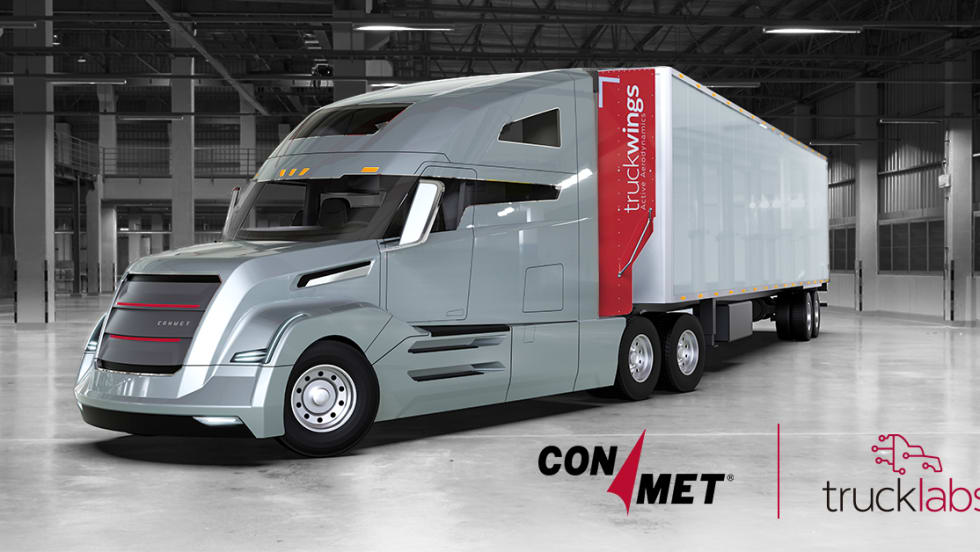
ConMet Acquires TruckLabs, the Creator of TruckWings
Commercial truck and trailer parts provider ConMet acquired TruckLabs, the company that created TruckWings, an aerodynamic device that attaches to truck cabs and deploys to close the gap between truck and trailer. TruckLabs now operates as a subsidiary of ConMet.
Read More →
Diesel Laptops Releases Fault-Code-to-Part-Number Tool
Diesel Laptops said its Truck Fault Codes allows users to input a fault code and immediately identify and order the parts needed to complete repair work.
Read More →
Heavy Duty Parts and Labor Costs Dropped in Q2
A benchmarking report from TMC and Decisiv reveals good news for fleets as heavy-duty parts and labor costs dropped in the second quarter of 2023.
Read More →