





Related: Mack -- Path to Electrification is Not Straight to Linehaul
Volvo: Electric Trucks Viable for Hauling Freight Here and Elsewhere
Sweden-based AB Volvo announced on Jan. 23 that it will start selling electric trucks in Europe in 2019, with the first units entering service with select customers sometime this year – and the company's North American operations say they see a future for "electromobility" here as well.
January 23, 2018

Volvo initially sees electrically powered trucks delivering goods in city centers “without disturbing noise and exhaust gases.” Photo: Volvo Trucks
3 min to read

Sweden-based AB Volvo announced on Jan. 23 that it will start selling electric trucks in Europe in 2019, with the first units entering service with select customers sometime this year – and the company's North American operations say they see a future for electromobility here as well.
The global truck and engine maker noted that "work toward commercialization of electric trucks in North America is ongoing as advancements in battery technology accelerate viability for North American duty cycles and energy demands for a broad range of applications.”
Addressing the news on this side of the Atlantic, Göran Nyberg, president of Volvo Trucks North America, commented in a statement that “electromobility is fully in line with Volvo Trucks’ long-term commitment to sustainable urban development and zero emissions.”
He explained that electrically powered trucks can deliver goods in more sensitive city centers "without disturbing noise and exhaust gases.” According to Nyberg, urban distribution and other P&D applications are “a starting point for battery-powered electric trucks.” He added that Volvo “envisions broader deployment of electric trucks for freight movement in North America as technologies and the market mature," suggesting they may have a future place in Class 8 trucks.
Keith Brandis, Volvo Trucks North America vice president for product planning, pointed out that the global OEM’s technology and its “deep understanding of electromobility are based on proven commercial solutions already used in Volvo’s electric buses, and solutions introduced in Volvo’s hybrid trucks as far back as 2010. Electric vehicles will be part of our future, but the vehicles themselves are only one part of what is needed for large-scale electrification to succeed."
Brandis added that Volvo Trucks is “working closely with customers, cities, suppliers of batteries and charging infrastructure, and other key stakeholders to create the necessary framework for battery-powered electric trucks.”
Word of this electric push comes on the heels of recent news that privately held China-based automaker Zhejiang Geely Holding Group is spending some $3.3 billion to buy an 8.2% stake in AB Volvo. The deal will make Geely the largest holder of AB Volvo’s share capital and voting rights. The Chinese OEM already owns the Volvo Car Group, which was divested from AB Volvo’s other businesses almost 20 years ago.
“Geely Holding will be able to contribute its global knowledge, Chinese market expertise and leading research and development capabilities especially in the fields of electrification, autonomous driving and connectivity, to AB Volvo to further its global development, and strengthen the Volvo brand,” noted Geely CFO Daniel Donghui Li in a statement on the deal.
Speculation posted online holds that Geely is buying into AB Volvo in large part to spur the Swedish OEM to build an electric – and autonomous – truck for the Chinese market before Tesla develops one for there as well as for the North American and European markets.
More Fuel Smarts
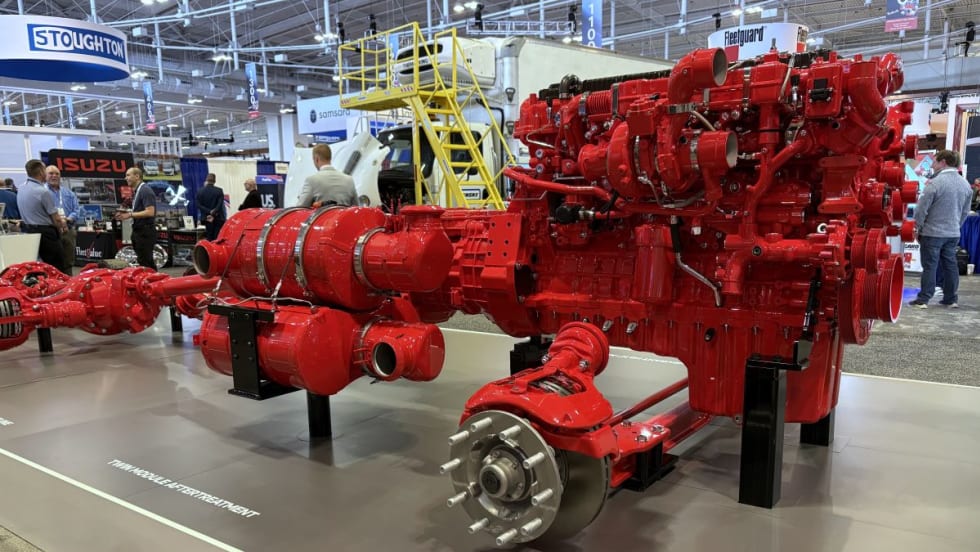
Cummins Adjusts 2027 Engine Rollout After EPA Proposal
The engine maker will gradually introduce its new Model Year 2027 diesel engines while continuing to offer current models during the transition, citing the EPA's proposed emissions rule changes.
Read More →
EPA Proposal Could Ease 2027 Truck Costs and Buying Uncertainty
The proposal doesn't change the tougher NOx standard, but it would revise key implementation requirements that manufacturers say have driven up costs and complicated fleet purchasing decisions.
Read More →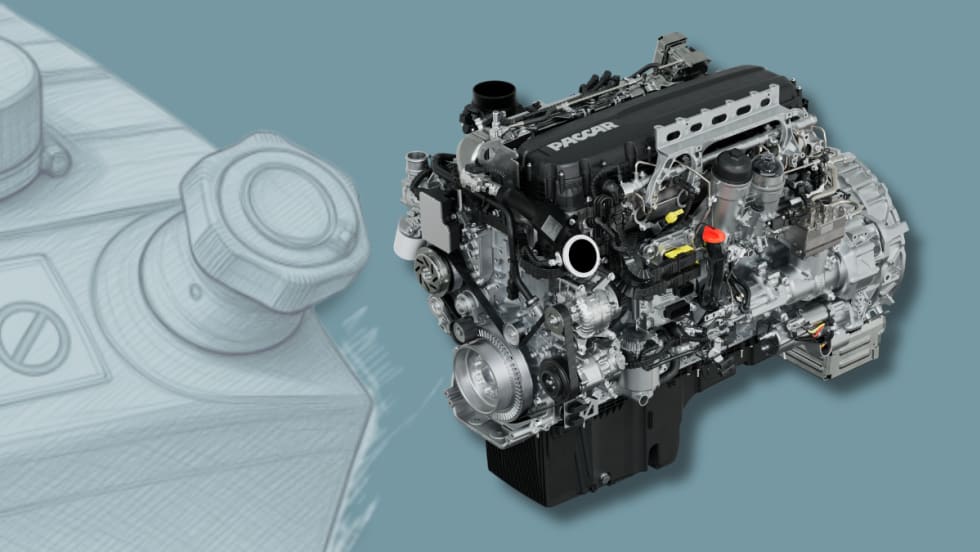
Cummins, Paccar Ease DEF Derates After EPA Guidance
Updated diesel engine software gives truck operators more time to address emissions-system issues while staying compliant with EPA emissions standards.
Read More →
Maintenance in the Messy Middle Part 3: Biodiesel
Biodiesel can reduce emissions, improve fuel-system lubricity and use existing diesel infrastructure. But NACFE’s Messy Middle maintenance report says fleets must actively manage storage, cold-weather operation, filters and oil drain intervals to avoid problems.
Read More →
Enhance Fleet Performance with High-Efficiency Auxiliary Power Units
Drive sustainable cost savings while increasing driver comfort during short- and long-haul logistics operations.
Read More →
Maintenance in the ‘Messy Middle’ Part 2: Renewable Diesel Fuel
NACFE's latest Messy Middle Powertrain Service & Maintenance report says renewable diesel gives fleets an opportunity to reduce carbon emissions without changing trucks, fueling infrastructure or maintenance practices. But technicians still need to understand several important operational differences.
Read More →
The Diesel Engine Enters NACFE’s ‘Messy Middle’
NACFE’s new Messy Middle Powertrain Service & Maintenance report says keeping modern diesel engines running now depends as much on software, diagnostics and data as traditional mechanical service.
Read More →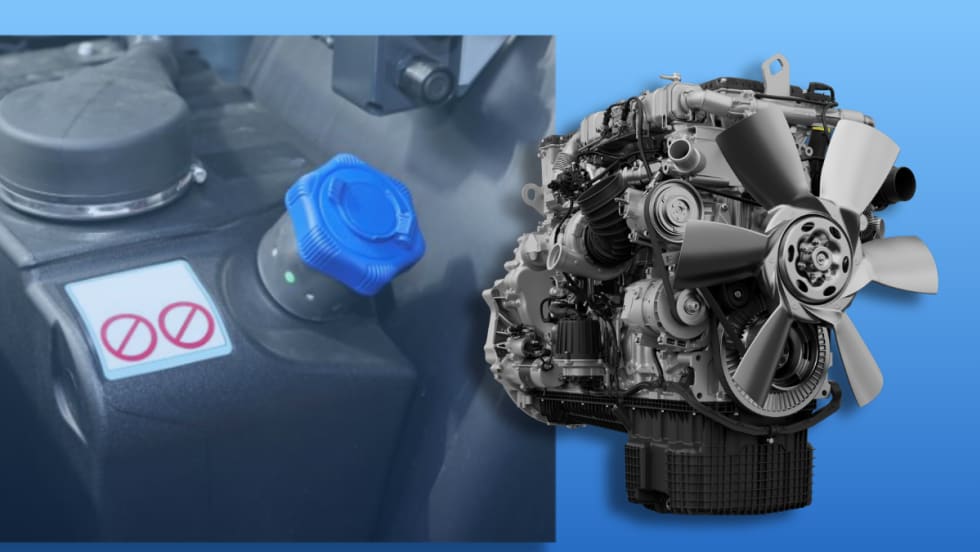
DTNA Software Update Gives Truckers More Time Before DEF Derates Take Effect
The changes reflect EPA guidance aimed at reducing downtime caused by emissions-system faults while maintaining compliance requirements.
Read More →
New Agentic Predictive Maintenance Report Demonstrates How Degraded Aftertreatment Systems Waste Fuel
Questar analyzed a large mixed-class fleet and discovered it was wasting as much as $30 in fuel per vehicle, per day, because of mechanically degraded aftertreatment systems.
Read More →
New York City's Microhub Project is Delivering Results
Trucking, last-mile delivery companies, and environmental advocates like what they are seeing so far with New York's microhub program.
Read More →